Carrick Ryan
Sunday’s Parliamentary elections in Hungary are incredibly consequential for a host of geopolitical reasons, especially in regard to Europe and Ukraine. But it also presents a fascinating insight into what the 2028 US Presidential election might feel like, if the current trajectory continues.
It’s important to note that Viktor Orbán is not a dictator; he has held power for 14 years because he has won four elections that were widely acknowledged as free… the concern many in the West have is whether these elections have been fair.
Crucially, it must be acknowledged that he is genuinely popular in Hungary, and has a cult like following from his base who see him as a national saviour from the moral depravity of “woke ideology”. They believe that only Orban can keep Hungary’s borders secure and stop Muslims from eroding what has always been, in their view, a deeply Christian society.
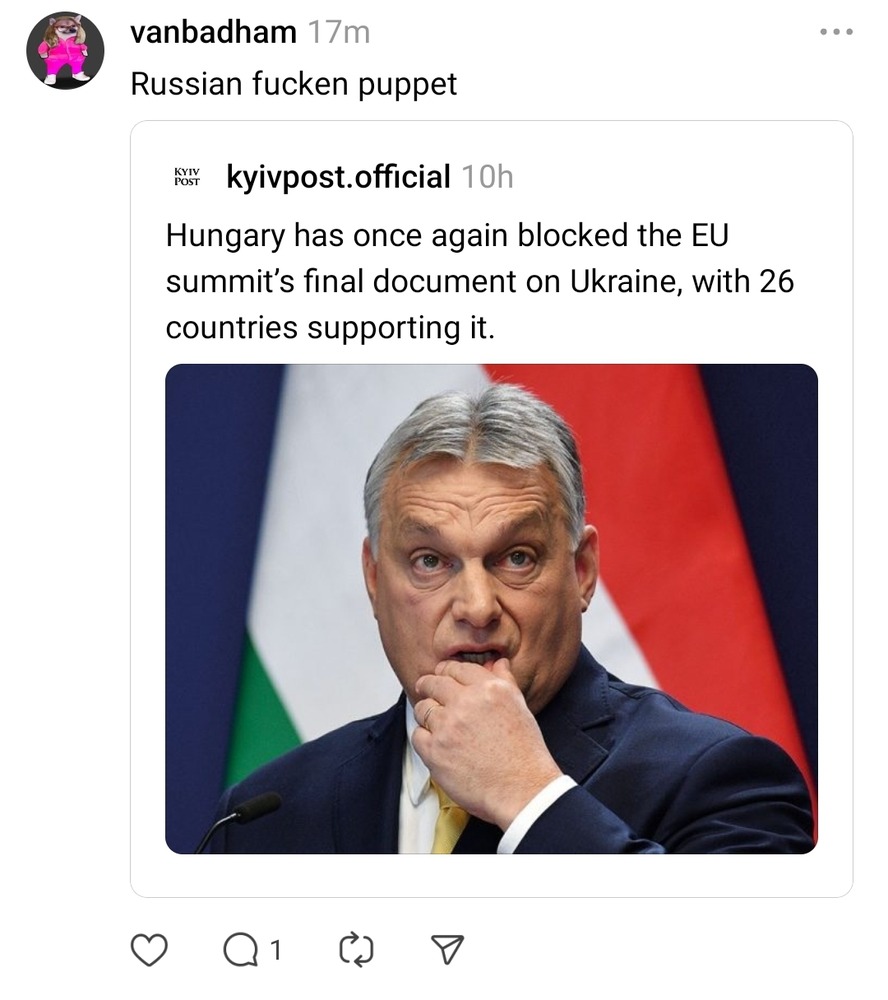
They also see his close alignment with Russia as a quality, not a concern. Many are convinced that the EU and Ukraine are attempting to provoke Russia into all out war, and they believe that only Orban will prevent Hungary from an inevitable catastrophic conflict.
But when you hear a lot of his supporters talk, the reasons they provide for their passionate devotion are almost always constructed of demonstrable, and often bizarre, disinformation.
Many supporters vehemently believe, with unsettling certainty, that an Orban electoral loss will mean that Hungarian men will be almost immediately conscripted to fight in Ukraine against Russia. They don’t mean that as a hyperbole, that is what a huge portion of them genuinely believe.
So why does a Prime Minister who has overseen one of the worst performing economies in Europe and become a pariah amongst the West, with credible allegations of jaw dropping corruption, still have so much support that this election is even close?
Primarily, it’s three things. He took control of the media, took control of the courts, and enjoys the active support of the Russian information warfare machine.
Orbán is not just hostile to any media that reports critically of him, he uses the power of the state to silence them. Almost all of the largest news outlets in the country are owned by oligarchs who provide favourable coverage in return for favourable regulations or lucrative government contracts.
As a result, studies estimate that 64% of political media is pro-government, rising to 78% when you include state media. Those outlets that remain independent experience unapologetic intimidation and harassment from Orban and his supporters, who see them as the enemy of the people.
Meanwhile, Orban’s party has a conducted a sustained campaign of appointing loyal judges to the judiciary. The result is a judiciary that still functions, but is less willing and less able to challenge the government, especially on questions regarding Orbán’s clear abuses of power.
What should not be understated is the manner in which Kremlin narratives infiltrate every level of the information ecosystem in Hungary. Whether it’s the illogical arguments of “NATO expansion”, conspiracy theories intended to build a deep suspicion of the EU and International institutions, and the theme of civilisational decline in the West. These are systematically promoted on every social media platform and then amplified by state media.
The result is a deeply polarised society where a person’s deep seated fears for this election is determined by their siloed news feed.
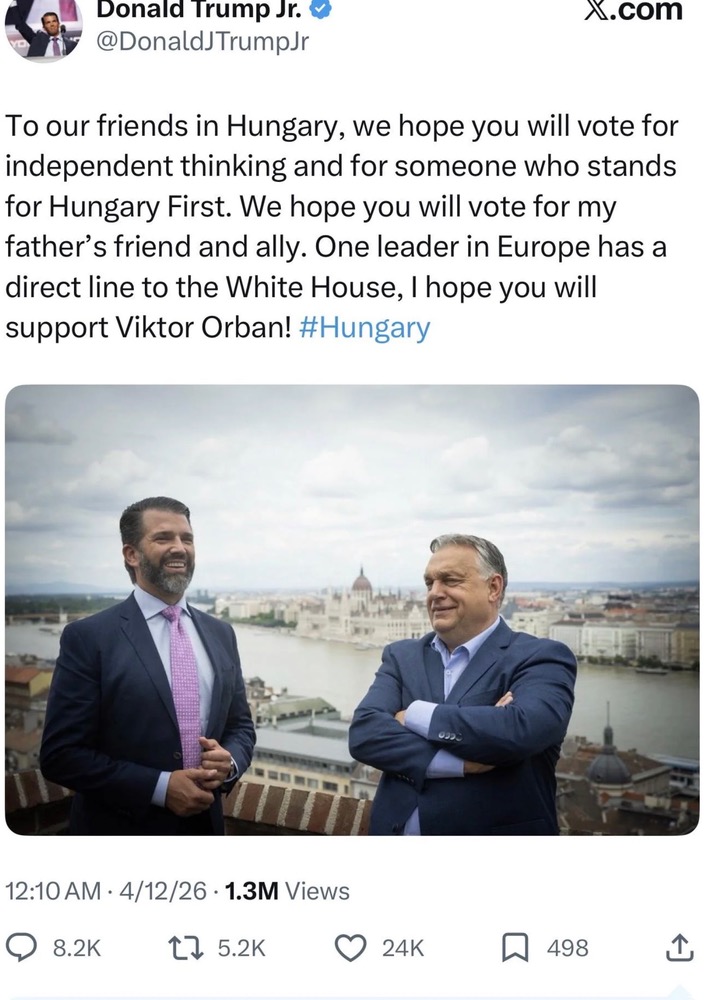
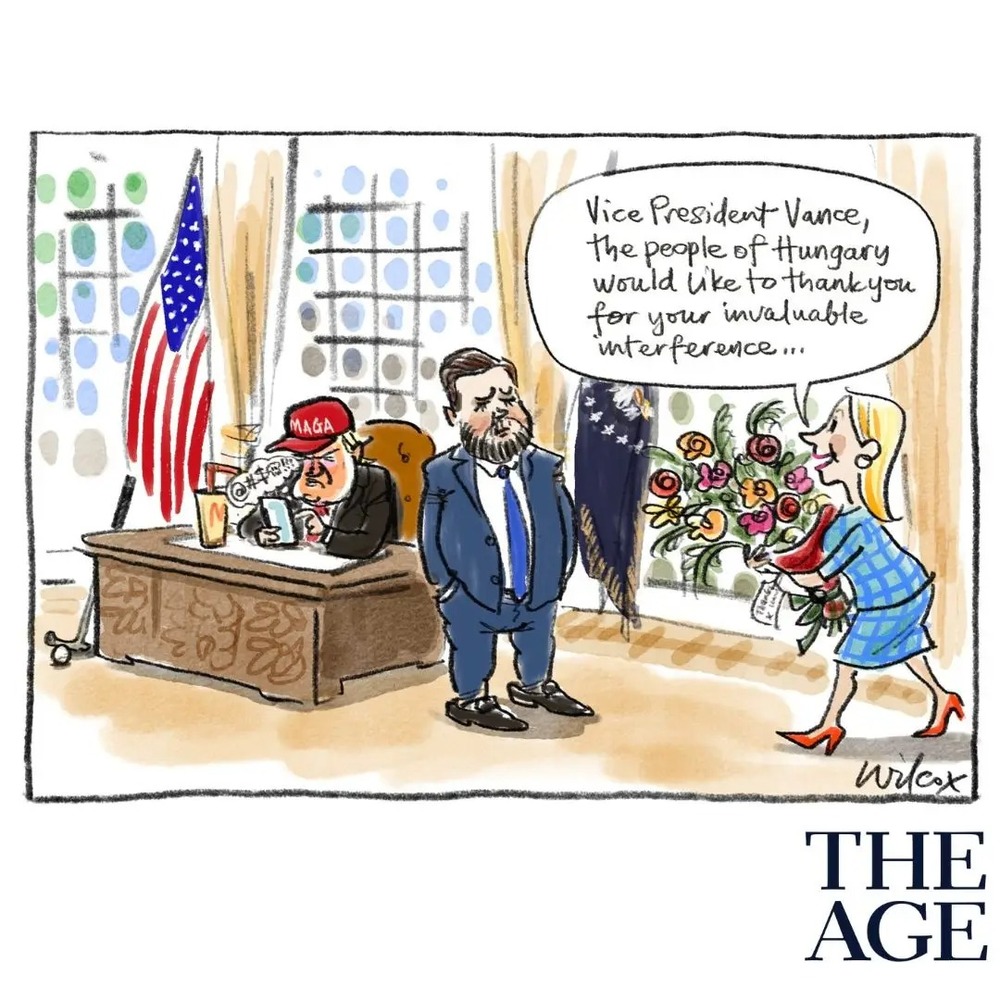
If that all sounds familiar, then you now understand why JD Vance was just in Budapest, breaking countless diplomatic conventions, campaigning for Viktor Orbán’s party. Trump even dialled in to offer his support, after already publishing several social media posts urging Hungarians to vote for him.
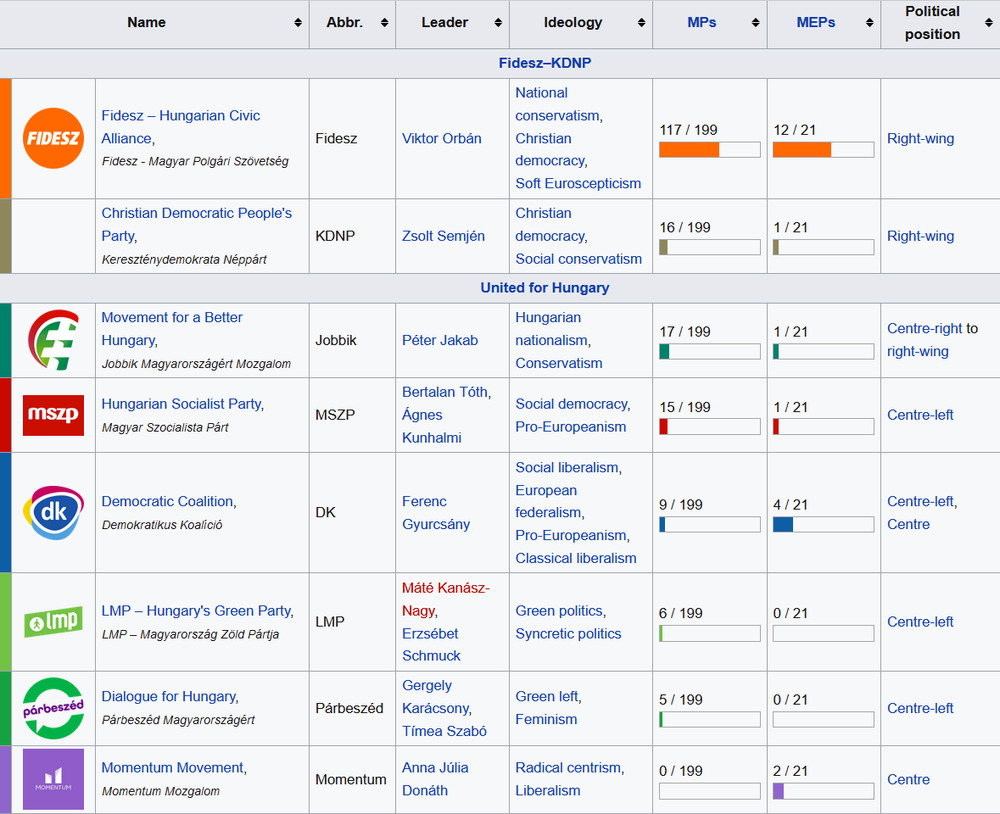
Interestingly, the man looking to unseat Orbán is not a liberal progressive campaigning on opposing every policy point. In fact, Péter Magyar is another conservative, and was even a former member of Orbán’s party. He actually shares many of Orbán’s more populist policies, while but has focussed on highlighting the issues of government corruption and authoritarian backsliding.
While the political systems of Hungary and the USA are structurally very different, many around the world will be watching closely to see if this is the strategy needed to succeed in what Orbán himself proudly calls an “illiberal democracy”.