Date: 22/08/2022 15:29:29
From: PermeateFree
ID: 1923988
Subject: What do we really know about microplastics and human health?


Microplastics are everywhere, but what does that mean for our health?

Plastic pollution is a grave and growing concern, but the biggest problems that it poses may just come from its smallest forms. Tiny fragments of the stuff are now strewn across the entire globe and are beginning to show up in different parts of the human body. But what are the health risks associated with ingesting and inhaling this now omnipresent synthetic material? While early studies do offer some cause for concern, they also show there is much still to learn before we truly start to sound the alarm.

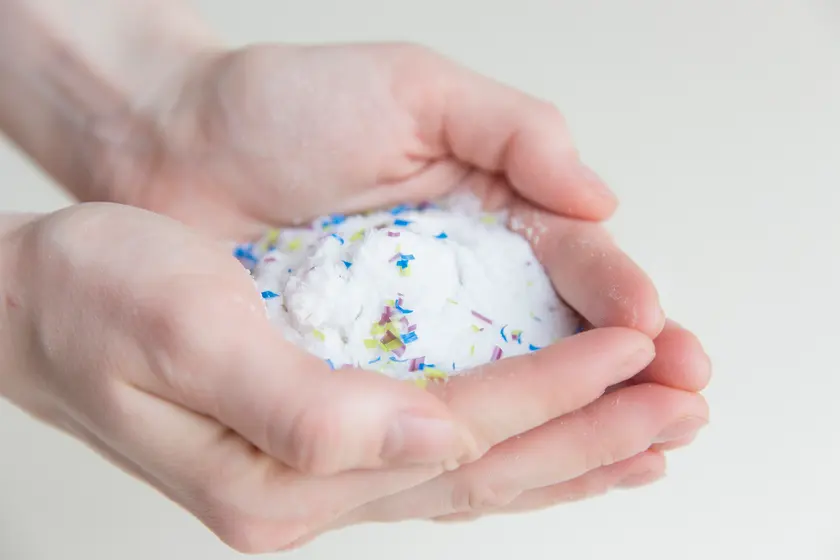
Microplastics are smaller pieces of plastic measuring less than 5 mm in size (0.2 in), and can wash into the environment in ready-made form, such as the microbeads used in cosmetic products or the tiny fibers used in synthetic textiles. Alternatively, microplastics can come via the breakdown of larger plastic products in the environment, such as plastic bags or soda bottles that are weathered and corroded by forces like UV light and ocean currents.

In recent years, scientists have intensified their focus on the behavior of microplastics, exposing the many ways they move through the environment. This has led to a string of important discoveries as groundbreaking as they are concerning, showing that plastics can be driven into the deep ocean, spread through the air with the wind, drift back to Earth with snowfall in the Arctic and Antarctic, and even turn up near the summit of Mount Everest. Further, we know that disposable coffee cups release trillions of plastic particles into their liquid, and that plastic bottles can shed particles and chemicals into drinking water during use.

Meanwhile, scientists have also dialed up their efforts to understand the presence of microplastics in the human body. This includes a 2018 study that found microplastics in human stool samples all around the world, and a 2020 study that unearthed plastic particles in every human tissue it sampled. More recently, significant discoveries have shown for the first time that microplastics can exist in living lung tissue, and also that they can enter the bloodstream.

“We already knew that microplastic is present in excrements of humans, but it is toxicologically relevant to check what might be circulating in the human blood,” Heather Leslie, lead author of that study, explained to New Atlas. “We went from expecting there to be microplastic in human blood to knowing it is there. It’s the first real-world evidence plastic particles are actually absorbed in the human bloodstream.”

Knowing that the plastics are there is one thing, understanding the threat that they pose to our health and that of other living organisms is very much another. Given the mounting concentration of plastic in the oceans, the potential impacts on marine species seem like a good place to start, and a solid body of evidence is building around this which paints a disconcerting picture.

Studies have shown that microplastic exposure can cause aneurysms and reproductive changes in fish, impair cognitive function in hermit crabs, lead to swimming abnormalities in shrimp and weaken the grip of mussels and potentially hamper their growth. We’ve also seen efforts to extrapolate these kinds of findings to humans through studies that use the genetically similar fruit fly as a model, which showed that microplastics can alter gene expression associated with stress response and oxidative damage.

“Much of what we know about microplastics has come from the marine environment research and it is only more recently that human impacts have come under scrutiny,” Jeanette Rotchell, principal investigator of microplastic impacts on human health at the University of Hull, told New Atlas.

Last December, scientists published research investigating the toxic effects of microplastic exposure on human cells. The first study of its kind, it built on previous work in this area such as research demonstrating that microplastics have the ability to alter the shape of human lung cells. This involved a systematic review of the available literature on the impacts of microplastics in lab-based exposure studies.

Among the toxic effects the team considered were cell death, impacts on the cell membranes, oxidative stress and characteristics akin to allergic reactions. The research showed, according to lead author Evangelos Danopoulos, that we are ingesting microplastics at “levels consistent with harmful effects on cells, which are in many cases the initiating event for health effects.” Though clearly not good news, there is an important distinction to be made between what occurs in laboratory experiments, and what we know for sure to be taking place in the human body.

“The limitation in the current scientific evidence is that although we know we are regularly exposed to microplastics, we do not exactly know how they will behave inside our bodies,” Danopoulos told New Atlas. “For example, we don’t know how much will simply pass through and be excreted and how much will have the ability to cross the barrier of the gastrointestinal system and make their way further in our bodies. More research is needed specifically to target these unknown and crucial elements.”

Research in rodents has hinted at these possibilities, such as a study last year showing that microplastics can infiltrate the blood-brain barrier in mice, pointing to potential toxic effects on mammal brains. But by and large, the question of how microplastics behave in the human body, and therefore the health risks they pose, is a great unknown. According to Rotchell, differences in the types of plastics used in these experiments, and those found in the environment, is one of the reasons why.

“In conducting the lab-based human cell and tissue culture type experiments, researchers have tended to use microplastics that are easy to source from supply companies,” she told us. “They are ‘virgin’ in that they have not been weathered or eroded and that changes their physico-chemical properties, in turn changing their level of impact. Researchers tend to use beads and spheres, yet fragments and fibers tend to be more common in the environment and are the types likely to be ingested or inhaled. That difference in shape between realistic microplastics and the supplier bought virgin microplastics changes the impacts reported.”

As studies continue to offer a clearer picture of the shape, size and nature of microplastics polluting the environment, scientists can approach investigations on human health impacts with greater certainty. Part of this also includes new information on the concentrations of microplastics we are exposed to as we go about our lives, as demonstrated in Danopoulos’ pioneering study, and as Rotchell explained.

“The early lab-based studies also tended to use levels of exposure that were very high relative to what you might be exposed to in the diet and air,” she told us. “There’s increasingly more data available on the levels and types and characteristics of microplastics in food and drinks and the air, so there’s less excuse now for not using more environmentally-relevant levels of exposure.”

While research into the potential toxicity of plastic particles themselves is still in its very early stages, the chemicals they contain are known to carry possible problems of their own. An example of these are the plasticizers that are added to plastics to make them durable and flexible, with BPA perhaps the most famous example. Chemicals of this nature are linked to a range of adverse health effects in humans, with alarming damage to brain cells and elevated cholesterol and heart disease risk among the more recent findings.

“At the moment we know more about the toxicity of chemical additives that leach out of plastic materials,” Leslie told us. “Microplastic might be toxic because of these additives or because of the particle getting caught up in biological processes, or a combination of the two.”

Though these kinds of early, and relatively small-scale studies have shed important light on one of the most pressing environmental issues of our time, it is far too early to draw any concrete conclusions around the health impacts of microplastic exposure.

“It’s hard for people to accept that science hasn’t delivered an answer yet, but we have to wait and see before we jump to conclusions without evidence,” said Leslie.

The discoveries in this space so far do lay an important foundation for deeper investigation. To truly ascertain the risks, scientists will need to significantly scale up their studies to understand true degrees of exposure for the average person, and then determine what levels are toxic and what levels are safe. From there, we can look at ways to mitigate the risk. But for Leslie, like many other researchers in this field, the best way to mitigate the risk is by addressing it at the source.

“Clean-up measures and other ‘end of pipe solutions’ are costly and only come into effect after the pollution has already been spread around and done damage for a while,” she told us. “It makes so much more sense to me to design the pollution out of our systems in the first place, so we can avoid having to deal with the mess.”

https://newatlas.com/medical/microplastic-pollution-plastics-human-health/
Reply Quote

Date: 22/08/2022 15:43:01
From: Cymek
ID: 1923990
Subject: re: What do we really know about microplastics and human health?

Shouldn’t be hard to source non pristine samples to test, likely to be able to just walk outside the laboratories and pick them up on the side of the road

Reply Quote

Date: 22/08/2022 16:52:30
From: SCIENCE
ID: 1924007
Subject: re: What do we really know about microplastics and human health?

we suppose life expectancy is an acceptable surrogate measure and having been increasing over the same period of time as microplastics have been increasing perhaps the effects are

  1. beneficial, or
  2. if negative, second-order, at most

but then again that global 2-year decline in life expectancy over the past ah 2 years might or might not be related

Reply Quote

Date: 22/08/2022 17:13:58
From: Cymek
ID: 1924014
Subject: re: What do we really know about microplastics and human health?

SCIENCE said:

we suppose life expectancy is an acceptable surrogate measure and having been increasing over the same period of time as microplastics have been increasing perhaps the effects are

  1. beneficial, or
  2. if negative, second-order, at most

but then again that global 2-year decline in life expectancy over the past ah 2 years might or might not be related

Is reducing fertility beneficial or negative

Reply Quote

Date: 22/08/2022 17:17:24
From: Cymek
ID: 1924018
Subject: re: What do we really know about microplastics and human health?

Cymek said:


SCIENCE said:

we suppose life expectancy is an acceptable surrogate measure and having been increasing over the same period of time as microplastics have been increasing perhaps the effects are

  1. beneficial, or
  2. if negative, second-order, at most

but then again that global 2-year decline in life expectancy over the past ah 2 years might or might not be related

Is reducing fertility beneficial or negative

Could be we are the architect for our own extinction

Reply Quote

Date: 22/08/2022 17:50:23
From: mollwollfumble
ID: 1924037
Subject: re: What do we really know about microplastics and human health?

Oh, that’s easy.

We already know everything that we need to know about that.

Microplastics are a safer substitute for food fibre.

Reply Quote

Date: 22/08/2022 17:55:58
From: PermeateFree
ID: 1924038
Subject: re: What do we really know about microplastics and human health?

SCIENCE said:

we suppose life expectancy is an acceptable surrogate measure and having been increasing over the same period of time as microplastics have been increasing perhaps the effects are

  1. beneficial, or
  2. if negative, second-order, at most

but then again that global 2-year decline in life expectancy over the past ah 2 years might or might not be related

There is not enough information to determine how or if, microplastics would become a major health problem. However, when they can enter the blood stream and on mice pass to the brain, plus are so widespread and are daily becoming worse, it is foolish to ignore the threat. It is only in recent years that microplastics have been recognised and found worldwide in unavoidable numbers. Microplastics could quite easily become a significant problem for most life forms, especially long living ones.

Reply Quote

Date: 22/08/2022 17:58:32
From: PermeateFree
ID: 1924042
Subject: re: What do we really know about microplastics and human health?

mollwollfumble said:


Oh, that’s easy.

We already know everything that we need to know about that.

Microplastics are a safer substitute for food fibre.

I personally am amazed that you have managed to survive this long moll. However I live in hope.

Reply Quote

Date: 22/08/2022 17:58:43
From: roughbarked
ID: 1924043
Subject: re: What do we really know about microplastics and human health?

PermeateFree said:


SCIENCE said:

we suppose life expectancy is an acceptable surrogate measure and having been increasing over the same period of time as microplastics have been increasing perhaps the effects are

  1. beneficial, or
  2. if negative, second-order, at most

but then again that global 2-year decline in life expectancy over the past ah 2 years might or might not be related

There is not enough information to determine how or if, microplastics would become a major health problem. However, when they can enter the blood stream and on mice pass to the brain, plus are so widespread and are daily becoming worse, it is foolish to ignore the threat. It is only in recent years that microplastics have been recognised and found worldwide in unavoidable numbers. Microplastics could quite easily become a significant problem for most life forms, especially long living ones.

I’d certainly rather eat all bran.

Reply Quote

Date: 22/08/2022 18:36:33
From: Witty Rejoinder
ID: 1924050
Subject: re: What do we really know about microplastics and human health?

PermeateFree said:


mollwollfumble said:

Oh, that’s easy.

We already know everything that we need to know about that.

Microplastics are a safer substitute for food fibre.

I personally am amazed that you have managed to survive this long moll. However I live in hope.

Unfortunately he’s been breeding too.

Reply Quote

Date: 22/08/2022 18:42:38
From: SCIENCE
ID: 1924052
Subject: re: What do we really know about microplastics and human health?

PermeateFree said:


SCIENCE said:

we suppose life expectancy is an acceptable surrogate measure and having been increasing over the same period of time as microplastics have been increasing perhaps the effects are

  1. beneficial, or
  2. if negative, second-order, at most

but then again that global 2-year decline in life expectancy over the past ah 2 years might or might not be related

There is not enough information to determine how or if, microplastics would become a major health problem. However, when they can enter the blood stream and on mice pass to the brain, plus are so widespread and are daily becoming worse, it is foolish to ignore the threat. It is only in recent years that microplastics have been recognised and found worldwide in unavoidable numbers. Microplastics could quite easily become a significant problem for most life forms, especially long living ones.

sure, not to determine, but contemporaneous observation tells us plenty, so the points above stand

Reply Quote

Date: 22/08/2022 18:43:27
From: SCIENCE
ID: 1924053
Subject: re: What do we really know about microplastics and human health?

PermeateFree said:


mollwollfumble said:

Oh, that’s easy.

We already know everything that we need to know about that.

Microplastics are a safer substitute for food fibre.

I personally am amazed that you have managed to survive this long moll. However I live in hope.

hey we guess as discussed, life expectancy has improved greatly over the years and that’s alongside microplastics so there’s a bit more evidence for everyone

Reply Quote

Date: 22/08/2022 18:51:13
From: dv
ID: 1924054
Subject: re: What do we really know about microplastics and human health?

SCIENCE said:


PermeateFree said:

mollwollfumble said:

Oh, that’s easy.

We already know everything that we need to know about that.

Microplastics are a safer substitute for food fibre.

I personally am amazed that you have managed to survive this long moll. However I live in hope.

hey we guess as discussed, life expectancy has improved greatly over the years and that’s alongside microplastics so there’s a bit more evidence for everyone

Actually it has kind of stagnated in the USA

Reply Quote

Date: 23/08/2022 05:20:38
From: mollwollfumble
ID: 1924177
Subject: re: What do we really know about microplastics and human health?

> I personally am amazed that you have managed to survive this long moll. However I live in hope.

Thank you.
My father wanted a list of the deadly chemicals that he worked with listed on his tombstone.

Am I the only forumite who has deliberately eaten microplastics?
Here’s what they taste like:

(I haven’t eaten acrylic, epoxy, mylar, polycarbonate)
Urethane foam – foul taste, avoid
Styrene foam – not as nice as it looks
Silicone – like oysters but blander
PVC – chewy and the taste isn’t bad
PVA – pleasant taste, but the aftertaste (probably from impurities) needs improvement
Electrical wiring insulation (polyimide?) – yum yum
Polyester – bland

With the exception of urethane foam, the general flavour of microplastics is bland.

I’m serious when I say that I want to see plastics marketed as diet food.

Reply Quote

Date: 23/08/2022 18:22:53
From: PermeateFree
ID: 1924360
Subject: re: What do we really know about microplastics and human health?

mollwollfumble said:


> I personally am amazed that you have managed to survive this long moll. However I live in hope.

Thank you.
My father wanted a list of the deadly chemicals that he worked with listed on his tombstone.

Am I the only forumite who has deliberately eaten microplastics?
Here’s what they taste like:

(I haven’t eaten acrylic, epoxy, mylar, polycarbonate)
Urethane foam – foul taste, avoid
Styrene foam – not as nice as it looks
Silicone – like oysters but blander
PVC – chewy and the taste isn’t bad
PVA – pleasant taste, but the aftertaste (probably from impurities) needs improvement
Electrical wiring insulation (polyimide?) – yum yum
Polyester – bland

With the exception of urethane foam, the general flavour of microplastics is bland.

I’m serious when I say that I want to see plastics marketed as diet food.

We have all consumed nanoplastics and microplastics, but are unaware of the fact. Virtually any plastic containers will flush-off microscopic plastic particles that are eaten by us along with the contents. That is the problem, we do not know the amount we consume or any problems they create as they build up over time in the body, but we do know they can enter the blood stream, various organs and even the brain. You never know moll your brain might one day get recycled into a garden seat.

Reply Quote

Date: 23/08/2022 18:33:21
From: Michael V
ID: 1924361
Subject: re: What do we really know about microplastics and human health?

PermeateFree said:


mollwollfumble said:

> I personally am amazed that you have managed to survive this long moll. However I live in hope.

Thank you.
My father wanted a list of the deadly chemicals that he worked with listed on his tombstone.

Am I the only forumite who has deliberately eaten microplastics?
Here’s what they taste like:

(I haven’t eaten acrylic, epoxy, mylar, polycarbonate)
Urethane foam – foul taste, avoid
Styrene foam – not as nice as it looks
Silicone – like oysters but blander
PVC – chewy and the taste isn’t bad
PVA – pleasant taste, but the aftertaste (probably from impurities) needs improvement
Electrical wiring insulation (polyimide?) – yum yum
Polyester – bland

With the exception of urethane foam, the general flavour of microplastics is bland.

I’m serious when I say that I want to see plastics marketed as diet food.

We have all consumed nanoplastics and microplastics, but are unaware of the fact. Virtually any plastic containers will flush-off microscopic plastic particles that are eaten by us along with the contents. That is the problem, we do not know the amount we consume or any problems they create as they build up over time in the body, but we do know they can enter the blood stream, various organs and even the brain. You never know moll your brain might one day get recycled into a garden seat.

LOLOLOL

Reply Quote

Date: 24/08/2022 07:23:37
From: Ogmog
ID: 1924493
Subject: re: What do we really know about microplastics and human health?

Re-Examining the Evidence on BPA and Plastics

The Great Industry Cover-Up of Harmful Plastics

Tips for Reducing Your Exposure to Plastics

Use glass cups for drinking.
Instead of plastic water bottles, use stainless steel or glass.
Use glass containers for food storage.
Never heat food in plastic containers.
Use parchment paper or beeswax fabric instead of plastic wrap.
Avoid canned foods, as the linings typically contain BPA or a BPA alternative.
Read labels on cosmetics and personal care products, and avoid those that contain phthalates in the ingredients list.
Skip the receipt, as most have a BPA coating.

Reply Quote

Date: 14/09/2022 17:38:30
From: PermeateFree
ID: 1932736
Subject: re: What do we really know about microplastics and human health?

Study shows nanoplastics can travel from plants to insects to fish


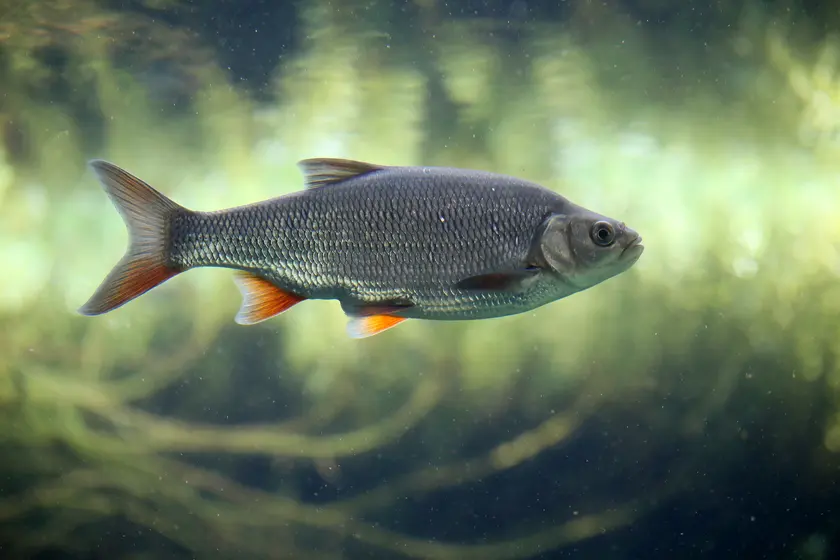
Polystyrene and PVC nanoparticles were found in roach fish, after those fish ate fly larvae which fed on lettuce plants grow in soil containing the particles

We already know that tiny waterborne plastic waste particles can enter the bodies of fish, which are then consumed by humans. New research, however, shows that such particles can enter the food chain via another route, by traveling from the land, through plants to insects to fish.

For the study, scientists at the University of Eastern Finland started by growing lettuce in soil containing 250-nanometer-wide polystyrene and polyvinyl chloride (PVC) particles. These plastics were chosen because they make up a large percentage of plastic waste currently found in the environment.

After 14 days, the plants were harvested and fed to black soldier fly larvae, which are commonly used as a protein source in animal feed. Once the larvae had fed on the lettuce for five days, they were in turn fed to freshwater roach fish for another five days. Some of the lettuce plants, larvae and fish were then dissected and examined via scanning electron microscopy.

It was found that both types of nanoparticles were initially taken up by the plants’ roots, subsequently accumulating in the leaves. When those leaves were eaten by the larvae, some of the particles were passed into the latter’s mouths and guts – the particles were still present even after the larvae had been allowed to empty their gut over a 24-hour period.

The nanoparticles then made their way from the larvae into the fish, where they were found mostly in the liver but also in the gills and intestinal tissue.

It should be noted that neither the lettuce nor the larvae nor the fish showed any adverse reactions to taking in the nanoparticles. That said, other studies have suggested that at the very least, plastic nanoparticles may collect pathogens from polluted environments, then pass those pathogens into plants or animals.

“Our results show that lettuce can take up nanoplastics from the soil and transfer them into the food chain,” said Dr. Fazel Monikh, lead author of a paper on the study. “This indicates that the presence of tiny plastic particles in soil could be associated with a potential health risk to herbivores and humans if these findings are found to be generalizable to other plants and crops and to field settings. However, further research into the topic is still urgently needed.”

The paper was recently published in the journal Nano Today.

https://newatlas.com/environment/nanoplastics-plants-insects-fish/

Reply Quote

Date: 14/09/2022 17:47:18
From: Michael V
ID: 1932739
Subject: re: What do we really know about microplastics and human health?

PermeateFree said:


Study shows nanoplastics can travel from plants to insects to fish


Polystyrene and PVC nanoparticles were found in roach fish, after those fish ate fly larvae which fed on lettuce plants grow in soil containing the particles

We already know that tiny waterborne plastic waste particles can enter the bodies of fish, which are then consumed by humans. New research, however, shows that such particles can enter the food chain via another route, by traveling from the land, through plants to insects to fish.

For the study, scientists at the University of Eastern Finland started by growing lettuce in soil containing 250-nanometer-wide polystyrene and polyvinyl chloride (PVC) particles. These plastics were chosen because they make up a large percentage of plastic waste currently found in the environment.

After 14 days, the plants were harvested and fed to black soldier fly larvae, which are commonly used as a protein source in animal feed. Once the larvae had fed on the lettuce for five days, they were in turn fed to freshwater roach fish for another five days. Some of the lettuce plants, larvae and fish were then dissected and examined via scanning electron microscopy.

It was found that both types of nanoparticles were initially taken up by the plants’ roots, subsequently accumulating in the leaves. When those leaves were eaten by the larvae, some of the particles were passed into the latter’s mouths and guts – the particles were still present even after the larvae had been allowed to empty their gut over a 24-hour period.

The nanoparticles then made their way from the larvae into the fish, where they were found mostly in the liver but also in the gills and intestinal tissue.

It should be noted that neither the lettuce nor the larvae nor the fish showed any adverse reactions to taking in the nanoparticles. That said, other studies have suggested that at the very least, plastic nanoparticles may collect pathogens from polluted environments, then pass those pathogens into plants or animals.

“Our results show that lettuce can take up nanoplastics from the soil and transfer them into the food chain,” said Dr. Fazel Monikh, lead author of a paper on the study. “This indicates that the presence of tiny plastic particles in soil could be associated with a potential health risk to herbivores and humans if these findings are found to be generalizable to other plants and crops and to field settings. However, further research into the topic is still urgently needed.”

The paper was recently published in the journal Nano Today.

https://newatlas.com/environment/nanoplastics-plants-insects-fish/

Interesting, and somewhat surprising. Thanks.

Reply Quote

Date: 23/09/2022 13:48:23
From: PermeateFree
ID: 1936319
Subject: re: What do we really know about microplastics and human health?

A new type of asbestos?

Study shows plastics disrupting metabolism of lung and liver cells


A new study has delved into the effects of tiny plastic particles on human liver and lung cells

Though we have much to learn about the health impacts of exposure to tiny plastic particles, studies continue to shed important light on how they might behave in the human body. The latest findings in this space center on liver and lung cells, which lab research has shown can ingest nano-scale plastic particles and undergo metabolic changes as a result.

Amid the many discoveries being made around plastic waste and its path through the environment, studies have begun to delve into the potential impacts on the human body. This research does have its limitations, but in the past couple of years we’ve seen scientists demonstrate toxic effects of plastic particles on human cells and shown how they can alter the shape of lung cells specifically. Earlier this year, we also saw plastic particles found deep in live human lungs for the first time.

A research team from China and Hong Kong has now built on this with a new study focusing on plastic particles measuring just 80 nanometers across. The team subjected human liver and lung cells to these nanoplastics in the laboratory and found that the particles entered the cells within two days, but did so without killing them.

By tracking the compounds released by the cells’ mitochondria, however, the team discovered some changes taking place. The more the cells were subjected to nanoplastics, the more they released reactive oxygen species, amino acids, peptides and other compounds. This suggests several metabolic processes within the cell were disrupted and altered, and that some of the mitochondria pathways had become dysfunctional.

Though very different to studying the effects of plastic particles in the human body, the research does offer further evidence that they could cause key alterations in cells that pose a threat to organs, according to the team.

The research was published in the journal Environmental Science & Technology.

Reply Quote

Date: 23/09/2022 13:49:42
From: roughbarked
ID: 1936320
Subject: re: What do we really know about microplastics and human health?

I wonder what this is doing to our brains.

Reply Quote

Date: 19/02/2024 15:12:05
From: Michael V
ID: 2127184
Subject: re: What do we really know about microplastics and human health?

Or did you want me to bump this one?

Reply Quote

Date: 19/02/2024 15:16:02
From: roughbarked
ID: 2127185
Subject: re: What do we really know about microplastics and human health?

Michael V said:


Or did you want me to bump this one?

Probably both are relevant.

Reply Quote