Date: 1/01/2026 13:47:14
From: AussieDJ
ID: 2345992
Subject: Australian politics - January 2026
(Lifted from another place)
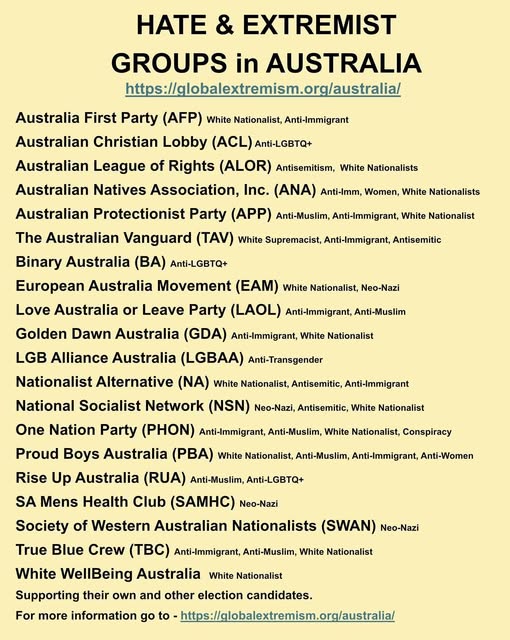
Australian right wing nutjob (RWNJ) groups alert. An interesting list, all of which are worth blocking on social media, otherwise you’re wasting your time. To this list, add the Internet ranter Les J Power – antiscience, labels anything near the Labor Party as “communist”
https://globalextremism.org/australia/
Date: 1/01/2026 13:56:34
From: Bubblecar
ID: 2345995
Subject: re: Australian politics - January 2026
AussieDJ said:
(Lifted from another place)
Australian right wing nutjob (RWNJ) groups alert. An interesting list, all of which are worth blocking on social media, otherwise you’re wasting your time. To this list, add the Internet ranter Les J Power – antiscience, labels anything near the Labor Party as “communist”
https://globalextremism.org/australia/
LGB Alliance is not a hate group.
That’s the trouble with lists like that (compiled by white male heterosexual lefties) – they refuse to acknowledge the diversity of views amongst the groups they claim to “protect”.
Date: 1/01/2026 14:01:39
From: Divine Angel
ID: 2345996
Subject: re: Australian politics - January 2026
Oh, we’re starting off a fresh year defending anti-trans groups?
Personally, I think obsessing over what’s inside people’s underwear is extremely weird, but you do you.
Date: 1/01/2026 14:08:56
From: Bubblecar
ID: 2346001
Subject: re: Australian politics - January 2026
Divine Angel said:
Oh, we’re starting off a fresh year defending anti-trans groups?
Personally, I think obsessing over what’s inside people’s underwear is extremely weird, but you do you.
LGB Alliance Australia is based directly on the British original, which is a well-respected LGB charity.
LGB Alliance is indeed opposed to the standard trans activist ideology, insofar as that ideology and its agenda are aggressively homophobic and misogynist.
But you do you.
Date: 1/01/2026 14:14:24
From: JudgeMental
ID: 2346007
Subject: re: Australian politics - January 2026
Divine Angel said:
Oh, we’re starting off a fresh year defending anti-trans groups?
Personally, I think obsessing over what’s inside people’s underwear is extremely weird, but you do you.
they certainly don’t get a good mark on the wiki page
https://en.wikipedia.org/wiki/LGB_Alliance
Link
Date: 1/01/2026 14:21:29
From: Bubblecar
ID: 2346013
Subject: re: Australian politics - January 2026
JudgeMental said:
Divine Angel said:
Oh, we’re starting off a fresh year defending anti-trans groups?
Personally, I think obsessing over what’s inside people’s underwear is extremely weird, but you do you.
they certainly don’t get a good mark on the wiki page
https://en.wikipedia.org/wiki/LGB_Alliance
Link
Obviously they’ve been described as “transphobic” by the trans groups and their allies. There’s a war on :)
But which side you choose to side with says a lot about your knowledge of this debate, your respect or otherwise for science and empirical realism, and whether you think women’s sex-based rights are at all valuable.
Most lefties still automatically side with what the other ignorant lefties side with. And then wonder why the left is increasingly being abandoned by rational people.
I’m through with trying to encourage people to properly investigate the issue, so yeah, you do you :)
Date: 1/01/2026 14:30:23
From: Bubblecar
ID: 2346017
Subject: re: Australian politics - January 2026
Bubblecar said:
JudgeMental said:
Divine Angel said:
Oh, we’re starting off a fresh year defending anti-trans groups?
Personally, I think obsessing over what’s inside people’s underwear is extremely weird, but you do you.
they certainly don’t get a good mark on the wiki page
https://en.wikipedia.org/wiki/LGB_Alliance
Link
Obviously they’ve been described as “transphobic” by the trans groups and their allies. There’s a war on :)
But which side you choose to side with says a lot about your knowledge of this debate, your respect or otherwise for science and empirical realism, and whether you think women’s sex-based rights are at all valuable.
Most lefties still automatically side with what the other ignorant lefties side with. And then wonder why the left is increasingly being abandoned by rational people.
I’m through with trying to encourage people to properly investigate the issue, so yeah, you do you :)
LGB Alliance UK explain themselves in their own words
https://lgballiance.org.uk/about/
Date: 1/01/2026 21:30:33
From: kii
ID: 2346112
Subject: re: Australian politics - January 2026
Bubblecar said:
JudgeMental said:
Divine Angel said:
Oh, we’re starting off a fresh year defending anti-trans groups?
Personally, I think obsessing over what’s inside people’s underwear is extremely weird, but you do you.
they certainly don’t get a good mark on the wiki page
https://en.wikipedia.org/wiki/LGB_Alliance
Link
Obviously they’ve been described as “transphobic” by the trans groups and their allies. There’s a war on :)
But which side you choose to side with says a lot about your knowledge of this debate, your respect or otherwise for science and empirical realism, and whether you think women’s sex-based rights are at all valuable.
Most lefties still automatically side with what the other ignorant lefties side with. And then wonder why the left is increasingly being abandoned by rational people.
I’m through with trying to encourage people to properly investigate the issue, so yeah, you do you :)
Oh for fuck’s sake. Can you just stfu?
Date: 1/01/2026 22:19:33
From: Divine Angel
ID: 2346117
Subject: re: Australian politics - January 2026
“Science” and “empirical evidence “ of what, exactly?
I got nothing to do and a whole world of peer reviewed academic research at my fingertips.
Come at me, bro.
Signed, Proud Trans Ally 🏳️⚧️
Date: 1/01/2026 23:50:46
From: party_pants
ID: 2346121
Subject: re: Australian politics - January 2026
kii said:
Oh for fuck’s sake. Can you just stfu?
I would guess… probably not :p
Date: 2/01/2026 06:18:19
From: SCIENCE
ID: 2346130
Subject: re: Australian politics - January 2026
Date: 2/01/2026 07:29:48
From: buffy
ID: 2346133
Subject: re: Australian politics - January 2026
Divine Angel said:
“Science” and “empirical evidence “ of what, exactly?
I got nothing to do and a whole world of peer reviewed academic research at my fingertips.
Come at me, bro.
Signed, Proud Trans Ally 🏳️⚧️
I’m presuming this relates to Bubblecar’s comment. I can give you a place that puts a lot of the research together, with links. Whether you are a fan of SEGM or not, doesn’t matter. You don’t have to read their analysis, you can just go and read the original paper and analyse for yourself. They have been going for 6 years now, I think, so there are a lot of papers to read. Probably easiest just to go to the “Studies” link, which presents recent papers of interest first, and then some organized into categories. Some of the other tabs are also interesting.
Link to Society for Evidence Based Gender Medicine…SEGM
Date: 2/01/2026 07:47:32
From: Witty Rejoinder
ID: 2346138
Subject: re: Australian politics - January 2026
buffy said:
Divine Angel said:
“Science” and “empirical evidence “ of what, exactly?
I got nothing to do and a whole world of peer reviewed academic research at my fingertips.
Come at me, bro.
Signed, Proud Trans Ally 🏳️⚧️
I’m presuming this relates to Bubblecar’s comment. I can give you a place that puts a lot of the research together, with links. Whether you are a fan of SEGM or not, doesn’t matter. You don’t have to read their analysis, you can just go and read the original paper and analyse for yourself. They have been going for 6 years now, I think, so there are a lot of papers to read. Probably easiest just to go to the “Studies” link, which presents recent papers of interest first, and then some organized into categories. Some of the other tabs are also interesting.
Link to Society for Evidence Based Gender Medicine…SEGM
Papers that question the medical treatment of youths self-identifying as transgender are not evidence that those who are transgender are mentally ill nor an argument for Bubblecar’s misplaced belief that anyone here who pushes back on his arguments supports all or any of the more outlandish beliefs identified with radical transgender ideology.
Date: 2/01/2026 08:55:53
From: SCIENCE
ID: 2346147
Subject: re: Australian politics - January 2026
Most users are completely silent as the drugs enter their bloodstream; others talk to users in neighbouring booths. Hardly any of the drug users appear to be euphoric or “high” once they’ve injected – many of them just get up casually and leave. Others hang around with staff. One user diligently attempts the local broadsheet’s weekend pop quiz.
2023
Date: 2/01/2026 10:51:46
From: buffy
ID: 2346182
Subject: re: Australian politics - January 2026
Witty Rejoinder said:
buffy said:
Divine Angel said:
“Science” and “empirical evidence “ of what, exactly?
I got nothing to do and a whole world of peer reviewed academic research at my fingertips.
Come at me, bro.
Signed, Proud Trans Ally 🏳️⚧️
I’m presuming this relates to Bubblecar’s comment. I can give you a place that puts a lot of the research together, with links. Whether you are a fan of SEGM or not, doesn’t matter. You don’t have to read their analysis, you can just go and read the original paper and analyse for yourself. They have been going for 6 years now, I think, so there are a lot of papers to read. Probably easiest just to go to the “Studies” link, which presents recent papers of interest first, and then some organized into categories. Some of the other tabs are also interesting.
Link to Society for Evidence Based Gender Medicine…SEGM
Papers that question the medical treatment of youths self-identifying as transgender are not evidence that those who are transgender are mentally ill nor an argument for Bubblecar’s misplaced belief that anyone here who pushes back on his arguments supports all or any of the more outlandish beliefs identified with radical transgender ideology.
They include papers from the radical cohort. It’s been an interesting journey following the changes in attitude in various countries. As far as I can tell, the USA is still the most radical.
Date: 2/01/2026 14:04:16
From: Divine Angel
ID: 2346235
Subject: re: Australian politics - January 2026
Bubblecar said:
Obviously they’ve been described as “transphobic” by the trans groups and their allies. There’s a war on :)
But which side you choose to side with says a lot about your knowledge of this debate, your respect or otherwise for science and empirical realism, and whether you think women’s sex-based rights are at all valuable.
Most lefties still automatically side with what the other ignorant lefties side with. And then wonder why the left is increasingly being abandoned by rational people.
I’m through with trying to encourage people to properly investigate the issue, so yeah, you do you :)
Being a trans ally means I have quite a lot of knowledge about the various issues arising within the trans community. What it boils down to is, and I’m going to quote Jane Fonda here, “Woke just means you give a damn about other people”. I care a lot about mental health, which encompasses effects of self-views, bullying, access to informed medical care, human rights, and societal views.
There’s certainly no dispute about the mental health of trans individuals. Even buffy’s SEGM studies have a lot of studies identifying mental health issues in the trans community. However, SEGM’s agenda is to prevent youths receiving gender-affirming care. As Witty pointed out, your argument seems to be about transgenderism being a mental illness and against biology, whatever that’s supposed to mean.
(Side note: once upon a time, someone here posted a meme about Elon Musk’s facial transformation, including hair transplants and sculpting of the cheekbones, nose etc. The meme’s caption was something about Musk adopting “gender affirming surgery” to which you replied, “No, it’s just vanity”. Vanity is, according to Merriam-Webster, “excessive pride in one’s appearance”. However, it could be argued that one is proud of one’s appearance as it fits a more masculine stereotype. Just something to think about.)
As previously noted, I have absolutely nothing better to do, so here’s all the things that are incorrect about your argument. (Where possible, I’ve noted a publicly available resource like a website, backed up by academic research which may or may not be freely accessible to the general public.)
SEGM’s agenda is preventing hormone therapies on kids, so their cherry-picked research supports their view. However, this isn’t the issue being discussed here.
First, gender and sex are not the same thing (Fausto-Sterling & Sung, 2023; Mazure, 2021); sex was the classification of living things, generally as male or female according to their reproductive organs and functions assigned by the chromosomal complement, and gender was a person’s self-representation as male or female or how that person is responded to by social institutions on the basis of the individual’s gender presentation. This is why trans people are often described as “assigned (sex) at birth”. Thousands of studies reiterate the same thing: boys and girls are raised differently according to gender stereotypes. Examples include clothing (Dear, n.d.; Shell & Grace, 2024; McCormack, n.d.), books (Bradshaw, n.d.; Dutro, n.d.), and toys (What the Research Says: Gender-Typed Toys, n.d.).
With the publication of DSM–5 in 2013, “gender identity disorder” was eliminated and replaced with “gender dysphoria.” This change further focused the diagnosis on the gender identity-related distress that some transgender people experience (and for which they may seek psychiatric, medical, and surgical treatments) rather than on transgender individuals or identities themselves (Psychiatry.org – Gender Dysphoria Diagnosis, n.d.). Note the distinction that only some trans people experience gender dysphoria. To spell it out, it means some trans people are unhappy with the way they look versus how society deems they should look. Explicitly, this is not pathology, it is societal expectations (Psychiatry.org – Gender Dysphoria Diagnosis, n.d.).
So far, we’ve seen that transgenderism is not, by and of itself, a mental illness or disorder. Let’s now look at biology.
I’m just going to C&P this part.
“The XX pairing as the gametes combine produces a female and the XY a male. However, given the complexity of the process involved in the creation and union of the male and female gamete, errors in sex chromosome pairing can and do occur and several sex-chromosomal arrangements may result (X0, XXY, etc.) with profoundly important and permanent phenotypic modification. Equally important but perhaps less obvious is the fact that mutations and/or deletions on the chromosomes involved can also produce a whole spectrum of abnormalities and even sex reversal. Sex-chromosome aneuploidy occurs in females with one X (Turner’s syndrome), females with three X chromosomes, males with XXY (Klinefelter syndrome), or males with XYY (XYY syndrome).” (Legato, 2020). Note that the presence of a Y chromosome denotes a “genetic male” according to medical definitions. But, also note that due to these malformations within chromosomes, “males” can develop breasts, which is obviously not conforming to a societal expectation. (For purposes of brevity and clarity, we’re not going to dive into intersex people for this discussion.)
In the same book cited above, but in Chapter 4, they talk about the molecular differences in trans people. Again, I’m just gonna C&P.
“As sexual differentiation of the genitals takes place much earlier in development (i.e. in the first 2 months of pregnancy) than sexual differentiation of the brain (the second half of pregnancy), these two processes may be influenced independently. In rare cases, this may result in transsexuality, i.e., people with male sex organs who nevertheless have a female identity or vice versa. It also means that in the event of an ambiguous sex organ at birth, the degree of masculinization of the genitals may not always reflect the degree of masculinization of the brain.”
Later in Chapter 4, children are discussed. To paraphrase, kids mostly know their gender by age 3, however they continue to explore cultural gender roles through processes mentioned above, such as toys and books. Some kids do experience gender dysphoria, but 80% of kids who do experience it no longer do by the age of 12.
(Side note: there’s also an entire chapter dedicated to “biological” processes of same-sex attraction, but that’s off point. Interesting read though, if you get the chance.)
So here we are at chapter 8 of that book, which is all about the hormonal, psychosocial, societal and genetic factors which contribute to a trans identity (also discusses non-binary, but again, outside the scope of this conversation so we’ll leave it out.)
Now, this chapter has a lot of things like “Beyond SRY, additional sex-determining genes and transcriptional factors, such as SOX9, NR5A1, GATA4, DAX1, and DHH” which don’t make much sense to anyone except the people who wrote it, so I’ll summarise thusly:
A whole bunch of hormones, along with when they are released both in pregnancy and in a child, control gender
Male and female brains differ structurally. In trans individuals, the clear differences are not so clear, particularly in the stria terminalis and the third interstitial nucleus of the anterior hypothalamus, along with low stomatostatin neurons (these are found in the grey matter)
In white matter of the brain, there are also structural differences, particularly in fractional anistropy scans (index of white matter infrastructure). Males and females have definite, and different parameters. Trans individuals fall between levels of the gender they identify with.
Mean diffusivity in the white matter was not siginificently raised in trans individuals compared to male and female subjects
Interestingly, when people of all genders were scanned using visual means (you know, the machines that light up certain areas of the brain), trans people reacted the same way to visual stimuli as the gender they identified with
Further, this book delves into studies done on twins. They found that gender dysphoria (and remember, not all trans people experience this) is highly heritable, indicating a genetic factor.
So we’ve now looked at the science and biology, as well as Western cultural influences, in the determination of transgenderism.
Any questions?
References
Bradshaw, J. (n.d.). Let’s Stop Labeling Books as “Boy Books” or “Girl Books”. https://www.readbrightly.com/boy-books-vs-girl-books/
Dear, S. (n.d.). 10 Hidden Messages in High-Street Kids’ Clothing (And Why We’re Saying No to Them). https://duckyzebra.com/blogs/news/10-hidden-messages-in-high-street-kids-clothing-and-why-we-re-saying-no-to-them?srsltid=AfmBOoomc3UU8HKdFqzIV0dlmodLj2RbAapH7Uagme3aw_KJZCn3qBE5
Dutro, E. (n.d.). “But That’s a Girls’ Book!” Exploring Gender Boundaries in Children’s Reading Practices. The Reading Teacher. https://www.jstor.org/stable/20205065
Fausto-Sterling, A., & Sung, J. (2023). sex was the classification of living things, generally as male or female according to their reproductive organs and functions assigned by the chromosomal complement, and gender ,” was “a person’s self-representation as male or female or how that person is . In Principles of Gender-Specific Medicine (4th ed., pp. 23-38). Elsevier Inc.
Legato, M. (2020). What determines biological sex? In The Plasticity of Sex The Molecular Biology and Clinical Features of Genomic Sex, Gender Identity and Sexual Behavior (pp. 1-23). https://www.sciencedirect.com/science/chapter/edited-volume/pii/B9780128159682000013 (and further chapters discussed above)
Mazure, C. M. (2021, September 19). What Do We Mean By Sex and Gender? Yale School of Medicine. Retrieved January 2, 2026, from https://medicine.yale.edu/news-article/what-do-we-mean-by-sex-and-gender/
McCormack, R. (n.d.). Clothing: The Gateway to Trucks or Tiaras. https://digitalcommons.coastal.edu/honors-theses/414/
Psychiatry.org – Gender Dysphoria Diagnosis. (n.d.). American Psychiatric Association. Retrieved January 2, 2026, from https://www.psychiatry.org/psychiatrists/diversity/education/transgender-and-gender-nonconforming-patients/gender-dysphoria-diagnosis
Shell, J., & Grace, P. (2024, July 2). ‘Predator vs Prey’: The divisive new theory on girls’ vs boys’ clothing. Kidspot. Retrieved January 2, 2026, from https://www.kidspot.com.au/parenting/predator-vs-prey-the-divisive-new-theory-on-girls-vs-boys-clothing/news-story/1eb9696be6766a59a356c3d2ac723c42
What the Research Says: Gender-Typed Toys. (n.d.). https://www.naeyc.org/resources/topics/play/gender-typed-toys
Date: 2/01/2026 14:13:07
From: Cymek
ID: 2346239
Subject: re: Australian politics - January 2026
Divine Angel said:
Bubblecar said:
Obviously they’ve been described as “transphobic” by the trans groups and their allies. There’s a war on :)
But which side you choose to side with says a lot about your knowledge of this debate, your respect or otherwise for science and empirical realism, and whether you think women’s sex-based rights are at all valuable.
Most lefties still automatically side with what the other ignorant lefties side with. And then wonder why the left is increasingly being abandoned by rational people.
I’m through with trying to encourage people to properly investigate the issue, so yeah, you do you :)
Being a trans ally means I have quite a lot of knowledge about the various issues arising within the trans community. What it boils down to is, and I’m going to quote Jane Fonda here, “Woke just means you give a damn about other people”. I care a lot about mental health, which encompasses effects of self-views, bullying, access to informed medical care, human rights, and societal views.
There’s certainly no dispute about the mental health of trans individuals. Even buffy’s SEGM studies have a lot of studies identifying mental health issues in the trans community. However, SEGM’s agenda is to prevent youths receiving gender-affirming care. As Witty pointed out, your argument seems to be about transgenderism being a mental illness and against biology, whatever that’s supposed to mean.
(Side note: once upon a time, someone here posted a meme about Elon Musk’s facial transformation, including hair transplants and sculpting of the cheekbones, nose etc. The meme’s caption was something about Musk adopting “gender affirming surgery” to which you replied, “No, it’s just vanity”. Vanity is, according to Merriam-Webster, “excessive pride in one’s appearance”. However, it could be argued that one is proud of one’s appearance as it fits a more masculine stereotype. Just something to think about.)
As previously noted, I have absolutely nothing better to do, so here’s all the things that are incorrect about your argument. (Where possible, I’ve noted a publicly available resource like a website, backed up by academic research which may or may not be freely accessible to the general public.)
SEGM’s agenda is preventing hormone therapies on kids, so their cherry-picked research supports their view. However, this isn’t the issue being discussed here.
First, gender and sex are not the same thing (Fausto-Sterling & Sung, 2023; Mazure, 2021); sex was the classification of living things, generally as male or female according to their reproductive organs and functions assigned by the chromosomal complement, and gender was a person’s self-representation as male or female or how that person is responded to by social institutions on the basis of the individual’s gender presentation. This is why trans people are often described as “assigned (sex) at birth”. Thousands of studies reiterate the same thing: boys and girls are raised differently according to gender stereotypes. Examples include clothing (Dear, n.d.; Shell & Grace, 2024; McCormack, n.d.), books (Bradshaw, n.d.; Dutro, n.d.), and toys (What the Research Says: Gender-Typed Toys, n.d.).
With the publication of DSM–5 in 2013, “gender identity disorder” was eliminated and replaced with “gender dysphoria.” This change further focused the diagnosis on the gender identity-related distress that some transgender people experience (and for which they may seek psychiatric, medical, and surgical treatments) rather than on transgender individuals or identities themselves (Psychiatry.org – Gender Dysphoria Diagnosis, n.d.). Note the distinction that only some trans people experience gender dysphoria. To spell it out, it means some trans people are unhappy with the way they look versus how society deems they should look. Explicitly, this is not pathology, it is societal expectations (Psychiatry.org – Gender Dysphoria Diagnosis, n.d.).
So far, we’ve seen that transgenderism is not, by and of itself, a mental illness or disorder. Let’s now look at biology.
I’m just going to C&P this part.
“The XX pairing as the gametes combine produces a female and the XY a male. However, given the complexity of the process involved in the creation and union of the male and female gamete, errors in sex chromosome pairing can and do occur and several sex-chromosomal arrangements may result (X0, XXY, etc.) with profoundly important and permanent phenotypic modification. Equally important but perhaps less obvious is the fact that mutations and/or deletions on the chromosomes involved can also produce a whole spectrum of abnormalities and even sex reversal. Sex-chromosome aneuploidy occurs in females with one X (Turner’s syndrome), females with three X chromosomes, males with XXY (Klinefelter syndrome), or males with XYY (XYY syndrome).” (Legato, 2020). Note that the presence of a Y chromosome denotes a “genetic male” according to medical definitions. But, also note that due to these malformations within chromosomes, “males” can develop breasts, which is obviously not conforming to a societal expectation. (For purposes of brevity and clarity, we’re not going to dive into intersex people for this discussion.)
In the same book cited above, but in Chapter 4, they talk about the molecular differences in trans people. Again, I’m just gonna C&P.
“As sexual differentiation of the genitals takes place much earlier in development (i.e. in the first 2 months of pregnancy) than sexual differentiation of the brain (the second half of pregnancy), these two processes may be influenced independently. In rare cases, this may result in transsexuality, i.e., people with male sex organs who nevertheless have a female identity or vice versa. It also means that in the event of an ambiguous sex organ at birth, the degree of masculinization of the genitals may not always reflect the degree of masculinization of the brain.”
Later in Chapter 4, children are discussed. To paraphrase, kids mostly know their gender by age 3, however they continue to explore cultural gender roles through processes mentioned above, such as toys and books. Some kids do experience gender dysphoria, but 80% of kids who do experience it no longer do by the age of 12.
(Side note: there’s also an entire chapter dedicated to “biological” processes of same-sex attraction, but that’s off point. Interesting read though, if you get the chance.)
So here we are at chapter 8 of that book, which is all about the hormonal, psychosocial, societal and genetic factors which contribute to a trans identity (also discusses non-binary, but again, outside the scope of this conversation so we’ll leave it out.)
Now, this chapter has a lot of things like “Beyond SRY, additional sex-determining genes and transcriptional factors, such as SOX9, NR5A1, GATA4, DAX1, and DHH” which don’t make much sense to anyone except the people who wrote it, so I’ll summarise thusly:
A whole bunch of hormones, along with when they are released both in pregnancy and in a child, control gender
Male and female brains differ structurally. In trans individuals, the clear differences are not so clear, particularly in the stria terminalis and the third interstitial nucleus of the anterior hypothalamus, along with low stomatostatin neurons (these are found in the grey matter)
In white matter of the brain, there are also structural differences, particularly in fractional anistropy scans (index of white matter infrastructure). Males and females have definite, and different parameters. Trans individuals fall between levels of the gender they identify with.
Mean diffusivity in the white matter was not siginificently raised in trans individuals compared to male and female subjects
Interestingly, when people of all genders were scanned using visual means (you know, the machines that light up certain areas of the brain), trans people reacted the same way to visual stimuli as the gender they identified with
Further, this book delves into studies done on twins. They found that gender dysphoria (and remember, not all trans people experience this) is highly heritable, indicating a genetic factor.
So we’ve now looked at the science and biology, as well as Western cultural influences, in the determination of transgenderism.
Any questions?
References
Bradshaw, J. (n.d.). Let’s Stop Labeling Books as “Boy Books” or “Girl Books”. https://www.readbrightly.com/boy-books-vs-girl-books/
Dear, S. (n.d.). 10 Hidden Messages in High-Street Kids’ Clothing (And Why We’re Saying No to Them). https://duckyzebra.com/blogs/news/10-hidden-messages-in-high-street-kids-clothing-and-why-we-re-saying-no-to-them?srsltid=AfmBOoomc3UU8HKdFqzIV0dlmodLj2RbAapH7Uagme3aw_KJZCn3qBE5
Dutro, E. (n.d.). “But That’s a Girls’ Book!” Exploring Gender Boundaries in Children’s Reading Practices. The Reading Teacher. https://www.jstor.org/stable/20205065
Fausto-Sterling, A., & Sung, J. (2023). sex was the classification of living things, generally as male or female according to their reproductive organs and functions assigned by the chromosomal complement, and gender ,” was “a person’s self-representation as male or female or how that person is . In Principles of Gender-Specific Medicine (4th ed., pp. 23-38). Elsevier Inc.
Legato, M. (2020). What determines biological sex? In The Plasticity of Sex The Molecular Biology and Clinical Features of Genomic Sex, Gender Identity and Sexual Behavior (pp. 1-23). https://www.sciencedirect.com/science/chapter/edited-volume/pii/B9780128159682000013 (and further chapters discussed above)
Mazure, C. M. (2021, September 19). What Do We Mean By Sex and Gender? Yale School of Medicine. Retrieved January 2, 2026, from https://medicine.yale.edu/news-article/what-do-we-mean-by-sex-and-gender/
McCormack, R. (n.d.). Clothing: The Gateway to Trucks or Tiaras. https://digitalcommons.coastal.edu/honors-theses/414/
Psychiatry.org – Gender Dysphoria Diagnosis. (n.d.). American Psychiatric Association. Retrieved January 2, 2026, from https://www.psychiatry.org/psychiatrists/diversity/education/transgender-and-gender-nonconforming-patients/gender-dysphoria-diagnosis
Shell, J., & Grace, P. (2024, July 2). ‘Predator vs Prey’: The divisive new theory on girls’ vs boys’ clothing. Kidspot. Retrieved January 2, 2026, from https://www.kidspot.com.au/parenting/predator-vs-prey-the-divisive-new-theory-on-girls-vs-boys-clothing/news-story/1eb9696be6766a59a356c3d2ac723c42
What the Research Says: Gender-Typed Toys. (n.d.). https://www.naeyc.org/resources/topics/play/gender-typed-toys
Can we just define people by actions and inappropriate behaviour.
Going to get nasty people in all walks of life and that is what should be called out.
Certain cultural practices are wrong
Not because of the culture but because those practices exploit people or are outrightly wrong if people have any value.
Date: 2/01/2026 14:23:56
From: Michael V
ID: 2346244
Subject: re: Australian politics - January 2026
Thanks for putting together an interesting read, DA.
:)
Date: 2/01/2026 14:28:13
From: SCIENCE
ID: 2346247
Subject: re: Australian politics - January 2026
Cymek said:
Can we just define people by actions and inappropriate behaviour.
Going to get nasty people in all walks of life and that is what should be called out.
Certain cultural practices are wrong
Not because of the culture but because those practices exploit people or are outrightly wrong if people have any value.
thanks we think that’s much like what we said in that other thread, seems correct
Date: 2/01/2026 14:34:25
From: SCIENCE
ID: 2346250
Subject: re: Australian politics - January 2026
Divine Angel said:
I’m just going to C&P this part.
“The XX pairing as the gametes combine produces a female and the XY a male. However, given the complexity of the process involved in the creation and union of the male and female gamete, errors in sex chromosome pairing can and do occur and several sex-chromosomal arrangements may result (X0, XXY, etc.) with profoundly important and permanent phenotypic modification. Equally important but perhaps less obvious is the fact that mutations and/or deletions on the chromosomes involved can also produce a whole spectrum of abnormalities and even sex reversal. Sex-chromosome aneuploidy occurs in females with one X (Turner’s syndrome), females with three X chromosomes, males with XXY (Klinefelter syndrome), or males with XYY (XYY syndrome).” (Legato, 2020). Note that the presence of a Y chromosome denotes a “genetic male” according to medical definitions. But, also note that due to these malformations within chromosomes, “males” can develop breasts, which is obviously not conforming to a societal expectation. (For purposes of brevity and clarity, we’re not going to dive into intersex people for this discussion.)
In the same book cited above, but in Chapter 4, they talk about the molecular differences in trans people. Again, I’m just gonna C&P.
“As sexual differentiation of the genitals takes place much earlier in development (i.e. in the first 2 months of pregnancy) than sexual differentiation of the brain (the second half of pregnancy), these two processes may be influenced independently. In rare cases, this may result in transsexuality, i.e., people with male sex organs who nevertheless have a female identity or vice versa. It also means that in the event of an ambiguous sex organ at birth, the degree of masculinization of the genitals may not always reflect the degree of masculinization of the brain.”
Later in Chapter 4, children are discussed. To paraphrase, kids mostly know their gender by age 3, however they continue to explore cultural gender roles through processes mentioned above, such as toys and books. Some kids do experience gender dysphoria, but 80% of kids who do experience it no longer do by the age of 12.
(Side note: there’s also an entire chapter dedicated to “biological” processes of same-sex attraction, but that’s off point. Interesting read though, if you get the chance.)
So here we are at chapter 8 of that book, which is all about the hormonal, psychosocial, societal and genetic factors which contribute to a trans identity (also discusses non-binary, but again, outside the scope of this conversation so we’ll leave it out.)
Now, this chapter has a lot of things like “Beyond SRY, additional sex-determining genes and transcriptional factors, such as SOX9, NR5A1, GATA4, DAX1, and DHH” which don’t make much sense to anyone except the people who wrote it, so I’ll summarise thusly:
A whole bunch of hormones, along with when they are released both in pregnancy and in a child, control gender
Male and female brains differ structurally. In trans individuals, the clear differences are not so clear, particularly in the stria terminalis and the third interstitial nucleus of the anterior hypothalamus, along with low stomatostatin neurons (these are found in the grey matter)
In white matter of the brain, there are also structural differences, particularly in fractional anistropy scans (index of white matter infrastructure). Males and females have definite, and different parameters. Trans individuals fall between levels of the gender they identify with.
Mean diffusivity in the white matter was not siginificently raised in trans individuals compared to male and female subjects
Interestingly, when people of all genders were scanned using visual means (you know, the machines that light up certain areas of the brain), trans people reacted the same way to visual stimuli as the gender they identified with
Further, this book delves into studies done on twins. They found that gender dysphoria (and remember, not all trans people experience this) is highly heritable, indicating a genetic factor.
So we’ve now looked at the science and biology, as well as Western cultural influences, in the determination of transgenderism.
Any questions?
thanks and yes, the big question (which to their credit we’re pretty sure Bubblecar have asked before) we have is as follows the following
because we’re not into the team sports of it so we don’t give a damn what’s an alison or a constantine or whatever
(there’s all this talk about sexgender and it’s this or that andor it’s this and that whatever, but) is there a third or more sex which is actually outside the axis of MALE-FEMALE ¿ and of course yous may extend it to a question about gender as well but obviously for example some people are into males, some are into females, some are into other animals, some are into 爱s, and so forth so we d’n‘o’ and are relying on yous to give a sensible answer
Date: 2/01/2026 14:35:49
From: Michael V
ID: 2346251
Subject: re: Australian politics - January 2026
Cymek said:
Divine Angel said:
Bubblecar said:
Obviously they’ve been described as “transphobic” by the trans groups and their allies. There’s a war on :)
But which side you choose to side with says a lot about your knowledge of this debate, your respect or otherwise for science and empirical realism, and whether you think women’s sex-based rights are at all valuable.
Most lefties still automatically side with what the other ignorant lefties side with. And then wonder why the left is increasingly being abandoned by rational people.
I’m through with trying to encourage people to properly investigate the issue, so yeah, you do you :)
Being a trans ally means I have quite a lot of knowledge about the various issues arising within the trans community. What it boils down to is, and I’m going to quote Jane Fonda here, “Woke just means you give a damn about other people”. I care a lot about mental health, which encompasses effects of self-views, bullying, access to informed medical care, human rights, and societal views.
There’s certainly no dispute about the mental health of trans individuals. Even buffy’s SEGM studies have a lot of studies identifying mental health issues in the trans community. However, SEGM’s agenda is to prevent youths receiving gender-affirming care. As Witty pointed out, your argument seems to be about transgenderism being a mental illness and against biology, whatever that’s supposed to mean.
(Side note: once upon a time, someone here posted a meme about Elon Musk’s facial transformation, including hair transplants and sculpting of the cheekbones, nose etc. The meme’s caption was something about Musk adopting “gender affirming surgery” to which you replied, “No, it’s just vanity”. Vanity is, according to Merriam-Webster, “excessive pride in one’s appearance”. However, it could be argued that one is proud of one’s appearance as it fits a more masculine stereotype. Just something to think about.)
As previously noted, I have absolutely nothing better to do, so here’s all the things that are incorrect about your argument. (Where possible, I’ve noted a publicly available resource like a website, backed up by academic research which may or may not be freely accessible to the general public.)
SEGM’s agenda is preventing hormone therapies on kids, so their cherry-picked research supports their view. However, this isn’t the issue being discussed here.
First, gender and sex are not the same thing (Fausto-Sterling & Sung, 2023; Mazure, 2021); sex was the classification of living things, generally as male or female according to their reproductive organs and functions assigned by the chromosomal complement, and gender was a person’s self-representation as male or female or how that person is responded to by social institutions on the basis of the individual’s gender presentation. This is why trans people are often described as “assigned (sex) at birth”. Thousands of studies reiterate the same thing: boys and girls are raised differently according to gender stereotypes. Examples include clothing (Dear, n.d.; Shell & Grace, 2024; McCormack, n.d.), books (Bradshaw, n.d.; Dutro, n.d.), and toys (What the Research Says: Gender-Typed Toys, n.d.).
With the publication of DSM–5 in 2013, “gender identity disorder” was eliminated and replaced with “gender dysphoria.” This change further focused the diagnosis on the gender identity-related distress that some transgender people experience (and for which they may seek psychiatric, medical, and surgical treatments) rather than on transgender individuals or identities themselves (Psychiatry.org – Gender Dysphoria Diagnosis, n.d.). Note the distinction that only some trans people experience gender dysphoria. To spell it out, it means some trans people are unhappy with the way they look versus how society deems they should look. Explicitly, this is not pathology, it is societal expectations (Psychiatry.org – Gender Dysphoria Diagnosis, n.d.).
So far, we’ve seen that transgenderism is not, by and of itself, a mental illness or disorder. Let’s now look at biology.
I’m just going to C&P this part.
“The XX pairing as the gametes combine produces a female and the XY a male. However, given the complexity of the process involved in the creation and union of the male and female gamete, errors in sex chromosome pairing can and do occur and several sex-chromosomal arrangements may result (X0, XXY, etc.) with profoundly important and permanent phenotypic modification. Equally important but perhaps less obvious is the fact that mutations and/or deletions on the chromosomes involved can also produce a whole spectrum of abnormalities and even sex reversal. Sex-chromosome aneuploidy occurs in females with one X (Turner’s syndrome), females with three X chromosomes, males with XXY (Klinefelter syndrome), or males with XYY (XYY syndrome).” (Legato, 2020). Note that the presence of a Y chromosome denotes a “genetic male” according to medical definitions. But, also note that due to these malformations within chromosomes, “males” can develop breasts, which is obviously not conforming to a societal expectation. (For purposes of brevity and clarity, we’re not going to dive into intersex people for this discussion.)
In the same book cited above, but in Chapter 4, they talk about the molecular differences in trans people. Again, I’m just gonna C&P.
“As sexual differentiation of the genitals takes place much earlier in development (i.e. in the first 2 months of pregnancy) than sexual differentiation of the brain (the second half of pregnancy), these two processes may be influenced independently. In rare cases, this may result in transsexuality, i.e., people with male sex organs who nevertheless have a female identity or vice versa. It also means that in the event of an ambiguous sex organ at birth, the degree of masculinization of the genitals may not always reflect the degree of masculinization of the brain.”
Later in Chapter 4, children are discussed. To paraphrase, kids mostly know their gender by age 3, however they continue to explore cultural gender roles through processes mentioned above, such as toys and books. Some kids do experience gender dysphoria, but 80% of kids who do experience it no longer do by the age of 12.
(Side note: there’s also an entire chapter dedicated to “biological” processes of same-sex attraction, but that’s off point. Interesting read though, if you get the chance.)
So here we are at chapter 8 of that book, which is all about the hormonal, psychosocial, societal and genetic factors which contribute to a trans identity (also discusses non-binary, but again, outside the scope of this conversation so we’ll leave it out.)
Now, this chapter has a lot of things like “Beyond SRY, additional sex-determining genes and transcriptional factors, such as SOX9, NR5A1, GATA4, DAX1, and DHH” which don’t make much sense to anyone except the people who wrote it, so I’ll summarise thusly:
A whole bunch of hormones, along with when they are released both in pregnancy and in a child, control gender
Male and female brains differ structurally. In trans individuals, the clear differences are not so clear, particularly in the stria terminalis and the third interstitial nucleus of the anterior hypothalamus, along with low stomatostatin neurons (these are found in the grey matter)
In white matter of the brain, there are also structural differences, particularly in fractional anistropy scans (index of white matter infrastructure). Males and females have definite, and different parameters. Trans individuals fall between levels of the gender they identify with.
Mean diffusivity in the white matter was not siginificently raised in trans individuals compared to male and female subjects
Interestingly, when people of all genders were scanned using visual means (you know, the machines that light up certain areas of the brain), trans people reacted the same way to visual stimuli as the gender they identified with
Further, this book delves into studies done on twins. They found that gender dysphoria (and remember, not all trans people experience this) is highly heritable, indicating a genetic factor.
So we’ve now looked at the science and biology, as well as Western cultural influences, in the determination of transgenderism.
Any questions?
References
Bradshaw, J. (n.d.). Let’s Stop Labeling Books as “Boy Books” or “Girl Books”. https://www.readbrightly.com/boy-books-vs-girl-books/
Dear, S. (n.d.). 10 Hidden Messages in High-Street Kids’ Clothing (And Why We’re Saying No to Them). https://duckyzebra.com/blogs/news/10-hidden-messages-in-high-street-kids-clothing-and-why-we-re-saying-no-to-them?srsltid=AfmBOoomc3UU8HKdFqzIV0dlmodLj2RbAapH7Uagme3aw_KJZCn3qBE5
Dutro, E. (n.d.). “But That’s a Girls’ Book!” Exploring Gender Boundaries in Children’s Reading Practices. The Reading Teacher. https://www.jstor.org/stable/20205065
Fausto-Sterling, A., & Sung, J. (2023). sex was the classification of living things, generally as male or female according to their reproductive organs and functions assigned by the chromosomal complement, and gender ,” was “a person’s self-representation as male or female or how that person is . In Principles of Gender-Specific Medicine (4th ed., pp. 23-38). Elsevier Inc.
Legato, M. (2020). What determines biological sex? In The Plasticity of Sex The Molecular Biology and Clinical Features of Genomic Sex, Gender Identity and Sexual Behavior (pp. 1-23). https://www.sciencedirect.com/science/chapter/edited-volume/pii/B9780128159682000013 (and further chapters discussed above)
Mazure, C. M. (2021, September 19). What Do We Mean By Sex and Gender? Yale School of Medicine. Retrieved January 2, 2026, from https://medicine.yale.edu/news-article/what-do-we-mean-by-sex-and-gender/
McCormack, R. (n.d.). Clothing: The Gateway to Trucks or Tiaras. https://digitalcommons.coastal.edu/honors-theses/414/
Psychiatry.org – Gender Dysphoria Diagnosis. (n.d.). American Psychiatric Association. Retrieved January 2, 2026, from https://www.psychiatry.org/psychiatrists/diversity/education/transgender-and-gender-nonconforming-patients/gender-dysphoria-diagnosis
Shell, J., & Grace, P. (2024, July 2). ‘Predator vs Prey’: The divisive new theory on girls’ vs boys’ clothing. Kidspot. Retrieved January 2, 2026, from https://www.kidspot.com.au/parenting/predator-vs-prey-the-divisive-new-theory-on-girls-vs-boys-clothing/news-story/1eb9696be6766a59a356c3d2ac723c42
What the Research Says: Gender-Typed Toys. (n.d.). https://www.naeyc.org/resources/topics/play/gender-typed-toys
Can we just define people by actions and inappropriate behaviour.
Going to get nasty people in all walks of life and that is what should be called out.
Certain cultural practices are wrong
Not because of the culture but because those practices exploit people or are outrightly wrong if people have any value.
I agree with you, Cymek.
Date: 2/01/2026 14:40:03
From: Michael V
ID: 2346253
Subject: re: Australian politics - January 2026
SCIENCE said:
Divine Angel said:
I’m just going to C&P this part.
“The XX pairing as the gametes combine produces a female and the XY a male. However, given the complexity of the process involved in the creation and union of the male and female gamete, errors in sex chromosome pairing can and do occur and several sex-chromosomal arrangements may result (X0, XXY, etc.) with profoundly important and permanent phenotypic modification. Equally important but perhaps less obvious is the fact that mutations and/or deletions on the chromosomes involved can also produce a whole spectrum of abnormalities and even sex reversal. Sex-chromosome aneuploidy occurs in females with one X (Turner’s syndrome), females with three X chromosomes, males with XXY (Klinefelter syndrome), or males with XYY (XYY syndrome).” (Legato, 2020). Note that the presence of a Y chromosome denotes a “genetic male” according to medical definitions. But, also note that due to these malformations within chromosomes, “males” can develop breasts, which is obviously not conforming to a societal expectation. (For purposes of brevity and clarity, we’re not going to dive into intersex people for this discussion.)
In the same book cited above, but in Chapter 4, they talk about the molecular differences in trans people. Again, I’m just gonna C&P.
“As sexual differentiation of the genitals takes place much earlier in development (i.e. in the first 2 months of pregnancy) than sexual differentiation of the brain (the second half of pregnancy), these two processes may be influenced independently. In rare cases, this may result in transsexuality, i.e., people with male sex organs who nevertheless have a female identity or vice versa. It also means that in the event of an ambiguous sex organ at birth, the degree of masculinization of the genitals may not always reflect the degree of masculinization of the brain.”
Later in Chapter 4, children are discussed. To paraphrase, kids mostly know their gender by age 3, however they continue to explore cultural gender roles through processes mentioned above, such as toys and books. Some kids do experience gender dysphoria, but 80% of kids who do experience it no longer do by the age of 12.
(Side note: there’s also an entire chapter dedicated to “biological” processes of same-sex attraction, but that’s off point. Interesting read though, if you get the chance.)
So here we are at chapter 8 of that book, which is all about the hormonal, psychosocial, societal and genetic factors which contribute to a trans identity (also discusses non-binary, but again, outside the scope of this conversation so we’ll leave it out.)
Now, this chapter has a lot of things like “Beyond SRY, additional sex-determining genes and transcriptional factors, such as SOX9, NR5A1, GATA4, DAX1, and DHH” which don’t make much sense to anyone except the people who wrote it, so I’ll summarise thusly:
A whole bunch of hormones, along with when they are released both in pregnancy and in a child, control gender
Male and female brains differ structurally. In trans individuals, the clear differences are not so clear, particularly in the stria terminalis and the third interstitial nucleus of the anterior hypothalamus, along with low stomatostatin neurons (these are found in the grey matter)
In white matter of the brain, there are also structural differences, particularly in fractional anistropy scans (index of white matter infrastructure). Males and females have definite, and different parameters. Trans individuals fall between levels of the gender they identify with.
Mean diffusivity in the white matter was not siginificently raised in trans individuals compared to male and female subjects
Interestingly, when people of all genders were scanned using visual means (you know, the machines that light up certain areas of the brain), trans people reacted the same way to visual stimuli as the gender they identified with
Further, this book delves into studies done on twins. They found that gender dysphoria (and remember, not all trans people experience this) is highly heritable, indicating a genetic factor.
So we’ve now looked at the science and biology, as well as Western cultural influences, in the determination of transgenderism.
Any questions?
thanks and yes, the big question (which to their credit we’re pretty sure Bubblecar have asked before) we have is as follows the following
because we’re not into the team sports of it so we don’t give a damn what’s an alison or a constantine or whatever
(there’s all this talk about sexgender and it’s this or that andor it’s this and that whatever, but) is there a third or more sex which is actually outside the axis of MALE-FEMALE ¿ and of course yous may extend it to a question about gender as well but obviously for example some people are into males, some are into females, some are into other animals, some are into 爱s, and so forth so we d’n‘o’ and are relying on yous to give a sensible answer
Fair comment.
Date: 2/01/2026 14:44:04
From: Divine Angel
ID: 2346256
Subject: re: Australian politics - January 2026
The Space Between by Nico Tortorella is a good place to start.
But I mean, to each their own, you know? If you’re wasting energy worrying about these sorts of things, then I’m glad that’s the worst of your problems. Live and let live ✌🏼
Date: 2/01/2026 14:44:55
From: Cymek
ID: 2346258
Subject: re: Australian politics - January 2026
SCIENCE said:
Divine Angel said:
I’m just going to C&P this part.
“The XX pairing as the gametes combine produces a female and the XY a male. However, given the complexity of the process involved in the creation and union of the male and female gamete, errors in sex chromosome pairing can and do occur and several sex-chromosomal arrangements may result (X0, XXY, etc.) with profoundly important and permanent phenotypic modification. Equally important but perhaps less obvious is the fact that mutations and/or deletions on the chromosomes involved can also produce a whole spectrum of abnormalities and even sex reversal. Sex-chromosome aneuploidy occurs in females with one X (Turner’s syndrome), females with three X chromosomes, males with XXY (Klinefelter syndrome), or males with XYY (XYY syndrome).” (Legato, 2020). Note that the presence of a Y chromosome denotes a “genetic male” according to medical definitions. But, also note that due to these malformations within chromosomes, “males” can develop breasts, which is obviously not conforming to a societal expectation. (For purposes of brevity and clarity, we’re not going to dive into intersex people for this discussion.)
In the same book cited above, but in Chapter 4, they talk about the molecular differences in trans people. Again, I’m just gonna C&P.
“As sexual differentiation of the genitals takes place much earlier in development (i.e. in the first 2 months of pregnancy) than sexual differentiation of the brain (the second half of pregnancy), these two processes may be influenced independently. In rare cases, this may result in transsexuality, i.e., people with male sex organs who nevertheless have a female identity or vice versa. It also means that in the event of an ambiguous sex organ at birth, the degree of masculinization of the genitals may not always reflect the degree of masculinization of the brain.”
Later in Chapter 4, children are discussed. To paraphrase, kids mostly know their gender by age 3, however they continue to explore cultural gender roles through processes mentioned above, such as toys and books. Some kids do experience gender dysphoria, but 80% of kids who do experience it no longer do by the age of 12.
(Side note: there’s also an entire chapter dedicated to “biological” processes of same-sex attraction, but that’s off point. Interesting read though, if you get the chance.)
So here we are at chapter 8 of that book, which is all about the hormonal, psychosocial, societal and genetic factors which contribute to a trans identity (also discusses non-binary, but again, outside the scope of this conversation so we’ll leave it out.)
Now, this chapter has a lot of things like “Beyond SRY, additional sex-determining genes and transcriptional factors, such as SOX9, NR5A1, GATA4, DAX1, and DHH” which don’t make much sense to anyone except the people who wrote it, so I’ll summarise thusly:
A whole bunch of hormones, along with when they are released both in pregnancy and in a child, control gender
Male and female brains differ structurally. In trans individuals, the clear differences are not so clear, particularly in the stria terminalis and the third interstitial nucleus of the anterior hypothalamus, along with low stomatostatin neurons (these are found in the grey matter)
In white matter of the brain, there are also structural differences, particularly in fractional anistropy scans (index of white matter infrastructure). Males and females have definite, and different parameters. Trans individuals fall between levels of the gender they identify with.
Mean diffusivity in the white matter was not siginificently raised in trans individuals compared to male and female subjects
Interestingly, when people of all genders were scanned using visual means (you know, the machines that light up certain areas of the brain), trans people reacted the same way to visual stimuli as the gender they identified with
Further, this book delves into studies done on twins. They found that gender dysphoria (and remember, not all trans people experience this) is highly heritable, indicating a genetic factor.
So we’ve now looked at the science and biology, as well as Western cultural influences, in the determination of transgenderism.
Any questions?
thanks and yes, the big question (which to their credit we’re pretty sure Bubblecar have asked before) we have is as follows the following
because we’re not into the team sports of it so we don’t give a damn what’s an alison or a constantine or whatever
(there’s all this talk about sexgender and it’s this or that andor it’s this and that whatever, but) is there a third or more sex which is actually outside the axis of MALE-FEMALE ¿ and of course yous may extend it to a question about gender as well but obviously for example some people are into males, some are into females, some are into other animals, some are into 爱s, and so forth so we d’n‘o’ and are relying on yous to give a sensible answer
A worry with trans people is exploitation.
Sex change operations done on the cheap, not explained properly and pushed without proper counselling.
One would assume they are aware they aren’t biologically that sex and its cosmetic with hormones also used.
Trans people though can’t act like arseholes and then have a sook they are being picked on when they are being inappropriate.
Date: 2/01/2026 14:56:31
From: Divine Angel
ID: 2346261
Subject: re: Australian politics - January 2026
Cymek said:
Trans people though can’t act like arseholes and then have a sook they are being picked on when they are being inappropriate.
That behaviour’s not exclusive to trans people.
Date: 2/01/2026 14:59:48
From: Cymek
ID: 2346262
Subject: re: Australian politics - January 2026
Divine Angel said:
Cymek said:
Trans people though can’t act like arseholes and then have a sook they are being picked on when they are being inappropriate.
That behaviour’s not exclusive to trans people.
Its not, no.
It was just an example of how some people act.
Date: 6/01/2026 01:21:39
From: SCIENCE
ID: 2347265
Subject: re: Australian politics - January 2026
Date: 6/01/2026 01:46:32
From: kii
ID: 2347266
Subject: re: Australian politics - January 2026
SCIENCE said:
what a legend
https://www.abc.net.au/news/2026-01-05/bruce-lehrmann-launches-high-court-appeal/106201754
Another one who needs to stfu. Along with that horror, Linda Reynolds.
Date: 6/01/2026 07:40:48
From: SCIENCE
ID: 2347270
Subject: re: Australian politics - January 2026
Date: 6/01/2026 08:10:21
From: roughbarked
ID: 2347273
Subject: re: Australian politics - January 2026
SCIENCE said:
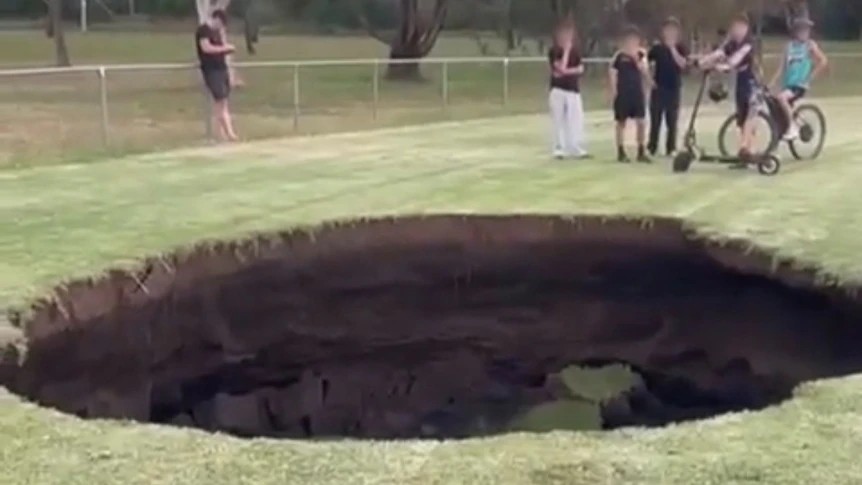
Looks easy to score a hole in one.
Date: 6/01/2026 08:32:45
From: Witty Rejoinder
ID: 2347276
Subject: re: Australian politics - January 2026
SCIENCE said:
Is that a metaphor for Victoria’s state finances?
Date: 6/01/2026 09:22:47
From: SCIENCE
ID: 2347281
Subject: re: Australian politics - January 2026
Witty Rejoinder said:
roughbarked said:
SCIENCE said:
Looks easy to score a hole in one.
Is that a metaphor for Victoria’s state finances?
Wait isn’t Heidelberg in Deutschland¿¡
Date: 6/01/2026 09:26:34
From: Tamb
ID: 2347283
Subject: re: Australian politics - January 2026
SCIENCE said:
Witty Rejoinder said:
roughbarked said:
Looks easy to score a hole in one.
Is that a metaphor for Victoria’s state finances?
Wait isn’t Heidelberg in Deutschland¿¡
Yes. The student Prince was there.
Date: 9/01/2026 15:41:11
From: SCIENCE
ID: 2348437
Subject: re: Australian politics - January 2026
Date: 10/01/2026 08:29:49
From: Divine Angel
ID: 2348660
Subject: re: Australian politics - January 2026
From the “Meanwhile in Australia” facebook page.
Pauline Hanson deleted our comment and blocked our page off her socials because we called out her behaviour and unprofessional letter to the PM regarding her 7 day ban from participating in parliament so I’ll write it here
No you didnt get banned for raising concerns of the Australian people you got banned from the senate for racial discrimination for wearing a cultural garment and weaponising it against people of that faith and inciting hate towards Muslim Australians particularly women.
Why continue to twist the truth to suit your own narrative while using your platform to incite hateful commentary against minorities, discredit your colleagues and cause disruption to real policy reforms. This kind of behaviour lacks morals and integrity but it doesn’t surprise anyone that you continue to behave in this way.
It’s embarrassing you call this a formal letter to the prime minister while calling your constituents bedwetters, this is unprofessional from a sitting senator and laughable you think this is the formal way to address the prime minister.
The ban should stand until such times as you learn how to behave in a manner that is appropriate for a representative of the senate
Recently, we’ve seen comments from her supporters claiming that criticism somehow means we’re “running scared” because of her popularity. In reality, it’s more accurate to say that Pauline Hanson appears uncomfortable when people with larger or more influential platforms challenge the misinformation and false narratives she continues to promote.
Date: 10/01/2026 08:32:45
From: roughbarked
ID: 2348661
Subject: re: Australian politics - January 2026
Divine Angel said:
From the “Meanwhile in Australia” facebook page.
Pauline Hanson deleted our comment and blocked our page off her socials because we called out her behaviour and unprofessional letter to the PM regarding her 7 day ban from participating in parliament so I’ll write it here
No you didnt get banned for raising concerns of the Australian people you got banned from the senate for racial discrimination for wearing a cultural garment and weaponising it against people of that faith and inciting hate towards Muslim Australians particularly women.
Why continue to twist the truth to suit your own narrative while using your platform to incite hateful commentary against minorities, discredit your colleagues and cause disruption to real policy reforms. This kind of behaviour lacks morals and integrity but it doesn’t surprise anyone that you continue to behave in this way.
It’s embarrassing you call this a formal letter to the prime minister while calling your constituents bedwetters, this is unprofessional from a sitting senator and laughable you think this is the formal way to address the prime minister.
The ban should stand until such times as you learn how to behave in a manner that is appropriate for a representative of the senate
Recently, we’ve seen comments from her supporters claiming that criticism somehow means we’re “running scared” because of her popularity. In reality, it’s more accurate to say that Pauline Hanson appears uncomfortable when people with larger or more influential platforms challenge the misinformation and false narratives she continues to promote.
Her supporters are the nutters but she is showing cracks in her management of this said popularity. Nutters are always looking for these apparent weaknesses.
Date: 10/01/2026 08:42:17
From: SCIENCE
ID: 2348663
Subject: re: Australian politics - January 2026
Date: 10/01/2026 09:39:03
From: Witty Rejoinder
ID: 2348665
Subject: re: Australian politics - January 2026
Divine Angel said:
From the “Meanwhile in Australia” facebook page.
Pauline Hanson deleted our comment and blocked our page off her socials because we called out her behaviour and unprofessional letter to the PM regarding her 7 day ban from participating in parliament so I’ll write it here
No you didnt get banned for raising concerns of the Australian people you got banned from the senate for racial discrimination for wearing a cultural garment and weaponising it against people of that faith and inciting hate towards Muslim Australians particularly women.
Why continue to twist the truth to suit your own narrative while using your platform to incite hateful commentary against minorities, discredit your colleagues and cause disruption to real policy reforms. This kind of behaviour lacks morals and integrity but it doesn’t surprise anyone that you continue to behave in this way.
It’s embarrassing you call this a formal letter to the prime minister while calling your constituents bedwetters, this is unprofessional from a sitting senator and laughable you think this is the formal way to address the prime minister.
The ban should stand until such times as you learn how to behave in a manner that is appropriate for a representative of the senate
Recently, we’ve seen comments from her supporters claiming that criticism somehow means we’re “running scared” because of her popularity. In reality, it’s more accurate to say that Pauline Hanson appears uncomfortable when people with larger or more influential platforms challenge the misinformation and false narratives she continues to promote.
We’re need a royal commission!
Date: 10/01/2026 09:44:31
From: roughbarked
ID: 2348666
Subject: re: Australian politics - January 2026
Witty Rejoinder said:
Divine Angel said:
From the “Meanwhile in Australia” facebook page.
Pauline Hanson deleted our comment and blocked our page off her socials because we called out her behaviour and unprofessional letter to the PM regarding her 7 day ban from participating in parliament so I’ll write it here
No you didnt get banned for raising concerns of the Australian people you got banned from the senate for racial discrimination for wearing a cultural garment and weaponising it against people of that faith and inciting hate towards Muslim Australians particularly women.
Why continue to twist the truth to suit your own narrative while using your platform to incite hateful commentary against minorities, discredit your colleagues and cause disruption to real policy reforms. This kind of behaviour lacks morals and integrity but it doesn’t surprise anyone that you continue to behave in this way.
It’s embarrassing you call this a formal letter to the prime minister while calling your constituents bedwetters, this is unprofessional from a sitting senator and laughable you think this is the formal way to address the prime minister.
The ban should stand until such times as you learn how to behave in a manner that is appropriate for a representative of the senate
Recently, we’ve seen comments from her supporters claiming that criticism somehow means we’re “running scared” because of her popularity. In reality, it’s more accurate to say that Pauline Hanson appears uncomfortable when people with larger or more influential platforms challenge the misinformation and false narratives she continues to promote.
We’re need a royal commission!
Think that’s entrain but the issue here is, will the one nation mob and Pauline in particular be under investigation into antsemetic behaviour?
Date: 10/01/2026 09:54:29
From: Michael V
ID: 2348669
Subject: re: Australian politics - January 2026
Divine Angel said:
From the “Meanwhile in Australia” facebook page.
Pauline Hanson deleted our comment and blocked our page off her socials because we called out her behaviour and unprofessional letter to the PM regarding her 7 day ban from participating in parliament so I’ll write it here
No you didnt get banned for raising concerns of the Australian people you got banned from the senate for racial discrimination for wearing a cultural garment and weaponising it against people of that faith and inciting hate towards Muslim Australians particularly women.
Why continue to twist the truth to suit your own narrative while using your platform to incite hateful commentary against minorities, discredit your colleagues and cause disruption to real policy reforms. This kind of behaviour lacks morals and integrity but it doesn’t surprise anyone that you continue to behave in this way.
It’s embarrassing you call this a formal letter to the prime minister while calling your constituents bedwetters, this is unprofessional from a sitting senator and laughable you think this is the formal way to address the prime minister.
The ban should stand until such times as you learn how to behave in a manner that is appropriate for a representative of the senate
Recently, we’ve seen comments from her supporters claiming that criticism somehow means we’re “running scared” because of her popularity. In reality, it’s more accurate to say that Pauline Hanson appears uncomfortable when people with larger or more influential platforms challenge the misinformation and false narratives she continues to promote.
Fair comment.
Date: 12/01/2026 10:57:53
From: Divine Angel
ID: 2349237
Subject: re: Australian politics - January 2026
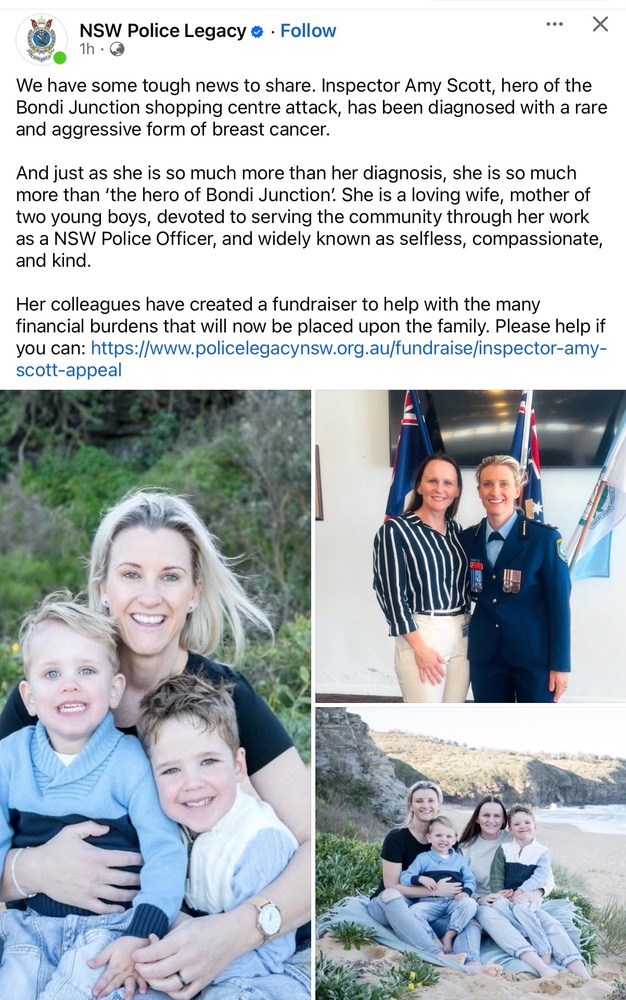
Not politics but I didn’t want it to get lost in chat either
https://www.policelegacynsw.org.au/fundraise/inspector-amy-scott-appeal
Date: 12/01/2026 11:29:52
From: Michael V
ID: 2349249
Subject: re: Australian politics - January 2026
Divine Angel said:
Not politics but I didn’t want it to get lost in chat either
https://www.policelegacynsw.org.au/fundraise/inspector-amy-scott-appeal
Bloody!
:(
Date: 12/01/2026 15:36:55
From: SCIENCE
ID: 2349331
Subject: re: Australian politics - January 2026
Communist Police Statism Comes To Australia
Federal parliament will be recalled early next week to pass stronger hate speech and gun laws in the wake of the Bondi terror attack. If passed, it will give the home affairs minister the power to designate organisations “prohibited hate groups”.
Date: 12/01/2026 15:40:42
From: Cymek
ID: 2349333
Subject: re: Australian politics - January 2026
SCIENCE said:
Communist Police Statism Comes To Australia
Federal parliament will be recalled early next week to pass stronger hate speech and gun laws in the wake of the Bondi terror attack. If passed, it will give the home affairs minister the power to designate organisations “prohibited hate groups”.
Does that include political parties.
Date: 12/01/2026 15:57:29
From: Tau.Neutrino
ID: 2349345
Subject: re: Australian politics - January 2026
Cymek said:
SCIENCE said:
Communist Police Statism Comes To Australia
Federal parliament will be recalled early next week to pass stronger hate speech and gun laws in the wake of the Bondi terror attack. If passed, it will give the home affairs minister the power to designate organisations “prohibited hate groups”.
Does that include political parties.
One Nation is a hate group.
One Nation prohibited.
Date: 12/01/2026 16:02:10
From: captain_spalding
ID: 2349349
Subject: re: Australian politics - January 2026
SCIENCE said:
Communist Police Statism Comes To Australia
Federal parliament will be recalled early next week to pass stronger hate speech and gun laws in the wake of the Bondi terror attack. If passed, it will give the home affairs minister the power to designate organisations “prohibited hate groups”.
Good.
Start with the fucking Nazis, in whatever guise they try to adopt.
Date: 13/01/2026 00:06:11
From: SCIENCE
ID: 2349514
Subject: re: Australian politics - January 2026
Favourite Broadsheet Goes All In On Freedom Of
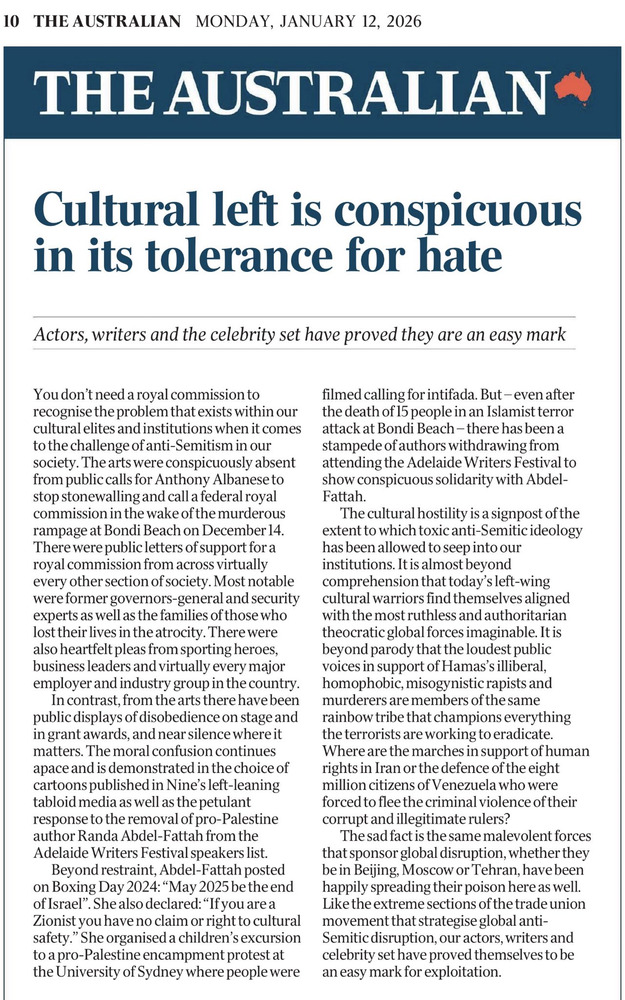
Censorship Just Like It Always Has
wait
Date: 13/01/2026 07:09:53
From: Michael V
ID: 2349531
Subject: re: Australian politics - January 2026
SCIENCE said:
Favourite Broadsheet Goes All In On Freedom Of
Censorship Just Like It Always Has
wait
Well, you know, (whoever you are who didn’t put your name to this article), that if Netanyahu and you, his Zionist backers had done something within your own camp to stop the Zionist-run genocide of Palestinians in Gaza etc, this may not have happened.
Date: 13/01/2026 10:30:55
From: SCIENCE
ID: 2349576
Subject: re: Australian politics - January 2026
Michael V said:
SCIENCE said:
Favourite Broadsheet Goes All In On Freedom Of
Censorship Just Like It Always Has
wait
Well, you know, (whoever you are who didn’t put your name to this article), that if Netanyahu and you, his Zionist backers had done something within your own camp to stop the Zionist-run genocide of Palestinians in Gaza etc, this may not have happened.
pretty sure their points are always that Islamists are bad so Islam is bad and Muslims are responsible for the persecution of the most persecuted people in the world because CHINA is bad and CHINA is genociding 1000000000 poor innocent Muslims and ASIANS should go back to where they came from and
wait
https://www.abc.net.au/news/2026-01-13/the-gambia-myanmar-genocide-case-icj-the-hague/106222734
Buddhists Bad
Date: 13/01/2026 11:37:33
From: dv
ID: 2349624
Subject: re: Australian politics - January 2026
Victorian Liberal Michael Horner, who was formerly part of Peter Dutton’s team, has launched a polling and analysis firm called Fox & Hedgehog.
Their first federal poll of this year has ALP ahead 53-47.
They took the unusual but interesting step of including an ALP vs One Nation head to head, which came out at 56 – 44 in ALP’s favour.
In the primary polling, One Nation got 21%, which is quite a lot.
Date: 13/01/2026 11:39:34
From: Cymek
ID: 2349625
Subject: re: Australian politics - January 2026
dv said:
Victorian Liberal Michael Horner, who was formerly part of Peter Dutton’s team, has launched a polling and analysis firm called Fox & Hedgehog.
Their first federal poll of this year has ALP ahead 53-47.
They took the unusual but interesting step of including an ALP vs One Nation head to head, which came out at 56 – 44 in ALP’s favour.
In the primary polling, One Nation got 21%, which is quite a lot.
Can see that reflected in comments regarding Pauline
Popular amongst those who consider they are doing it hard and blaming it on immigrants
Date: 13/01/2026 11:43:10
From: roughbarked
ID: 2349627
Subject: re: Australian politics - January 2026
Cymek said:
dv said:
Victorian Liberal Michael Horner, who was formerly part of Peter Dutton’s team, has launched a polling and analysis firm called Fox & Hedgehog.
Their first federal poll of this year has ALP ahead 53-47.
They took the unusual but interesting step of including an ALP vs One Nation head to head, which came out at 56 – 44 in ALP’s favour.
In the primary polling, One Nation got 21%, which is quite a lot.
Can see that reflected in comments regarding Pauline
Popular amongst those who consider they are doing it hard and blaming it on immigrants
The kind that call daylight savings the devils time. Has to be because the alternative is gods time.
Date: 13/01/2026 12:49:06
From: dv
ID: 2349667
Subject: re: Australian politics - January 2026
Did we talking about Rudd resigning as ambassador to the US?
Be interesting to see who the replacement is. Not the plum job it once was…
Date: 13/01/2026 12:51:59
From: captain_spalding
ID: 2349668
Subject: re: Australian politics - January 2026
dv said:
Did we talking about Rudd resigning as ambassador to the US?
Be interesting to see who the replacement is. Not the plum job it once was…
give it to Scott Morrison.
He and Trump deserve each other.
Date: 13/01/2026 12:52:24
From: Cymek
ID: 2349669
Subject: re: Australian politics - January 2026
dv said:
Did we talking about Rudd resigning as ambassador to the US?
Be interesting to see who the replacement is. Not the plum job it once was…
Kyle Sandilands apparently
Not quite at Trump’s level of turdness but getting there
Date: 13/01/2026 12:54:13
From: Peak Warming Man
ID: 2349670
Subject: re: Australian politics - January 2026
dv said:
Did we talking about Rudd resigning as ambassador to the US?
Be interesting to see who the replacement is. Not the plum job it once was…
I mentioned it.
Date: 13/01/2026 13:02:24
From: Peak Warming Man
ID: 2349671
Subject: re: Australian politics - January 2026
Peak Warming Man said:
dv said:
Did we talking about Rudd resigning as ambassador to the US?
Be interesting to see who the replacement is. Not the plum job it once was…
I mentioned it.
The ABC is covering his resignation speech at 1pm, they said they’ll delay the 7pm news.
Date: 13/01/2026 13:04:40
From: dv
ID: 2349673
Subject: re: Australian politics - January 2026
Peak Warming Man said:
Peak Warming Man said:
dv said:
Did we talking about Rudd resigning as ambassador to the US?
Be interesting to see who the replacement is. Not the plum job it once was…
I mentioned it.
The ABC is covering his resignation speech at 1pm, they said they’ll delay the 7pm news.
He’s such an odd fellow.
He could have had a good run as PM if he’d listened to people around him.
Date: 13/01/2026 13:57:14
From: Divine Angel
ID: 2349687
Subject: re: Australian politics - January 2026
Look, I know it’s Murdoch news, buuuuut this is fkn hilarious.
“A former Labor frontbencher who once described President Donald Trump as “moronically stupid” is a leading candidate to replace Kevin Rudd as an ambassador.
But the tough-talking former Labor headkicker is an equal-opportunity attacker, also previously slamming Mr Rudd as having “contempt for the cabinet” amid the bruising leadership battle with Julia Gillard.
Stephen Conroy is the man most likely to replace Kevin Rudd, according to cabinet ministers who spoke to news.com.au on the condition of anonymity.”
Date: 13/01/2026 14:09:53
From: Michael V
ID: 2349690
Subject: re: Australian politics - January 2026
Peak Warming Man said:
Peak Warming Man said:
dv said:
Did we talking about Rudd resigning as ambassador to the US?
Be interesting to see who the replacement is. Not the plum job it once was…
I mentioned it.
The ABC is covering his resignation speech at 1pm, they said they’ll delay the 7pm news.
LOL
Date: 13/01/2026 14:31:13
From: Peak Warming Man
ID: 2349696
Subject: re: Australian politics - January 2026
Divine Angel said:
Look, I know it’s Murdoch news, buuuuut this is fkn hilarious.
“A former Labor frontbencher who once described President Donald Trump as “moronically stupid” is a leading candidate to replace Kevin Rudd as an ambassador.
But the tough-talking former Labor headkicker is an equal-opportunity attacker, also previously slamming Mr Rudd as having “contempt for the cabinet” amid the bruising leadership battle with Julia Gillard.
Stephen Conroy is the man most likely to replace Kevin Rudd, according to cabinet ministers who spoke to news.com.au on the condition of anonymity.”
They are more likely to go with another former Labour leader in Mark Latham.
Date: 13/01/2026 14:39:59
From: SCIENCE
ID: 2349699
Subject: re: Australian politics - January 2026
Date: 13/01/2026 15:12:51
From: SCIENCE
ID: 2349710
Subject: re: Australian politics - January 2026
could …
Mr Malinauskas said he had faced criticism “for being too strong” and “for not being strong enough”. “On all these things, I do my best to settle my conscience and offer a view that I believe is consistent with the interests of compassion and advancing the cause of people treating each other with decency and humanity, regardless of their background, “ he said as he choked back tears.
… couldn’t they have just done their best to settle the logic and offer a view that is consistent with reason and reality and point out the hypocrisy in the screams for cancellation of the previous year contrasted with the screams of being cancelled this year
instead of going on feelings and conscience and emotional
Date: 13/01/2026 15:19:32
From: Peak Warming Man
ID: 2349715
Subject: re: Australian politics - January 2026
We need to talk about Kevin.
Date: 13/01/2026 15:26:45
From: SCIENCE
ID: 2349721
Subject: re: Australian politics - January 2026
so
Directly quoting from a religious text for the purpose of teaching or discussion may provide a defence under the federal government’s hate speech laws proposed in the wake of the Bondi terror attack. A draft of the Combating Antisemitism, Hate and Extremism Bill, seen by the ABC, creates a new federal offence making it illegal to publicly promote or incite racial hatred where the conduct would cause a reasonable person to feel intimidated, harassed or fear violence. The legislation includes a narrow defence where the speech, writing or other form of public gesture was solely quoting religious texts for the purpose of religious teaching or discussion. Prime Minister Anthony Albanese on Tuesday used the Old Testament of the Bible to explain the carve out, saying the laws would set a “principles-based test” for conduct and speech that incited racial hatred toward another person or group. “I encourage you to read the Old Testament and see what’s there and see if you outlaw that, what would occur,” he said. “So we need to be careful — we consulted with faith groups, not just with the Jewish community. “We want to make sure there’s the broadest possible support for this legislation but we also want to make sure that there isn’t unintended consequences of the legislation.”
they want to defend religious bigotry
Date: 13/01/2026 15:28:27
From: Divine Angel
ID: 2349724
Subject: re: Australian politics - January 2026
Peak Warming Man said:
Peak Warming Man said:
dv said:
Did we talking about Rudd resigning as ambassador to the US?
Be interesting to see who the replacement is. Not the plum job it once was…
I mentioned it.
The ABC is covering his resignation speech at 1pm, they said they’ll delay the 7pm news.
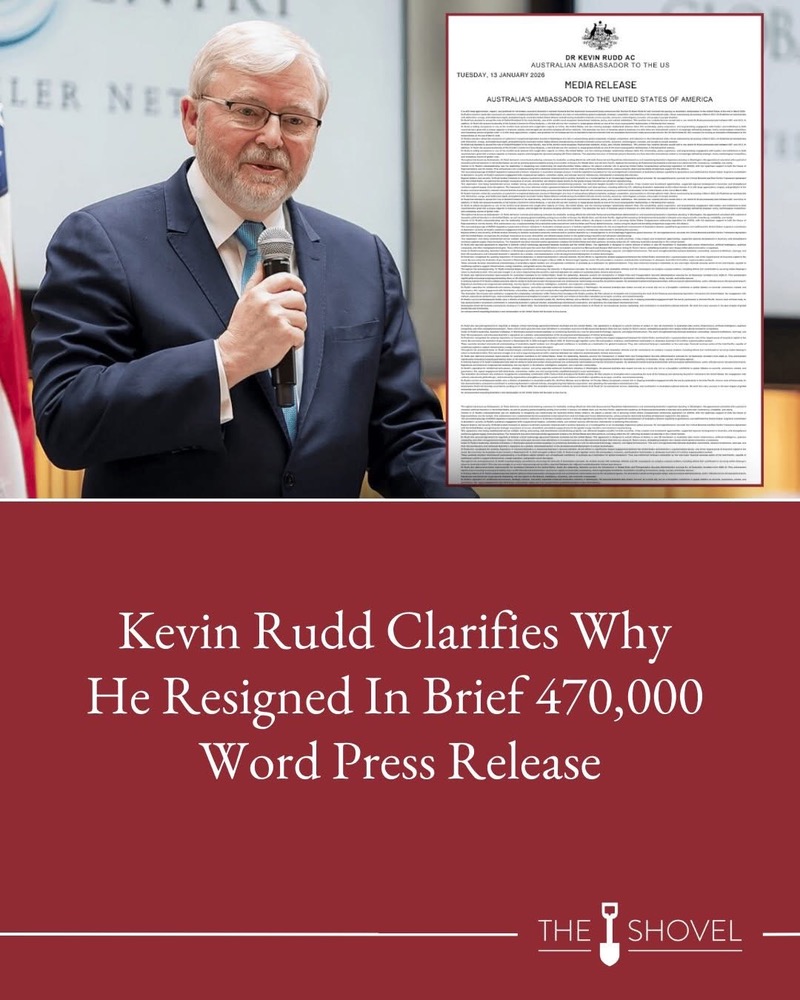
Date: 13/01/2026 15:32:19
From: Cymek
ID: 2349728
Subject: re: Australian politics - January 2026
SCIENCE said:
so
Directly quoting from a religious text for the purpose of teaching or discussion may provide a defence under the federal government’s hate speech laws proposed in the wake of the Bondi terror attack. A draft of the Combating Antisemitism, Hate and Extremism Bill, seen by the ABC, creates a new federal offence making it illegal to publicly promote or incite racial hatred where the conduct would cause a reasonable person to feel intimidated, harassed or fear violence. The legislation includes a narrow defence where the speech, writing or other form of public gesture was solely quoting religious texts for the purpose of religious teaching or discussion. Prime Minister Anthony Albanese on Tuesday used the Old Testament of the Bible to explain the carve out, saying the laws would set a “principles-based test” for conduct and speech that incited racial hatred toward another person or group. “I encourage you to read the Old Testament and see what’s there and see if you outlaw that, what would occur,” he said. “So we need to be careful — we consulted with faith groups, not just with the Jewish community. “We want to make sure there’s the broadest possible support for this legislation but we also want to make sure that there isn’t unintended consequences of the legislation.”
they want to defend religious bigotry
Don’t they always, freedom for religion but not freedom from religion.
Date: 13/01/2026 15:34:22
From: Woodie
ID: 2349730
Subject: re: Australian politics - January 2026
Peak Warming Man said:
We need to talk about Kevin.
He’s grown a beard.
Date: 13/01/2026 15:37:27
From: Witty Rejoinder
ID: 2349731
Subject: re: Australian politics - January 2026
SCIENCE said:
so
Directly quoting from a religious text for the purpose of teaching or discussion may provide a defence under the federal government’s hate speech laws proposed in the wake of the Bondi terror attack. A draft of the Combating Antisemitism, Hate and Extremism Bill, seen by the ABC, creates a new federal offence making it illegal to publicly promote or incite racial hatred where the conduct would cause a reasonable person to feel intimidated, harassed or fear violence. The legislation includes a narrow defence where the speech, writing or other form of public gesture was solely quoting religious texts for the purpose of religious teaching or discussion. Prime Minister Anthony Albanese on Tuesday used the Old Testament of the Bible to explain the carve out, saying the laws would set a “principles-based test” for conduct and speech that incited racial hatred toward another person or group. “I encourage you to read the Old Testament and see what’s there and see if you outlaw that, what would occur,” he said. “So we need to be careful — we consulted with faith groups, not just with the Jewish community. “We want to make sure there’s the broadest possible support for this legislation but we also want to make sure that there isn’t unintended consequences of the legislation.”
they want to defend religious bigotry
Hopefully the good Samaritan was stoned by a mob the next town over.
Date: 13/01/2026 15:56:38
From: roughbarked
ID: 2349747
Subject: re: Australian politics - January 2026
SCIENCE said:
so
Directly quoting from a religious text for the purpose of teaching or discussion may provide a defence under the federal government’s hate speech laws proposed in the wake of the Bondi terror attack. A draft of the Combating Antisemitism, Hate and Extremism Bill, seen by the ABC, creates a new federal offence making it illegal to publicly promote or incite racial hatred where the conduct would cause a reasonable person to feel intimidated, harassed or fear violence. The legislation includes a narrow defence where the speech, writing or other form of public gesture was solely quoting religious texts for the purpose of religious teaching or discussion. Prime Minister Anthony Albanese on Tuesday used the Old Testament of the Bible to explain the carve out, saying the laws would set a “principles-based test” for conduct and speech that incited racial hatred toward another person or group. “I encourage you to read the Old Testament and see what’s there and see if you outlaw that, what would occur,” he said. “So we need to be careful — we consulted with faith groups, not just with the Jewish community. “We want to make sure there’s the broadest possible support for this legislation but we also want to make sure that there isn’t unintended consequences of the legislation.”
they want to defend religious bigotry
Religious bigotry should be confnied to the church. Why does it have to be out in the community.
They are all able to rave on with their bullshit inside their cgurch. There should be none of it out in the community.
They can do their good works in the community but they should not be advertising their church.
Date: 13/01/2026 15:57:12
From: Michael V
ID: 2349748
Subject: re: Australian politics - January 2026
Divine Angel said:
Peak Warming Man said:
Peak Warming Man said:
I mentioned it.
The ABC is covering his resignation speech at 1pm, they said they’ll delay the 7pm news.
LOL
Date: 13/01/2026 16:59:25
From: Bubblecar
ID: 2349771
Subject: re: Australian politics - January 2026
Doesn’t seem very convincing:
Neo-Nazi group National Socialist Network says it will disband due to proposed hate speech laws
https://www.abc.net.au/news/2026-01-13/neo-nazi-group-national-socialist-network-to-disband/106225638
Date: 13/01/2026 17:00:28
From: SCIENCE
ID: 2349774
Subject: re: Australian politics - January 2026
Bubblecar said:
Doesn’t seem very convincing:
Neo-Nazi group National Socialist Network says it will disband due to proposed hate speech laws
https://www.abc.net.au/news/2026-01-13/neo-nazi-group-national-socialist-network-to-disband/106225638
well that’s the problem with laws isn’t it they don’t work they just drive criminals underground and in the long run there’s more crime so we should just give them freedom instead of threatening to lock them up
Date: 13/01/2026 17:01:51
From: dv
ID: 2349778
Subject: re: Australian politics - January 2026
Swap one Kevin for another. What is Mr Wilson up to?
Date: 13/01/2026 17:07:10
From: dv
ID: 2349784
Subject: re: Australian politics - January 2026
SCIENCE said:
so
Directly quoting from a religious text for the purpose of teaching or discussion may provide a defence under the federal government’s hate speech laws proposed in the wake of the Bondi terror attack. A draft of the Combating Antisemitism, Hate and Extremism Bill, seen by the ABC, creates a new federal offence making it illegal to publicly promote or incite racial hatred where the conduct would cause a reasonable person to feel intimidated, harassed or fear violence. The legislation includes a narrow defence where the speech, writing or other form of public gesture was solely quoting religious texts for the purpose of religious teaching or discussion. Prime Minister Anthony Albanese on Tuesday used the Old Testament of the Bible to explain the carve out, saying the laws would set a “principles-based test” for conduct and speech that incited racial hatred toward another person or group. “I encourage you to read the Old Testament and see what’s there and see if you outlaw that, what would occur,” he said. “So we need to be careful — we consulted with faith groups, not just with the Jewish community. “We want to make sure there’s the broadest possible support for this legislation but we also want to make sure that there isn’t unintended consequences of the legislation.”
they want to defend religious bigotry
Those Moabites should lawyer up
Date: 13/01/2026 17:08:51
From: Divine Angel
ID: 2349785
Subject: re: Australian politics - January 2026
Bubblecar said:
Doesn’t seem very convincing:
Neo-Nazi group National Socialist Network says it will disband due to proposed hate speech laws
https://www.abc.net.au/news/2026-01-13/neo-nazi-group-national-socialist-network-to-disband/106225638
They’ll just go underground.
Date: 13/01/2026 17:13:40
From: SCIENCE
ID: 2349788
Subject: re: Australian politics - January 2026
Divine Angel said:
Bubblecar said:
Doesn’t seem very convincing:
Neo-Nazi group National Socialist Network says it will disband due to proposed hate speech laws
https://www.abc.net.au/news/2026-01-13/neo-nazi-group-national-socialist-network-to-disband/106225638
They’ll just go underground.
is that better or worse than overt fascism
Date: 13/01/2026 17:36:25
From: roughbarked
ID: 2349798
Subject: re: Australian politics - January 2026
Divine Angel said:
Bubblecar said:
Doesn’t seem very convincing:
Neo-Nazi group National Socialist Network says it will disband due to proposed hate speech laws
https://www.abc.net.au/news/2026-01-13/neo-nazi-group-national-socialist-network-to-disband/106225638
They’ll just go underground.
They were there before. We only noticed them because they were gathering in groups.
Date: 13/01/2026 17:37:32
From: roughbarked
ID: 2349799
Subject: re: Australian politics - January 2026
SCIENCE said:
Divine Angel said:
Bubblecar said:
Doesn’t seem very convincing:
Neo-Nazi group National Socialist Network says it will disband due to proposed hate speech laws
https://www.abc.net.au/news/2026-01-13/neo-nazi-group-national-socialist-network-to-disband/106225638
They’ll just go underground.
is that better or worse than overt fascism
Fascism is what it is, underground or in the open.
Date: 13/01/2026 17:41:06
From: roughbarked
ID: 2349801
Subject: re: Australian politics - January 2026
roughbarked said:
SCIENCE said:
Divine Angel said:
They’ll just go underground.
is that better or worse than overt fascism
Fascism is what it is, underground or in the open.
“If the laws pass, there will no way to avoid the organisation being banned,” the statement said.
“This disbandment is being done before the laws take effect to avoid former members of the organisations from being arrested and charged.”
> They are not going to stop being Fascists. They are simply attempting to avoid arrest. Personally, they should all be arrested for
what they have done in recent years. Which was being public and recruiting.
Date: 13/01/2026 17:55:37
From: Michael V
ID: 2349805
Subject: re: Australian politics - January 2026
dv said:
Swap one Kevin for another. What is Mr Wilson up to?
Bloody!
Date: 13/01/2026 18:00:14
From: Michael V
ID: 2349813
Subject: re: Australian politics - January 2026
dv said:
SCIENCE said:
so
Directly quoting from a religious text for the purpose of teaching or discussion may provide a defence under the federal government’s hate speech laws proposed in the wake of the Bondi terror attack. A draft of the Combating Antisemitism, Hate and Extremism Bill, seen by the ABC, creates a new federal offence making it illegal to publicly promote or incite racial hatred where the conduct would cause a reasonable person to feel intimidated, harassed or fear violence. The legislation includes a narrow defence where the speech, writing or other form of public gesture was solely quoting religious texts for the purpose of religious teaching or discussion. Prime Minister Anthony Albanese on Tuesday used the Old Testament of the Bible to explain the carve out, saying the laws would set a “principles-based test” for conduct and speech that incited racial hatred toward another person or group. “I encourage you to read the Old Testament and see what’s there and see if you outlaw that, what would occur,” he said. “So we need to be careful — we consulted with faith groups, not just with the Jewish community. “We want to make sure there’s the broadest possible support for this legislation but we also want to make sure that there isn’t unintended consequences of the legislation.”
they want to defend religious bigotry
Those Moabites should lawyer up
And the Ammonites, too. I have an ammonite here, that I picked up at Glastonbury Abbey.
Date: 13/01/2026 20:18:22
From: roughbarked
ID: 2349838
Subject: re: Australian politics - January 2026
Here we go. The right faction are tightening the screws on Sussan.

Date: 13/01/2026 20:21:15
From: roughbarked
ID: 2349839
Subject: re: Australian politics - January 2026
Date: 13/01/2026 20:27:46
From: roughbarked
ID: 2349840
Subject: re: Australian politics - January 2026
roughbarked said:
roughbarked said:
Here we go. The right faction are tightening the screws on Sussan.
https://www.abc.net.au/news/2026-01-13/liberals-split-over-proposed-hate-speech-laws/106224248
This concept of freedom of speech, really requires freedom of response. The sort of thing that wasn’t allowed to happen in Aselaide.
Date: 13/01/2026 20:28:14
From: Tau.Neutrino
ID: 2349841
Subject: re: Australian politics - January 2026
roughbarked said:
roughbarked said:
Here we go. The right faction are tightening the screws on Sussan.
https://www.abc.net.au/news/2026-01-13/liberals-split-over-proposed-hate-speech-laws/106224248
Sounds like some libs want to hold onto “freedom to hate”.
Date: 13/01/2026 20:28:21
From: roughbarked
ID: 2349842
Subject: re: Australian politics - January 2026
roughbarked said:
roughbarked said:
roughbarked said:
Here we go. The right faction are tightening the screws on Sussan.
https://www.abc.net.au/news/2026-01-13/liberals-split-over-proposed-hate-speech-laws/106224248
This concept of freedom of speech, really requires freedom of response. The sort of thing that wasn’t allowed to happen in Aselaide.
Adelaide.
Date: 13/01/2026 20:32:10
From: roughbarked
ID: 2349843
Subject: re: Australian politics - January 2026
Tau.Neutrino said:
roughbarked said:
roughbarked said:
Here we go. The right faction are tightening the screws on Sussan.
https://www.abc.net.au/news/2026-01-13/liberals-split-over-proposed-hate-speech-laws/106224248
Sounds like some libs want to hold onto “freedom to hate”.
The freedom of speech means tthat if you feel free to spout hate, you should be allowed to. But this is in part why the UN and NATO was started. We never really wanted to hear that kind of speech again and yet, here we are.
Date: 13/01/2026 20:33:22
From: roughbarked
ID: 2349844
Subject: re: Australian politics - January 2026
roughbarked said:
Tau.Neutrino said:
roughbarked said:
https://www.abc.net.au/news/2026-01-13/liberals-split-over-proposed-hate-speech-laws/106224248
Sounds like some libs want to hold onto “freedom to hate”.
The freedom of speech means tthat if you feel free to spout hate, you should be allowed to. But this is in part why the UN and NATO was started. We never really wanted to hear that kind of speech again and yet, here we are.
I meant to say, “to them, the freedom of speech….”
Date: 13/01/2026 20:36:47
From: SCIENCE
ID: 2349845
Subject: re: Australian politics - January 2026
roughbarked said:
roughbarked said:
roughbarked said:
Here we go. The right faction are tightening the screws on Sussan.
https://www.abc.net.au/news/2026-01-13/liberals-split-over-proposed-hate-speech-laws/106224248
This concept of freedom of speech, really requires freedom of response. The sort of thing that wasn’t allowed to happen in Aselaide.
why what happened in Adelaide Asciiade whatever
oh wait
“We’ve had a succession of dramas of this sort where political interference and donors and lobby groups have been able to come in and have an influence and an effect on what is programmed and what is not programmed,” she said. Many of those campaigns have taken place against Palestinian authors or artists. “There has certainly been a history dating back to 2023 of lobbyists, pro-Israel lobbyists, arguing against the inclusion of Palestinian writers In the festivals that I’ve directed,” she said. “They were assisted and abetted by the Murdoch press in a campaign to silence particular Palestinian writers who came to writers’ week in 2023 and conducted themselves with civility, respect, and empathy.”
wait
wait we thought this was all just opportunistic antisemitism in the wake of a Bondi massacre
wait
Date: 13/01/2026 20:41:57
From: roughbarked
ID: 2349846
Subject: re: Australian politics - January 2026
SCIENCE said:
roughbarked said:
roughbarked said:
https://www.abc.net.au/news/2026-01-13/liberals-split-over-proposed-hate-speech-laws/106224248
This concept of freedom of speech, really requires freedom of response. The sort of thing that wasn’t allowed to happen in Aselaide.
why what happened in Adelaide Asciiade whatever
oh wait
“We’ve had a succession of dramas of this sort where political interference and donors and lobby groups have been able to come in and have an influence and an effect on what is programmed and what is not programmed,” she said. Many of those campaigns have taken place against Palestinian authors or artists. “There has certainly been a history dating back to 2023 of lobbyists, pro-Israel lobbyists, arguing against the inclusion of Palestinian writers In the festivals that I’ve directed,” she said. “They were assisted and abetted by the Murdoch press in a campaign to silence particular Palestinian writers who came to writers’ week in 2023 and conducted themselves with civility, respect, and empathy.”
wait
wait we thought this was all just opportunistic antisemitism in the wake of a Bondi massacre
wait
Steady there laddie.
Date: 13/01/2026 20:45:20
From: roughbarked
ID: 2349847
Subject: re: Australian politics - January 2026
roughbarked said:
SCIENCE said:
roughbarked said:
This concept of freedom of speech, really requires freedom of response. The sort of thing that wasn’t allowed to happen in Aselaide.
why what happened in Adelaide Asciiade whatever
oh wait
“We’ve had a succession of dramas of this sort where political interference and donors and lobby groups have been able to come in and have an influence and an effect on what is programmed and what is not programmed,” she said. Many of those campaigns have taken place against Palestinian authors or artists. “There has certainly been a history dating back to 2023 of lobbyists, pro-Israel lobbyists, arguing against the inclusion of Palestinian writers In the festivals that I’ve directed,” she said. “They were assisted and abetted by the Murdoch press in a campaign to silence particular Palestinian writers who came to writers’ week in 2023 and conducted themselves with civility, respect, and empathy.”
wait
wait we thought this was all just opportunistic antisemitism in the wake of a Bondi massacre
wait
Steady there laddie.
Adelaide Writers’ Week may have been cancelled, but Louise Adler, who on Tuesday morning resigned as director, has described its collapse as a landmark moment, while taking aim at those who engage in acts of censorship.
Date: 13/01/2026 21:20:37
From: SCIENCE
ID: 2349857
Subject: re: Australian politics - January 2026
roughbarked said:
roughbarked said:
SCIENCE said:
why what happened in Adelaide Asciiade whatever
oh wait
“We’ve had a succession of dramas of this sort where political interference and donors and lobby groups have been able to come in and have an influence and an effect on what is programmed and what is not programmed,” she said. Many of those campaigns have taken place against Palestinian authors or artists. “There has certainly been a history dating back to 2023 of lobbyists, pro-Israel lobbyists, arguing against the inclusion of Palestinian writers In the festivals that I’ve directed,” she said. “They were assisted and abetted by the Murdoch press in a campaign to silence particular Palestinian writers who came to writers’ week in 2023 and conducted themselves with civility, respect, and empathy.”
wait
wait we thought this was all just opportunistic antisemitism in the wake of a Bondi massacre
wait
Steady there laddie.
Adelaide Writers’ Week may have been cancelled, but Louise Adler, who on Tuesday morning resigned as director, has described its collapse as a landmark moment, while taking aim at those who engage in acts of censorship.
so do they think we should welcome voices of hate or not
Date: 13/01/2026 21:22:52
From: roughbarked
ID: 2349858
Subject: re: Australian politics - January 2026
SCIENCE said:
roughbarked said:
roughbarked said:
Steady there laddie.
Adelaide Writers’ Week may have been cancelled, but Louise Adler, who on Tuesday morning resigned as director, has described its collapse as a landmark moment, while taking aim at those who engage in acts of censorship.
so do they think we should welcome voices of hate or not
I think you know the answer to that. I don’t know why you are asking.
Date: 13/01/2026 22:27:08
From: party_pants
ID: 2349876
Subject: re: Australian politics - January 2026
Blessed shall he be who takes your little ones and dashes them against the rocks.
———————-
I am allowed to say this without it being classified as hate speech because it’s Psalm 137:9
Date: 13/01/2026 22:37:15
From: SCIENCE
ID: 2349878
Subject: re: Australian politics - January 2026
roughbarked said:
SCIENCE said:
roughbarked said:
Adelaide Writers’ Week may have been cancelled, but Louise Adler, who on Tuesday morning resigned as director, has described its collapse as a landmark moment, while taking aim at those who engage in acts of censorship.
so do they think we should welcome voices of hate or not
I think you know the answer to that. I don’t know why you are asking.
we don’t know the answer to that — we don’t know what they think
we’re asking because we want to know where they delineate rights of free speech — whether they weigh them against other rights andor legal requirements andor restrictions — whether their vehement defense of free speech extends to defending free speech against themselves
Date: 13/01/2026 23:13:14
From: SCIENCE
ID: 2349886
Subject: re: Australian politics - January 2026
alleged
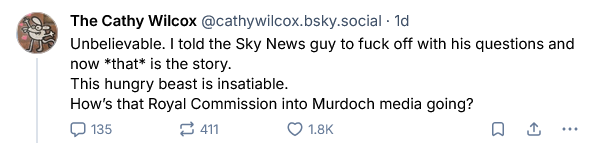
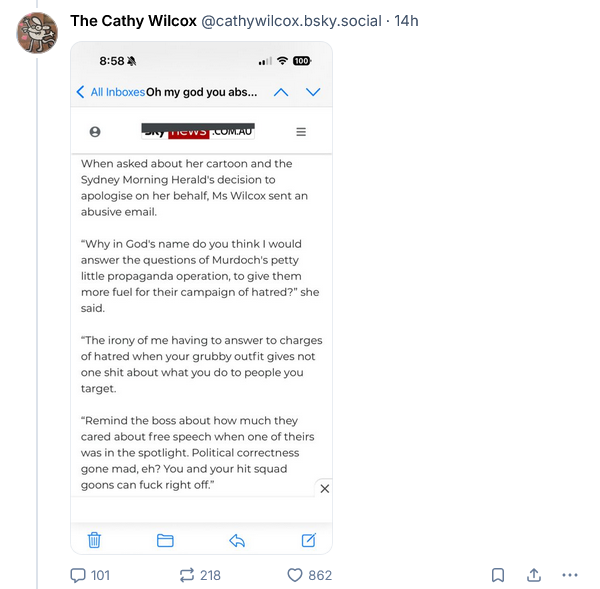
and relevant to the free speech apologistdefenders
Date: 14/01/2026 06:17:18
From: roughbarked
ID: 2349904
Subject: re: Australian politics - January 2026
SCIENCE said:
roughbarked said:
SCIENCE said:
so do they think we should welcome voices of hate or not
I think you know the answer to that. I don’t know why you are asking.
we don’t know the answer to that — we don’t know what they think
we’re asking because we want to know where they delineate rights of free speech — whether they weigh them against other rights andor legal requirements andor restrictions — whether their vehement defense of free speech extends to defending free speech against themselves
However, it isn’t up to me to solve your riddle.
In my world speech has mever been free. It costs to speak. There’s a;ways a cost.
Date: 14/01/2026 08:48:22
From: SCIENCE
ID: 2349910
Subject: re: Australian politics - January 2026
roughbarked said:
SCIENCE said:
roughbarked said:
I think you know the answer to that. I don’t know why you are asking.
we don’t know the answer to that — we don’t know what they think
we’re asking because we want to know where they delineate rights of free speech — whether they weigh them against other rights andor legal requirements andor restrictions — whether their vehement defense of free speech extends to defending free speech against themselves
However, it isn’t up to me to solve your riddle.
In my world speech has mever been free. It costs to speak. There’s a;ways a cost.
yes — we agree y6kuuuûuh
Date: 14/01/2026 09:35:56
From: SCIENCE
ID: 2349915
Subject: re: Australian politics - January 2026
SCIENCE said:
roughbarked said:
SCIENCE said:
we don’t know the answer to that — we don’t know what they think
we’re asking because we want to know where they delineate rights of free speech — whether they weigh them against other rights andor legal requirements andor restrictions — whether their vehement defense of free speech extends to defending free speech against themselves
However, it isn’t up to me to solve your riddle.
In my world speech has mever been free. It costs to speak. There’s a;ways a cost.
yes — we agree y6kuuuûuh
sorry that was our secret pasfreiz please don’t try it to login
Date: 14/01/2026 11:34:46
From: SCIENCE
ID: 2349945
Subject: re: Australian politics - January 2026
Divine Angel said:
Randa Abdel-Fattah, whose scheduled appearance at the Adelaide Writers’ Week was cancelled, says her lawyers have issued a concerns notice to South Australian Premier Peter Malinauskas under the Defamation Act.
The Adelaide Festival board said the AWW would not go ahead on Tuesday and the remaining members of the board would be resigning.
so is this good or bad
Date: 14/01/2026 11:36:24
From: Witty Rejoinder
ID: 2349946
Subject: re: Australian politics - January 2026
SCIENCE said:
Divine Angel said:
Randa Abdel-Fattah, whose scheduled appearance at the Adelaide Writers’ Week was cancelled, says her lawyers have issued a concerns notice to South Australian Premier Peter Malinauskas under the Defamation Act.
The Adelaide Festival board said the AWW would not go ahead on Tuesday and the remaining members of the board would be resigning.
so is this good or bad
You first.
Date: 14/01/2026 11:46:06
From: Divine Angel
ID: 2349951
Subject: re: Australian politics - January 2026
SCIENCE said:
Divine Angel said:
Randa Abdel-Fattah, whose scheduled appearance at the Adelaide Writers’ Week was cancelled, says her lawyers have issued a concerns notice to South Australian Premier Peter Malinauskas under the Defamation Act.
The Adelaide Festival board said the AWW would not go ahead on Tuesday and the remaining members of the board would be resigning.
so is this good or bad
Holding someone to account for talking shit is a good thing.
Did he actually talk shit about her, or was he making a general comment? I don’t know enough about her, or what he said, to make an informed opinion.
Date: 14/01/2026 11:52:14
From: Witty Rejoinder
ID: 2349952
Subject: re: Australian politics - January 2026
Divine Angel said:
SCIENCE said:
Divine Angel said:
Randa Abdel-Fattah, whose scheduled appearance at the Adelaide Writers’ Week was cancelled, says her lawyers have issued a concerns notice to South Australian Premier Peter Malinauskas under the Defamation Act.
The Adelaide Festival board said the AWW would not go ahead on Tuesday and the remaining members of the board would be resigning.
so is this good or bad
Holding someone to account for talking shit is a good thing.
Did he actually talk shit about her, or was he making a general comment? I don’t know enough about her, or what he said, to make an informed opinion.
Well you’re no fun…
Date: 14/01/2026 12:07:47
From: Tau.Neutrino
ID: 2349954
Subject: re: Australian politics - January 2026
roughbarked said:
Tau.Neutrino said:
roughbarked said:
https://www.abc.net.au/news/2026-01-13/liberals-split-over-proposed-hate-speech-laws/106224248
Sounds like some libs want to hold onto “freedom to hate”.
The freedom of speech means tthat if you feel free to spout hate, you should be allowed to. But this is in part why the UN and NATO was started. We never really wanted to hear that kind of speech again and yet, here we are.
Yes, but why should people hear or read about hate when it’s offensive.?
Date: 14/01/2026 12:10:54
From: Divine Angel
ID: 2349955
Subject: re: Australian politics - January 2026
Tau.Neutrino said:
roughbarked said:
Tau.Neutrino said:
Sounds like some libs want to hold onto “freedom to hate”.
The freedom of speech means tthat if you feel free to spout hate, you should be allowed to. But this is in part why the UN and NATO was started. We never really wanted to hear that kind of speech again and yet, here we are.
Yes, but why should people hear or read about hate when it’s offensive.?
Because snowflakes are offended by everything. We live in a world where some people don’t want peace. They’ll find fault with anything.
Date: 14/01/2026 12:14:43
From: Cymek
ID: 2349956
Subject: re: Australian politics - January 2026
Tau.Neutrino said:
roughbarked said:
Tau.Neutrino said:
Sounds like some libs want to hold onto “freedom to hate”.
The freedom of speech means tthat if you feel free to spout hate, you should be allowed to. But this is in part why the UN and NATO was started. We never really wanted to hear that kind of speech again and yet, here we are.
Yes, but why should people hear or read about hate when it’s offensive.?
People get confused about equality I think.
It doesn’t or shouldn’t include hatred (everyone is included in this regardless if you are part of a minority group)
It achieves nothing and to be blunt its for the simple minded.
That being said its understandable the hatred exists as I’d be pretty angry if my people were considered second rate and not valued.
Date: 14/01/2026 12:26:10
From: furious
ID: 2349960
Subject: re: Australian politics - January 2026
Divine Angel said:
SCIENCE said:
Divine Angel said:
Randa Abdel-Fattah, whose scheduled appearance at the Adelaide Writers’ Week was cancelled, says her lawyers have issued a concerns notice to South Australian Premier Peter Malinauskas under the Defamation Act.
The Adelaide Festival board said the AWW would not go ahead on Tuesday and the remaining members of the board would be resigning.
so is this good or bad
Holding someone to account for talking shit is a good thing.
Did he actually talk shit about her, or was he making a general comment? I don’t know enough about her, or what he said, to make an informed opinion.
But weren’t they just holding Randa to account for some of the things Randa said? I am not fully across it but I have seen some dubious things Randa may have said that might be considered insensitive in the wake of a terror attack…
Date: 14/01/2026 12:32:16
From: Cymek
ID: 2349962
Subject: re: Australian politics - January 2026
furious said:
Divine Angel said:
SCIENCE said:
so is this good or bad
Holding someone to account for talking shit is a good thing.
Did he actually talk shit about her, or was he making a general comment? I don’t know enough about her, or what he said, to make an informed opinion.
But weren’t they just holding Randa to account for some of the things Randa said? I am not fully across it but I have seen some dubious things Randa may have said that might be considered insensitive in the wake of a terror attack…
Sometimes people don’t have any idea about the bigger picture of the world.
Western culture seems to dismiss our involvement in the Middle East as being OK.
The fact is in just the last few decades alone, millions of Muslims have been killed and is considered no big deal.
Them being angry and resorting to terrorism is likely a reaction to this.
We are also terrorists we just have better weapons to kill people with
The problem also is terrorist groups aren’t freedom fighters usually freedom represses so do themselves no favours.
Date: 14/01/2026 12:44:15
From: SCIENCE
ID: 2349974
Subject: re: Australian politics - January 2026
Witty Rejoinder said:
SCIENCE said:
Divine Angel said:
Randa Abdel-Fattah, whose scheduled appearance at the Adelaide Writers’ Week was cancelled, says her lawyers have issued a concerns notice to South Australian Premier Peter Malinauskas under the Defamation Act.
The Adelaide Festival board said the AWW would not go ahead on Tuesday and the remaining members of the board would be resigning.
so is this good or bad
You first.
yes it is
but seriously we were hoping there were people here better informed than we are who could cast more light on how all this works
like are all these people pitching their positions doing so with good evidence or is it just the usual team sports yet again
Date: 14/01/2026 12:47:11
From: Michael V
ID: 2349975
Subject: re: Australian politics - January 2026
SCIENCE said:
Witty Rejoinder said:
SCIENCE said:
so is this good or bad
You first.
yes it is
but seriously we were hoping there were people here better informed than we are who could cast more light on how all this works
like are all these people pitching their positions doing so with good evidence or is it just the usual team sports yet again
I don’t know. My eyes glazed over at the start of it.
Date: 14/01/2026 12:48:16
From: roughbarked
ID: 2349977
Subject: re: Australian politics - January 2026
Cymek said:
furious said:
Divine Angel said:
Holding someone to account for talking shit is a good thing.
Did he actually talk shit about her, or was he making a general comment? I don’t know enough about her, or what he said, to make an informed opinion.
But weren’t they just holding Randa to account for some of the things Randa said? I am not fully across it but I have seen some dubious things Randa may have said that might be considered insensitive in the wake of a terror attack…
Sometimes people don’t have any idea about the bigger picture of the world.
Western culture seems to dismiss our involvement in the Middle East as being OK.
The fact is in just the last few decades alone, millions of Muslims have been killed and is considered no big deal.
Them being angry and resorting to terrorism is likely a reaction to this.
We are also terrorists we just have better weapons to kill people with
The problem also is terrorist groups aren’t freedom fighters usually freedom represses so do themselves no favours.
Freedom fighters is a self defeating term. Why would anyone want to fight freedom?
Date: 14/01/2026 12:49:15
From: Witty Rejoinder
ID: 2349978
Subject: re: Australian politics - January 2026
SCIENCE said:
Witty Rejoinder said:
SCIENCE said:
so is this good or bad
You first.
yes it is
but seriously we were hoping there were people here better informed than we are who could cast more light on how all this works
like are all these people pitching their positions doing so with good evidence or is it just the usual team sports yet again
Well Louise Adler, the Writers festival director who had resigned in protest at the censorship of views like that of Abdel-Fattah, is herself Jewish so it’s not as simple as some might think.
Date: 14/01/2026 12:49:59
From: roughbarked
ID: 2349979
Subject: re: Australian politics - January 2026
SCIENCE said:
Witty Rejoinder said:
SCIENCE said:
so is this good or bad
You first.
yes it is
but seriously we were hoping there were people here better informed than we are who could cast more light on how all this works
like are all these people pitching their positions doing so with good evidence or is it just the usual team sports yet again
Yes it is what? good or bad?
Date: 14/01/2026 12:51:28
From: roughbarked
ID: 2349981
Subject: re: Australian politics - January 2026
Witty Rejoinder said:
SCIENCE said:
Witty Rejoinder said:
You first.
yes it is
but seriously we were hoping there were people here better informed than we are who could cast more light on how all this works
like are all these people pitching their positions doing so with good evidence or is it just the usual team sports yet again
Well Louise Adler, the Writers festival director who had resigned in protest at the censorship of views like that of Abdel-Fattah, is herself Jewish so it’s not as simple as some might think.
Many Jewish people don’t countenance Netenyahu’s stance and are appalled by the genocide of the Palestinians.
Date: 14/01/2026 12:53:10
From: SCIENCE
ID: 2349982
Subject: re: Australian politics - January 2026
roughbarked said:
Witty Rejoinder said:
SCIENCE said:
Witty Rejoinder said:
You first.
yes it is
but seriously we were hoping there were people here better informed than we are who could cast more light on how all this works
like are all these people pitching their positions doing so with good evidence or is it just the usual team sports yet again
Well Louise Adler, the Writers festival director who had resigned in protest at the censorship of views like that of Abdel-Fattah, is herself Jewish so it’s not as simple as some might think.
Yes it is what? good or bad?
Yes it is good or bad.
OK we didn’t really know Jewish Louise Adler, hydroxylamine and all that, but is this then about platforming people versus platforming ideas, or is that not a valid delineation either¿
Date: 14/01/2026 12:59:06
From: dv
ID: 2349983
Subject: re: Australian politics - January 2026
Certainly not the kind of drama Malinauskas needs two months out from the election.
My analysis:
Abdel-Fattah’s previous comments have been fervently anti-Zionist and she’s phrased them in a way that is not anti-semitic per se.
Malinauskas’s decision to intervene in the writer’s festival’s invitation was extraordinary, and somewhat contrary to his previous statements about the importance of the freedom of expression at the event. I suggest that it was probably an emotive response based on his feelings about the worst terrorist attack ever to occur in Australia.
He has, to my mind, not directly defamed Abdel-Fattah. H
Date: 14/01/2026 13:03:56
From: roughbarked
ID: 2349986
Subject: re: Australian politics - January 2026
dv said:
Certainly not the kind of drama Malinauskas needs two months out from the election.
My analysis:
Abdel-Fattah’s previous comments have been fervently anti-Zionist and she’s phrased them in a way that is not anti-semitic per se.
Malinauskas’s decision to intervene in the writer’s festival’s invitation was extraordinary, and somewhat contrary to his previous statements about the importance of the freedom of expression at the event. I suggest that it was probably an emotive response based on his feelings about the worst terrorist attack ever to occur in Australia.
He has, to my mind, not directly defamed Abdel-Fattah. H
The action is in response to comments made by Mr Malinauskas at a press conference on Tuesday in which he asked reporters to imagine if a “far-right Zionist walked into a Sydney mosque and murdered 15 people”.
“Can you imagine that as premier of this state I would actively support a far-right Zionist going to Writers’ Week and speaking hateful rhetoric towards Islamic people,” he said.
“Of course I wouldn’t but the reverse has happened in this instance and I’m not going to support that either and I think that’s a reasonable position for me to have. It’s a view that I believe.”
Date: 14/01/2026 13:05:58
From: dv
ID: 2349987
Subject: re: Australian politics - January 2026
dv said:
Certainly not the kind of drama Malinauskas needs two months out from the election.
My analysis:
Abdel-Fattah’s previous comments have been fervently anti-Zionist and she’s phrased them in a way that is not anti-semitic per se.
Malinauskas’s decision to intervene in the writer’s festival’s invitation was extraordinary, and somewhat contrary to his previous statements about the importance of the freedom of expression at the event. I suggest that it was probably an emotive response based on his feelings about the worst terrorist attack ever to occur in Australia.
He has, to my mind, not directly defamed Abdel-Fattah. H
is comments have been very general and not included any specific criticism of Abdel-Fattah. He made the call that immediately after such an attack on the Jewish community, an anti-Zionist speaker would not be welcome. I am not a lawyer but I don’t think a defamation lawsuit would succeed.
The board could of course ignored the premier’s intervention. Indeed we don’t know how much influence Malinauskas had in this decision, as there were other inputs such as the communication from JCC, or their own personal assessments.
It should be noted that several prominent Jewish people decried the disinvitation of Abdel-Fattah, not least of all AWW directory Louise Adler.
The event’s cancellation followed the resignation of AWW director Louise Adler on Tuesday morning and the withdrawal of more than 180 participants from this year’s event.
In an open letter published by The Guardian, Ms Adler, who is on the Jewish Council of Australia’s advisory committee and is the daughter of Holocaust survivors, said she could not be party to silencing writers.
“The Adelaide Festival board’s decision — despite my strongest opposition — to disinvite the Australian Palestinian writer Randa Abdel-Fattah from Adelaide Writers’ Week weakens freedom of speech and is the harbinger of a less free nation, where lobbying and political pressure determine who gets to speak and who doesn’t,” she wrote.
Finally I restate my position that conflation of anti-Zionism with anti-semitism is anti-semitic.
Date: 14/01/2026 13:07:31
From: Cymek
ID: 2349988
Subject: re: Australian politics - January 2026
roughbarked said:
dv said:
Certainly not the kind of drama Malinauskas needs two months out from the election.
My analysis:
Abdel-Fattah’s previous comments have been fervently anti-Zionist and she’s phrased them in a way that is not anti-semitic per se.
Malinauskas’s decision to intervene in the writer’s festival’s invitation was extraordinary, and somewhat contrary to his previous statements about the importance of the freedom of expression at the event. I suggest that it was probably an emotive response based on his feelings about the worst terrorist attack ever to occur in Australia.
He has, to my mind, not directly defamed Abdel-Fattah. H
The action is in response to comments made by Mr Malinauskas at a press conference on Tuesday in which he asked reporters to imagine if a “far-right Zionist walked into a Sydney mosque and murdered 15 people”.
“Can you imagine that as premier of this state I would actively support a far-right Zionist going to Writers’ Week and speaking hateful rhetoric towards Islamic people,” he said.
“Of course I wouldn’t but the reverse has happened in this instance and I’m not going to support that either and I think that’s a reasonable position for me to have. It’s a view that I believe.”
Is the world anti-Muslim
It does seem that its OK to go and bomb them and kill them in their millions in the name of lies.
Date: 14/01/2026 13:10:53
From: SCIENCE
ID: 2349990
Subject: re: Australian politics - January 2026
dv said:
Certainly not the kind of drama Malinauskas needs two months out from the election.
My analysis:
Abdel-Fattah’s previous comments have been fervently anti-Zionist and she’s phrased them in a way that is not anti-semitic per se.
Malinauskas’s decision to intervene in the writer’s festival’s invitation was extraordinary, and somewhat contrary to his previous statements about the importance of the freedom of expression at the event. I suggest that it was probably an emotive response based on his feelings about the worst terrorist attack ever to occur in Australia.
He has, to my mind, not directly defamed Abdel-Fattah. H
yeah we just read this part, not sure how we missed it earlier
In her resignation, published by The Guardian on Tuesday, she referenced a 2023 speech from SA Premier Peter Malinauskas in which he lamented the thought of politicians stifling events like AWW, which he said doing so, “leads us into the territory of Putin’s Russia”.
well
it’s not like we’ve never changed our minds in the past but something this significant we’d probably want to address the change directly and fairly comprehensively
then again we’ve never premiered SA or genocided Palestinians or had exploding pagers in our hands so maybe all this is easy for us to say
Date: 14/01/2026 13:13:38
From: roughbarked
ID: 2349992
Subject: re: Australian politics - January 2026
dv said:
dv said:
Certainly not the kind of drama Malinauskas needs two months out from the election.
My analysis:
Abdel-Fattah’s previous comments have been fervently anti-Zionist and she’s phrased them in a way that is not anti-semitic per se.
Malinauskas’s decision to intervene in the writer’s festival’s invitation was extraordinary, and somewhat contrary to his previous statements about the importance of the freedom of expression at the event. I suggest that it was probably an emotive response based on his feelings about the worst terrorist attack ever to occur in Australia.
He has, to my mind, not directly defamed Abdel-Fattah. H
is comments have been very general and not included any specific criticism of Abdel-Fattah. He made the call that immediately after such an attack on the Jewish community, an anti-Zionist speaker would not be welcome. I am not a lawyer but I don’t think a defamation lawsuit would succeed.
The board could of course ignored the premier’s intervention. Indeed we don’t know how much influence Malinauskas had in this decision, as there were other inputs such as the communication from JCC, or their own personal assessments.
It should be noted that several prominent Jewish people decried the disinvitation of Abdel-Fattah, not least of all AWW directory Louise Adler.
The event’s cancellation followed the resignation of AWW director Louise Adler on Tuesday morning and the withdrawal of more than 180 participants from this year’s event.
In an open letter published by The Guardian, Ms Adler, who is on the Jewish Council of Australia’s advisory committee and is the daughter of Holocaust survivors, said she could not be party to silencing writers.
“The Adelaide Festival board’s decision — despite my strongest opposition — to disinvite the Australian Palestinian writer Randa Abdel-Fattah from Adelaide Writers’ Week weakens freedom of speech and is the harbinger of a less free nation, where lobbying and political pressure determine who gets to speak and who doesn’t,” she wrote.
Finally I restate my position that conflation of anti-Zionism with anti-semitism is anti-semitic.
Yes.
Date: 14/01/2026 13:13:52
From: SCIENCE
ID: 2349993
Subject: re: Australian politics - January 2026
Cymek said:
roughbarked said:
dv said:
Certainly not the kind of drama Malinauskas needs two months out from the election.
My analysis:
Abdel-Fattah’s previous comments have been fervently anti-Zionist and she’s phrased them in a way that is not anti-semitic per se.
Malinauskas’s decision to intervene in the writer’s festival’s invitation was extraordinary, and somewhat contrary to his previous statements about the importance of the freedom of expression at the event. I suggest that it was probably an emotive response based on his feelings about the worst terrorist attack ever to occur in Australia.
He has, to my mind, not directly defamed Abdel-Fattah. H
The action is in response to comments made by Mr Malinauskas at a press conference on Tuesday in which he asked reporters to imagine if a “far-right Zionist walked into a Sydney mosque and murdered 15 people”.
“Can you imagine that as premier of this state I would actively support a far-right Zionist going to Writers’ Week and speaking hateful rhetoric towards Islamic people,” he said.
“Of course I wouldn’t but the reverse has happened in this instance and I’m not going to support that either and I think that’s a reasonable position for me to have. It’s a view that I believe.”
Is the world anti-Muslim
It does seem that its OK to go and bomb them and kill them in their millions in the name of lies.
see there’s people pooping on the premier but then also talking trash about Jacinda from across the ditch who also ditched, and quiet references to March 15 so yeah we d’n‘o’
Date: 14/01/2026 13:16:44
From: SCIENCE
ID: 2349994
Subject: re: Australian politics - January 2026
roughbarked said:
dv said:
dv said:
Certainly not the kind of drama Malinauskas needs two months out from the election.
My analysis:
Abdel-Fattah’s previous comments have been fervently anti-Zionist and she’s phrased them in a way that is not anti-semitic per se.
Malinauskas’s decision to intervene in the writer’s festival’s invitation was extraordinary, and somewhat contrary to his previous statements about the importance of the freedom of expression at the event. I suggest that it was probably an emotive response based on his feelings about the worst terrorist attack ever to occur in Australia.
He has, to my mind, not directly defamed Abdel-Fattah. H
is comments have been very general and not included any specific criticism of Abdel-Fattah. He made the call that immediately after such an attack on the Jewish community, an anti-Zionist speaker would not be welcome. I am not a lawyer but I don’t think a defamation lawsuit would succeed.
The board could of course ignored the premier’s intervention. Indeed we don’t know how much influence Malinauskas had in this decision, as there were other inputs such as the communication from JCC, or their own personal assessments.
It should be noted that several prominent Jewish people decried the disinvitation of Abdel-Fattah, not least of all AWW directory Louise Adler.
The event’s cancellation followed the resignation of AWW director Louise Adler on Tuesday morning and the withdrawal of more than 180 participants from this year’s event.
In an open letter published by The Guardian, Ms Adler, who is on the Jewish Council of Australia’s advisory committee and is the daughter of Holocaust survivors, said she could not be party to silencing writers.
“The Adelaide Festival board’s decision — despite my strongest opposition — to disinvite the Australian Palestinian writer Randa Abdel-Fattah from Adelaide Writers’ Week weakens freedom of speech and is the harbinger of a less free nation, where lobbying and political pressure determine who gets to speak and who doesn’t,” she wrote.
Finally I restate my position that conflation of anti-Zionism with anti-semitism is anti-semitic.
Yes.
thanks it helps our understanding
we reiterate our generalised understanding that turning things into team sports is suboptimal
and we’ve heard “play the ball not the man” on forums like this before
Date: 14/01/2026 13:19:08
From: roughbarked
ID: 2349995
Subject: re: Australian politics - January 2026
SCIENCE said:
roughbarked said:
dv said:
Finally I restate my position that conflation of anti-Zionism with anti-semitism is anti-semitic.
Yes.
thanks it helps our understanding
we reiterate our generalised understanding that turning things into team sports is suboptimal
and we’ve heard “play the ball not the man” on forums like this before
It isn’t a football match, though it appears that there are teams.
Date: 14/01/2026 13:25:25
From: Michael V
ID: 2350000
Subject: re: Australian politics - January 2026
dv said:
dv said:
Certainly not the kind of drama Malinauskas needs two months out from the election.
My analysis:
Abdel-Fattah’s previous comments have been fervently anti-Zionist and she’s phrased them in a way that is not anti-semitic per se.
Malinauskas’s decision to intervene in the writer’s festival’s invitation was extraordinary, and somewhat contrary to his previous statements about the importance of the freedom of expression at the event. I suggest that it was probably an emotive response based on his feelings about the worst terrorist attack ever to occur in Australia.
He has, to my mind, not directly defamed Abdel-Fattah. H
is comments have been very general and not included any specific criticism of Abdel-Fattah. He made the call that immediately after such an attack on the Jewish community, an anti-Zionist speaker would not be welcome. I am not a lawyer but I don’t think a defamation lawsuit would succeed.
The board could of course ignored the premier’s intervention. Indeed we don’t know how much influence Malinauskas had in this decision, as there were other inputs such as the communication from JCC, or their own personal assessments.
It should be noted that several prominent Jewish people decried the disinvitation of Abdel-Fattah, not least of all AWW directory Louise Adler.
The event’s cancellation followed the resignation of AWW director Louise Adler on Tuesday morning and the withdrawal of more than 180 participants from this year’s event.
In an open letter published by The Guardian, Ms Adler, who is on the Jewish Council of Australia’s advisory committee and is the daughter of Holocaust survivors, said she could not be party to silencing writers.
“The Adelaide Festival board’s decision — despite my strongest opposition — to disinvite the Australian Palestinian writer Randa Abdel-Fattah from Adelaide Writers’ Week weakens freedom of speech and is the harbinger of a less free nation, where lobbying and political pressure determine who gets to speak and who doesn’t,” she wrote.
Finally I restate my position that conflation of anti-Zionism with anti-semitism is anti-semitic.
Finally I restate my position that conflation of anti-Zionism with anti-semitism is anti-semitic.
Yes, yes it is.
Date: 14/01/2026 13:25:56
From: SCIENCE
ID: 2350001
Subject: re: Australian politics - January 2026
roughbarked said:
SCIENCE said:
roughbarked said:
Yes.
thanks it helps our understanding
we reiterate our generalised understanding that turning things into team sports is suboptimal
and we’ve heard “play the ball not the man” on forums like this before
It isn’t a football match, though it appears that there are teams.
sure it is, you have Zionists versus Muslims, and Islamists versus Jews, and CHINA bad, and then you have Corruption trying to play the religious fanatics off against each other so the fight happens on Communists’ watch and then Corruption can exploit the mêlée to scrape more support from extremists
Date: 14/01/2026 13:28:49
From: roughbarked
ID: 2350003
Subject: re: Australian politics - January 2026
SCIENCE said:
roughbarked said:
SCIENCE said:
thanks it helps our understanding
we reiterate our generalised understanding that turning things into team sports is suboptimal
and we’ve heard “play the ball not the man” on forums like this before
It isn’t a football match, though it appears that there are teams.
sure it is, you have Zionists versus Muslims, and Islamists versus Jews, and CHINA bad, and then you have Corruption trying to play the religious fanatics off against each other so the fight happens on Communists’ watch and then Corruption can exploit the mêlée to scrape more support from extremists
Wish you’d stop mentioning communists as if they exist.
Date: 14/01/2026 13:30:44
From: Cymek
ID: 2350008
Subject: re: Australian politics - January 2026
Michael V said:
dv said:
dv said:
Certainly not the kind of drama Malinauskas needs two months out from the election.
My analysis:
Abdel-Fattah’s previous comments have been fervently anti-Zionist and she’s phrased them in a way that is not anti-semitic per se.
Malinauskas’s decision to intervene in the writer’s festival’s invitation was extraordinary, and somewhat contrary to his previous statements about the importance of the freedom of expression at the event. I suggest that it was probably an emotive response based on his feelings about the worst terrorist attack ever to occur in Australia.
He has, to my mind, not directly defamed Abdel-Fattah. H
is comments have been very general and not included any specific criticism of Abdel-Fattah. He made the call that immediately after such an attack on the Jewish community, an anti-Zionist speaker would not be welcome. I am not a lawyer but I don’t think a defamation lawsuit would succeed.
The board could of course ignored the premier’s intervention. Indeed we don’t know how much influence Malinauskas had in this decision, as there were other inputs such as the communication from JCC, or their own personal assessments.
It should be noted that several prominent Jewish people decried the disinvitation of Abdel-Fattah, not least of all AWW directory Louise Adler.
The event’s cancellation followed the resignation of AWW director Louise Adler on Tuesday morning and the withdrawal of more than 180 participants from this year’s event.
In an open letter published by The Guardian, Ms Adler, who is on the Jewish Council of Australia’s advisory committee and is the daughter of Holocaust survivors, said she could not be party to silencing writers.
“The Adelaide Festival board’s decision — despite my strongest opposition — to disinvite the Australian Palestinian writer Randa Abdel-Fattah from Adelaide Writers’ Week weakens freedom of speech and is the harbinger of a less free nation, where lobbying and political pressure determine who gets to speak and who doesn’t,” she wrote.
Finally I restate my position that conflation of anti-Zionism with anti-semitism is anti-semitic.
Finally I restate my position that conflation of anti-Zionism with anti-semitism is anti-semitic.
Yes, yes it is.
What if anti-dentite is added into the mix
Date: 14/01/2026 13:31:58
From: Michael V
ID: 2350010
Subject: re: Australian politics - January 2026
Cymek said:
Michael V said:
dv said:
Finally I restate my position that conflation of anti-Zionism with anti-semitism is anti-semitic.
Finally I restate my position that conflation of anti-Zionism with anti-semitism is anti-semitic.
Yes, yes it is.
What if anti-dentite is added into the mix
I’m still concerned about my Ammonite.
Date: 14/01/2026 13:32:10
From: SCIENCE
ID: 2350011
Subject: re: Australian politics - January 2026
roughbarked said:
SCIENCE said:
roughbarked said:
It isn’t a football match, though it appears that there are teams.
sure it is, you have Zionists versus Muslims, and Islamists versus Jews, and CHINA bad, and then you have Corruption trying to play the religious fanatics off against each other so the fight happens on Communists’ watch and then Corruption can exploit the mêlée to scrape more support from extremists
Wish you’d stop mentioning communists as if they exist.
sorry that’s just the team names
Date: 14/01/2026 13:32:52
From: roughbarked
ID: 2350012
Subject: re: Australian politics - January 2026
Michael V said:
Cymek said:
Michael V said:
Finally I restate my position that conflation of anti-Zionism with anti-semitism is anti-semitic.
Yes, yes it is.
What if anti-dentite is added into the mix
I’m still concerned about my Ammonite.
Didn’t you find it near a church?
Date: 14/01/2026 13:34:14
From: Michael V
ID: 2350015
Subject: re: Australian politics - January 2026
roughbarked said:
Michael V said:
Cymek said:
What if anti-dentite is added into the mix
I’m still concerned about my Ammonite.
Didn’t you find it near a church?
On a gravel pile at Glastonbury Abbey. In 1965.
Date: 14/01/2026 13:45:47
From: SCIENCE
ID: 2350021
Subject: re: Australian politics - January 2026
Michael V said:
roughbarked said:
Michael V said:
I’m still concerned about my Ammonite.
Didn’t you find it near a church?
On a gravel pile at Glastonbury Abbey. In 1965.

Date: 14/01/2026 13:53:04
From: roughbarked
ID: 2350026
Subject: re: Australian politics - January 2026
Michael V said:
roughbarked said:
Michael V said:
I’m still concerned about my Ammonite.
Didn’t you find it near a church?
On a gravel pile at Glastonbury Abbey. In 1965.
An amazing find on a gravel heap.
Date: 14/01/2026 14:26:06
From: Tau.Neutrino
ID: 2350050
Subject: re: Australian politics - January 2026
Divine Angel said:
Tau.Neutrino said:
roughbarked said:
The freedom of speech means tthat if you feel free to spout hate, you should be allowed to. But this is in part why the UN and NATO was started. We never really wanted to hear that kind of speech again and yet, here we are.
Yes, but why should people hear or read about hate when it’s offensive.?
Because snowflakes are offended by everything. We live in a world where some people don’t want peace. They’ll find fault with anything.
Fraser Anning had his online hate taken down quickly.
Now all these neo-Nazis will take their hate underground.
Their hatred is completely unnecessary.
Date: 14/01/2026 14:28:07
From: Tau.Neutrino
ID: 2350052
Subject: re: Australian politics - January 2026
Was Adelaide Writer’s festival cancelled due to racism?
Another case of minorities messing it up for the majority?
Date: 14/01/2026 14:30:18
From: SCIENCE
ID: 2350054
Subject: re: Australian politics - January 2026
Tau.Neutrino said:
Was Adelaide Writer’s festival cancelled due to racism?
Another case of minorities messing it up for the majority?
it’s always the minorities they should go back where they came from
Date: 14/01/2026 14:34:40
From: Cymek
ID: 2350060
Subject: re: Australian politics - January 2026
SCIENCE said:
Tau.Neutrino said:
Was Adelaide Writer’s festival cancelled due to racism?
Another case of minorities messing it up for the majority?
it’s always the minorities they should go back where they came from
I assume with people of a Middle Eastern appearance its because they are seen everywhere and people assume they take jobs.
The fact they may work long hours, do jobs others don’t particularly want, work as family units so get ahead doesn’t count
Date: 14/01/2026 14:35:39
From: captain_spalding
ID: 2350063
Subject: re: Australian politics - January 2026
Tau.Neutrino said:
Divine Angel said:
Tau.Neutrino said:
Yes, but why should people hear or read about hate when it’s offensive.?
Because snowflakes are offended by everything. We live in a world where some people don’t want peace. They’ll find fault with anything.
Fraser Anning had his online hate taken down quickly.
Now all these neo-Nazis will take their hate underground.
Their hatred is completely unnecessary.
There was times when Hitler’s Nazi party was banned, and their power and influence declined considerably during those times.
Keeping the party and its ‘visions’ (it never had ‘policies’, as such) in the public view was always a worry for Hitler and Goebbels.
Without the water of publicity, and the ability to assemble, parade, rally, and harangue, they’d never have got as far as they did.
(Laurence Rees, The Nazi Mind: Twelve Warnings from History, https://www.amazon.com/Inside-Nazi-Mind-Laurence-Rees/dp/1541702336
Forcing neo-Nazis ‘underground’ may not extinguish them, but they’ll find it a whole lot harder to grow their movement in the dark.
Date: 14/01/2026 14:39:04
From: SCIENCE
ID: 2350067
Subject: re: Australian politics - January 2026
Cymek said:
SCIENCE said:
Tau.Neutrino said:
Was Adelaide Writer’s festival cancelled due to racism?
Another case of minorities messing it up for the majority?
it’s always the minorities they should go back where they came from
I assume with people of a Middle Eastern appearance its because they are seen everywhere and people assume they take jobs.
The fact they may work long hours, do jobs others don’t particularly want, work as family units so get ahead doesn’t count
so basically they do the jobs that nobody wants, because such jobs are dirty and exposed and at inconvenient times and generally when and where others don’t want to work
and then because they’re the only ones working in those spaces at those times it looks like they’ve taken all the jobs
and the jobs make them tired and dirty and tanned
so we can look down on the tired dirty tanned migrants who are the only ones with jobs that we observe and hate on them because they’re tired dirty tanned migrants taking all the jobs
got it
Date: 14/01/2026 14:40:10
From: Tau.Neutrino
ID: 2350068
Subject: re: Australian politics - January 2026
captain_spalding said:
Tau.Neutrino said:
Divine Angel said:
Because snowflakes are offended by everything. We live in a world where some people don’t want peace. They’ll find fault with anything.
Fraser Anning had his online hate taken down quickly.
Now all these neo-Nazis will take their hate underground.
Their hatred is completely unnecessary.
There was times when Hitler’s Nazi party was banned, and their power and influence declined considerably during those times.
Keeping the party and its ‘visions’ (it never had ‘policies’, as such) in the public view was always a worry for Hitler and Goebbels.
Without the water of publicity, and the ability to assemble, parade, rally, and harangue, they’d never have got as far as they did.
(Laurence Rees, The Nazi Mind: Twelve Warnings from History, https://www.amazon.com/Inside-Nazi-Mind-Laurence-Rees/dp/1541702336
Forcing neo-Nazis ‘underground’ may not extinguish them, but they’ll find it a whole lot harder to grow their movement in the dark.
Put up a website listing their names as haters.
They need counselling.
Date: 14/01/2026 14:40:16
From: Witty Rejoinder
ID: 2350069
Subject: re: Australian politics - January 2026
roughbarked said:
Witty Rejoinder said:
SCIENCE said:
yes it is
but seriously we were hoping there were people here better informed than we are who could cast more light on how all this works
like are all these people pitching their positions doing so with good evidence or is it just the usual team sports yet again
Well Louise Adler, the Writers festival director who had resigned in protest at the censorship of views like that of Abdel-Fattah, is herself Jewish so it’s not as simple as some might think.
Many Jewish people don’t countenance Netenyahu’s stance and are appalled by the genocide of the Palestinians.
Certainly.
Date: 14/01/2026 14:41:41
From: dv
ID: 2350070
Subject: re: Australian politics - January 2026
SCIENCE said:
so basically they do the jobs that nobody wants, because such jobs are dirty and exposed and at inconvenient times and generally when and where others don’t want to work
Maybe one of them can be South Australian opposition leader
Date: 14/01/2026 14:44:12
From: furious
ID: 2350071
Subject: re: Australian politics - January 2026
captain_spalding said:
Tau.Neutrino said:
Divine Angel said:
Because snowflakes are offended by everything. We live in a world where some people don’t want peace. They’ll find fault with anything.
Fraser Anning had his online hate taken down quickly.
Now all these neo-Nazis will take their hate underground.
Their hatred is completely unnecessary.
There was times when Hitler’s Nazi party was banned, and their power and influence declined considerably during those times.
Keeping the party and its ‘visions’ (it never had ‘policies’, as such) in the public view was always a worry for Hitler and Goebbels.
Without the water of publicity, and the ability to assemble, parade, rally, and harangue, they’d never have got as far as they did.
(Laurence Rees, The Nazi Mind: Twelve Warnings from History, https://www.amazon.com/Inside-Nazi-Mind-Laurence-Rees/dp/1541702336
Forcing neo-Nazis ‘underground’ may not extinguish them, but they’ll find it a whole lot harder to grow their movement in the dark.
Yeah, but, they didn’t have the internet back then…
Date: 14/01/2026 14:52:18
From: captain_spalding
ID: 2350072
Subject: re: Australian politics - January 2026
furious said:
captain_spalding said:
Tau.Neutrino said:
Fraser Anning had his online hate taken down quickly.
Now all these neo-Nazis will take their hate underground.
Their hatred is completely unnecessary.
There was times when Hitler’s Nazi party was banned, and their power and influence declined considerably during those times.
Keeping the party and its ‘visions’ (it never had ‘policies’, as such) in the public view was always a worry for Hitler and Goebbels.
Without the water of publicity, and the ability to assemble, parade, rally, and harangue, they’d never have got as far as they did.
(Laurence Rees, The Nazi Mind: Twelve Warnings from History, https://www.amazon.com/Inside-Nazi-Mind-Laurence-Rees/dp/1541702336
Forcing neo-Nazis ‘underground’ may not extinguish them, but they’ll find it a whole lot harder to grow their movement in the dark.
Yeah, but, they didn’t have the internet back then…
If the internet was all that was needed, then we wouldn’t see television news about neo-Nazis assembling and marching around the place.
The use of mass media is still an important factor in getting real growth for a political movement. Being recognised by, or, at least, reported on, by TV, radio, and newspapers still confers a degree of ‘legitimacy’ on your group. It must be important, or it wouldn’t be on the news, right?
And mass media eliminates a problem: your target population, your potential recruits, don’t have to find you, on the internet or elsewhere. Mass media literally broadcast the message of your group’s existence and operation far and wide, into every home in the country. It’s the best and surest way to reach the people who might think like you do.
Deny them mass media, and they have to rely on people being arsed to look for them.
Date: 14/01/2026 14:52:51
From: Cymek
ID: 2350073
Subject: re: Australian politics - January 2026
furious said:
captain_spalding said:
Tau.Neutrino said:
Fraser Anning had his online hate taken down quickly.
Now all these neo-Nazis will take their hate underground.
Their hatred is completely unnecessary.
There was times when Hitler’s Nazi party was banned, and their power and influence declined considerably during those times.
Keeping the party and its ‘visions’ (it never had ‘policies’, as such) in the public view was always a worry for Hitler and Goebbels.
Without the water of publicity, and the ability to assemble, parade, rally, and harangue, they’d never have got as far as they did.
(Laurence Rees, The Nazi Mind: Twelve Warnings from History, https://www.amazon.com/Inside-Nazi-Mind-Laurence-Rees/dp/1541702336
Forcing neo-Nazis ‘underground’ may not extinguish them, but they’ll find it a whole lot harder to grow their movement in the dark.
Yeah, but, they didn’t have the internet back then…
The way the world is heading its only going to get larger fascist groups.
People like someone to blame not realising its far more complex than one particular group.
Date: 14/01/2026 14:54:44
From: Cymek
ID: 2350074
Subject: re: Australian politics - January 2026
captain_spalding said:
furious said:
captain_spalding said:
There was times when Hitler’s Nazi party was banned, and their power and influence declined considerably during those times.
Keeping the party and its ‘visions’ (it never had ‘policies’, as such) in the public view was always a worry for Hitler and Goebbels.
Without the water of publicity, and the ability to assemble, parade, rally, and harangue, they’d never have got as far as they did.
(Laurence Rees, The Nazi Mind: Twelve Warnings from History, https://www.amazon.com/Inside-Nazi-Mind-Laurence-Rees/dp/1541702336
Forcing neo-Nazis ‘underground’ may not extinguish them, but they’ll find it a whole lot harder to grow their movement in the dark.
Yeah, but, they didn’t have the internet back then…
If the internet was all that was needed, then we wouldn’t see television news about neo-Nazis assembling and marching around the place.
The use of mass media is still an important factor in getting real growth for a political movement. Being recognised by, or, at least, reported on, by TV, radio, and newspapers still confers a degree of ‘legitimacy’ on your group. It must be important, or it wouldn’t be on the news, right?
And mass media eliminates a problem: your target population, your potential recruits, don’t have to find you, on the internet or elsewhere. Mass media literally broadcast the message of your group’s existence and operation far and wide, into every home in the country. It’s the best and surest way to reach the people who might think like you do.
Deny them mass media, and they have to rely on people being arsed to look for them.
I find this with flag burning, people really get upset.
If you just went meh do it we allow this freedom and didn’t get upset the gesture becomes meaningless
Date: 14/01/2026 14:58:45
From: roughbarked
ID: 2350075
Subject: re: Australian politics - January 2026
Cymek said:
captain_spalding said:
furious said:
Yeah, but, they didn’t have the internet back then…
If the internet was all that was needed, then we wouldn’t see television news about neo-Nazis assembling and marching around the place.
The use of mass media is still an important factor in getting real growth for a political movement. Being recognised by, or, at least, reported on, by TV, radio, and newspapers still confers a degree of ‘legitimacy’ on your group. It must be important, or it wouldn’t be on the news, right?
And mass media eliminates a problem: your target population, your potential recruits, don’t have to find you, on the internet or elsewhere. Mass media literally broadcast the message of your group’s existence and operation far and wide, into every home in the country. It’s the best and surest way to reach the people who might think like you do.
Deny them mass media, and they have to rely on people being arsed to look for them.
I find this with flag burning, people really get upset.
If you just went meh do it we allow this freedom and didn’t get upset the gesture becomes meaningless
Surely flag burning is hate speech?
Date: 14/01/2026 15:01:18
From: Cymek
ID: 2350077
Subject: re: Australian politics - January 2026
roughbarked said:
Cymek said:
captain_spalding said:
If the internet was all that was needed, then we wouldn’t see television news about neo-Nazis assembling and marching around the place.
The use of mass media is still an important factor in getting real growth for a political movement. Being recognised by, or, at least, reported on, by TV, radio, and newspapers still confers a degree of ‘legitimacy’ on your group. It must be important, or it wouldn’t be on the news, right?
And mass media eliminates a problem: your target population, your potential recruits, don’t have to find you, on the internet or elsewhere. Mass media literally broadcast the message of your group’s existence and operation far and wide, into every home in the country. It’s the best and surest way to reach the people who might think like you do.
Deny them mass media, and they have to rely on people being arsed to look for them.
I find this with flag burning, people really get upset.
If you just went meh do it we allow this freedom and didn’t get upset the gesture becomes meaningless
Surely flag burning is hate speech?
For sure, I didn’t think of it that way.
Can hate speech have some of the sting taken out of it by minimising or even making fun of them.
Date: 14/01/2026 15:02:06
From: Michael V
ID: 2350078
Subject: re: Australian politics - January 2026
captain_spalding said:
Tau.Neutrino said:
Divine Angel said:
Because snowflakes are offended by everything. We live in a world where some people don’t want peace. They’ll find fault with anything.
Fraser Anning had his online hate taken down quickly.
Now all these neo-Nazis will take their hate underground.
Their hatred is completely unnecessary.
There was times when Hitler’s Nazi party was banned, and their power and influence declined considerably during those times.
Keeping the party and its ‘visions’ (it never had ‘policies’, as such) in the public view was always a worry for Hitler and Goebbels.
Without the water of publicity, and the ability to assemble, parade, rally, and harangue, they’d never have got as far as they did.
(Laurence Rees, The Nazi Mind: Twelve Warnings from History, https://www.amazon.com/Inside-Nazi-Mind-Laurence-Rees/dp/1541702336
Forcing neo-Nazis ‘underground’ may not extinguish them, but they’ll find it a whole lot harder to grow their movement in the dark.
Let us hope.
Date: 14/01/2026 15:03:55
From: roughbarked
ID: 2350079
Subject: re: Australian politics - January 2026
Michael V said:
captain_spalding said:
Tau.Neutrino said:
Fraser Anning had his online hate taken down quickly.
Now all these neo-Nazis will take their hate underground.
Their hatred is completely unnecessary.
There was times when Hitler’s Nazi party was banned, and their power and influence declined considerably during those times.
Keeping the party and its ‘visions’ (it never had ‘policies’, as such) in the public view was always a worry for Hitler and Goebbels.
Without the water of publicity, and the ability to assemble, parade, rally, and harangue, they’d never have got as far as they did.
(Laurence Rees, The Nazi Mind: Twelve Warnings from History, https://www.amazon.com/Inside-Nazi-Mind-Laurence-Rees/dp/1541702336
Forcing neo-Nazis ‘underground’ may not extinguish them, but they’ll find it a whole lot harder to grow their movement in the dark.
Let us hope.
They’ll always be looking for an opening. It is up to the rest of us not to leave any doors ajar.
Date: 14/01/2026 15:06:40
From: Michael V
ID: 2350080
Subject: re: Australian politics - January 2026
roughbarked said:
Cymek said:
captain_spalding said:
If the internet was all that was needed, then we wouldn’t see television news about neo-Nazis assembling and marching around the place.
The use of mass media is still an important factor in getting real growth for a political movement. Being recognised by, or, at least, reported on, by TV, radio, and newspapers still confers a degree of ‘legitimacy’ on your group. It must be important, or it wouldn’t be on the news, right?
And mass media eliminates a problem: your target population, your potential recruits, don’t have to find you, on the internet or elsewhere. Mass media literally broadcast the message of your group’s existence and operation far and wide, into every home in the country. It’s the best and surest way to reach the people who might think like you do.
Deny them mass media, and they have to rely on people being arsed to look for them.
I find this with flag burning, people really get upset.
If you just went meh do it we allow this freedom and didn’t get upset the gesture becomes meaningless
Surely flag burning is hate speech?
Hardly. Not much speech in a fire.
Date: 14/01/2026 15:09:38
From: roughbarked
ID: 2350081
Subject: re: Australian politics - January 2026
Michael V said:
roughbarked said:
Cymek said:
I find this with flag burning, people really get upset.
If you just went meh do it we allow this freedom and didn’t get upset the gesture becomes meaningless
Surely flag burning is hate speech?
Hardly. Not much speech in a fire.
Not much speech in waving a swastika flag.
Date: 14/01/2026 15:10:57
From: SCIENCE
ID: 2350082
Subject: re: Australian politics - January 2026
captain_spalding said:
furious said:
captain_spalding said:
There was times when Hitler’s Nazi party was banned, and their power and influence declined considerably during those times.
Keeping the party and its ‘visions’ (it never had ‘policies’, as such) in the public view was always a worry for Hitler and Goebbels.
Without the water of publicity, and the ability to assemble, parade, rally, and harangue, they’d never have got as far as they did.
(Laurence Rees, The Nazi Mind: Twelve Warnings from History, https://www.amazon.com/Inside-Nazi-Mind-Laurence-Rees/dp/1541702336
Forcing neo-Nazis ‘underground’ may not extinguish them, but they’ll find it a whole lot harder to grow their movement in the dark.
Yeah, but, they didn’t have the internet back then…
If the internet was all that was needed, then we wouldn’t see television news about neo-Nazis assembling and marching around the place.
The use of mass media is still an important factor in getting real growth for a political movement. Being recognised by, or, at least, reported on, by TV, radio, and newspapers still confers a degree of ‘legitimacy’ on your group. It must be important, or it wouldn’t be on the news, right?
And mass media eliminates a problem: your target population, your potential recruits, don’t have to find you, on the internet or elsewhere. Mass media literally broadcast the message of your group’s existence and operation far and wide, into every home in the country. It’s the best and surest way to reach the people who might think like you do.
Deny them mass media, and they have to rely on people being arsed to look for them.
we’re tending to believe the people claiming that the billionaire owned social media platforms are specifically feeding the fascist movements
Date: 14/01/2026 15:12:28
From: SCIENCE
ID: 2350083
Subject: re: Australian politics - January 2026
roughbarked said:
Michael V said:
roughbarked said:
Surely flag burning is hate speech?
Hardly. Not much speech in a fire.
Not much speech in waving a swastika flag.
we’re also pretty sure that
(1) speech is a form of action and should be considered as such
(2) people wanting to get away with bad actions try to cast them as speech
(3) law is not SCIENCE and that is often problematic
Date: 14/01/2026 15:40:33
From: Tau.Neutrino
ID: 2350101
Subject: re: Australian politics - January 2026
Date: 14/01/2026 15:57:45
From: Tau.Neutrino
ID: 2350113
Subject: re: Australian politics - January 2026
Date: 14/01/2026 16:09:43
From: Tau.Neutrino
ID: 2350116
Subject: re: Australian politics - January 2026
Date: 14/01/2026 16:12:38
From: SCIENCE
ID: 2350117
Subject: re: Australian politics - January 2026
Date: 14/01/2026 16:33:55
From: Tau.Neutrino
ID: 2350125
Subject: re: Australian politics - January 2026
SCIENCE said:
Tau.Neutrino said:
Tau.Neutrino said:
No wonder Peter Malinauskas is tearful, he is the one who trashed Writers Week.
Cancelling anti-Zelenskyy speaker at Writers’ Week would be ‘step towards Putin’s Russia’, Peter Malinauskas says, and then puts pressure on the Writers board to censor Randa Abdel-Fattah.
Dip stick.
maybe we can all calm down a bit and give communists the benefit of the doubt when they tell us they’re trying to do the best they can with what they have
Peter can censure himself, the fool.
Date: 14/01/2026 20:56:16
From: SCIENCE
ID: 2350206
Subject: re: Australian politics - January 2026
Michael V said:
dv said:
SCIENCE said:
so
Directly quoting from a religious text for the purpose of teaching or discussion may provide a defence under the federal government’s hate speech laws proposed in the wake of the Bondi terror attack. A draft of the Combating Antisemitism, Hate and Extremism Bill, seen by the ABC, creates a new federal offence making it illegal to publicly promote or incite racial hatred where the conduct would cause a reasonable person to feel intimidated, harassed or fear violence. The legislation includes a narrow defence where the speech, writing or other form of public gesture was solely quoting religious texts for the purpose of religious teaching or discussion. Prime Minister Anthony Albanese on Tuesday used the Old Testament of the Bible to explain the carve out, saying the laws would set a “principles-based test” for conduct and speech that incited racial hatred toward another person or group. “I encourage you to read the Old Testament and see what’s there and see if you outlaw that, what would occur,” he said. “So we need to be careful — we consulted with faith groups, not just with the Jewish community. “We want to make sure there’s the broadest possible support for this legislation but we also want to make sure that there isn’t unintended consequences of the legislation.”
they want to defend religious bigotry
Those Moabites should lawyer up
And the Ammonites, too. I have an ammonite here, that I picked up at Glastonbury Abbey.
well
Peter Wertheim, co-chief executive of the Executive Council of Australian Jewry, told the hearing that the exemption was unnecessary and “totally misconceived and outdated”. “Just get rid of it. We would say that provision just does not belong there,” he said.
he’s right there
oh but
Mr Wertheim said the intentional promotion of hatred should not be protected under any circumstances, including when “religion is used as a cloak”. “That’s not what religions teach. In fact, it’s the exact opposite of what religions teach,” he said.
he’s only sometimes right there
it’s no true religion if it promotes hatred
Date: 14/01/2026 21:23:10
From: Witty Rejoinder
ID: 2350212
Subject: re: Australian politics - January 2026
SCIENCE said:
Michael V said:
dv said:
Those Moabites should lawyer up
And the Ammonites, too. I have an ammonite here, that I picked up at Glastonbury Abbey.
well
Peter Wertheim, co-chief executive of the Executive Council of Australian Jewry, told the hearing that the exemption was unnecessary and “totally misconceived and outdated”. “Just get rid of it. We would say that provision just does not belong there,” he said.
he’s right there
oh but
Mr Wertheim said the intentional promotion of hatred should not be protected under any circumstances, including when “religion is used as a cloak”. “That’s not what religions teach. In fact, it’s the exact opposite of what religions teach,” he said.
he’s only sometimes right there
it’s no true religion if it promotes hatred
Even the Buddhists are warring in SE Asia.
Date: 15/01/2026 00:47:28
From: Tau.Neutrino
ID: 2350232
Subject: re: Australian politics - January 2026
Date: 15/01/2026 09:05:18
From: SCIENCE
ID: 2350267
Subject: re: Australian politics - January 2026
captain_spalding said:
kii said:
Tau.Neutrino said:
Tau.Neutrino said:
SCIENCE said:
Divine Angel said:
Interestingly, I also discovered that even though I own the device, it has limited uses. It comes pre-programmed with a finite number of uses, and once I hit that number, the device is effectively useless afterwards. So if I break another bone in the future, I can no longer utilise this machine.
how good is capitalism
I think its OK with a feed back loop.
Probably a few more modifications might help too.
Masterclass in poor governance’: what was the board’s role in the end of Adelaide Writers Week?
CEOs…..corporate psychopaths. There have been studies.
Don’t need studies.
A septic tank explains it all.
The biggest ones rise to the top.
and along these similar but different lines see Tau.Neutrino reference
https://theconversation.com/masterclass-in-poor-governance-what-was-the-boards-role-in-the-end-of-adelaide-writers-week-273357
Over the past 30 years, however, there has been a strong push towards corporatisation of arts boards. Arts organisations have adopted private-sector style governance models, with organisations seen as “enterprises” rather than cultural institutions. Board appointees are more likely to come from financial, legal or marketing backgrounds than to be artists or arts workers.
how good is capitalism
Date: 15/01/2026 10:07:19
From: SCIENCE
ID: 2350315
Subject: re: Australian politics - January 2026
Date: 15/01/2026 12:23:07
From: Tau.Neutrino
ID: 2350382
Subject: re: Australian politics - January 2026
The Liberals still don’t get it, they still want the freedom to hate and the freedom to shoot.
No wonder they lost.
Date: 15/01/2026 12:25:25
From: Tau.Neutrino
ID: 2350385
Subject: re: Australian politics - January 2026
Date: 15/01/2026 12:54:22
From: SCIENCE
ID: 2350401
Subject: re: Australian politics - January 2026
Tau.Neutrino said:
Adelaide Festival Corporation apologises to Randa Abdel-Fattah over Adelaide Writers’ Week call
well that was less conditional than the earlier nonapology
“We apologise to Dr Abdel-Fattah unreservedly for the harm the Adelaide Festival Corporation has caused her,” it said.
Date: 15/01/2026 12:55:08
From: SCIENCE
ID: 2350403
Subject: re: Australian politics - January 2026
Tau.Neutrino said:
The Liberals still don’t get it, they still want the freedom to hate and the freedom to shoot.
No wonder they lost.
well did the legislation pass or not
Date: 15/01/2026 13:05:19
From: Cymek
ID: 2350411
Subject: re: Australian politics - January 2026
SCIENCE said:
Tau.Neutrino said:
The Liberals still don’t get it, they still want the freedom to hate and the freedom to shoot.
No wonder they lost.
well did the legislation pass or not
I was reading about the laws they want to pass and how it will solve all the hatred.
Rather simplistic, the hatred isn’t without justification
Date: 15/01/2026 13:08:39
From: furious
ID: 2350413
Subject: re: Australian politics - January 2026
Cymek said:
SCIENCE said:
Tau.Neutrino said:
The Liberals still don’t get it, they still want the freedom to hate and the freedom to shoot.
No wonder they lost.
well did the legislation pass or not
I was reading about the laws they want to pass and how it will solve all the hatred.
Rather simplistic, the hatred isn’t without justification
It doesn’t solve hatred, it hides it…
Date: 15/01/2026 13:08:47
From: SCIENCE
ID: 2350415
Subject: re: Australian politics - January 2026
Cymek said:
SCIENCE said:
Tau.Neutrino said:
The Liberals still don’t get it, they still want the freedom to hate and the freedom to shoot.
No wonder they lost.
well did the legislation pass or not
I was reading about the laws they want to pass and how it will solve all the hatred.
Rather simplistic, the hatred isn’t without justification
Wait what justifies the hatred¿
Date: 15/01/2026 13:09:09
From: SCIENCE
ID: 2350416
Subject: re: Australian politics - January 2026
furious said:
Cymek said:
SCIENCE said:
well did the legislation pass or not
I was reading about the laws they want to pass and how it will solve all the hatred.
Rather simplistic, the hatred isn’t without justification
It doesn’t solve hatred, it hides it…
does hatred grow by being visible
Date: 15/01/2026 13:12:09
From: furious
ID: 2350419
Subject: re: Australian politics - January 2026
SCIENCE said:
furious said:
Cymek said:
I was reading about the laws they want to pass and how it will solve all the hatred.
Rather simplistic, the hatred isn’t without justification
It doesn’t solve hatred, it hides it…
does hatred grow by being visible
Hatred is a plant that will grow anywhere…
Date: 15/01/2026 13:16:09
From: SCIENCE
ID: 2350420
Subject: re: Australian politics - January 2026
furious said:
SCIENCE said:
furious said:
It doesn’t solve hatred, it hides it…
does hatred grow by being visible
Hatred is a plant that will grow anywhere…
most plants require sunlight
Date: 15/01/2026 13:20:27
From: Neophyte
ID: 2350423
Subject: re: Australian politics - January 2026
furious said:
SCIENCE said:
furious said:
It doesn’t solve hatred, it hides it…
does hatred grow by being visible
Hatred is a plant that will grow anywhere…
Think of all the hate there is in Red China
Then take a look around to Selma, Alabama
You may leave here for four days in space
But when you return, it’s the same old place
The poundin’ of the drums, the pride and disgrace
You can bury your dead, but don’t leave a trace
Hate your next door neighbour but don’t forget to say grace
And tell me over and over and over and over again, my friend
You don’t believe we’re on the eve of destruction
Date: 15/01/2026 13:20:39
From: furious
ID: 2350424
Subject: re: Australian politics - January 2026
SCIENCE said:
furious said:
SCIENCE said:
does hatred grow by being visible
Hatred is a plant that will grow anywhere…
most plants require sunlight
most metaphors don’t bear close examination…
Date: 15/01/2026 13:23:25
From: SCIENCE
ID: 2350425
Subject: re: Australian politics - January 2026
furious said:
SCIENCE said:
furious said:
Hatred is a plant that will grow anywhere…
most plants require sunlight
most metaphors don’t bear close examination…
sure but there are some problems that don’t diminish or resolve by “sweeping them under the carpet”, at least not in a practically useful way
and there are other problems that do diminish when they are deprived of attention
so our question remains: which is hatred
Date: 15/01/2026 13:24:23
From: furious
ID: 2350427
Subject: re: Australian politics - January 2026
SCIENCE said:
furious said:
SCIENCE said:
most plants require sunlight
most metaphors don’t bear close examination…
sure but there are some problems that don’t diminish or resolve by “sweeping them under the carpet”, at least not in a practically useful way
and there are other problems that do diminish when they are deprived of attention
so our question remains: which is hatred
I already answered that…
Date: 15/01/2026 13:31:41
From: SCIENCE
ID: 2350431
Subject: re: Australian politics - January 2026
furious said:
SCIENCE said:
furious said:
most metaphors don’t bear close examination…
sure but there are some problems that don’t diminish or resolve by “sweeping them under the carpet”, at least not in a practically useful way
and there are other problems that do diminish when they are deprived of attention
so our question remains: which is hatred
I already answered that…
Sure, we think driving hatred from open display will decrease its reach; we accept that others may disagree.
Date: 15/01/2026 13:32:24
From: The Rev Dodgson
ID: 2350432
Subject: re: Australian politics - January 2026
Cymek said:
SCIENCE said:
Tau.Neutrino said:
The Liberals still don’t get it, they still want the freedom to hate and the freedom to shoot.
No wonder they lost.
well did the legislation pass or not
I was reading about the laws they want to pass and how it will solve all the hatred.
Rather simplistic, the hatred isn’t without justification
Isn’t it?
To hate a broad ethnic group because of the actions of certain members of that group is not justified.
Isn’t that the whole point?
Date: 15/01/2026 13:41:33
From: SCIENCE
ID: 2350436
Subject: re: Australian politics - January 2026
The Rev Dodgson said:
Cymek said:
SCIENCE said:
well did the legislation pass or not
I was reading about the laws they want to pass and how it will solve all the hatred.
Rather simplistic, the hatred isn’t without justification
Isn’t it?
To hate a broad ethnic group because of the actions of certain members of that group is not justified.
Isn’t that the whole point?
but where do we start, let’s see the most recent thing
Islamists bad because they genocide Persians in Iran
Buddhists bad because they genocide Islamists in Rakhine
Islamists bad because they genocide Jews in Bondi
Jews bad because they genocide Islamists in Gaza
Islamists bad because they genocide Jews in Israel
Jews bad because they genocide Islamists in West Bank
¿
Date: 15/01/2026 13:43:11
From: Peak Warming Man
ID: 2350437
Subject: re: Australian politics - January 2026
Neophyte said:
furious said:
SCIENCE said:
does hatred grow by being visible
Hatred is a plant that will grow anywhere…
Think of all the hate there is in Red China
Then take a look around to Selma, Alabama
You may leave here for four days in space
But when you return, it’s the same old place
The poundin’ of the drums, the pride and disgrace
You can bury your dead, but don’t leave a trace
Hate your next door neighbour but don’t forget to say grace
And tell me over and over and over and over again, my friend
You don’t believe we’re on the eve of destruction
Thats song was written 61 years ago.
Date: 15/01/2026 15:03:56
From: SCIENCE
ID: 2350468
Subject: re: Australian politics - January 2026
Police in Canberra say they have found 11 explosive devices lying next to footpaths in the city’s north-west in the past two days. An alert was issued on Wednesday after several pipe bombs were found in public areas around Lake Ginninderra between Joynton Smith Drive and Ginninderra Drive in Belconnen. “Some of the devices that have been located have been detonated prior to police locating them and some have not yet detonated,” she said. She said it would be “inappropriate” to comment on why the devices were being left in public spaces, but said it was not being treated as an act of terrorism.
oh so it was just some rich kids having a laugh then
https://www.abc.net.au/news/2026-01-15/police-say-11-explosive-devices-found-on-canberra-streets/106231010
LOL
Date: 15/01/2026 15:48:55
From: SCIENCE
ID: 2350481
Subject: re: Australian politics - January 2026
SCIENCE said:
Tau.Neutrino said:
SCIENCE said:
LOL
https://www.abc.net.au/news/2026-01-15/coalition-sussan-ley-bondi-terror-attack-nationals-gun-control/106231054
LOL as we incited buffy and dv to point out LOL
The Liberals still don’t get it, they still want the freedom to hate and the freedom to shoot.
No wonder they lost.
well did the legislation pass or not
so it’s back to the Holy Alliance Of Greens And Corruption Against Communists again but this time it’s not against reining in fossil fuels
The Greens will not support Labor’s new hate laws without changes to ensure all minorities are protected, as the party demands a slew of amendments to the government’s sweeping legislative response to the Bondi terror attack.
Date: 15/01/2026 16:00:33
From: Cymek
ID: 2350483
Subject: re: Australian politics - January 2026
SCIENCE said:
SCIENCE said:
Tau.Neutrino said:
The Liberals still don’t get it, they still want the freedom to hate and the freedom to shoot.
No wonder they lost.
well did the legislation pass or not
so it’s back to the Holy Alliance Of Greens And Corruption Against Communists again but this time it’s not against reining in fossil fuels
The Greens will not support Labor’s new hate laws without changes to ensure all minorities are protected, as the party demands a slew of amendments to the government’s sweeping legislative response to the Bondi terror attack.
Would that include Vegans do you think
Date: 15/01/2026 16:02:20
From: SCIENCE
ID: 2350484
Subject: re: Australian politics - January 2026
Cymek said:
SCIENCE said:
SCIENCE said:
well did the legislation pass or not
so it’s back to the Holy Alliance Of Greens And Corruption Against Communists again but this time it’s not against reining in fossil fuels
The Greens will not support Labor’s new hate laws without changes to ensure all minorities are protected, as the party demands a slew of amendments to the government’s sweeping legislative response to the Bondi terror attack.
Would that include Vegans do you think
it is a bit of a religion and a sexgender thing we guess
In particular, Senator Shoebridge said it was unacceptable that the new inciting racial hatred offence did not cover other forms of hate, including on the basis of gender or sexuality. “The same hateful ideology that was directed against the Jewish community at Bondi could have as easily been directed against women in positions of power, or the LGBTIQ+ community,” he said on Thursday.
Date: 15/01/2026 16:04:16
From: Cymek
ID: 2350486
Subject: re: Australian politics - January 2026
SCIENCE said:
Cymek said:
SCIENCE said:
so it’s back to the Holy Alliance Of Greens And Corruption Against Communists again but this time it’s not against reining in fossil fuels
The Greens will not support Labor’s new hate laws without changes to ensure all minorities are protected, as the party demands a slew of amendments to the government’s sweeping legislative response to the Bondi terror attack.
Would that include Vegans do you think
it is a bit of a religion and a sexgender thing we guess
In particular, Senator Shoebridge said it was unacceptable that the new inciting racial hatred offence did not cover other forms of hate, including on the basis of gender or sexuality. “The same hateful ideology that was directed against the Jewish community at Bondi could have as easily been directed against women in positions of power, or the LGBTIQ+ community,” he said on Thursday.
That is obvious I’d have thought and surprising its not already law
Date: 15/01/2026 16:07:30
From: Peak Warming Man
ID: 2350488
Subject: re: Australian politics - January 2026
Cymek said:
SCIENCE said:
Cymek said:
Would that include Vegans do you think
it is a bit of a religion and a sexgender thing we guess
In particular, Senator Shoebridge said it was unacceptable that the new inciting racial hatred offence did not cover other forms of hate, including on the basis of gender or sexuality. “The same hateful ideology that was directed against the Jewish community at Bondi could have as easily been directed against women in positions of power, or the LGBTIQ+ community,” he said on Thursday.
That is obvious I’d have thought and surprising its not already law
What about men in positions of power?
Date: 15/01/2026 16:11:45
From: Bubblecar
ID: 2350489
Subject: re: Australian politics - January 2026
Peak Warming Man said:
Cymek said:
SCIENCE said:
it is a bit of a religion and a sexgender thing we guess
In particular, Senator Shoebridge said it was unacceptable that the new inciting racial hatred offence did not cover other forms of hate, including on the basis of gender or sexuality. “The same hateful ideology that was directed against the Jewish community at Bondi could have as easily been directed against women in positions of power, or the LGBTIQ+ community,” he said on Thursday.
That is obvious I’d have thought and surprising its not already law
What about men in positions of power?
Middle finger!
Date: 15/01/2026 16:13:55
From: Witty Rejoinder
ID: 2350490
Subject: re: Australian politics - January 2026
Peak Warming Man said:
Cymek said:
SCIENCE said:
it is a bit of a religion and a sexgender thing we guess
In particular, Senator Shoebridge said it was unacceptable that the new inciting racial hatred offence did not cover other forms of hate, including on the basis of gender or sexuality. “The same hateful ideology that was directed against the Jewish community at Bondi could have as easily been directed against women in positions of power, or the LGBTIQ+ community,” he said on Thursday.
That is obvious I’d have thought and surprising its not already law
What about men in positions of power?
Well certainly some of them might not deserve to be there but we shouldn’t tar them all with the same brush.
Date: 15/01/2026 16:13:56
From: Bubblecar
ID: 2350491
Subject: re: Australian politics - January 2026
Anyway the government was just doing what the Opposition demanded, so middle finger! to the lot of them.
Date: 15/01/2026 16:14:29
From: Cymek
ID: 2350492
Subject: re: Australian politics - January 2026
Peak Warming Man said:
Cymek said:
SCIENCE said:
it is a bit of a religion and a sexgender thing we guess
In particular, Senator Shoebridge said it was unacceptable that the new inciting racial hatred offence did not cover other forms of hate, including on the basis of gender or sexuality. “The same hateful ideology that was directed against the Jewish community at Bondi could have as easily been directed against women in positions of power, or the LGBTIQ+ community,” he said on Thursday.
That is obvious I’d have thought and surprising its not already law
What about men in positions of power?
I suppose if they are a minority they would be included.
Could assume they are the perpetrators most of the time.
Something I have noticed is the nastiness of Indian women to other Indian women of lower castes in the work place.
That nots acceptable either and its done is subtle ways that make it hard to reprimand them
Date: 15/01/2026 16:18:45
From: Tau.Neutrino
ID: 2350493
Subject: re: Australian politics - January 2026
SCIENCE said:
Cymek said:
SCIENCE said:
so it’s back to the Holy Alliance Of Greens And Corruption Against Communists again but this time it’s not against reining in fossil fuels
The Greens will not support Labor’s new hate laws without changes to ensure all minorities are protected, as the party demands a slew of amendments to the government’s sweeping legislative response to the Bondi terror attack.
Would that include Vegans do you think
it is a bit of a religion and a sexgender thing we guess
In particular, Senator Shoebridge said it was unacceptable that the new inciting racial hatred offence did not cover other forms of hate, including on the basis of gender or sexuality. “The same hateful ideology that was directed against the Jewish community at Bondi could have as easily been directed against women in positions of power, or the LGBTIQ+ community,” he said on Thursday.
I’ve never really thought about hatred
I know there’s:
Group hatred against an individual.
Group hatred against another group.
Individual hatred against a group.
Individual hatred against an individual.
I find a lot of hatred is unnecessary.
Date: 15/01/2026 16:19:16
From: Peak Warming Man
ID: 2350494
Subject: re: Australian politics - January 2026
Peak Warming Man said:
Cymek said:
SCIENCE said:
it is a bit of a religion and a sexgender thing we guess
In particular, Senator Shoebridge said it was unacceptable that the new inciting racial hatred offence did not cover other forms of hate, including on the basis of gender or sexuality. “The same hateful ideology that was directed against the Jewish community at Bondi could have as easily been directed against women in positions of power, or the LGBTIQ+ community,” he said on Thursday.
That is obvious I’d have thought and surprising its not already law
What about men in positions of power?
They could phrase it so it reads “inciting hatred offence against people”.
That should do it, then nobody can say that they weren’t included, like Pastaferians etc.
Date: 15/01/2026 16:22:42
From: Bubblecar
ID: 2350495
Subject: re: Australian politics - January 2026
Peak Warming Man said:
Peak Warming Man said:
Cymek said:
That is obvious I’d have thought and surprising its not already law
What about men in positions of power?
They could phrase it so it reads “inciting hatred offence against people”.
That should do it, then nobody can say that they weren’t included, like Pastaferians etc.
They’d need to specify “real people” or some might think it covers Lego people etc.
Date: 15/01/2026 16:29:05
From: roughbarked
ID: 2350496
Subject: re: Australian politics - January 2026
Bubblecar said:
Peak Warming Man said:
Peak Warming Man said:
What about men in positions of power?
They could phrase it so it reads “inciting hatred offence against people”.
That should do it, then nobody can say that they weren’t included, like Pastaferians etc.
They’d need to specify “real people” or some might think it covers Lego people etc.
I recall as a very young lad started school at a convent run scool. The kids walking past from the public school would sing, Catholic dogs
sittiing on logs
eating maggots
out of frogs.
Date: 15/01/2026 16:29:34
From: furious
ID: 2350497
Subject: re: Australian politics - January 2026
Bubblecar said:
Peak Warming Man said:
Peak Warming Man said:
What about men in positions of power?
They could phrase it so it reads “inciting hatred offence against people”.
That should do it, then nobody can say that they weren’t included, like Pastaferians etc.
They’d need to specify “real people” or some might think it covers Lego people etc.
But what about religious figures that faiths are built around? They are neither real, or Lego, but saying nasty things about them make people very hatredy…
Date: 15/01/2026 16:36:31
From: Peak Warming Man
ID: 2350498
Subject: re: Australian politics - January 2026
furious said:
Bubblecar said:
Peak Warming Man said:
They could phrase it so it reads “inciting hatred offence against people”.
That should do it, then nobody can say that they weren’t included, like Pastaferians etc.
They’d need to specify “real people” or some might think it covers Lego people etc.
But what about religious figures that faiths are built around? They are neither real, or Lego, but saying nasty things about them make people very hatredy…
Well we dpn’t want another Charlie Hebdo.
Date: 15/01/2026 16:39:00
From: Witty Rejoinder
ID: 2350500
Subject: re: Australian politics - January 2026
Peak Warming Man said:
furious said:
Bubblecar said:
They’d need to specify “real people” or some might think it covers Lego people etc.
But what about religious figures that faiths are built around? They are neither real, or Lego, but saying nasty things about them make people very hatredy…
Well we dpn’t want another Charlie Hebdo.
Exactly. It’s not like any Australians have killed 51 Muslims in Christchurch on 19 March 2019 or anything.
Date: 15/01/2026 16:44:47
From: SCIENCE
ID: 2350502
Subject: re: Australian politics - January 2026
Witty Rejoinder said:
Peak Warming Man said:
furious said:
But what about religious figures that faiths are built around? They are neither real, or Lego, but saying nasty things about them make people very hatredy…
Well we dpn’t want another Charlie Hebdo.
Exactly. It’s not like any Australians have killed 51 Muslims in Christchurch on 19 March 2019 or anything.
that was Jacinda Ardern and Labour’s fault
Date: 15/01/2026 16:45:18
From: SCIENCE
ID: 2350504
Subject: re: Australian politics - January 2026
Bubblecar said:
Peak Warming Man said:
Peak Warming Man said:
What about men in positions of power?
They could phrase it so it reads “inciting hatred offence against people”.
That should do it, then nobody can say that they weren’t included, like Pastaferians etc.
They’d need to specify “real people” or some might think it covers Lego people etc.
well politicians are real people so hating men in positions of power is all good
Date: 15/01/2026 17:00:04
From: Boris
ID: 2350516
Subject: re: Australian politics - January 2026
dutton to be new US ambassador!
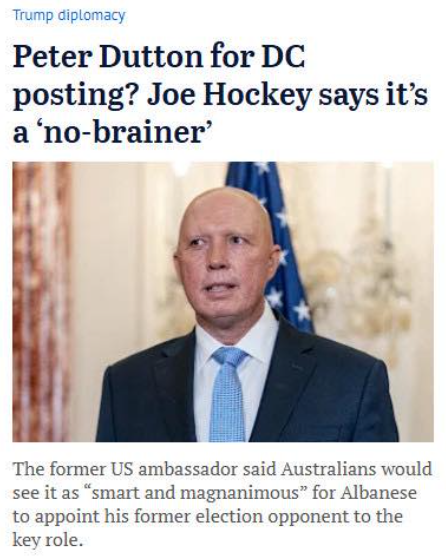
Date: 15/01/2026 17:02:45
From: Bubblecar
ID: 2350517
Subject: re: Australian politics - January 2026
Boris said:
dutton to be new US ambassador!
Middle finger!
Date: 15/01/2026 17:03:29
From: buffy
ID: 2350519
Subject: re: Australian politics - January 2026
SCIENCE said:
SCIENCE said:
Tau.Neutrino said:
The Liberals still don’t get it, they still want the freedom to hate and the freedom to shoot.
No wonder they lost.
well did the legislation pass or not
so it’s back to the Holy Alliance Of Greens And Corruption Against Communists again but this time it’s not against reining in fossil fuels
The Greens will not support Labor’s new hate laws without changes to ensure all minorities are protected, as the party demands a slew of amendments to the government’s sweeping legislative response to the Bondi terror attack.
Oh, that was clever…
Date: 15/01/2026 17:03:35
From: Cymek
ID: 2350520
Subject: re: Australian politics - January 2026
SCIENCE said:
Bubblecar said:
Peak Warming Man said:
They could phrase it so it reads “inciting hatred offence against people”.
That should do it, then nobody can say that they weren’t included, like Pastaferians etc.
They’d need to specify “real people” or some might think it covers Lego people etc.
well politicians are real people so hating men in positions of power is all good
They way some of the Liberals and Nationals politicians have recently acted is quite disgusting.
From ignoring rape victims to scoring points off massacres
Date: 15/01/2026 17:18:05
From: Michael V
ID: 2350529
Subject: re: Australian politics - January 2026
Boris said:
dutton to be new US ambassador!
No thank you-oo oobly-oo.
Date: 15/01/2026 17:41:06
From: roughbarked
ID: 2350543
Subject: re: Australian politics - January 2026
Boris said:
dutton to be new US ambassador!
egad!
Date: 15/01/2026 18:15:17
From: Ian
ID: 2350559
Subject: re: Australian politics - January 2026
Date: 15/01/2026 18:28:31
From: Peak Warming Man
ID: 2350561
Subject: re: Australian politics - January 2026
Date: 15/01/2026 18:31:13
From: Cymek
ID: 2350563
Subject: re: Australian politics - January 2026
Peak Warming Man said:
Ian said:
https://theshovel.com.au/2026/01/13/rudd-resignation-press-release/
Hehe.
Did you know he once co-owned a horse with Bette Midler called Krudler
Date: 15/01/2026 19:12:24
From: Peak Warming Man
ID: 2350573
Subject: re: Australian politics - January 2026
Cymek said:
Peak Warming Man said:
Ian said:
https://theshovel.com.au/2026/01/13/rudd-resignation-press-release/
Hehe.
Did you know he once co-owned a horse with Bette Midler called Krudler
Actually it was Krusty the Clown and Bette Midler, but close enough.
Date: 15/01/2026 19:25:02
From: Michael V
ID: 2350574
Subject: re: Australian politics - January 2026
Peak Warming Man said:
Cymek said:
Peak Warming Man said:
Hehe.
Did you know he once co-owned a horse with Bette Midler called Krudler
Actually it was Krusty the Clown and Bette Midler, but close enough.
When did Krusty the Clown jump across to reality from animations?
Date: 15/01/2026 19:33:39
From: Peak Warming Man
ID: 2350575
Subject: re: Australian politics - January 2026
Michael V said:
Peak Warming Man said:
Cymek said:
Did you know he once co-owned a horse with Bette Midler called Krudler
Actually it was Krusty the Clown and Bette Midler, but close enough.
When did Krusty the Clown jump across to reality from animations?
Well I just read it on the internet so it must be true.
Date: 15/01/2026 22:03:29
From: Boris
ID: 2350601
Subject: re: Australian politics - January 2026
https://www.abc.net.au/news/2026-01-15/coalition-sussan-ley-bondi-terror-attack-nationals-gun-control/106231054
Link
Federal Liberals are discovering the price of having been so brazen in their politicisation of the Bondi terror attack and many appear to have buyers’ remorse.
Details of the horror that unfolded on December 14 were still emerging when the Coalition first began to demand Prime Minister Anthony Albanese recall parliament.
The opposition wanted Labor to move quickly to tackle antisemitism and extremism, while slamming mooted gun control reforms as a mere distraction from those issues.
When Albanese on Monday revealed parliament would sit for two days next week to pass sweeping laws addressing all the above, Opposition Leader Sussan Ley’s first response was to criticise how long he had taken.
Now, in an entirely predictable case of “be careful what you wish for”, the Coalition has pivoted to attack Labor for being in a rush.
Date: 15/01/2026 23:18:03
From: SCIENCE
ID: 2350610
Subject: re: Australian politics - January 2026
Boris said:
https://www.abc.net.au/news/2026-01-15/coalition-sussan-ley-bondi-terror-attack-nationals-gun-control/106231054
Link
Federal Liberals are discovering the price of having been so brazen in their politicisation of the Bondi terror attack and many appear to have buyers’ remorse.
Details of the horror that unfolded on December 14 were still emerging when the Coalition first began to demand Prime Minister Anthony Albanese recall parliament.
The opposition wanted Labor to move quickly to tackle antisemitism and extremism, while slamming mooted gun control reforms as a mere distraction from those issues.
When Albanese on Monday revealed parliament would sit for two days next week to pass sweeping laws addressing all the above, Opposition Leader Sussan Ley’s first response was to criticise how long he had taken.
Now, in an entirely predictable case of “be careful what you wish for”, the Coalition has pivoted to attack Labor for being in a rush.
see how bad Dirty Labor are, they can’t move quick when they need to, and then they end up doing a mad scramble instead of taking a calm considered approach
Date: 16/01/2026 07:51:38
From: SCIENCE
ID: 2350633
Subject: re: Australian politics - January 2026
Date: 16/01/2026 08:00:49
From: roughbarked
ID: 2350635
Subject: re: Australian politics - January 2026
SCIENCE said:
Good News¡ Love Speech Isn’t Covered Under Repressive New Hate Speech Laws
https://www.abc.net.au/news/2026-01-16/apocalyptic-christian-cult-shincheonji-spreads-across-australia/106202480
religion good
In the FAQ section of Schincheonji New Zealand’s website, the organisation vehemently rejects being called “a cult”.
“When new, many organisations are labelled as a cult because the other churches and organisations feel threatened by them,” it reads.
One wonders. New cults have to keep developing while the original cult somehow can’t have been cultish enough.
Date: 16/01/2026 08:07:06
From: SCIENCE
ID: 2350636
Subject: re: Australian politics - January 2026
roughbarked said:
SCIENCE said:
Good News¡ Love Speech Isn’t Covered Under Repressive New Hate Speech Laws
https://www.abc.net.au/news/2026-01-16/apocalyptic-christian-cult-shincheonji-spreads-across-australia/106202480
religion good
In the FAQ section of Schincheonji New Zealand’s website, the organisation vehemently rejects being called “a cult”.
“When new, many organisations are labelled as a cult because the other churches and organisations feel threatened by them,” it reads.
One wonders. New cults have to keep developing while the original cult somehow can’t have been cultish enough.
fair’s fair once it becomes mainstream then it’s no longer radical
Date: 16/01/2026 08:15:16
From: roughbarked
ID: 2350638
Subject: re: Australian politics - January 2026
In short:
An independent investigation into waterski racing following the death of four competitors in 2024 is recommending high-speed racing on river courses be banned.
Two investigators have reviewed all waterskiing incidents on NSW waters since 2006 and provided eight recommendations to Transport NSW.
What’s next?
River-based waterski clubs are searching for options, while Ski Racing Australia is seeking a follow-up meeting with NSW Maritime.
>Should never have been allowed in the first place.
I lost my best friend because a speedboat ran over his head.
Date: 16/01/2026 09:24:28
From: SCIENCE
ID: 2350663
Subject: re: Australian politics - January 2026
Date: 16/01/2026 09:46:35
From: Divine Angel
ID: 2350680
Subject: re: Australian politics - January 2026
The Trump family is in advanced discussions with developers to build Australia’s first Trump Tower on the Gold Coast.
A source with inside knowledge of the deal, but not authorised to speak publicly on the matter, confirmed to this masthead “there are conversations happening” for a site to be developed at Surfers Paradise to feature the US president’s famous real estate insignia.
But they stressed the deal was yet to be finalised, with the site’s owner concerned that undue publicity from “big mouth planners on the Gold Coast” could jeopardise the transaction.
The Trump Organisation is eyeing a 3494-square-metre site at 3 Trickett Street in Surfers Paradise.
The development approved in 2015 for 3 Trickett Street that never eventuated.
The development approved in 2015 for 3 Trickett Street that never eventuated.
The site had been home to the Iluka Resort, which was knocked down in 2013.
The land was advertised for sale by owner Loi Keong Kuong in 2024, after he bought it for $56.5 million in 2019.
A 285-metre tower with almost 700 units was approved for the site in 2015, but was never built.
A spokesperson for Mayor Tom Tate could not confirm the project when contacted by this masthead.
Local councillor Darren Taylor’s office referred to the mayor’s office for comment.
“If it was to go ahead, it would obviously be a great outcome for Surfers Paradise and the Gold Coast,” Tate’s office said.
The US president has reportedly been eyeing Australian property for many years.
However, in 2008 he told the Australian Financial Review he would not enter the Australian property market alone.
“Maybe I’ll even get involved in Australia,” he said. “If I do something in Australia, I’d want to have a partner in Australia.”
Many Trump-branded properties merely license the rights to the family name, with a local partner in the project. Sources say this would be the likely scenario in Surfers Paradise.
From the Brisbane Times, paywalled article.
Date: 16/01/2026 09:50:18
From: The Rev Dodgson
ID: 2350682
Subject: re: Australian politics - January 2026
“If it was to go ahead, it would obviously be a great outcome for Surfers Paradise and the Gold Coast,” Tate’s office said.
It seems that sometimes things that are obvious to some people are not at all obvious to others.
Date: 16/01/2026 09:57:28
From: Divine Angel
ID: 2350683
Subject: re: Australian politics - January 2026
The Rev Dodgson said:
“If it was to go ahead, it would obviously be a great outcome for Surfers Paradise and the Gold Coast,” Tate’s office said.
It seems that sometimes things that are obvious to some people are not at all obvious to others.
Date: 16/01/2026 09:59:15
From: SCIENCE
ID: 2350684
Subject: re: Australian politics - January 2026
Date: 16/01/2026 10:05:06
From: Peak Warming Man
ID: 2350685
Subject: re: Australian politics - January 2026
He’s everywhere, he’s everywhere…..
Date: 16/01/2026 10:17:36
From: The Rev Dodgson
ID: 2350686
Subject: re: Australian politics - January 2026
Peak Warming Man said:
He’s everywhere, he’s everywhere…..
Here, have a little song, written in 2014.
Pretty accurate, until the last line.
Fergus Laing is a beast of a man
He stitches up and fleeces
He wants to manicure the world
And see it off in pieces
He likes to build his towers high
He blocks the sun out from the sky
In the penthouse the champagne’s dry
And slightly gassy
Fergus Laing, he works so hard
As busy as a bee is
Fergus Laing has 17 friends
All as dull as he is
His 17 friends has 17 wives
All the perfect shape and size
They wag their tails and bat their eyes
Just like Lassie
Fergus he builds and builds
Yet small is his erection
Fergus has a fine head of hair
When the wind’s in the right direction
Fergus Laing and his 17 friends
They live inside a bubble
There they withdraw and shut the door
At any sign of trouble
Should the peasants wail and vent
And ask him where the money went
He’ll simply say, it’s all been spent
On being classy
Fergus’ buildings reach the sky
Until you cannot see ‘um
He thinks the old stuff he pulls down
Belongs in a museum
His fits are famous on the scene
The shortest fuse, so cruel, so mean
But don’t call him a drama queen
Like Shirley Bassey
Fergus Laing he flaunts the law
But one day he’ll be wired
And as they drag him off to jail
We’ll all shout, “You’re fired!”
Date: 16/01/2026 10:19:35
From: Tau.Neutrino
ID: 2350687
Subject: re: Australian politics - January 2026
Divine Angel said:
The Trump family is in advanced discussions with developers to build Australia’s first Trump Tower on the Gold Coast.
A source with inside knowledge of the deal, but not authorised to speak publicly on the matter, confirmed to this masthead “there are conversations happening” for a site to be developed at Surfers Paradise to feature the US president’s famous real estate insignia.
But they stressed the deal was yet to be finalised, with the site’s owner concerned that undue publicity from “big mouth planners on the Gold Coast” could jeopardise the transaction.
The Trump Organisation is eyeing a 3494-square-metre site at 3 Trickett Street in Surfers Paradise.
The development approved in 2015 for 3 Trickett Street that never eventuated.
The development approved in 2015 for 3 Trickett Street that never eventuated.
The site had been home to the Iluka Resort, which was knocked down in 2013.
The land was advertised for sale by owner Loi Keong Kuong in 2024, after he bought it for $56.5 million in 2019.
A 285-metre tower with almost 700 units was approved for the site in 2015, but was never built.
A spokesperson for Mayor Tom Tate could not confirm the project when contacted by this masthead.
Local councillor Darren Taylor’s office referred to the mayor’s office for comment.
“If it was to go ahead, it would obviously be a great outcome for Surfers Paradise and the Gold Coast,” Tate’s office said.
The US president has reportedly been eyeing Australian property for many years.
However, in 2008 he told the Australian Financial Review he would not enter the Australian property market alone.
“Maybe I’ll even get involved in Australia,” he said. “If I do something in Australia, I’d want to have a partner in Australia.”
Many Trump-branded properties merely license the rights to the family name, with a local partner in the project. Sources say this would be the likely scenario in Surfers Paradise.
From the Brisbane Times, paywalled article.
It will end up being a giant eyesore if Trump’s name is on it.
Say no to Trump Tower
It’s part of his phallic mind set.
He doesn’t wash himself either.
Poor melania.
Date: 16/01/2026 10:24:13
From: Peak Warming Man
ID: 2350689
Subject: re: Australian politics - January 2026
The Rev Dodgson said:
Peak Warming Man said:
He’s everywhere, he’s everywhere…..
Here, have a little song, written in 2014.
Pretty accurate, until the last line.
Fergus Laing is a beast of a man
He stitches up and fleeces
He wants to manicure the world
And see it off in pieces
He likes to build his towers high
He blocks the sun out from the sky
In the penthouse the champagne’s dry
And slightly gassy
Fergus Laing, he works so hard
As busy as a bee is
Fergus Laing has 17 friends
All as dull as he is
His 17 friends has 17 wives
All the perfect shape and size
They wag their tails and bat their eyes
Just like Lassie
Fergus he builds and builds
Yet small is his erection
Fergus has a fine head of hair
When the wind’s in the right direction
Fergus Laing and his 17 friends
They live inside a bubble
There they withdraw and shut the door
At any sign of trouble
Should the peasants wail and vent
And ask him where the money went
He’ll simply say, it’s all been spent
On being classy
Fergus’ buildings reach the sky
Until you cannot see ‘um
He thinks the old stuff he pulls down
Belongs in a museum
His fits are famous on the scene
The shortest fuse, so cruel, so mean
But don’t call him a drama queen
Like Shirley Bassey
Fergus Laing he flaunts the law
But one day he’ll be wired
And as they drag him off to jail
We’ll all shout, “You’re fired!”
Hehe.
Date: 16/01/2026 10:29:17
From: Divine Angel
ID: 2350690
Subject: re: Australian politics - January 2026
Tau.Neutrino said:
Poor melania.
Don’t feel sorry for her. She’s complicit.
Date: 16/01/2026 10:39:49
From: SCIENCE
ID: 2350691
Subject: re: Australian politics - January 2026
Tau.Neutrino said:
Divine Angel said:
The Trump family is in advanced discussions with developers to build Australia’s first Trump Tower on the Gold Coast.
A source with inside knowledge of the deal, but not authorised to speak publicly on the matter, confirmed to this masthead “there are conversations happening” for a site to be developed at Surfers Paradise to feature the US president’s famous real estate insignia.
But they stressed the deal was yet to be finalised, with the site’s owner concerned that undue publicity from “big mouth planners on the Gold Coast” could jeopardise the transaction.
The Trump Organisation is eyeing a 3494-square-metre site at 3 Trickett Street in Surfers Paradise.
The development approved in 2015 for 3 Trickett Street that never eventuated.
The development approved in 2015 for 3 Trickett Street that never eventuated.
The site had been home to the Iluka Resort, which was knocked down in 2013.
The land was advertised for sale by owner Loi Keong Kuong in 2024, after he bought it for $56.5 million in 2019.
A 285-metre tower with almost 700 units was approved for the site in 2015, but was never built.
A spokesperson for Mayor Tom Tate could not confirm the project when contacted by this masthead.
Local councillor Darren Taylor’s office referred to the mayor’s office for comment.
“If it was to go ahead, it would obviously be a great outcome for Surfers Paradise and the Gold Coast,” Tate’s office said.
The US president has reportedly been eyeing Australian property for many years.
However, in 2008 he told the Australian Financial Review he would not enter the Australian property market alone.
“Maybe I’ll even get involved in Australia,” he said. “If I do something in Australia, I’d want to have a partner in Australia.”
Many Trump-branded properties merely license the rights to the family name, with a local partner in the project. Sources say this would be the likely scenario in Surfers Paradise.
From the Brisbane Times, paywalled article.
It will end up being a giant eyesore if Trump’s name is on it.
Say no to Trump Tower
It’s part of his phallic mind set.
He doesn’t wash himself either.
Poor melania.
wait so you mean it’s going to be a smegma tower
and they reckon grease balls on Sydney beaches is gross
Date: 16/01/2026 11:00:08
From: Michael V
ID: 2350702
Subject: re: Australian politics - January 2026
Divine Angel said:
The Trump family is in advanced discussions with developers to build Australia’s first Trump Tower on the Gold Coast.
A source with inside knowledge of the deal, but not authorised to speak publicly on the matter, confirmed to this masthead “there are conversations happening” for a site to be developed at Surfers Paradise to feature the US president’s famous real estate insignia.
But they stressed the deal was yet to be finalised, with the site’s owner concerned that undue publicity from “big mouth planners on the Gold Coast” could jeopardise the transaction.
The Trump Organisation is eyeing a 3494-square-metre site at 3 Trickett Street in Surfers Paradise.
The development approved in 2015 for 3 Trickett Street that never eventuated.
The development approved in 2015 for 3 Trickett Street that never eventuated.
The site had been home to the Iluka Resort, which was knocked down in 2013.
The land was advertised for sale by owner Loi Keong Kuong in 2024, after he bought it for $56.5 million in 2019.
A 285-metre tower with almost 700 units was approved for the site in 2015, but was never built.
A spokesperson for Mayor Tom Tate could not confirm the project when contacted by this masthead.
Local councillor Darren Taylor’s office referred to the mayor’s office for comment.
“If it was to go ahead, it would obviously be a great outcome for Surfers Paradise and the Gold Coast,” Tate’s office said.
The US president has reportedly been eyeing Australian property for many years.
However, in 2008 he told the Australian Financial Review he would not enter the Australian property market alone.
“Maybe I’ll even get involved in Australia,” he said. “If I do something in Australia, I’d want to have a partner in Australia.”
Many Trump-branded properties merely license the rights to the family name, with a local partner in the project. Sources say this would be the likely scenario in Surfers Paradise.
From the Brisbane Times, paywalled article.
No. Please, No.
Date: 16/01/2026 11:02:45
From: Tau.Neutrino
ID: 2350704
Subject: re: Australian politics - January 2026
Divine Angel said:
Tau.Neutrino said:
Poor melania.
Don’t feel sorry for her. She’s complicit.
Stops feeling sorry for Melania.
Date: 16/01/2026 11:03:39
From: captain_spalding
ID: 2350707
Subject: re: Australian politics - January 2026
Divine Angel said:
The Trump family is in advanced discussions with developers to build Australia’s first Trump Tower on the Gold Coast.
A source with inside knowledge of the deal, but not authorised to speak publicly on the matter, confirmed to this masthead “there are conversations happening” for a site to be developed at Surfers Paradise to feature the US president’s famous real estate insignia.
“…the US president’s famous real estate insignia.”
Which i expect will be attached to the building with Velcro, for easy removal after the inevitable bankruptcy of the project.
Date: 16/01/2026 11:10:32
From: captain_spalding
ID: 2350715
Subject: re: Australian politics - January 2026
ABC News:

Looks like ASIO feels the need for a budget increase.
And they’ve gone back through the playbook, and decided to do that Feb 1978 thing again. But, let’s leave the hotels and the garbage bins out of it this time, huh?
Date: 16/01/2026 11:14:18
From: SCIENCE
ID: 2350722
Subject: re: Australian politics - January 2026
captain_spalding said:
ABC News:
Looks like ASIO feels the need for a budget increase.
And they’ve gone back through the playbook, and decided to do that Feb 1978 thing again. But, let’s leave the hotels and the garbage bins out of it this time, huh?
they were at pains to say it wasn’t terrorism yesterday what’s changed
Date: 16/01/2026 11:16:25
From: The Rev Dodgson
ID: 2350724
Subject: re: Australian politics - January 2026
captain_spalding said:
ABC News:
Looks like ASIO feels the need for a budget increase.
And they’ve gone back through the playbook, and decided to do that Feb 1978 thing again. But, let’s leave the hotels and the garbage bins out of it this time, huh?
The bingbot thinks this is the Feb 1978 thing referred to:
https://www.smh.com.au/national/how-asio-was-caught-on-the-hop-20080101-gdrv51.html
Date: 16/01/2026 11:16:41
From: captain_spalding
ID: 2350725
Subject: re: Australian politics - January 2026
SCIENCE said:
captain_spalding said:
ABC News:
Looks like ASIO feels the need for a budget increase.
And they’ve gone back through the playbook, and decided to do that Feb 1978 thing again. But, let’s leave the hotels and the garbage bins out of it this time, huh?
they were at pains to say it wasn’t terrorism yesterday what’s changed
No, no, not terrorism, no. But, to be on the safe side, how about few more million in this year’s budget, eh?
Date: 16/01/2026 11:24:42
From: captain_spalding
ID: 2350726
Subject: re: Australian politics - January 2026
The Rev Dodgson said:
captain_spalding said:
ABC News:
Looks like ASIO feels the need for a budget increase.
And they’ve gone back through the playbook, and decided to do that Feb 1978 thing again. But, let’s leave the hotels and the garbage bins out of it this time, huh?
The bingbot thinks this is the Feb 1978 thing referred to:
https://www.smh.com.au/national/how-asio-was-caught-on-the-hop-20080101-gdrv51.html
The bomb was never meant to go off.
It was meant to be ‘discovered’ in a ‘security sweep’ the next morning, to demonstrate the efficiency of the ‘security services’, and to lend validity to their claims for increased funding and powers.
Where they were ‘caught on the hop’ was that no-one had thought to check when the bins were scheduled to be emptied.
Even then, it might have all been OK, if it had just been emptied into a plain truck. But, it was a compactor truck, and that’s what did the trick, regardless of whether it was actually armed or not.
(When i say ‘OK’, i mean apart from a lot of explosives and detonators being delivered to the tip.)
Date: 16/01/2026 11:32:12
From: buffy
ID: 2350730
Subject: re: Australian politics - January 2026
Divine Angel said:
The Trump family is in advanced discussions with developers to build Australia’s first Trump Tower on the Gold Coast.
A source with inside knowledge of the deal, but not authorised to speak publicly on the matter, confirmed to this masthead “there are conversations happening” for a site to be developed at Surfers Paradise to feature the US president’s famous real estate insignia.
But they stressed the deal was yet to be finalised, with the site’s owner concerned that undue publicity from “big mouth planners on the Gold Coast” could jeopardise the transaction.
The Trump Organisation is eyeing a 3494-square-metre site at 3 Trickett Street in Surfers Paradise.
The development approved in 2015 for 3 Trickett Street that never eventuated.
The development approved in 2015 for 3 Trickett Street that never eventuated.
The site had been home to the Iluka Resort, which was knocked down in 2013.
The land was advertised for sale by owner Loi Keong Kuong in 2024, after he bought it for $56.5 million in 2019.
A 285-metre tower with almost 700 units was approved for the site in 2015, but was never built.
A spokesperson for Mayor Tom Tate could not confirm the project when contacted by this masthead.
Local councillor Darren Taylor’s office referred to the mayor’s office for comment.
“If it was to go ahead, it would obviously be a great outcome for Surfers Paradise and the Gold Coast,” Tate’s office said.
The US president has reportedly been eyeing Australian property for many years.
However, in 2008 he told the Australian Financial Review he would not enter the Australian property market alone.
“Maybe I’ll even get involved in Australia,” he said. “If I do something in Australia, I’d want to have a partner in Australia.”
Many Trump-branded properties merely license the rights to the family name, with a local partner in the project. Sources say this would be the likely scenario in Surfers Paradise.
From the Brisbane Times, paywalled article.
Don’t local council have the permit applications available for public scrutiny. Even if you have to actually go into the office to look at them?
Date: 16/01/2026 11:34:05
From: captain_spalding
ID: 2350733
Subject: re: Australian politics - January 2026
buffy said:
Divine Angel said:
The Trump family is in advanced discussions with developers to build Australia’s first Trump Tower on the Gold Coast.
A source with inside knowledge of the deal, but not authorised to speak publicly on the matter, confirmed to this masthead “there are conversations happening” for a site to be developed at Surfers Paradise to feature the US president’s famous real estate insignia.
But they stressed the deal was yet to be finalised, with the site’s owner concerned that undue publicity from “big mouth planners on the Gold Coast” could jeopardise the transaction.
The Trump Organisation is eyeing a 3494-square-metre site at 3 Trickett Street in Surfers Paradise.
The development approved in 2015 for 3 Trickett Street that never eventuated.
The development approved in 2015 for 3 Trickett Street that never eventuated.
The site had been home to the Iluka Resort, which was knocked down in 2013.
The land was advertised for sale by owner Loi Keong Kuong in 2024, after he bought it for $56.5 million in 2019.
A 285-metre tower with almost 700 units was approved for the site in 2015, but was never built.
A spokesperson for Mayor Tom Tate could not confirm the project when contacted by this masthead.
Local councillor Darren Taylor’s office referred to the mayor’s office for comment.
“If it was to go ahead, it would obviously be a great outcome for Surfers Paradise and the Gold Coast,” Tate’s office said.
The US president has reportedly been eyeing Australian property for many years.
However, in 2008 he told the Australian Financial Review he would not enter the Australian property market alone.
“Maybe I’ll even get involved in Australia,” he said. “If I do something in Australia, I’d want to have a partner in Australia.”
Many Trump-branded properties merely license the rights to the family name, with a local partner in the project. Sources say this would be the likely scenario in Surfers Paradise.
From the Brisbane Times, paywalled article.
Don’t local council have the permit applications available for public scrutiny. Even if you have to actually go into the office to look at them?
“But the plans were on display…”
“On display? I eventually had to go down to the cellar to find them.”
“That’s the display department.”
“With a flashlight.”
“Ah, well, the lights had probably gone.”
“So had the stairs.”
“But look, you found the notice, didn’t you?”
“Yes,” said Arthur, “yes I did. It was on display in the bottom of a locked filing cabinet stuck in a disused lavatory with a sign on the door saying ‘Beware of the Leopard.”
― Douglas Adams, The Hitchhiker’s Guide to the Galaxy
Date: 16/01/2026 11:35:49
From: Cymek
ID: 2350734
Subject: re: Australian politics - January 2026
buffy said:
Divine Angel said:
The Trump family is in advanced discussions with developers to build Australia’s first Trump Tower on the Gold Coast.
A source with inside knowledge of the deal, but not authorised to speak publicly on the matter, confirmed to this masthead “there are conversations happening” for a site to be developed at Surfers Paradise to feature the US president’s famous real estate insignia.
But they stressed the deal was yet to be finalised, with the site’s owner concerned that undue publicity from “big mouth planners on the Gold Coast” could jeopardise the transaction.
The Trump Organisation is eyeing a 3494-square-metre site at 3 Trickett Street in Surfers Paradise.
The development approved in 2015 for 3 Trickett Street that never eventuated.
The development approved in 2015 for 3 Trickett Street that never eventuated.
The site had been home to the Iluka Resort, which was knocked down in 2013.
The land was advertised for sale by owner Loi Keong Kuong in 2024, after he bought it for $56.5 million in 2019.
A 285-metre tower with almost 700 units was approved for the site in 2015, but was never built.
A spokesperson for Mayor Tom Tate could not confirm the project when contacted by this masthead.
Local councillor Darren Taylor’s office referred to the mayor’s office for comment.
“If it was to go ahead, it would obviously be a great outcome for Surfers Paradise and the Gold Coast,” Tate’s office said.
The US president has reportedly been eyeing Australian property for many years.
However, in 2008 he told the Australian Financial Review he would not enter the Australian property market alone.
“Maybe I’ll even get involved in Australia,” he said. “If I do something in Australia, I’d want to have a partner in Australia.”
Many Trump-branded properties merely license the rights to the family name, with a local partner in the project. Sources say this would be the likely scenario in Surfers Paradise.
From the Brisbane Times, paywalled article.
Don’t local council have the permit applications available for public scrutiny. Even if you have to actually go into the office to look at them?
Don’t people have to pick up turds on the beach, how would it get built if this is the case
Date: 16/01/2026 11:38:21
From: captain_spalding
ID: 2350736
Subject: re: Australian politics - January 2026
It’s the Gold Coast.
You can do anything you like, if you have the money.
Build things where they shouldn’t be built, throw young women off the balconies of high-rise apartments, you name it.
Date: 16/01/2026 11:41:00
From: buffy
ID: 2350737
Subject: re: Australian politics - January 2026
captain_spalding said:
buffy said:
Divine Angel said:
The Trump family is in advanced discussions with developers to build Australia’s first Trump Tower on the Gold Coast.
A source with inside knowledge of the deal, but not authorised to speak publicly on the matter, confirmed to this masthead “there are conversations happening” for a site to be developed at Surfers Paradise to feature the US president’s famous real estate insignia.
But they stressed the deal was yet to be finalised, with the site’s owner concerned that undue publicity from “big mouth planners on the Gold Coast” could jeopardise the transaction.
The Trump Organisation is eyeing a 3494-square-metre site at 3 Trickett Street in Surfers Paradise.
The development approved in 2015 for 3 Trickett Street that never eventuated.
The development approved in 2015 for 3 Trickett Street that never eventuated.
The site had been home to the Iluka Resort, which was knocked down in 2013.
The land was advertised for sale by owner Loi Keong Kuong in 2024, after he bought it for $56.5 million in 2019.
A 285-metre tower with almost 700 units was approved for the site in 2015, but was never built.
A spokesperson for Mayor Tom Tate could not confirm the project when contacted by this masthead.
Local councillor Darren Taylor’s office referred to the mayor’s office for comment.
“If it was to go ahead, it would obviously be a great outcome for Surfers Paradise and the Gold Coast,” Tate’s office said.
The US president has reportedly been eyeing Australian property for many years.
However, in 2008 he told the Australian Financial Review he would not enter the Australian property market alone.
“Maybe I’ll even get involved in Australia,” he said. “If I do something in Australia, I’d want to have a partner in Australia.”
Many Trump-branded properties merely license the rights to the family name, with a local partner in the project. Sources say this would be the likely scenario in Surfers Paradise.
From the Brisbane Times, paywalled article.
Don’t local council have the permit applications available for public scrutiny. Even if you have to actually go into the office to look at them?
“But the plans were on display…”
“On display? I eventually had to go down to the cellar to find them.”
“That’s the display department.”
“With a flashlight.”
“Ah, well, the lights had probably gone.”
“So had the stairs.”
“But look, you found the notice, didn’t you?”
“Yes,” said Arthur, “yes I did. It was on display in the bottom of a locked filing cabinet stuck in a disused lavatory with a sign on the door saying ‘Beware of the Leopard.”
― Douglas Adams, The Hitchhiker’s Guide to the Galaxy
Yes, that!
Date: 16/01/2026 11:42:46
From: buffy
ID: 2350738
Subject: re: Australian politics - January 2026
buffy said:
captain_spalding said:
buffy said:
Don’t local council have the permit applications available for public scrutiny. Even if you have to actually go into the office to look at them?
“But the plans were on display…”
“On display? I eventually had to go down to the cellar to find them.”
“That’s the display department.”
“With a flashlight.”
“Ah, well, the lights had probably gone.”
“So had the stairs.”
“But look, you found the notice, didn’t you?”
“Yes,” said Arthur, “yes I did. It was on display in the bottom of a locked filing cabinet stuck in a disused lavatory with a sign on the door saying ‘Beware of the Leopard.”
― Douglas Adams, The Hitchhiker’s Guide to the Galaxy
Yes, that!
But apart from the hilarity…surely a journo who was interested in the story could make the time to check the permit applications. We can read ours online at our council website.
Date: 16/01/2026 11:45:13
From: Divine Angel
ID: 2350739
Subject: re: Australian politics - January 2026
This is what I’ve found so far

Date: 16/01/2026 11:46:34
From: captain_spalding
ID: 2350740
Subject: re: Australian politics - January 2026
Divine Angel said:
This is what I’ve found so far
Where’s all the fake gold filigree and stuff?
Date: 16/01/2026 11:48:42
From: buffy
ID: 2350741
Subject: re: Australian politics - January 2026
buffy said:
buffy said:
captain_spalding said:
“But the plans were on display…”
“On display? I eventually had to go down to the cellar to find them.”
“That’s the display department.”
“With a flashlight.”
“Ah, well, the lights had probably gone.”
“So had the stairs.”
“But look, you found the notice, didn’t you?”
“Yes,” said Arthur, “yes I did. It was on display in the bottom of a locked filing cabinet stuck in a disused lavatory with a sign on the door saying ‘Beware of the Leopard.”
― Douglas Adams, The Hitchhiker’s Guide to the Galaxy
Yes, that!
But apart from the hilarity…surely a journo who was interested in the story could make the time to check the permit applications. We can read ours online at our council website.
Which I just managed to find by a circuitous route from the council webpage. Seems there is only one on public display/advertised at the moment. But the register of stuff in the works and completed has a lot more entries.
If you are interested, it’s here
Date: 16/01/2026 11:49:04
From: Divine Angel
ID: 2350742
Subject: re: Australian politics - January 2026
It’s currently owned by a Chinese company who have applied to extend the property from next door.
However the website does mention there’s a backlog of applications which aren’t appearing on the website yet.
Date: 16/01/2026 11:58:30
From: Divine Angel
ID: 2350743
Subject: re: Australian politics - January 2026
It was a proposed development of food stores and residential dwellings on top of those stores, planned for 2016. Didn’t happen, was also delayed by covid. Current investors want another extension to make up their minds, covering them until March 2029.
Date: 16/01/2026 11:59:55
From: Cymek
ID: 2350744
Subject: re: Australian politics - January 2026
captain_spalding said:
Divine Angel said:
This is what I’ve found so far
Where’s all the fake gold filigree and stuff?
The world should refuse anything US owned from getting a start in their nations.
No more US food chains for a start.
Stop buying US products including seeing Hollywood movies.
Find alternatives.
Say no to bullies
Date: 16/01/2026 20:59:41
From: Boris
ID: 2350919
Subject: re: Australian politics - January 2026
Date: 16/01/2026 21:06:07
From: Peak Warming Man
ID: 2350921
Subject: re: Australian politics - January 2026
Boris said:
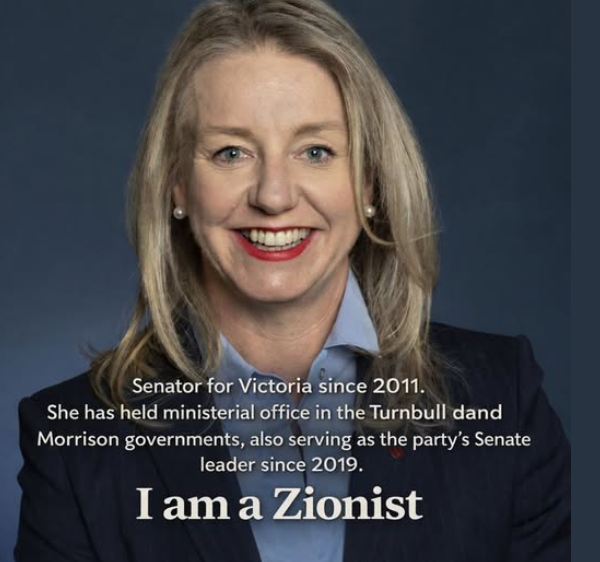
AI says.
Being a Zionist means supporting the Jewish people’s right to self-determination in their ancestral homeland, Israel.
Good on her.
Date: 16/01/2026 21:30:10
From: esselte
ID: 2350928
Subject: re: Australian politics - January 2026
Peak Warming Man said:
Boris said:
AI says.
Being a Zionist means supporting the Jewish people’s right to self-determination in their ancestral homeland, Israel.
Good on her.
My ancestral homeland is 2 Murray Road, Hong Kong. They’re gonna give it back to me any day now.
Date: 16/01/2026 21:42:42
From: captain_spalding
ID: 2350930
Subject: re: Australian politics - January 2026
esselte said:
Peak Warming Man said:
Boris said:
AI says.
Being a Zionist means supporting the Jewish people’s right to self-determination in their ancestral homeland, Israel.
Good on her.
My ancestral homeland is 2 Murray Road, Hong Kong. They’re gonna give it back to me any day now.
My ancestral homeland is some plot of ground in Ireland. Or France. Or England. Maybe Germany.
What i can say for certain is that any claims i make in that regard will be greeted with either total contempt, or howls of derisive laughter, Bruce.
Date: 16/01/2026 22:00:09
From: Kingy
ID: 2350933
Subject: re: Australian politics - January 2026
esselte said:
Peak Warming Man said:
Boris said:
AI says.
Being a Zionist means supporting the Jewish people’s right to self-determination in their ancestral homeland, Israel.
Good on her.
My ancestral homeland is 2 Murray Road, Hong Kong. They’re gonna give it back to me any day now.
That’s a pretty flash house you have there, esselte. I hope you’ve kept the title deeds.
Date: 17/01/2026 00:04:00
From: SCIENCE
ID: 2350936
Subject: re: Australian politics - January 2026
https://www.abc.net.au/news/2026-01-16/nt-david-connolly-next-administrator-questionable-social-media/106237926
Federal Sex Discrimination Commissioner Anna Cody said Mr Connolly’s social media history did not “demonstrate respect for women and the recognition of women as fully contributing members of our society”. “When we have had a recent terror attack , it’s particularity important that we focus on enabling everyone to belong, to have that sense of inclusion.
And¿ Did he express any radical islamic or antisemitic sentiments¿ No¿ Then pretty sure it’s all fine.
Date: 18/01/2026 10:09:55
From: Witty Rejoinder
ID: 2351259
Subject: re: Australian politics - January 2026
How did Australia’s ‘most liveable’ capital city become the most affordable for renting a house?
https://www.sbs.com.au/news/article/how-did-australias-most-liveable-city-become-the-most-affordable-to-rent-a-house/hw9jrpncd
Date: 18/01/2026 10:19:35
From: The Rev Dodgson
ID: 2351265
Subject: re: Australian politics - January 2026
Witty Rejoinder said:
How did Australia’s ‘most liveable’ capital city become the most affordable for renting a house?
https://www.sbs.com.au/news/article/how-did-australias-most-liveable-city-become-the-most-affordable-to-rent-a-house/hw9jrpncd
I don’t know, rents are still pretty expensive in Sydney.
Oh, they meant Melbourne.
Well people moving from Melbourne to other cities could be a factor, couldn’t it?
Strange they didn’t even mention that.
Date: 18/01/2026 10:31:13
From: Witty Rejoinder
ID: 2351277
Subject: re: Australian politics - January 2026
The Rev Dodgson said:
Witty Rejoinder said:
How did Australia’s ‘most liveable’ capital city become the most affordable for renting a house?
https://www.sbs.com.au/news/article/how-did-australias-most-liveable-city-become-the-most-affordable-to-rent-a-house/hw9jrpncd
I don’t know, rents are still pretty expensive in Sydney.
Oh, they meant Melbourne.
Well people moving from Melbourne to other cities could be a factor, couldn’t it?
Strange they didn’t even mention that.
Look buddy I know you don’t live permanently under a rock so you know when it comes to livability Melbourne takes the cake. :-)
On a more serious note I think Melbourne’s population has been growing faster than Sydney’s precisely because refugees from the latter go south for the cheaper housing. One considerable factor in Melbourne house supply is that compared to Sydney Melbourne still has new estates being created in the outer suburbs because it is not constrained by geography like Sydney is.
Date: 18/01/2026 10:45:10
From: The Rev Dodgson
ID: 2351280
Subject: re: Australian politics - January 2026
Witty Rejoinder said:
The Rev Dodgson said:
Witty Rejoinder said:
How did Australia’s ‘most liveable’ capital city become the most affordable for renting a house?
https://www.sbs.com.au/news/article/how-did-australias-most-liveable-city-become-the-most-affordable-to-rent-a-house/hw9jrpncd
I don’t know, rents are still pretty expensive in Sydney.
Oh, they meant Melbourne.
Well people moving from Melbourne to other cities could be a factor, couldn’t it?
Strange they didn’t even mention that.
Look buddy I know you don’t live permanently under a rock so you know when it comes to livability Melbourne takes the cake. :-)
On a more serious note I think Melbourne’s population has been growing faster than Sydney’s precisely because refugees from the latter go south for the cheaper housing. One considerable factor in Melbourne house supply is that compared to Sydney Melbourne still has new estates being created in the outer suburbs because it is not constrained by geography like Sydney is.
I’m quite happy living under my rock thanks.
Seems melbourne is growing faster than Sydney, though not by a huge amount:
“Melbourne led the way, adding 142,600 new residents, followed closely by Sydney with 107,500. Perth stood out not only for its absolute population increase (73,000) but also for its remarkable growth rate of 3.1%, the highest among all capitals.
Brisbane mirrored Perth’s net increase, growing by 73,000 people and maintaining a robust growth trajectory. Notably, Melbourne and Brisbane both achieved growth rates of 2.7%, highlighting their ability to attract a significant number of newcomers.”
https://metropole.com.au/population-growth-powering-australias-capital-cities/
There’s still plenty of development of outer suburbs in Sydney, but yes, there needs to be more.’
Date: 18/01/2026 10:51:41
From: Divine Angel
ID: 2351281
Subject: re: Australian politics - January 2026
Date: 18/01/2026 10:55:10
From: roughbarked
ID: 2351283
Subject: re: Australian politics - January 2026
Divine Angel said:
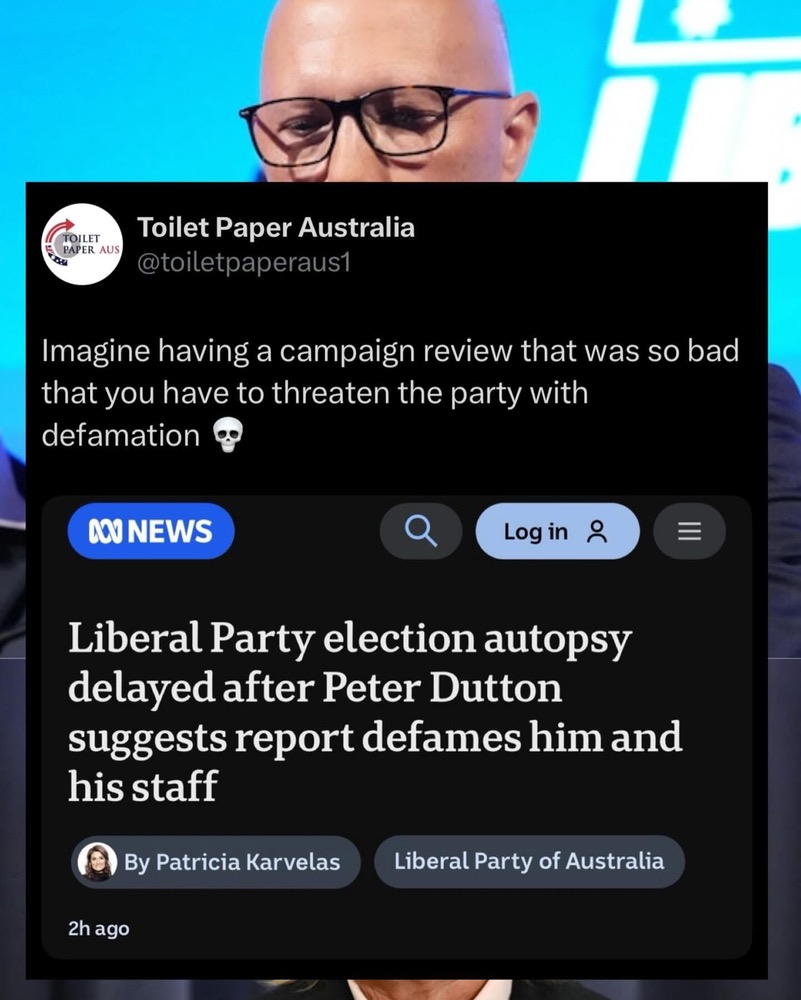
It still hasn’t sunk into his chrome dome yet?
Date: 18/01/2026 10:56:51
From: Michael V
ID: 2351284
Subject: re: Australian politics - January 2026
Divine Angel said:
:)
Date: 18/01/2026 11:08:05
From: captain_spalding
ID: 2351287
Subject: re: Australian politics - January 2026
Divine Angel said:
What could the review possibly say that doesn’t already form part of the electorate’s opinion of Dutton?
Date: 18/01/2026 11:09:00
From: Tau.Neutrino
ID: 2351288
Subject: re: Australian politics - January 2026
Divine Angel said:
Peter doesn’t realise just how bad he really is.
Date: 18/01/2026 11:09:26
From: roughbarked
ID: 2351289
Subject: re: Australian politics - January 2026
captain_spalding said:
Divine Angel said:
What could the review possibly say that doesn’t already form part of the electorate’s opinion of Dutton?
It is his version of the Epstein files.
Date: 18/01/2026 11:10:59
From: Tau.Neutrino
ID: 2351290
Subject: re: Australian politics - January 2026
roughbarked said:
captain_spalding said:
Divine Angel said:
What could the review possibly say that doesn’t already form part of the electorate’s opinion of Dutton?
It is his version of the Epstein files.
I can’t see Peter having that much sex.
Date: 18/01/2026 11:13:28
From: roughbarked
ID: 2351291
Subject: re: Australian politics - January 2026
Tau.Neutrino said:
roughbarked said:
captain_spalding said:
What could the review possibly say that doesn’t already form part of the electorate’s opinion of Dutton?
It is his version of the Epstein files.
I can’t see Peter having that much sex.
That’s something I don’t want to see.
Date: 18/01/2026 11:14:03
From: captain_spalding
ID: 2351292
Subject: re: Australian politics - January 2026
roughbarked said:
captain_spalding said:
Divine Angel said:
What could the review possibly say that doesn’t already form part of the electorate’s opinion of Dutton?
It is his version of the Epstein files.
I don’t think that he’s literally got his own ‘Epstein files’ in the background.
For all of his many failings, i doubt that Spud is really that sort of chap.
But, for anything else, if it came to light when the review was published, i reckon that people would just shrug and say, ‘yeah, no surprises there’, or ‘i could have told you that’.
Date: 18/01/2026 11:14:39
From: Michael V
ID: 2351293
Subject: re: Australian politics - January 2026
captain_spalding said:
Divine Angel said:
What could the review possibly say that doesn’t already form part of the electorate’s opinion of Dutton?
Probably nothing, nothing at all, now you’ve made me think about it in that way.
Date: 18/01/2026 11:21:23
From: Witty Rejoinder
ID: 2351294
Subject: re: Australian politics - January 2026
captain_spalding said:
Divine Angel said:
What could the review possibly say that doesn’t already form part of the electorate’s opinion of Dutton?
One testicle.
Date: 18/01/2026 11:22:30
From: Tau.Neutrino
ID: 2351295
Subject: re: Australian politics - January 2026
roughbarked said:
Tau.Neutrino said:
roughbarked said:
It is his version of the Epstein files.
I can’t see Peter having that much sex.
That’s something I don’t want to see.
I would never recover.
Damaged for life.
Date: 18/01/2026 11:23:30
From: Michael V
ID: 2351296
Subject: re: Australian politics - January 2026
Witty Rejoinder said:
captain_spalding said:
Divine Angel said:
What could the review possibly say that doesn’t already form part of the electorate’s opinion of Dutton?
One testicle.
But Go-balls has no balls at all.
Date: 18/01/2026 11:30:33
From: Witty Rejoinder
ID: 2351298
Subject: re: Australian politics - January 2026
The Rev Dodgson said:
Witty Rejoinder said:
The Rev Dodgson said:
I don’t know, rents are still pretty expensive in Sydney.
Oh, they meant Melbourne.
Well people moving from Melbourne to other cities could be a factor, couldn’t it?
Strange they didn’t even mention that.
Look buddy I know you don’t live permanently under a rock so you know when it comes to livability Melbourne takes the cake. :-)
On a more serious note I think Melbourne’s population has been growing faster than Sydney’s precisely because refugees from the latter go south for the cheaper housing. One considerable factor in Melbourne house supply is that compared to Sydney Melbourne still has new estates being created in the outer suburbs because it is not constrained by geography like Sydney is.
I’m quite happy living under my rock thanks.
Seems melbourne is growing faster than Sydney, though not by a huge amount:
“Melbourne led the way, adding 142,600 new residents, followed closely by Sydney with 107,500. Perth stood out not only for its absolute population increase (73,000) but also for its remarkable growth rate of 3.1%, the highest among all capitals.
Brisbane mirrored Perth’s net increase, growing by 73,000 people and maintaining a robust growth trajectory. Notably, Melbourne and Brisbane both achieved growth rates of 2.7%, highlighting their ability to attract a significant number of newcomers.”
https://metropole.com.au/population-growth-powering-australias-capital-cities/
There’s still plenty of development of outer suburbs in Sydney, but yes, there needs to be more.’
Noooo I’m not advocating that Melbourne eventually cover most of Victoria ii urban sprawl. What we need is more Yimbys in the inner suburbs close to public transport. In Melbourne at least.
Decades of grand plans to limit Melbourne’s geographical boundaries have fallen by the wayside unfortunately.
Date: 18/01/2026 11:47:31
From: Michael V
ID: 2351302
Subject: re: Australian politics - January 2026
Michael V said:
Witty Rejoinder said:
captain_spalding said:
What could the review possibly say that doesn’t already form part of the electorate’s opinion of Dutton?
One testicle.
But Go-balls has no balls at all.
Godwinned?
Date: 18/01/2026 11:50:31
From: roughbarked
ID: 2351305
Subject: re: Australian politics - January 2026
Michael V said:
Michael V said:
Witty Rejoinder said:
One testicle.
But Go-balls has no balls at all.
Godwinned?
We heard you but declined to comment.
Date: 18/01/2026 12:13:22
From: SCIENCE
ID: 2351316
Subject: re: Australian politics - January 2026
Tau.Neutrino said:
roughbarked said:
Tau.Neutrino said:
I can’t see Peter having that much sex.
That’s something I don’t want to see.
I would never recover.
Damaged for life.
just wait until you come across the Lehrmann files
sorry about the Freudian quip
Date: 18/01/2026 12:14:12
From: SCIENCE
ID: 2351317
Subject: re: Australian politics - January 2026
Divine Angel said:
so calling things defamation is the new censorship trick is it
Date: 18/01/2026 12:19:14
From: roughbarked
ID: 2351319
Subject: re: Australian politics - January 2026
SCIENCE said:
Divine Angel said:
so calling things defamation is the new censorship trick is it
In Trump’s case he calls it Fake news. You simply are not allowed to say bad things about him. Dutton has been seen showing Trump like traits before.
Date: 18/01/2026 12:20:31
From: SCIENCE
ID: 2351322
Subject: re: Australian politics - January 2026
Witty Rejoinder said:
The Rev Dodgson said:
Witty Rejoinder said:
Look buddy I know you don’t live permanently under a rock so you know when it comes to livability Melbourne takes the cake. :-)
On a more serious note I think Melbourne’s population has been growing faster than Sydney’s precisely because refugees from the latter go south for the cheaper housing. One considerable factor in Melbourne house supply is that compared to Sydney Melbourne still has new estates being created in the outer suburbs because it is not constrained by geography like Sydney is.
I’m quite happy living under my rock thanks.
Seems melbourne is growing faster than Sydney, though not by a huge amount:
“Melbourne led the way, adding 142,600 new residents, followed closely by Sydney with 107,500. Perth stood out not only for its absolute population increase (73,000) but also for its remarkable growth rate of 3.1%, the highest among all capitals.
Brisbane mirrored Perth’s net increase, growing by 73,000 people and maintaining a robust growth trajectory. Notably, Melbourne and Brisbane both achieved growth rates of 2.7%, highlighting their ability to attract a significant number of newcomers.”
https://metropole.com.au/population-growth-powering-australias-capital-cities/
There’s still plenty of development of outer suburbs in Sydney, but yes, there needs to be more.’
Noooo I’m not advocating that Melbourne eventually cover most of Victoria ii urban sprawl. What we need is more Yimbys in the inner suburbs close to public transport. In Melbourne at least.
Decades of grand plans to limit Melbourne’s geographical boundaries have fallen by the wayside unfortunately.
we thought MEL pop was meant to overtake SYD pop in like 2015 or something
what happened
also
The most densely populated areas were:
Melbourne CBD – North (42,000 people per sq km)
Southbank – East (24,200) in inner Melbourne
Sydney (South) – Haymarket (22,000) in the city centre.
Date: 18/01/2026 12:23:09
From: Michael V
ID: 2351325
Subject: re: Australian politics - January 2026
SCIENCE said:
Divine Angel said:
so calling things defamation is the new censorship trick is it
Been that way for a while.
Date: 18/01/2026 12:26:02
From: party_pants
ID: 2351328
Subject: re: Australian politics - January 2026
SCIENCE said:
Divine Angel said:
so calling things defamation is the new censorship trick is it
Maybe.
Does seem a bit weird to me. Either have a review and be brutally honest about it, or don’t bother. There is no point in having a review which says nobody is to blame and everyone gets a participation certificate.
Date: 18/01/2026 12:27:21
From: roughbarked
ID: 2351330
Subject: re: Australian politics - January 2026
party_pants said:
SCIENCE said:
Divine Angel said:
so calling things defamation is the new censorship trick is it
Maybe.
Does seem a bit weird to me. Either have a review and be brutally honest about it, or don’t bother. There is no point in having a review which says nobody is to blame and everyone gets a participation certificate.
Well it is a first. At other times both parties wanted to review and be honest about it.
Date: 18/01/2026 12:40:20
From: SCIENCE
ID: 2351337
Subject: re: Australian politics - January 2026
Michael V said:
SCIENCE said:
Divine Angel said:
so calling things defamation is the new censorship trick is it
Been that way for a while.
actually fair point we brought up the Bruce Lion’s Hat saga so we should have remembered
Date: 18/01/2026 13:30:13
From: Witty Rejoinder
ID: 2351350
Subject: re: Australian politics - January 2026
SCIENCE said:
Witty Rejoinder said:
The Rev Dodgson said:
I’m quite happy living under my rock thanks.
Seems melbourne is growing faster than Sydney, though not by a huge amount:
“Melbourne led the way, adding 142,600 new residents, followed closely by Sydney with 107,500. Perth stood out not only for its absolute population increase (73,000) but also for its remarkable growth rate of 3.1%, the highest among all capitals.
Brisbane mirrored Perth’s net increase, growing by 73,000 people and maintaining a robust growth trajectory. Notably, Melbourne and Brisbane both achieved growth rates of 2.7%, highlighting their ability to attract a significant number of newcomers.”
https://metropole.com.au/population-growth-powering-australias-capital-cities/
There’s still plenty of development of outer suburbs in Sydney, but yes, there needs to be more.’
Noooo I’m not advocating that Melbourne eventually cover most of Victoria ii urban sprawl. What we need is more Yimbys in the inner suburbs close to public transport. In Melbourne at least.
Decades of grand plans to limit Melbourne’s geographical boundaries have fallen by the wayside unfortunately.
we thought MEL pop was meant to overtake SYD pop in like 2015 or something
what happened
also
The most densely populated areas were:
Melbourne CBD – North (42,000 people per sq km)
Southbank – East (24,200) in inner Melbourne
Sydney (South) – Haymarket (22,000) in the city centre.
It’s a bit of a shemozzle: Gosford, north of Sydney is further away from the CBD than Geelong is from Melbourne but Gosford is counted in Sydney’s metropolitan area while Geelong is not included in Melbourne’s.
Date: 18/01/2026 13:33:22
From: Witty Rejoinder
ID: 2351355
Subject: re: Australian politics - January 2026
Michael V said:
SCIENCE said:
Divine Angel said:
so calling things defamation is the new censorship trick is it
Been that way for a while.
It used to be worse. Defamation laws were reformed a little while back to make them less onerous on those accused of committing it
Date: 18/01/2026 13:39:44
From: Peak Warming Man
ID: 2351361
Subject: re: Australian politics - January 2026
The Australian Republicans can go get rooted, I’m quite happy the way we are.
Date: 18/01/2026 13:40:27
From: SCIENCE
ID: 2351362
Subject: re: Australian politics - January 2026
Witty Rejoinder said:
SCIENCE said:
Witty Rejoinder said:
Noooo I’m not advocating that Melbourne eventually cover most of Victoria ii urban sprawl. What we need is more Yimbys in the inner suburbs close to public transport. In Melbourne at least.
Decades of grand plans to limit Melbourne’s geographical boundaries have fallen by the wayside unfortunately.
we thought MEL pop was meant to overtake SYD pop in like 2015 or something
what happened
also
The most densely populated areas were:
Melbourne CBD – North (42,000 people per sq km)
Southbank – East (24,200) in inner Melbourne
Sydney (South) – Haymarket (22,000) in the city centre.
It’s a bit of a shemozzle: Gosford, north of Sydney is further away from the CBD than Geelong is from Melbourne but Gosford is counted in Sydney’s metropolitan area while Geelong is not included in Melbourne’s.
So the dirty NSWers are lying, and The Rev Dodgson doesn’t actually live in Sydney¿
Date: 18/01/2026 13:43:57
From: Witty Rejoinder
ID: 2351365
Subject: re: Australian politics - January 2026
Peak Warming Man said:
The Australian Republicans can go get rooted, I’m quite happy the way we are.
You still hanging for that Knight of the Garter gig?
Date: 18/01/2026 13:44:04
From: party_pants
ID: 2351367
Subject: re: Australian politics - January 2026
Peak Warming Man said:
The Australian Republicans can go get rooted, I’m quite happy the way we are.
Do they still exist?
Date: 18/01/2026 13:46:47
From: Witty Rejoinder
ID: 2351371
Subject: re: Australian politics - January 2026
party_pants said:
Peak Warming Man said:
The Australian Republicans can go get rooted, I’m quite happy the way we are.
Do they still exist?
Of course they do. It’s a bit of a passion project for some people.
Date: 18/01/2026 13:48:13
From: The Rev Dodgson
ID: 2351372
Subject: re: Australian politics - January 2026
SCIENCE said:
Witty Rejoinder said:
SCIENCE said:
we thought MEL pop was meant to overtake SYD pop in like 2015 or something
what happened
also
The most densely populated areas were:
Melbourne CBD – North (42,000 people per sq km)
Southbank – East (24,200) in inner Melbourne
Sydney (South) – Haymarket (22,000) in the city centre.
It’s a bit of a shemozzle: Gosford, north of Sydney is further away from the CBD than Geelong is from Melbourne but Gosford is counted in Sydney’s metropolitan area while Geelong is not included in Melbourne’s.
So the dirty NSWers are lying, and The Rev Dodgson doesn’t actually live in Sydney¿
I’m pretty sure that Hornsby is included in Sydney these days.
Date: 18/01/2026 16:58:09
From: Boris
ID: 2351440
Subject: re: Australian politics - January 2026
Labor True Believers, Political Analysis and Satire
Liberal Party election autopsy delayed after Peter Dutton suggests report defames him and his staff
(By Patricia Karvelas, ABC)
The release of the Liberal Party’s review into its disastrous 2025 election campaign has been delayed because former opposition leader Peter Dutton claims elements of the report are defamatory to him and his staff.
The ABC has confirmed that Peter Dutton and other key players were given the report ahead of its release, which is usual practice.
However he has claimed in response that releasing it in its current form would be inappropriate because it contains claims about him and his staff he believes are defamatory, and has suggested its release carries legal risk for the Liberal Party.
The party’s secretariat has now held off on releasing the report in order to deal with the issues Mr Dutton has raised — with some believing he may sue the party if changes are not made.
Members of the federal executive were presented with the report and queried what response Mr Dutton had provided.
A senior source told the ABC that when informed Mr Dutton had only been given a copy of the report at the time of the meeting, the executive voted to not proceed with its release.
Some members expressed anger over what they described as a breakdown in process, arguing Mr Dutton should have been given a right of reply to key sections of the report, an approach others mentioned in it were afforded.
The report’s authors, former NSW minister Pru Goward and former federal finance minister Nick Minchin, have told their colleagues they applied the same process with everyone they interviewed, and didn’t believe it was necessary to go back to Mr Dutton.
“Some members of the federal executive couldn’t get an answer from John Olsen as to why a decision had been taken to deliberately not contact Dutton,” a source said.
It is understood some people in the secretariat briefed on the report raised concerns that Mr Dutton had not been afforded the right to respond to claims made about him and his staff.
The party has now sent the report to a legal team to ensure it is watertight.
One senior source told the ABC the report should have been “legalled” before it was sent to Mr Dutton, and the fact that this process wasn’t followed exposes issues within the party.
The ABC understands Mr Dutton has told the party he is worried that his former chief of staff, Alex Dalgleish, is unfairly targeted in the report, and that his staff deserve protection.
The report into the failure of the 2025 election campaign also identifies a “Trump effect” that turned voters off Peter Dutton, allowing Labor to accuse Mr Dutton of mirroring the US president’s rhetoric on some issues, including cutting the public service.
Legal action talk exposes rift in party
Mr Dutton’s concerns are unusual because both sides of politics regularly conduct internal reviews after elections.
One senior Liberal told the ABC the party’s review of its 2022 election loss was also critical of then-leader Scott Morrison, and accused Mr Dutton of holding himself and his office to a different standard.
The threat of potential legal action by a former party leader is also unusual and exposes a rift within the party.
During the campaign, frustrations were aired within Liberal HQ that Mr Dutton’s team was ignoring campaign leadership and trying to take the lead on direction and strategy.
The 2025 federal election reduced the Liberal Party to just 54 out of the 226 total seats in the House of Representatives and Senate — the result of a collapse in the party’s primary vote that all but wiped it out in urban areas.
The party also failed to pick up the outer suburban seats that were a key target of Mr Dutton’s election strategy.
The ABC has contacted Peter Dutton for comment. Nick Minchin and Pru Goward were also contacted.
Date: 18/01/2026 17:03:43
From: Divine Angel
ID: 2351443
Subject: re: Australian politics - January 2026
The report probably said “Mr Dutton is thoroughly unlikeable, suggest changing entire personality”.
Date: 18/01/2026 17:25:37
From: Obviousman
ID: 2351454
Subject: re: Australian politics - January 2026
Do you think the US authorities monitor this forum? Looks like if I ever want to visit the US again – and if I want to express my political views – I am going to have to delete my Facebook account. I’m already having to consider if my wife is going to be impacted by my comments (anti-Trump, not anti-Republican, not anti-US).
Date: 18/01/2026 17:27:14
From: Spiny Norman
ID: 2351456
Subject: re: Australian politics - January 2026
Obviousman said:
Do you think the US authorities monitor this forum? Looks like if I ever want to visit the US again – and if I want to express my political views – I am going to have to delete my Facebook account. I’m already having to consider if my wife is going to be impacted by my comments (anti-Trump, not anti-Republican, not anti-US).
Well there’s a name I haven’t seen for a while.
Date: 18/01/2026 17:28:39
From: Divine Angel
ID: 2351459
Subject: re: Australian politics - January 2026
Obviousman said:
Do you think the US authorities monitor this forum? Looks like if I ever want to visit the US again – and if I want to express my political views – I am going to have to delete my Facebook account. I’m already having to consider if my wife is going to be impacted by my comments (anti-Trump, not anti-Republican, not anti-US).
Yes. Yes they do.
We’re all banned from the US.
Date: 18/01/2026 17:29:46
From: kii
ID: 2351462
Subject: re: Australian politics - January 2026
Spiny Norman said:
Obviousman said:
Do you think the US authorities monitor this forum? Looks like if I ever want to visit the US again – and if I want to express my political views – I am going to have to delete my Facebook account. I’m already having to consider if my wife is going to be impacted by my comments (anti-Trump, not anti-Republican, not anti-US).
Well there’s a name I haven’t seen for a while.
Quick, notify the authorities!
Date: 18/01/2026 17:30:05
From: Boris
ID: 2351463
Subject: re: Australian politics - January 2026
Obviousman said:
Do you think the US authorities monitor this forum? Looks like if I ever want to visit the US again – and if I want to express my political views – I am going to have to delete my Facebook account. I’m already having to consider if my wife is going to be impacted by my comments (anti-Trump, not anti-Republican, not anti-US).
we’re probably in their hive of scum and villainy folder.
Date: 18/01/2026 17:32:58
From: Michael V
ID: 2351467
Subject: re: Australian politics - January 2026
Obviousman said:
Do you think the US authorities monitor this forum? Looks like if I ever want to visit the US again – and if I want to express my political views – I am going to have to delete my Facebook account. I’m already having to consider if my wife is going to be impacted by my comments (anti-Trump, not anti-Republican, not anti-US).
Echelon…
Date: 18/01/2026 17:38:38
From: Obviousman
ID: 2351469
Subject: re: Australian politics - January 2026
No shit. I normally hold an A2 visa to the US when on business. Otherwise I am a ‘trusted agent’. For the first time my wife’s ESTA visa application was ‘subject to processing’ rather than immediate granted.
Date: 18/01/2026 17:43:18
From: Obviousman
ID: 2351471
Subject: re: Australian politics - January 2026
Oh – and Hello All! Yes I am still alive (!!!).
Date: 18/01/2026 17:53:43
From: SCIENCE
ID: 2351476
Subject: re: Australian politics - January 2026
Boris said:
Labor True Believers, Political Analysis and Satire
Liberal Party election autopsy delayed after Peter Dutton suggests report defames him and his staff
(By Patricia Karvelas, ABC)
The release of the Liberal Party’s review into its disastrous 2025 election campaign has been delayed because former opposition leader Peter Dutton claims elements of the report are defamatory to him and his staff.
The ABC has confirmed that Peter Dutton and other key players were given the report ahead of its release, which is usual practice.
However he has claimed in response that releasing it in its current form would be inappropriate because it contains claims about him and his staff he believes are defamatory, and has suggested its release carries legal risk for the Liberal Party.
The party’s secretariat has now held off on releasing the report in order to deal with the issues Mr Dutton has raised — with some believing he may sue the party if changes are not made.
Members of the federal executive were presented with the report and queried what response Mr Dutton had provided.
A senior source told the ABC that when informed Mr Dutton had only been given a copy of the report at the time of the meeting, the executive voted to not proceed with its release.
Some members expressed anger over what they described as a breakdown in process, arguing Mr Dutton should have been given a right of reply to key sections of the report, an approach others mentioned in it were afforded.
The report’s authors, former NSW minister Pru Goward and former federal finance minister Nick Minchin, have told their colleagues they applied the same process with everyone they interviewed, and didn’t believe it was necessary to go back to Mr Dutton.
“Some members of the federal executive couldn’t get an answer from John Olsen as to why a decision had been taken to deliberately not contact Dutton,” a source said.
It is understood some people in the secretariat briefed on the report raised concerns that Mr Dutton had not been afforded the right to respond to claims made about him and his staff.
The party has now sent the report to a legal team to ensure it is watertight.
One senior source told the ABC the report should have been “legalled” before it was sent to Mr Dutton, and the fact that this process wasn’t followed exposes issues within the party.
The ABC understands Mr Dutton has told the party he is worried that his former chief of staff, Alex Dalgleish, is unfairly targeted in the report, and that his staff deserve protection.
The report into the failure of the 2025 election campaign also identifies a “Trump effect” that turned voters off Peter Dutton, allowing Labor to accuse Mr Dutton of mirroring the US president’s rhetoric on some issues, including cutting the public service.
Legal action talk exposes rift in party
Mr Dutton’s concerns are unusual because both sides of politics regularly conduct internal reviews after elections.
One senior Liberal told the ABC the party’s review of its 2022 election loss was also critical of then-leader Scott Morrison, and accused Mr Dutton of holding himself and his office to a different standard.
The threat of potential legal action by a former party leader is also unusual and exposes a rift within the party.
During the campaign, frustrations were aired within Liberal HQ that Mr Dutton’s team was ignoring campaign leadership and trying to take the lead on direction and strategy.
The 2025 federal election reduced the Liberal Party to just 54 out of the 226 total seats in the House of Representatives and Senate — the result of a collapse in the party’s primary vote that all but wiped it out in urban areas.
The party also failed to pick up the outer suburban seats that were a key target of Mr Dutton’s election strategy.
The ABC has contacted Peter Dutton for comment. Nick Minchin and Pru Goward were also contacted.
doesn’t matter though when they win the next round in an antiantisemitic landslide it’ll be all fine
Date: 18/01/2026 18:11:18
From: SCIENCE
ID: 2351486
Subject: re: Australian politics - January 2026
Boris said:
Obviousman said:
Do you think the US authorities monitor this forum? Looks like if I ever want to visit the US again – and if I want to express my political views – I am going to have to delete my Facebook account. I’m already having to consider if my wife is going to be impacted by my comments (anti-Trump, not anti-Republican, not anti-US).
we’re probably in their hive of scum and villainy folder.
don’t worry just wait a few years they’ll have some elections democrats will win and everyone can go back and play
Date: 18/01/2026 18:23:10
From: Obviousman
ID: 2351488
Subject: re: Australian politics - January 2026
SCIENCE said:
Boris said:
Obviousman said:
Do you think the US authorities monitor this forum? Looks like if I ever want to visit the US again – and if I want to express my political views – I am going to have to delete my Facebook account. I’m already having to consider if my wife is going to be impacted by my comments (anti-Trump, not anti-Republican, not anti-US).
we’re probably in their hive of scum and villainy folder.
don’t worry just wait a few years they’ll have some elections democrats will win and everyone can go back and play
You know, if the Democrats behaved like the Dems in the TV series ‘The West Wing’ I’d vote for them every time.
Date: 18/01/2026 18:24:09
From: Obviousman
ID: 2351489
Subject: re: Australian politics - January 2026
Assuming, of course, I was a US citizen. That had not be deprived of their rights….
Date: 18/01/2026 18:36:38
From: diddly-squat
ID: 2351493
Subject: re: Australian politics - January 2026
Obviousman said:
Do you think the US authorities monitor this forum? Looks like if I ever want to visit the US again – and if I want to express my political views – I am going to have to delete my Facebook account. I’m already having to consider if my wife is going to be impacted by my comments (anti-Trump, not anti-Republican, not anti-US).
It’s not really a matter of “monitoring” per se. The way it works is that people’s history are investigated as a part of the visa application process. In regards to comments made here, there would need to be some form of link between IRL you and the username(s) that you have used on this forum. For instance if in a facebook post you said that you are Obviousman on the SSSF Holiday Forum, then there would be some form a cross check against posts made by you here.. etc..
If that link doesn’t exist then this is a sufficiently small enough corner of the internet that it would probably go un-noticed.
Date: 18/01/2026 18:49:54
From: Obviousman
ID: 2351496
Subject: re: Australian politics - January 2026
diddly-squat said:
Obviousman said:
Do you think the US authorities monitor this forum? Looks like if I ever want to visit the US again – and if I want to express my political views – I am going to have to delete my Facebook account. I’m already having to consider if my wife is going to be impacted by my comments (anti-Trump, not anti-Republican, not anti-US).
It’s not really a matter of “monitoring” per se. The way it works is that people’s history are investigated as a part of the visa application process. In regards to comments made here, there would need to be some form of link between IRL you and the username(s) that you have used on this forum. For instance if in a facebook post you said that you are Obviousman on the SSSF Holiday Forum, then there would be some form a cross check against posts made by you here.. etc..
If that link doesn’t exist then this is a sufficiently small enough corner of the internet that it would probably go un-noticed.
I started the ESTA process for her today but have NOT deleted my online presence. You think she’ll be tagged?
Date: 18/01/2026 21:47:22
From: dv
ID: 2351528
Subject: re: Australian politics - January 2026
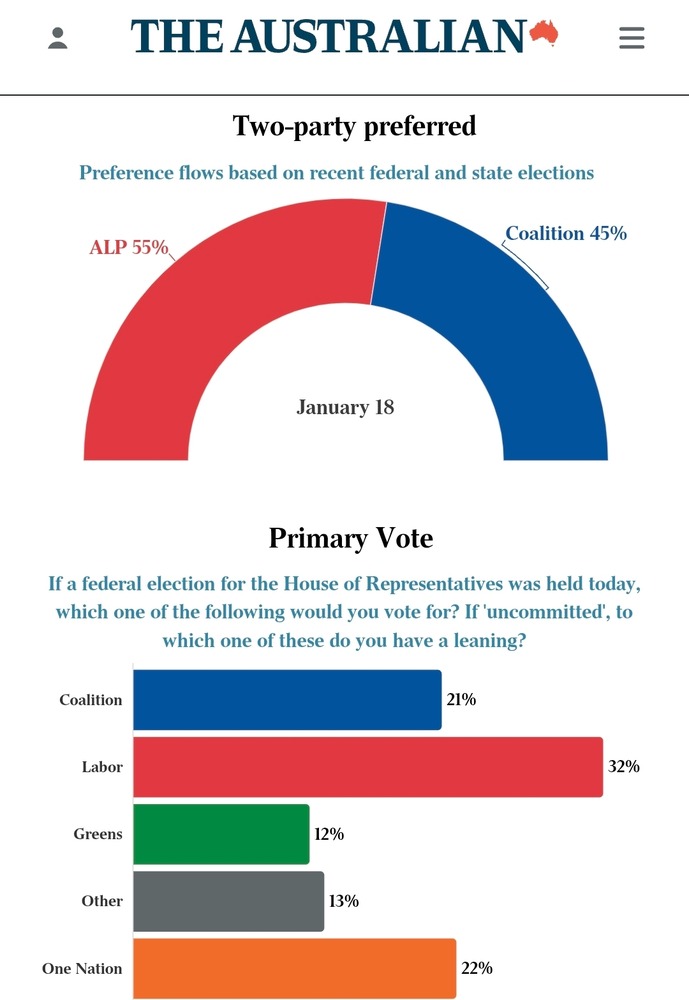
First Newspoll of the year has Labor ahead 55-45. On one hand, this is a significant drop from the 58-42 they got in the last Newspoll two months ago. OTOH I’m hoping we’ll see an end to ledes describing Labor as “embattled” or “imperilled”. They are streets ahead still.
If those primary polling results are any indication, the LNP could be involved in some three-cornered pitneys between ALP/LNP/ONP which should keep psychologists entertained.
Date: 18/01/2026 22:04:34
From: party_pants
ID: 2351530
Subject: re: Australian politics - January 2026
dv said:
First Newspoll of the year has Labor ahead 55-45. On one hand, this is a significant drop from the 58-42 they got in the last Newspoll two months ago. OTOH I’m hoping we’ll see an end to ledes describing Labor as “embattled” or “imperilled”. They are streets ahead still.
If those primary polling results are any indication, the LNP could be involved in some three-cornered pitneys between ALP/LNP/ONP which should keep psychologists entertained.
If ONP are getting a bigger primary vote than L/NP coalition, the 2PP figure might be a bit of an assumption.
Date: 18/01/2026 22:08:54
From: Tau.Neutrino
ID: 2351531
Subject: re: Australian politics - January 2026
🤔 Election defames
Date: 18/01/2026 22:20:58
From: Tau.Neutrino
ID: 2351538
Subject: re: Australian politics - January 2026
Tau.Neutrino said:
🤔 Election defames
Dutton threatens to take Australian voters to court for defaming him.
Date: 18/01/2026 22:43:25
From: Tau.Neutrino
ID: 2351554
Subject: re: Australian politics - January 2026
Tau.Neutrino said:
Tau.Neutrino said:
🤔 Election defames
Dutton threatens to take Australian voters to court for defaming him.
Election loss defames Peter.
Date: 18/01/2026 22:45:24
From: Tau.Neutrino
ID: 2351555
Subject: re: Australian politics - January 2026
Tau.Neutrino said:
Tau.Neutrino said:
Tau.Neutrino said:
🤔 Election defames
Dutton threatens to take Australian voters to court for defaming him.
Election loss defames Peter.
He did such a bad job he should sue himself.
Date: 19/01/2026 04:53:38
From: SCIENCE
ID: 2351572
Subject: re: Australian politics - January 2026
party_pants said:
dv said:
First Newspoll of the year has Labor ahead 55-45. On one hand, this is a significant drop from the 58-42 they got in the last Newspoll two months ago. OTOH I’m hoping we’ll see an end to ledes describing Labor as “embattled” or “imperilled”. They are streets ahead still.
If those primary polling results are any indication, the LNP could be involved in some three-cornered pitneys between ALP/LNP/ONP which should keep psychologists entertained.
If ONP are getting a bigger primary vote than L/NP coalition, the 2PP figure might be a bit of an assumption.
22% what the fuck
Date: 20/01/2026 09:04:37
From: Divine Angel
ID: 2351855
Subject: re: Australian politics - January 2026
The Queensland government will not be participating in the federal government’s proposed gun buyback scheme, the ABC understands.
State and territory governments are reviewing their firearms and hate speech legislation in the wake of last month’s Bondi terror attack.
The ABC understands the Queensland government will join the Northern Territory and Tasmania in rejecting a national buyback scheme.
Critically, the Howard federal government’s 1996 gun buyback had unanimous support across all states and territories.
Following the Bondi attack in December, the federal government committed to overhauling hate speech laws and tackling gun reform, including a gun buyback scheme
https://www.abc.net.au/news/2026-01-19/qld-government-refuses-support-federal-gun-buyback/106246450
Date: 20/01/2026 09:47:48
From: Michael V
ID: 2351860
Subject: re: Australian politics - January 2026
Divine Angel said:
The Queensland government will not be participating in the federal government’s proposed gun buyback scheme, the ABC understands.
State and territory governments are reviewing their firearms and hate speech legislation in the wake of last month’s Bondi terror attack.
The ABC understands the Queensland government will join the Northern Territory and Tasmania in rejecting a national buyback scheme.
Critically, the Howard federal government’s 1996 gun buyback had unanimous support across all states and territories.
Following the Bondi attack in December, the federal government committed to overhauling hate speech laws and tackling gun reform, including a gun buyback scheme
https://www.abc.net.au/news/2026-01-19/qld-government-refuses-support-federal-gun-buyback/106246450
Yeah.
Fk Crisafooly.
Pwned by the farmers who want many and varied guns.
Date: 20/01/2026 09:49:26
From: Divine Angel
ID: 2351861
Subject: re: Australian politics - January 2026
Michael V said:
Divine Angel said:
The Queensland government will not be participating in the federal government’s proposed gun buyback scheme, the ABC understands.
State and territory governments are reviewing their firearms and hate speech legislation in the wake of last month’s Bondi terror attack.
The ABC understands the Queensland government will join the Northern Territory and Tasmania in rejecting a national buyback scheme.
Critically, the Howard federal government’s 1996 gun buyback had unanimous support across all states and territories.
Following the Bondi attack in December, the federal government committed to overhauling hate speech laws and tackling gun reform, including a gun buyback scheme
https://www.abc.net.au/news/2026-01-19/qld-government-refuses-support-federal-gun-buyback/106246450
Yeah.
Fk Crisafooly.
Pwned by the farmers who want many and varied guns.
If an incident similar to Bondi happened in Surfers Paradise, he’d be the first to offer thoughts and prayers.
Date: 20/01/2026 09:53:05
From: Michael V
ID: 2351864
Subject: re: Australian politics - January 2026
Divine Angel said:
Michael V said:
Divine Angel said:
The Queensland government will not be participating in the federal government’s proposed gun buyback scheme, the ABC understands.
State and territory governments are reviewing their firearms and hate speech legislation in the wake of last month’s Bondi terror attack.
The ABC understands the Queensland government will join the Northern Territory and Tasmania in rejecting a national buyback scheme.
Critically, the Howard federal government’s 1996 gun buyback had unanimous support across all states and territories.
Following the Bondi attack in December, the federal government committed to overhauling hate speech laws and tackling gun reform, including a gun buyback scheme
https://www.abc.net.au/news/2026-01-19/qld-government-refuses-support-federal-gun-buyback/106246450
Yeah.
Fk Crisafooly.
Pwned by the farmers who want many and varied guns.
If an incident similar to Bondi happened in Surfers Paradise, he’d be the first to offer thoughts and prayers.
Very useful in those circumstances.
Date: 20/01/2026 10:35:44
From: SCIENCE
ID: 2351869
Subject: re: Australian politics - January 2026
Date: 20/01/2026 14:51:55
From: Tau.Neutrino
ID: 2351943
Subject: re: Australian politics - January 2026
Gun laws passed.
Hate laws passed.
Date: 20/01/2026 14:57:00
From: Tau.Neutrino
ID: 2351947
Subject: re: Australian politics - January 2026
Date: 20/01/2026 14:58:17
From: SCIENCE
ID: 2351948
Subject: re: Australian politics - January 2026
SCIENCE said:
Tau.Neutrino said:
Tau.Neutrino said:
Gun laws passed.
Hate laws passed.
Hate laws to pass after Labor and Liberal deal
oh, snap
Date: 20/01/2026 18:56:56
From: SCIENCE
ID: 2352044
Subject: re: Australian politics - January 2026
what a bastard
An independent tribunal has set new rules for politicians’ family travel entitlements following an expense scandal. MPs who take their partners and children on work-related trips outside Canberra can still charge taxpayers for the expense, but there will be new limits. Politicians’ family members and spouses will no longer be able to fly business class at taxpayers’ expense. Prime Minister Anthony Albanese triggered the crackdown on MP travel expenses after several senior Labor members were criticised for their use of allowances, including Sports Minister Anika Wells, who spent thousands of dollars on family flights.
how dare so-called “Labor” leaders workplace bully their colleagues over travel to work
Date: 21/01/2026 15:53:04
From: buffy
ID: 2352269
Subject: re: Australian politics - January 2026
The LNP seem to be having a bit of a moment.
Senior Nationals quit frontbench after defying shadow cabinet on hate speech laws
(OK, I went away from the computer for a couple of hours. I’m catching up before I head off to archery)
Date: 21/01/2026 16:01:38
From: roughbarked
ID: 2352273
Subject: re: Australian politics - January 2026
Australian NATO envoy Di Turton warns North Korea has ‘combat-ready troops in our region’
Exclusive by Europe bureau chief Mazoe Ford in Brussels
Topic: War.
Australia’s outgoing military envoy to NATO has warned against conflict complacency Down Under, saying North Korea’s “strengthening partnership” with Russia means “more combat-ready troops operating in our region”.
Air Vice-Marshal Di Turton is preparing to return to Canberra after two years serving as Australia’s military representative to NATO and the European Union in Brussels.
As a two-star officer, she is one of the most senior women in the Australian Defence Force (ADF).
She spoke to the ABC exclusively before finishing her European posting.
Date: 21/01/2026 16:35:02
From: Michael V
ID: 2352301
Subject: re: Australian politics - January 2026
Date: 21/01/2026 16:39:30
From: Divine Angel
ID: 2352304
Subject: re: Australian politics - January 2026
Michael V said:
Don’t stick these difficult to remove political stickers in any of these publicly viewable places. Snigger.
Hahaha!
Today we were behind a Ute with stickers like, “fit in or fuck off” and a white supremacy hand sign.
Date: 21/01/2026 16:46:20
From: Boris
ID: 2352309
Subject: re: Australian politics - January 2026
Date: 21/01/2026 16:47:01
From: Bubblecar
ID: 2352310
Subject: re: Australian politics - January 2026
Divine Angel said:
Michael V said:
Don’t stick these difficult to remove political stickers in any of these publicly viewable places. Snigger.
Hahaha!
Today we were behind a Ute with stickers like, “fit in or fuck off” and a white supremacy hand sign.
I’ve seen the “fit in or fuck off” one. Quite laughable that these antisocial pricks don’t realise that they are the misfits.
Date: 21/01/2026 16:48:26
From: roughbarked
ID: 2352311
Subject: re: Australian politics - January 2026
Bubblecar said:
Divine Angel said:
Michael V said:
Don’t stick these difficult to remove political stickers in any of these publicly viewable places. Snigger.
Hahaha!
Today we were behind a Ute with stickers like, “fit in or fuck off” and a white supremacy hand sign.
I’ve seen the “fit in or fuck off” one. Quite laughable that these antisocial pricks don’t realise that they are the misfits.
I’m telliing you that they think everyone else are the misfits. They are the ones with the guns too.
Date: 21/01/2026 20:22:49
From: Divine Angel
ID: 2352385
Subject: re: Australian politics - January 2026
Date: 21/01/2026 20:23:35
From: Divine Angel
ID: 2352386
Subject: re: Australian politics - January 2026
https://www.abc.net.au/news/2026-01-21/nationals-coalition-littleproud-ley-hate-laws/106254676
Date: 21/01/2026 20:35:48
From: Michael V
ID: 2352392
Subject: re: Australian politics - January 2026
Divine Angel said:
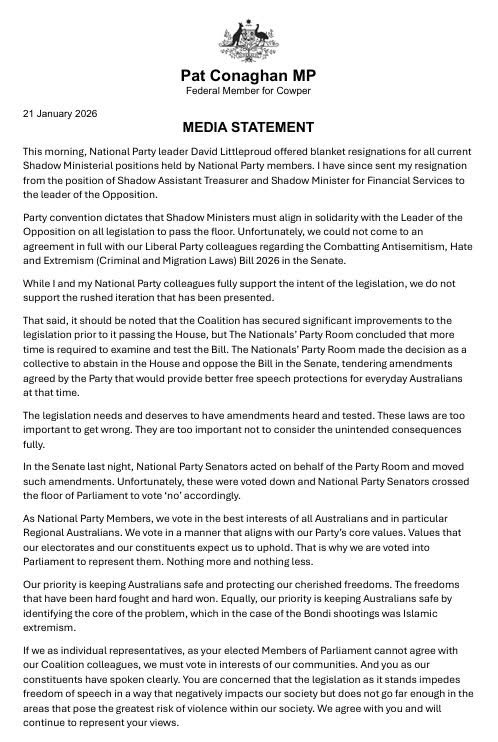
Ah well…
Date: 21/01/2026 20:50:18
From: roughbarked
ID: 2352400
Subject: re: Australian politics - January 2026
Michael V said:
Divine Angel said:
Ah well…

Date: 21/01/2026 21:23:54
From: SCIENCE
ID: 2352401
Subject: re: Australian politics - January 2026
roughbarked said:
Michael V said:
Divine Angel said:
Ah well…
One Nationals Will Fix This
Date: 21/01/2026 21:35:29
From: captain_spalding
ID: 2352406
Subject: re: Australian politics - January 2026
Michael V said:
Divine Angel said:
Ah well…
Interesting that it cites “…the freedoms that were hard fought and hard won.”
Had it been up to the National Party, or its predecessor Country Party, and the UAP/Liberal party, a lot of those ‘freedoms’ would not exist.
In any case, it’s not like anyone had to man the barricades, or launch a revolution. The ‘freedoms’ that we have are the products of reasoned debate among intelligent people, who could see that such privileges as we enjoy are things that its reasonable for a population to have.
And, ‘privileges’ they are. A lot of things that Australians might think of as ‘rights’ are not enshrined in law in any way, and can be removed from us at the whim of a government which takes a more dim view of them.
Date: 21/01/2026 21:51:52
From: SCIENCE
ID: 2352411
Subject: re: Australian politics - January 2026
captain_spalding said:
Michael V said:
Divine Angel said:
Ah well…
Interesting that it cites “…the freedoms that were hard fought and hard won.”
Had it been up to the National Party, or its predecessor Country Party, and the UAP/Liberal party, a lot of those ‘freedoms’ would not exist.
In any case, it’s not like anyone had to man the barricades, or launch a revolution. The ‘freedoms’ that we have are the products of reasoned debate among intelligent people, who could see that such privileges as we enjoy are things that its reasonable for a population to have.
And, ‘privileges’ they are. A lot of things that Australians might think of as ‘rights’ are not enshrined in law in any way, and can be removed from us at the whim of a government which takes a more dim view of them.
we mean there’s always talk and fear of Big Bad Governments taking away “rights” but people would do well to remember that without governance in fact anyone else could just come along and take away those “rights” and yous would have no recourse either
Date: 21/01/2026 22:16:51
From: dv
ID: 2352413
Subject: re: Australian politics - January 2026
Every Nationals member of the Coalition shadow ministry has quit their position in solidarity with three colleagues dumped for crossing the floor on hate laws.
Opposition leader Sussan Ley says the resignation offers are “unnecessary” and she is giving the Nationals time to reconsider.
https://www.abc.net.au/news/2026-01-21/nationals-coalition-littleproud-ley-hate-laws/106254676
I foresee the headlines in The Australian
Labor in crisis
Date: 21/01/2026 22:20:32
From: captain_spalding
ID: 2352414
Subject: re: Australian politics - January 2026
dv said:
Every Nationals member of the Coalition shadow ministry has quit their position in solidarity with three colleagues dumped for crossing the floor on hate laws.
Opposition leader Sussan Ley says the resignation offers are “unnecessary” and she is giving the Nationals time to reconsider.
https://www.abc.net.au/news/2026-01-21/nationals-coalition-littleproud-ley-hate-laws/106254676
I foresee the headlines in The Australian
Labor in crisis
I foresee the Liberal party deciding that it’s been very nice to let one of the ladies have a go at running the party, but, look, really, with the best will in the world and with the greatest of respect, we can see that the time is not yet right, so let’s put one of the chaps back in charge, eh?
Date: 21/01/2026 23:00:50
From: Michael V
ID: 2352418
Subject: re: Australian politics - January 2026
dv said:
Every Nationals member of the Coalition shadow ministry has quit their position in solidarity with three colleagues dumped for crossing the floor on hate laws.
Opposition leader Sussan Ley says the resignation offers are “unnecessary” and she is giving the Nationals time to reconsider.
https://www.abc.net.au/news/2026-01-21/nationals-coalition-littleproud-ley-hate-laws/106254676
I foresee the headlines in The Australian
Labor in crisis
LOLOL
Date: 21/01/2026 23:27:05
From: SCIENCE
ID: 2352419
Subject: re: Australian politics - January 2026
Michael V said:
captain_spalding said:
dv said:
Every Nationals member of the Coalition shadow ministry has quit their position in solidarity with three colleagues dumped for crossing the floor on hate laws.
Opposition leader Sussan Ley says the resignation offers are “unnecessary” and she is giving the Nationals time to reconsider.
https://www.abc.net.au/news/2026-01-21/nationals-coalition-littleproud-ley-hate-laws/106254676
I foresee the headlines in The Australian
Labor in crisis
I foresee the Liberal party deciding that it’s been very nice to let one of the ladies have a go at running the party, but, look, really, with the best will in the world and with the greatest of respect, we can see that the time is not yet right, so let’s put one of the chaps back in charge, eh?
LOLOL
how else are we to know what good is if there is no bad
Date: 22/01/2026 09:57:13
From: roughbarked
ID: 2352473
Subject: re: Australian politics - January 2026
Nationals Leader David Littleproud says his party’s alliance with the Liberal Party has ended, with no Nationals willing to serve in a shadow cabinet under Sussan Ley.
The Nationals will now sit by themselves on the crossbench, and Mr Littleproud suggested this would not change while Ms Ley remained leader.
Date: 22/01/2026 09:58:26
From: SCIENCE
ID: 2352475
Subject: re: Australian politics - January 2026
roughbarked said:
Nationals Leader David Littleproud says his party’s alliance with the Liberal Party has ended, with no Nationals willing to serve in a shadow cabinet under Sussan Ley.
The Nationals will now sit by themselves on the crossbench, and Mr Littleproud suggested this would not change while Ms Ley remained leader.
hilarious that after all this green aren’t able to step up
Date: 22/01/2026 09:59:57
From: Divine Angel
ID: 2352477
Subject: re: Australian politics - January 2026
roughbarked said:
Nationals Leader David Littleproud says his party’s alliance with the Liberal Party has ended, with no Nationals willing to serve in a shadow cabinet under Sussan Ley.
The Nationals will now sit by themselves on the crossbench, and Mr Littleproud suggested this would not change while Ms Ley remained leader.
🍿
Date: 22/01/2026 10:02:17
From: Michael V
ID: 2352479
Subject: re: Australian politics - January 2026
Divine Angel said:
roughbarked said:
Nationals Leader David Littleproud says his party’s alliance with the Liberal Party has ended, with no Nationals willing to serve in a shadow cabinet under Sussan Ley.
The Nationals will now sit by themselves on the crossbench, and Mr Littleproud suggested this would not change while Ms Ley remained leader.
🍿
The Liberal Chaps have pocketed some Nationals, it seems.
Date: 22/01/2026 10:07:21
From: SCIENCE
ID: 2352482
Subject: re: Australian politics - January 2026
Michael V said:
Divine Angel said:
roughbarked said:
Nationals Leader David Littleproud says his party’s alliance with the Liberal Party has ended, with no Nationals willing to serve in a shadow cabinet under Sussan Ley.
The Nationals will now sit by themselves on the crossbench, and Mr Littleproud suggested this would not change while Ms Ley remained leader.
🍿
The Liberal Chaps have pocketed some Nationals, it seems.
like knocked them into the pocket with a cue ball pocketed, or made a healthy profit in cold hard items of value pocketed
Date: 22/01/2026 10:33:54
From: Witty Rejoinder
ID: 2352487
Subject: re: Australian politics - January 2026
roughbarked said:
Nationals Leader David Littleproud says his party’s alliance with the Liberal Party has ended, with no Nationals willing to serve in a shadow cabinet under Sussan Ley.
The Nationals will now sit by themselves on the crossbench, and Mr Littleproud suggested this would not change while Ms Ley remained leader.
What we need is a true daughter of the soil Nationals leader who reminds us all of Thatcher that could take us all into the sunlit uplands Labor be damned.
Date: 22/01/2026 10:55:40
From: Michael V
ID: 2352497
Subject: re: Australian politics - January 2026
SCIENCE said:
Michael V said:
Divine Angel said:
🍿
The Liberal Chaps have pocketed some Nationals, it seems.
like knocked them into the pocket with a cue ball pocketed, or made a healthy profit in cold hard items of value pocketed
More like put the Nationals in their pockets in order to crash Sussan.
Date: 22/01/2026 10:56:59
From: roughbarked
ID: 2352500
Subject: re: Australian politics - January 2026
Michael V said:
SCIENCE said:
Michael V said:
The Liberal Chaps have pocketed some Nationals, it seems.
like knocked them into the pocket with a cue ball pocketed, or made a healthy profit in cold hard items of value pocketed
More like put the Nationals in their pockets in order to crash Sussan.
Get the chaps back on top?
Date: 22/01/2026 12:12:48
From: dv
ID: 2352531
Subject: re: Australian politics - January 2026
Date: 22/01/2026 12:18:18
From: SCIENCE
ID: 2352536
Subject: re: Australian politics - January 2026
dv said:
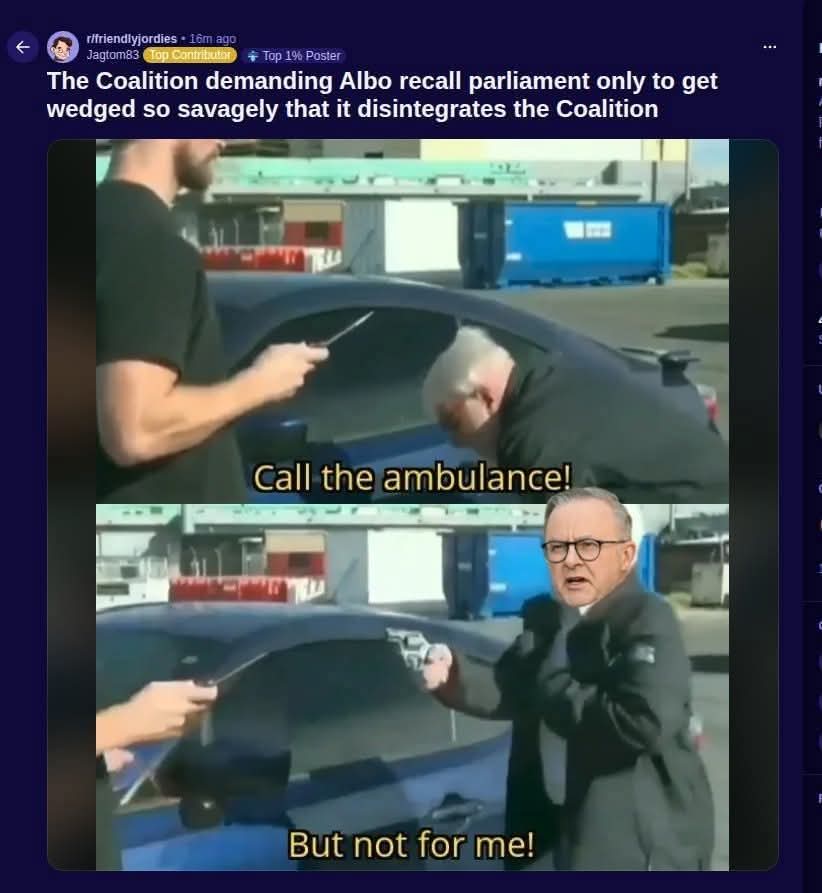
LOL
Date: 22/01/2026 12:22:09
From: Michael V
ID: 2352537
Subject: re: Australian politics - January 2026
dv said:
LOL
Date: 22/01/2026 12:46:11
From: captain_spalding
ID: 2352549
Subject: re: Australian politics - January 2026
ABC News:
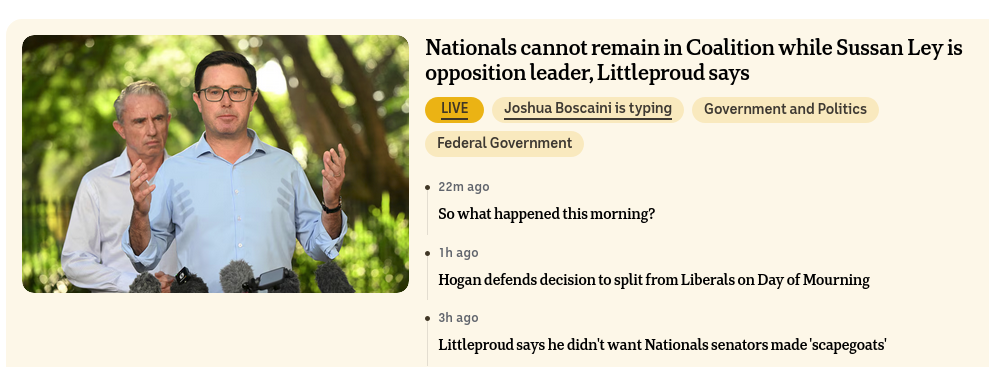
Nats: “All right, chaps, it’s been jolly good of you to let one of the ladies take a turn at the wheel, done wonders for their self-esteem, no doubt, but, look, the next election isn’t really all that far off, don’t you think it’s about time that you found a proper leader?”.
Date: 22/01/2026 15:35:00
From: Tau.Neutrino
ID: 2352625
Subject: re: Australian politics - January 2026
Liberal, national party now smaller.
Useless lot.
Date: 22/01/2026 15:39:29
From: Tau.Neutrino
ID: 2352628
Subject: re: Australian politics - January 2026
Tau.Neutrino said:
Liberal, national party now smaller.
Useless lot.
If the libs continue to become smaller it will be hard to see them.
Date: 22/01/2026 15:45:06
From: Tau.Neutrino
ID: 2352630
Subject: re: Australian politics - January 2026
Tau.Neutrino said:
Tau.Neutrino said:
Liberal, national party now smaller.
Useless lot.
If the libs continue to become smaller it will be hard to see them.
The nationals could not see the popularity of the hate laws, and then they fell over themselves.
The Liberal National party room resembles a smoking ruin.
Major bushfire with no one to put out the fire.
Date: 22/01/2026 15:51:36
From: Tau.Neutrino
ID: 2352634
Subject: re: Australian politics - January 2026
Wonders if the Nationals will side with One Nation.
Date: 22/01/2026 16:03:01
From: Tau.Neutrino
ID: 2352648
Subject: re: Australian politics - January 2026
Tau.Neutrino said:
Tau.Neutrino said:
Tau.Neutrino said:
Liberal, national party now smaller.
Useless lot.
If the libs continue to become smaller it will be hard to see them.
The nationals could not see the popularity of the hate laws, and then they fell over themselves.
The Liberal National party room resembles a smoking ruin.
Major bushfire with no one to put out the fire.
The fire started by Murdoch and the right wing bubble.
Date: 22/01/2026 16:04:42
From: roughbarked
ID: 2352649
Subject: re: Australian politics - January 2026
Tau.Neutrino said:
Tau.Neutrino said:
Tau.Neutrino said:
If the libs continue to become smaller it will be hard to see them.
The nationals could not see the popularity of the hate laws, and then they fell over themselves.
The Liberal National party room resembles a smoking ruin.
Major bushfire with no one to put out the fire.
The fire started by Murdoch and the right wing bubble.
The wing has lost its flight feathers.
Date: 22/01/2026 16:11:10
From: Tau.Neutrino
ID: 2352657
Subject: re: Australian politics - January 2026
roughbarked said:
Tau.Neutrino said:
Tau.Neutrino said:
The nationals could not see the popularity of the hate laws, and then they fell over themselves.
The Liberal National party room resembles a smoking ruin.
Major bushfire with no one to put out the fire.
The fire started by Murdoch and the right wing bubble.
The wing has lost its flight feathers.
The libs need to rid themselves of the Murdoch influence.
Date: 22/01/2026 19:48:49
From: Ian
ID: 2352720
Subject: re: Australian politics - January 2026
Date: 22/01/2026 20:01:44
From: Michael V
ID: 2352722
Subject: re: Australian politics - January 2026
Date: 22/01/2026 20:13:08
From: Divine Angel
ID: 2352726
Subject: re: Australian politics - January 2026
Date: 22/01/2026 20:23:15
From: SCIENCE
ID: 2352728
Subject: re: Australian politics - January 2026
sure
“It was never his intention to hurt anyone.” Ms Shilton told the court her client’s intention was to make “national news” and “bring people together” following the disenchantment with the government.
sure sure
Date: 22/01/2026 22:29:49
From: SCIENCE
ID: 2352743
Subject: re: Australian politics - January 2026
Date: 22/01/2026 22:47:06
From: roughbarked
ID: 2352746
Subject: re: Australian politics - January 2026
SCIENCE said:
always knew Liberal National were the best economic managers
https://www.abc.net.au/news/2026-01-22/reserve-bank-earns-global-praise-for-economic-soft-landing/106254000
They always told us that but we knew.
Date: 23/01/2026 09:05:38
From: SCIENCE
ID: 2352783
Subject: re: Australian politics - January 2026
see Vic Pol are no better than the new fascist gestapo in that other great place
https://www.abc.net.au/news/2026-01-23/vic-police-rammed-in-melbourne/106260236
Date: 23/01/2026 09:10:10
From: roughbarked
ID: 2352786
Subject: re: Australian politics - January 2026
SCIENCE said:
see Vic Pol are no better than the new fascist gestapo in that other great place
https://www.abc.net.au/news/2026-01-23/vic-police-rammed-in-melbourne/106260236
Vic Pol have a history of shoot first ask questions later.
Date: 23/01/2026 18:32:55
From: dv
ID: 2352965
Subject: re: Australian politics - January 2026
Date: 23/01/2026 18:37:00
From: dv
ID: 2352966
Subject: re: Australian politics - January 2026
dv said:
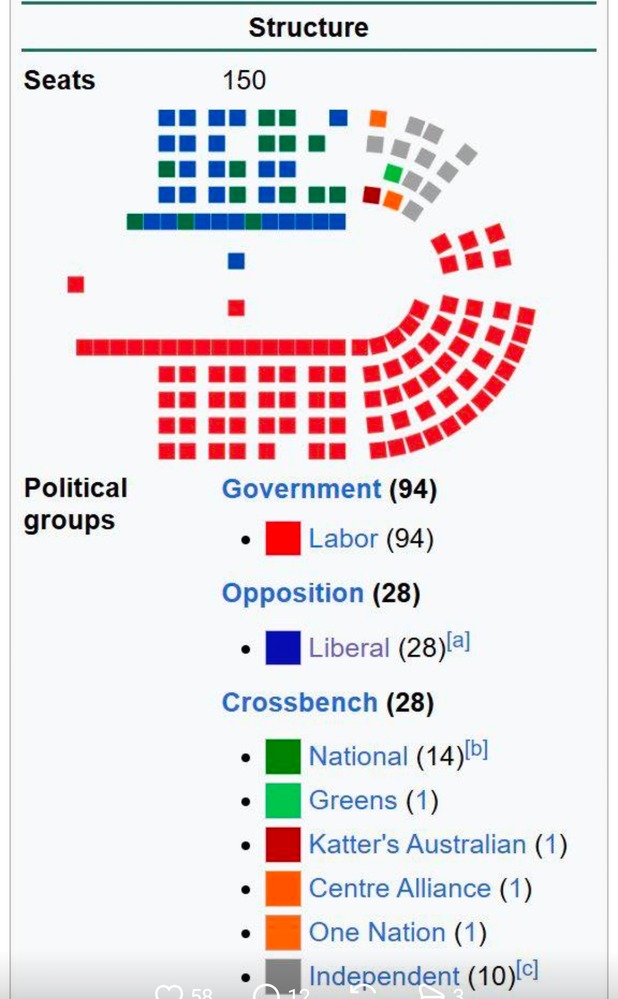
It doesn’t often happen in Australia that the crossbench has as many seats as the opposition but here we are
Date: 23/01/2026 19:57:16
From: SCIENCE
ID: 2352987
Subject: re: Australian politics - January 2026
dv said:
dv said:
It doesn’t often happen in Australia that the crossbench has as many seats as the opposition but here we are
don’t worry when Two Nationa are the government next election we’ll see who’s laughing then
Date: 24/01/2026 07:58:23
From: Divine Angel
ID: 2353022
Subject: re: Australian politics - January 2026
Date: 24/01/2026 09:19:05
From: Michael V
ID: 2353027
Subject: re: Australian politics - January 2026
Divine Angel said:
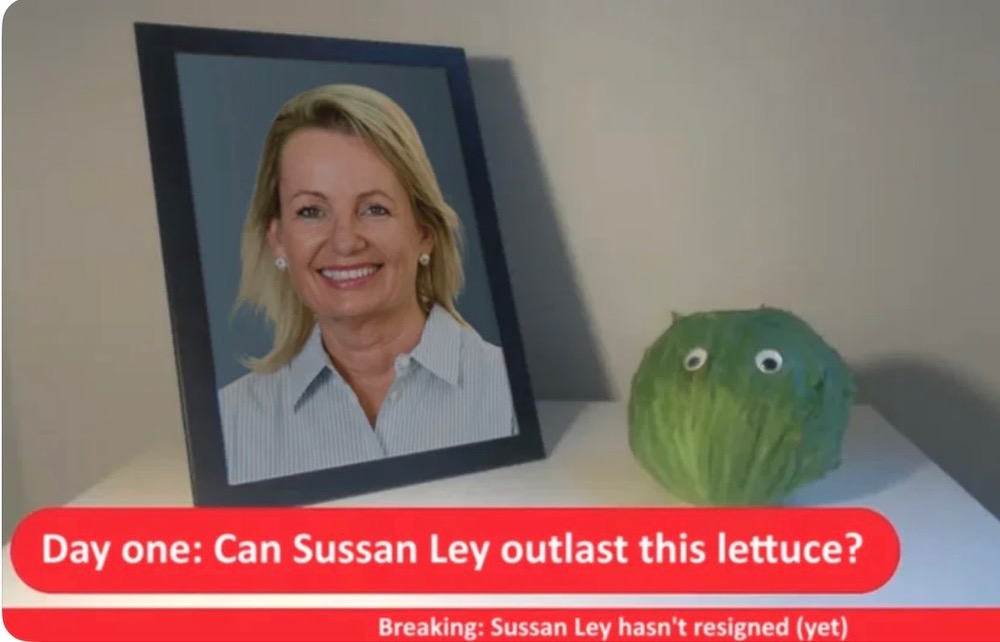
:)
IIRC, a similar thing was done in the UK.
Date: 24/01/2026 09:32:35
From: Divine Angel
ID: 2353030
Subject: re: Australian politics - January 2026
Michael V said:
Divine Angel said:
:)
IIRC, a similar thing was done in the UK.
Liz Truss. She did not last longer than the lettuce.
Date: 24/01/2026 09:49:59
From: Michael V
ID: 2353033
Subject: re: Australian politics - January 2026
Divine Angel said:
Michael V said:
Divine Angel said:
:)
IIRC, a similar thing was done in the UK.
Liz Truss. She did not last longer than the lettuce.
Ta.
Date: 24/01/2026 10:47:06
From: SCIENCE
ID: 2353035
Subject: re: Australian politics - January 2026
wait did Susle just become prime minister¿¡
Date: 24/01/2026 13:45:23
From: Ian
ID: 2353095
Subject: re: Australian politics - January 2026
Divine Angel said:
Ooo.. cruel
Date: 24/01/2026 13:46:53
From: Ian
ID: 2353096
Subject: re: Australian politics - January 2026
Ian said:
Divine Angel said:
Ooo.. cruel
She is totally fkn hopeless..
..even by Lib leader standards :)
Date: 24/01/2026 13:49:58
From: Witty Rejoinder
ID: 2353098
Subject: re: Australian politics - January 2026
Ian said:
Ian said:
Divine Angel said:
Ooo.. cruel
She is totally fkn hopeless..
..even by Lib leader standards :)
I dunno. With Hastie or Taylor as replacements Ley might be the best of a very bad bunch.
Date: 24/01/2026 13:53:42
From: The Rev Dodgson
ID: 2353099
Subject: re: Australian politics - January 2026
Witty Rejoinder said:
Ian said:
Ian said:
Ooo.. cruel
She is totally fkn hopeless..
..even by Lib leader standards :)
I dunno. With Hastie or Taylor as replacements Ley might be the best of a very bad bunch.
Bring back Mandy V. I say.
Date: 24/01/2026 13:53:54
From: Ian
ID: 2353100
Subject: re: Australian politics - January 2026
Witty Rejoinder said:
Ian said:
Ian said:
Ooo.. cruel
She is totally fkn hopeless..
..even by Lib leader standards :)
I dunno. With Hastie or Taylor as replacements Ley might be the best of a very bad bunch.
Have you actually listened to any of her drivel?
Date: 24/01/2026 13:57:08
From: party_pants
ID: 2353101
Subject: re: Australian politics - January 2026
Witty Rejoinder said:
Ian said:
Ian said:
Ooo.. cruel
She is totally fkn hopeless..
..even by Lib leader standards :)
I dunno. With Hastie or Taylor as replacements Ley might be the best of a very bad bunch.
They are stuck. The Australian electorate are just too stubborn for them. In the cities the population is very centrist, you just won’t win government if you’re too far to the right, in fact you’ll lose seats to teals and indies. It’s mostly in the country where the right appeals, but they just don’t have a large enough population to swing you into power. So they are trapped in between the city/country split and don’t know where to position themselves. If they become the city-focused conservative party then I think they should stick with her and change their focus to winning the city seats.
Date: 24/01/2026 13:59:13
From: Witty Rejoinder
ID: 2353103
Subject: re: Australian politics - January 2026
Ian said:
Witty Rejoinder said:
Ian said:
She is totally fkn hopeless..
..even by Lib leader standards :)
I dunno. With Hastie or Taylor as replacements Ley might be the best of a very bad bunch.
Have you actually listened to any of her drivel?
I have. But Taylor is terrible and after having high hopes for Hastie he has turned out to be a god damn fuckin’ moron.
Date: 24/01/2026 14:06:50
From: SCIENCE
ID: 2353106
Subject: re: Australian politics - January 2026
Witty Rejoinder said:
Ian said:
Witty Rejoinder said:
I dunno. With Hastie or Taylor as replacements Ley might be the best of a very bad bunch.
Have you actually listened to any of her drivel?
I have. But Taylor is terrible and after having high hopes for Hastie he has turned out to be a god damn fuckin’ moron.
shrug yous lot are plenty generous
Date: 24/01/2026 14:06:58
From: Ian
ID: 2353107
Subject: re: Australian politics - January 2026
Witty Rejoinder said:
Ian said:
Witty Rejoinder said:
I dunno. With Hastie or Taylor as replacements Ley might be the best of a very bad bunch.
Have you actually listened to any of her drivel?
I have. But Taylor is terrible and after having high hopes for Hastie he has turned out to be a god damn fuckin’ moron.
Nah, Hastie has ambitions but was always rubbish. I’ll wager it’ll be Taylor that they promote for lead god damn fuckin’ moron.
Date: 24/01/2026 14:18:09
From: Boris
ID: 2353110
Subject: re: Australian politics - January 2026
The Rev Dodgson said:
Witty Rejoinder said:
Ian said:
She is totally fkn hopeless..
..even by Lib leader standards :)
I dunno. With Hastie or Taylor as replacements Ley might be the best of a very bad bunch.
Bring back Mandy V. I say.
yeah, they could helicopter her in.
Date: 24/01/2026 14:19:14
From: SCIENCE
ID: 2353112
Subject: re: Australian politics - January 2026
Ian said:
Witty Rejoinder said:
Ian said:
Have you actually listened to any of her drivel?
I have. But Taylor is terrible and after having high hopes for Hastie he has turned out to be a god damn fuckin’ moron.
Nah, Hastie has ambitions but was always rubbish. I’ll wager it’ll be Taylor that they promote for lead god damn fuckin’ moron.
Fantastic. Great move.
Date: 25/01/2026 08:37:55
From: SCIENCE
ID: 2353325
Subject: re: Australian politics - January 2026
SCIENCE said:
Ian said:
Witty Rejoinder said:
I have. But Taylor is terrible and after having high hopes for Hastie he has turned out to be a god damn fuckin’ moron.
Nah, Hastie has ambitions but was always rubbish. I’ll wager it’ll be Taylor that they promote for lead god damn fuckin’ moron.
Fantastic. Great move.
hey you arseholes how about just do us all a favour and split the factions to 2 new parties
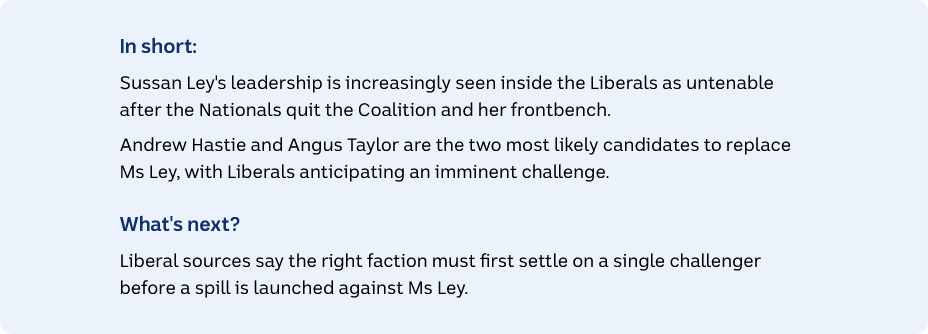
https://www.abc.net.au/news/2026-01-25/liberals-hastie-taylor-likely-challengers-sussan-ley-leadership/106265762
Date: 25/01/2026 13:02:51
From: dv
ID: 2353418
Subject: re: Australian politics - January 2026
https://www.abc.net.au/news/2026-01-25/greg-moriarty-us-ambassador-rudd/106266786
Greg Moriarty will replace Rudd as ambassador.
Date: 25/01/2026 13:08:17
From: Boris
ID: 2353421
Subject: re: Australian politics - January 2026
dv said:
https://www.abc.net.au/news/2026-01-25/greg-moriarty-us-ambassador-rudd/106266786
Greg Moriarty will replace Rudd as ambassador.
Moriarty is an impoverished member of the French aristocracy who has turned to crime to support his lifestyle. Despite having carried out many high-paying cons and robberies during his life, he and his criminal counterpart Hercules Grytpype-Thynne always appear to be permanently destitute.
Date: 25/01/2026 13:10:18
From: The Rev Dodgson
ID: 2353422
Subject: re: Australian politics - January 2026
Boris said:
dv said:
https://www.abc.net.au/news/2026-01-25/greg-moriarty-us-ambassador-rudd/106266786
Greg Moriarty will replace Rudd as ambassador.
Moriarty is an impoverished member of the French aristocracy who has turned to crime to support his lifestyle. Despite having carried out many high-paying cons and robberies during his life, he and his criminal counterpart Hercules Grytpype-Thynne always appear to be permanently destitute.
Should fit right in then :)
Date: 25/01/2026 13:11:36
From: SCIENCE
ID: 2353424
Subject: re: Australian politics - January 2026
Boris said:
dv said:
https://www.abc.net.au/news/2026-01-25/greg-moriarty-us-ambassador-rudd/106266786
Greg Moriarty will replace Rudd as ambassador.
Moriarty is an impoverished member of the French aristocracy who has turned to crime to support his lifestyle. Despite having carried out many high-paying cons and robberies during his life, he and his criminal counterpart Hercules Grytpype-Thynne always appear to be permanently destitute.
Date: 25/01/2026 13:12:22
From: Peak Warming Man
ID: 2353425
Subject: re: Australian politics - January 2026
Boris said:
dv said:
https://www.abc.net.au/news/2026-01-25/greg-moriarty-us-ambassador-rudd/106266786
Greg Moriarty will replace Rudd as ambassador.
Moriarty is an impoverished member of the French aristocracy who has turned to crime to support his lifestyle. Despite having carried out many high-paying cons and robberies during his life, he and his criminal counterpart Hercules Grytpype-Thynne always appear to be permanently destitute.
LOL
Date: 25/01/2026 13:21:21
From: AussieDJ
ID: 2353434
Subject: re: Australian politics - January 2026
Boris said:
dv said:
https://www.abc.net.au/news/2026-01-25/greg-moriarty-us-ambassador-rudd/106266786
Greg Moriarty will replace Rudd as ambassador.
Moriarty is an impoverished member of the French aristocracy who has turned to crime to support his lifestyle. Despite having carried out many high-paying cons and robberies during his life, he and his criminal counterpart Hercules Grytpype-Thynne always appear to be permanently destitute.
https://en.wikipedia.org/wiki/Count_Jim_Moriarty
Date: 25/01/2026 13:23:59
From: captain_spalding
ID: 2353435
Subject: re: Australian politics - January 2026
AussieDJ said:
Boris said:
dv said:
https://www.abc.net.au/news/2026-01-25/greg-moriarty-us-ambassador-rudd/106266786
Greg Moriarty will replace Rudd as ambassador.
Moriarty is an impoverished member of the French aristocracy who has turned to crime to support his lifestyle. Despite having carried out many high-paying cons and robberies during his life, he and his criminal counterpart Hercules Grytpype-Thynne always appear to be permanently destitute.
https://en.wikipedia.org/wiki/Count_Jim_Moriarty
Date: 25/01/2026 20:46:37
From: SCIENCE
ID: 2353661
Subject: re: Australian politics - January 2026
NSW Police arrested the 70-year-old during a raid of a home in Belmore, in Sydney’s west, on Saturday night, where officers seized more than 100 letters, stamps, notepads and several electronic devices. The ABC has seen the letter, which makes violent threats to several groups, including Middle Eastern communities and Aboriginal and Torres Strait Islanders, particularly those who protested against Australia Day. A number of political figures from Labor, the Greens and “socialists” were also singled out.
antisemitic bastards
wait
Gunther Mosslacher appeared in Bail Division court on Sunday, charged with three counts of making a vexatious call to an emergency service number, and one count of use of a carriage service to menace/harass/offend. He was denied bail. Police have not identified which minority group Mr Mosslacher was directing his threats to, but he told the court he was Jewish. Magistrate Robert Rabbidge told the court he acknowledged the Jewish community’s angst in the wake of the October 7, 2023 terror attacks, but that Mr Mosslacher had allegedly made “appalling verbal attacks”. “He himself claims to be a Jewish person and that frankly has taken me aback,” Magistrate Rabbidge said.
why can’t people have a go at their own community
oh
In a third hate-related incident, a 40-year-old man has been charged with common assault and assault occasioning bodily harm after allegedly attacking a 51-year-old man handing out religious material in Bankstown in Western Sydney. Police allege the pair, who had different religious beliefs, got into an argument about the material and the younger man struck the older man.
Sydney hey what a place¡
https://www.abc.net.au/news/2026-01-25/man-70-charged-alleged-threatening-letter-lakemba-mosque/106266730
Date: 26/01/2026 12:53:06
From: captain_spalding
ID: 2353838
Subject: re: Australian politics - January 2026
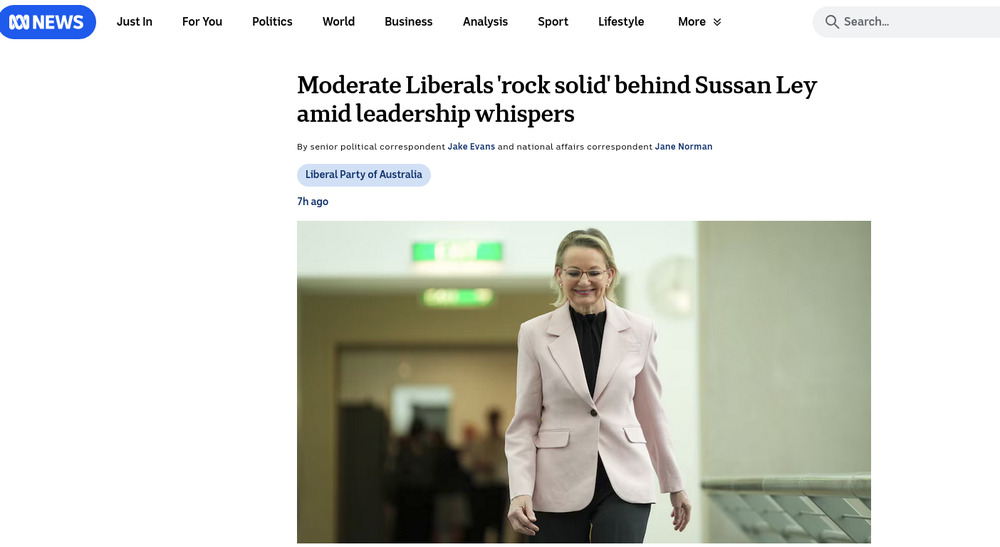
She’s toast.
Date: 26/01/2026 19:56:09
From: dv
ID: 2354055
Subject: re: Australian politics - January 2026
Today, some 20000 people became Australian citizens.
Which, all things considered, is not a bad thing to be.
Date: 26/01/2026 20:13:54
From: Kingy
ID: 2354064
Subject: re: Australian politics - January 2026
dv said:
Today, some 20000 people became Australian citizens.
Which, all things considered, is not a bad thing to be.
Several dozen were Australianised today in Busselton.
Date: 26/01/2026 20:16:12
From: Divine Angel
ID: 2354066
Subject: re: Australian politics - January 2026
Kingy said:
dv said:
Today, some 20000 people became Australian citizens.
Which, all things considered, is not a bad thing to be.
Several dozen were Australianised today in Busselton.
Do newly Australianised citizens get a voucher for a free Bunnings snag?
Date: 26/01/2026 20:28:40
From: Kingy
ID: 2354067
Subject: re: Australian politics - January 2026
Divine Angel said:
Kingy said:
dv said:
Today, some 20000 people became Australian citizens.
Which, all things considered, is not a bad thing to be.
Several dozen were Australianised today in Busselton.
Do newly Australianised citizens get a voucher for a free Bunnings snag?
Dunno, they did get a goody bag though. Drink coasters, a native plant in a little pot, and a letter from the Mayor.
Date: 26/01/2026 20:30:20
From: dv
ID: 2354069
Subject: re: Australian politics - January 2026
Divine Angel said:
Kingy said:
dv said:
Today, some 20000 people became Australian citizens.
Which, all things considered, is not a bad thing to be.
Several dozen were Australianised today in Busselton.
Do newly Australianised citizens get a voucher for a free Bunnings snag?
No but they get a little gift basket
Date: 26/01/2026 20:46:52
From: party_pants
ID: 2354080
Subject: re: Australian politics - January 2026
Divine Angel said:
Kingy said:
dv said:
Today, some 20000 people became Australian citizens.
Which, all things considered, is not a bad thing to be.
Several dozen were Australianised today in Busselton.
Do newly Australianised citizens get a voucher for a free Bunnings snag?
No.
Date: 26/01/2026 20:50:56
From: captain_spalding
ID: 2354082
Subject: re: Australian politics - January 2026
dv said:
Divine Angel said:
Kingy said:
Several dozen were Australianised today in Busselton.
Do newly Australianised citizens get a voucher for a free Bunnings snag?
No but they get a little gift basket
I recall what an Australian sailor said to the occupants of a refugee boat as they caught the tow-line he’d thrown them from the patrol boat:
‘Welcome to the fucking circus.’
Date: 26/01/2026 21:15:28
From: Boris
ID: 2354087
Subject: re: Australian politics - January 2026
The iconic greeting “G’day mate! Welcome to Australia” was famously delivered to Hieu Van Le, a Vietnamese refugee, upon his arrival by boat in Darwin Harbour in 1977.
The Scene: As the small, crowded refugee boat approached the shore, two Australian men in a “tinnie” (small aluminum boat)—wearing singlets, shorts, and zinc cream—approached them, with one raising a beer bottle (stubby) like a toast.
The Impact: Mr. Le, who went on to become the Governor of South Australia (the first Vietnamese refugee in the world to hold a vice-regal role), noted that this simple, casual, and warm greeting made him feel instantly welcome and eased his fears.
Context: This occurred during the wave of “boat people” arriving in Darwin in the late 1970s following the Vietnam War.
Date: 26/01/2026 21:18:04
From: kii
ID: 2354088
Subject: re: Australian politics - January 2026
captain_spalding said:
dv said:
Divine Angel said:
Do newly Australianised citizens get a voucher for a free Bunnings snag?
No but they get a little gift basket
I recall what an Australian sailor said to the occupants of a refugee boat as they caught the tow-line he’d thrown them from the patrol boat:
‘Welcome to the fucking circus.’
Was that you?
🤣
Date: 26/01/2026 22:08:02
From: captain_spalding
ID: 2354104
Subject: re: Australian politics - January 2026
kii said:
captain_spalding said:
dv said:
No but they get a little gift basket
I recall what an Australian sailor said to the occupants of a refugee boat as they caught the tow-line he’d thrown them from the patrol boat:
‘Welcome to the fucking circus.’
Was that you?
🤣
No.
Date: 27/01/2026 12:47:04
From: SCIENCE
ID: 2354251
Subject: re: Australian politics - January 2026
bit of rage bait for everyone early on a back to work day
https://www.abc.net.au/news/2026-01-27/nt-mandates-australian-anthem-be-sung-at-school-assemblies/106272914
aha some details
Students will also be expected to stand while the anthem is played.
oh will they be cancelled if they don’t
Date: 27/01/2026 12:50:05
From: roughbarked
ID: 2354256
Subject: re: Australian politics - January 2026
SCIENCE said:
bit of rage bait for everyone early on a back to work day
https://www.abc.net.au/news/2026-01-27/nt-mandates-australian-anthem-be-sung-at-school-assemblies/106272914
aha some details
Students will also be expected to stand while the anthem is played.
oh will they be cancelled if they don’t
So it is God save the King all over again.
Date: 27/01/2026 14:29:52
From: Divine Angel
ID: 2354304
Subject: re: Australian politics - January 2026
Date: 27/01/2026 14:34:56
From: The Rev Dodgson
ID: 2354305
Subject: re: Australian politics - January 2026
Divine Angel said:
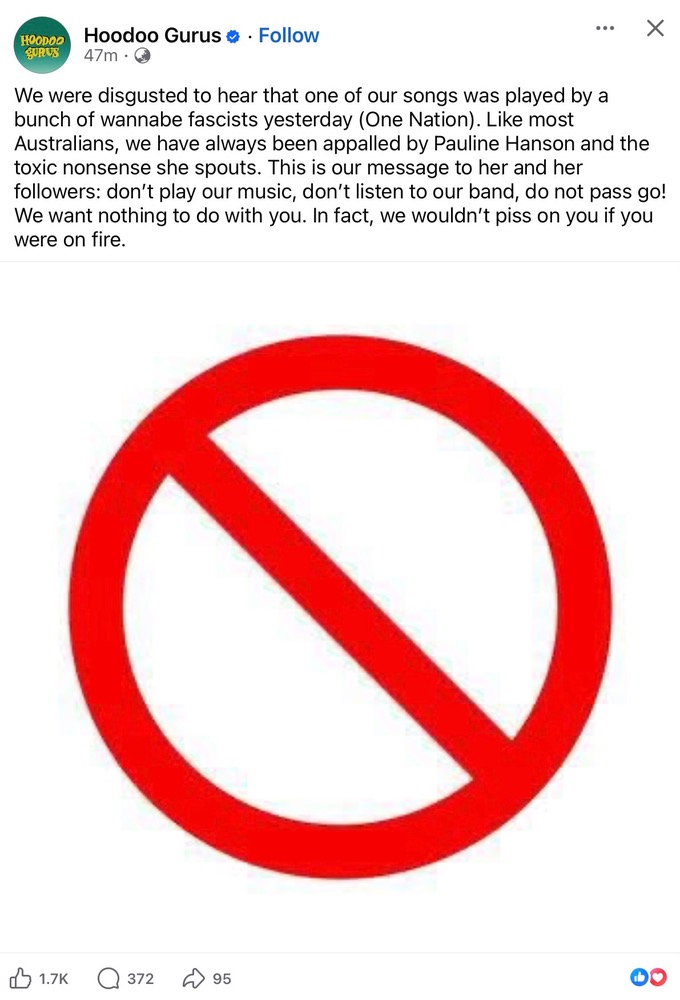
Fair comment.
Date: 27/01/2026 14:36:50
From: roughbarked
ID: 2354306
Subject: re: Australian politics - January 2026
The Rev Dodgson said:
Divine Angel said:
Fair comment.
succinct.
Date: 27/01/2026 14:40:39
From: Michael V
ID: 2354309
Subject: re: Australian politics - January 2026
Divine Angel said:
Yay! Way to say!
Date: 27/01/2026 15:55:06
From: Neophyte
ID: 2354325
Subject: re: Australian politics - January 2026
Divine Angel said:
And the responses from certain quarters have been fairly predictable…
“I paid for your music, I can play it anywhere I like”
“Always hated your music”
“Meh, you’re just a bunch over-the-hill nobodies trying to stay relevant”
Date: 27/01/2026 16:02:56
From: Cymek
ID: 2354328
Subject: re: Australian politics - January 2026
Neophyte said:
Divine Angel said:
And the responses from certain quarters have been fairly predictable…
“I paid for your music, I can play it anywhere I like”
“Always hated your music”
“Meh, you’re just a bunch over-the-hill nobodies trying to stay relevant”
Considering music has always been a popular medium for airing ones grievances against injustice I can understand being doubly upset.
Date: 27/01/2026 16:09:27
From: Divine Angel
ID: 2354329
Subject: re: Australian politics - January 2026
Well if we’re going to be mean…
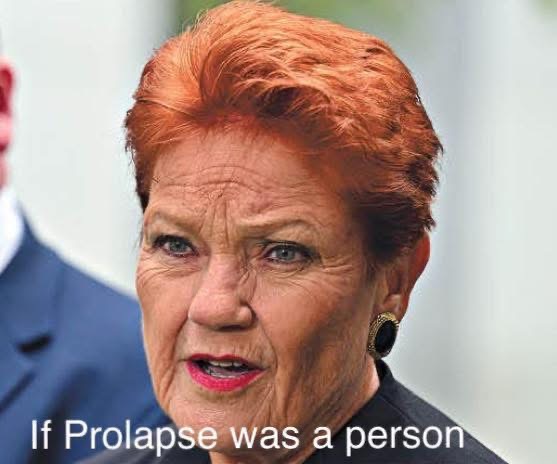
Date: 27/01/2026 16:12:15
From: SCIENCE
ID: 2354331
Subject: re: Australian politics - January 2026
Divine Angel said:
Well if we’re going to be mean…
as opposed to prole apps

Date: 27/01/2026 17:26:14
From: Michael V
ID: 2354362
Subject: re: Australian politics - January 2026
Date: 27/01/2026 19:36:38
From: dv
ID: 2354424
Subject: re: Australian politics - January 2026
8 May (“mate”)
edit
Starting 2017, there has been a partially humorous suggestion to move Australia Day to 8 May. This is primarily because of the homophonous quality between “May 8” and the Australian idiom “mate”, but also because the opening of the first Federal Parliament was on 9 May.
Date: 27/01/2026 19:39:05
From: Bubblecar
ID: 2354426
Subject: re: Australian politics - January 2026
dv said:
8 May (“mate”)
edit
Starting 2017, there has been a partially humorous suggestion to move Australia Day to 8 May. This is primarily because of the homophonous quality between “May 8” and the Australian idiom “mate”, but also because the opening of the first Federal Parliament was on 9 May.
Maaate…
Date: 27/01/2026 20:03:00
From: Divine Angel
ID: 2354431
Subject: re: Australian politics - January 2026
dv said:
8 May (“mate”)
edit
Starting 2017, there has been a partially humorous suggestion to move Australia Day to 8 May. This is primarily because of the homophonous quality between “May 8” and the Australian idiom “mate”, but also because the opening of the first Federal Parliament was on 9 May.
Fine, I could do with a public holiday for my wedding anniversary every year.
Date: 27/01/2026 20:15:41
From: Tau.Neutrino
ID: 2354435
Subject: re: Australian politics - January 2026
Divine Angel said:
dv said:
8 May (“mate”)
edit
Starting 2017, there has been a partially humorous suggestion to move Australia Day to 8 May. This is primarily because of the homophonous quality between “May 8” and the Australian idiom “mate”, but also because the opening of the first Federal Parliament was on 9 May.
Fine, I could do with a public holiday for my wedding anniversary every year.
Every one’s birthday as well.
Date: 27/01/2026 20:51:05
From: Spiny Norman
ID: 2354440
Subject: re: Australian politics - January 2026
dv said:
8 May (“mate”)
edit
Starting 2017, there has been a partially humorous suggestion to move Australia Day to 8 May. This is primarily because of the homophonous quality between “May 8” and the Australian idiom “mate”, but also because the opening of the first Federal Parliament was on 9 May.
It’s far from the worst idea.
Date: 27/01/2026 20:51:54
From: SCIENCE
ID: 2354441
Subject: re: Australian politics - January 2026
Tau.Neutrino said:
Divine Angel said:
dv said:
8 May (“mate”)
edit
Starting 2017, there has been a partially humorous suggestion to move Australia Day to 8 May. This is primarily because of the homophonous quality between “May 8” and the Australian idiom “mate”, but also because the opening of the first Federal Parliament was on 9 May.
Fine, I could do with a public holiday for my wedding anniversary every year.
Every one’s birthday as well.
mondegreen, eggcorn, what will they think of next
Date: 27/01/2026 22:02:17
From: dv
ID: 2354458
Subject: re: Australian politics - January 2026
https://www.roymorgan.com/findings/federal-voting-intention-late-january-alp-increases-two-party-preferred-lead-as-one-nation-overtakes-the-liberal-party-for-the-first-time-as-coalition-splits
Latest Morgan poll has ALP ahead 56.5 – 43.5
Date: 28/01/2026 09:53:18
From: SCIENCE
ID: 2354520
Subject: re: Australian politics - January 2026
Ah well it’s only
The federal government will move to force prescribers to record all medicines-related information under a new National Medicines Record. The move was inspired by a Melbourne mother’s tireless campaign, after her daughter died of an overdose.
been 30 years since internet became widespread.
Date: 28/01/2026 11:47:33
From: dv
ID: 2354581
Subject: re: Australian politics - January 2026
dv said:
https://www.roymorgan.com/findings/federal-voting-intention-late-january-alp-increases-two-party-preferred-lead-as-one-nation-overtakes-the-liberal-party-for-the-first-time-as-coalition-splits
Latest Morgan poll has ALP ahead 56.5 – 43.5
And a couple more polls in quick succession
Sky News/Yougov polls have it as 55-45 in ALP’s favour.
They also ran a two party preferred question on ALP vs One Nation. ALP won that 57-43.
They also have Albo ahead of Ley as preferred PM, 47-29, so a lot of “don’t know” in there.
DemosAU also published a poll, but did not estimate a two party preferred. They gave a note explaining that they think it is bollocks now because of the rise of One Nation and so forth. They did however project that ALP would win 87-95 seats, Liberals would win 9-17 seats, and ONP would win 29-38 seats.
They also neglected to publish a simple two-head preferred PM poll. Instead they did a three-header, which came out Albo 39, Hanson 26, Ley 16, DK 19.
Date: 28/01/2026 11:49:52
From: SCIENCE
ID: 2354586
Subject: re: Australian politics - January 2026
dv said:
dv said:
https://www.roymorgan.com/findings/federal-voting-intention-late-january-alp-increases-two-party-preferred-lead-as-one-nation-overtakes-the-liberal-party-for-the-first-time-as-coalition-splits
Latest Morgan poll has ALP ahead 56.5 – 43.5
And a couple more polls in quick succession
Sky News/Yougov polls have it as 55-45 in ALP’s favour.
They also ran a two party preferred question on ALP vs One Nation. ALP won that 57-43.
They also have Albo ahead of Ley as preferred PM, 47-29, so a lot of “don’t know” in there.
DemosAU also published a poll, but did not estimate a two party preferred. They gave a note explaining that they think it is bollocks now because of the rise of One Nation and so forth. They did however project that ALP would win 87-95 seats, Liberals would win 9-17 seats, and ONP would win 29-38 seats.
They also neglected to publish a simple two-head preferred PM poll. Instead they did a three-header, which came out Albo 39, Hanson 26, Ley 16, DK 19.
so if we want to hitch our wagon to the rising star winner we should go with PHON got it
Date: 28/01/2026 11:55:54
From: Michael V
ID: 2354595
Subject: re: Australian politics - January 2026
dv said:
dv said:
https://www.roymorgan.com/findings/federal-voting-intention-late-january-alp-increases-two-party-preferred-lead-as-one-nation-overtakes-the-liberal-party-for-the-first-time-as-coalition-splits
Latest Morgan poll has ALP ahead 56.5 – 43.5
And a couple more polls in quick succession
Sky News/Yougov polls have it as 55-45 in ALP’s favour.
They also ran a two party preferred question on ALP vs One Nation. ALP won that 57-43.
They also have Albo ahead of Ley as preferred PM, 47-29, so a lot of “don’t know” in there.
DemosAU also published a poll, but did not estimate a two party preferred. They gave a note explaining that they think it is bollocks now because of the rise of One Nation and so forth. They did however project that ALP would win 87-95 seats, Liberals would win 9-17 seats, and ONP would win 29-38 seats.
They also neglected to publish a simple two-head preferred PM poll. Instead they did a three-header, which came out Albo 39, Hanson 26, Ley 16, DK 19.
‘Canal.
Hanson? Definitely no thanks!
Date: 28/01/2026 12:11:44
From: roughbarked
ID: 2354616
Subject: re: Australian politics - January 2026
In short:
Liberal frontbencher Andrew Bragg says parts of Scott Morrison’s proposal to crackdown on antisemitism, including the introduction of a register for Islamic preachers, are “worth looking at”.
He also says Australian Muslims need to take “some responsibility” for extremist incidents.
Labor minister Pat Conroy says it is “incredibly unfair” to hold the entire Muslim community responsible for acts by people adhering to an “extreme perversion of Islam”.
https://www.abc.net.au/news/2026-01-28/andrew-bragg-scott-morrison-proposal-register-imams/106277042
Date: 28/01/2026 12:14:12
From: SCIENCE
ID: 2354618
Subject: re: Australian politics - January 2026
roughbarked said:
In short:
Liberal frontbencher Andrew Bragg says parts of Scott Morrison’s proposal to crackdown on antisemitism, including the introduction of a register for Islamic preachers, are “worth looking at”.
He also says Australian Muslims need to take “some responsibility” for extremist incidents.
Labor minister Pat Conroy says it is “incredibly unfair” to hold the entire Muslim community responsible for acts by people adhering to an “extreme perversion of Islam”.
https://www.abc.net.au/news/2026-01-28/andrew-bragg-scott-morrison-proposal-register-imams/106277042
so they want to make a register of Muslims eh
Date: 28/01/2026 12:15:27
From: roughbarked
ID: 2354620
Subject: re: Australian politics - January 2026
SCIENCE said:
roughbarked said:
In short:
Liberal frontbencher Andrew Bragg says parts of Scott Morrison’s proposal to crackdown on antisemitism, including the introduction of a register for Islamic preachers, are “worth looking at”.
He also says Australian Muslims need to take “some responsibility” for extremist incidents.
Labor minister Pat Conroy says it is “incredibly unfair” to hold the entire Muslim community responsible for acts by people adhering to an “extreme perversion of Islam”.
https://www.abc.net.au/news/2026-01-28/andrew-bragg-scott-morrison-proposal-register-imams/106277042
so they want to make a register of Muslims eh
They being some of them.
Date: 28/01/2026 12:17:16
From: captain_spalding
ID: 2354622
Subject: re: Australian politics - January 2026
SCIENCE said:
roughbarked said:
In short:
Liberal frontbencher Andrew Bragg says parts of Scott Morrison’s proposal to crackdown on antisemitism, including the introduction of a register for Islamic preachers, are “worth looking at”.
He also says Australian Muslims need to take “some responsibility” for extremist incidents.
Labor minister Pat Conroy says it is “incredibly unfair” to hold the entire Muslim community responsible for acts by people adhering to an “extreme perversion of Islam”.
https://www.abc.net.au/news/2026-01-28/andrew-bragg-scott-morrison-proposal-register-imams/106277042
so they want to make a register of Muslims eh
You know, like in Germany in the ’30s. That was Muslims, too, wasn’t it?
Date: 28/01/2026 12:18:48
From: roughbarked
ID: 2354623
Subject: re: Australian politics - January 2026
captain_spalding said:
SCIENCE said:
roughbarked said:
In short:
Liberal frontbencher Andrew Bragg says parts of Scott Morrison’s proposal to crackdown on antisemitism, including the introduction of a register for Islamic preachers, are “worth looking at”.
He also says Australian Muslims need to take “some responsibility” for extremist incidents.
Labor minister Pat Conroy says it is “incredibly unfair” to hold the entire Muslim community responsible for acts by people adhering to an “extreme perversion of Islam”.
https://www.abc.net.au/news/2026-01-28/andrew-bragg-scott-morrison-proposal-register-imams/106277042
so they want to make a register of Muslims eh
You know, like in Germany in the ’30s. That was Muslims, too, wasn’t it?
Well, Netenyahu is intent on there being no Palestine. The poor buggers have to go somewhere.
Date: 28/01/2026 12:23:54
From: buffy
ID: 2354627
Subject: re: Australian politics - January 2026
roughbarked said:
In short:
Liberal frontbencher Andrew Bragg says parts of Scott Morrison’s proposal to crackdown on antisemitism, including the introduction of a register for Islamic preachers, are “worth looking at”.
He also says Australian Muslims need to take “some responsibility” for extremist incidents.
Labor minister Pat Conroy says it is “incredibly unfair” to hold the entire Muslim community responsible for acts by people adhering to an “extreme perversion of Islam”.
https://www.abc.net.au/news/2026-01-28/andrew-bragg-scott-morrison-proposal-register-imams/106277042
Oh, it was Morrison, was it. I caught the end of a piece on the radio but missed who the “former Prime Minister” was. Obviously there is no need to pay any attention at all to what he is thinking. So I won’t.
Date: 28/01/2026 12:24:44
From: Witty Rejoinder
ID: 2354628
Subject: re: Australian politics - January 2026
roughbarked said:
Labor minister Pat Conroy says it is “incredibly unfair” to hold the entire Muslim community responsible for acts by people adhering to an “extreme perversion of Islam”.
https://www.abc.net.au/news/2026-01-28/andrew-bragg-scott-morrison-proposal-register-imams/106277042
Unfair? UNFAIR?!? White Australian Christians were held to account when one of their flock killed 51 Muslims in Christchurch in 2019!
Date: 28/01/2026 12:25:45
From: roughbarked
ID: 2354630
Subject: re: Australian politics - January 2026
buffy said:
roughbarked said:
In short:
Liberal frontbencher Andrew Bragg says parts of Scott Morrison’s proposal to crackdown on antisemitism, including the introduction of a register for Islamic preachers, are “worth looking at”.
He also says Australian Muslims need to take “some responsibility” for extremist incidents.
Labor minister Pat Conroy says it is “incredibly unfair” to hold the entire Muslim community responsible for acts by people adhering to an “extreme perversion of Islam”.
https://www.abc.net.au/news/2026-01-28/andrew-bragg-scott-morrison-proposal-register-imams/106277042
Oh, it was Morrison, was it. I caught the end of a piece on the radio but missed who the “former Prime Minister” was. Obviously there is no need to pay any attention at all to what he is thinking. So I won’t.
Yeah.
Date: 28/01/2026 12:26:06
From: dv
ID: 2354631
Subject: re: Australian politics - January 2026
Witty Rejoinder said:
roughbarked said:
Labor minister Pat Conroy says it is “incredibly unfair” to hold the entire Muslim community responsible for acts by people adhering to an “extreme perversion of Islam”.
https://www.abc.net.au/news/2026-01-28/andrew-bragg-scott-morrison-proposal-register-imams/106277042
Unfair? UNFAIR?!? White Australian Christians were held to account when one of their flock killed 51 Muslims in Christchurch in 2019!
Really? They all went on a government register to be monitored?
I don’t remember that happening to me, maybe I was away.
Date: 28/01/2026 12:27:06
From: roughbarked
ID: 2354634
Subject: re: Australian politics - January 2026
Witty Rejoinder said:
roughbarked said:
Labor minister Pat Conroy says it is “incredibly unfair” to hold the entire Muslim community responsible for acts by people adhering to an “extreme perversion of Islam”.
https://www.abc.net.au/news/2026-01-28/andrew-bragg-scott-morrison-proposal-register-imams/106277042
Unfair? UNFAIR?!? White Australian Christians were held to account when one of their flock killed 51 Muslims in Christchurch in 2019!
Were they?
Date: 28/01/2026 12:30:20
From: Witty Rejoinder
ID: 2354638
Subject: re: Australian politics - January 2026
roughbarked said:
Witty Rejoinder said:
roughbarked said:
Labor minister Pat Conroy says it is “incredibly unfair” to hold the entire Muslim community responsible for acts by people adhering to an “extreme perversion of Islam”.
https://www.abc.net.au/news/2026-01-28/andrew-bragg-scott-morrison-proposal-register-imams/106277042
Unfair? UNFAIR?!? White Australian Christians were held to account when one of their flock killed 51 Muslims in Christchurch in 2019!
Were they?
FMD. You two need a new sarcasm detector post haste.
Date: 28/01/2026 12:31:07
From: roughbarked
ID: 2354639
Subject: re: Australian politics - January 2026
Witty Rejoinder said:
roughbarked said:
Witty Rejoinder said:
Unfair? UNFAIR?!? White Australian Christians were held to account when one of their flock killed 51 Muslims in Christchurch in 2019!
Were they?
FMD. You two need a new sarcasm detector post haste.
:)
Date: 28/01/2026 12:31:38
From: dv
ID: 2354640
Subject: re: Australian politics - January 2026
Witty Rejoinder said:
roughbarked said:
Witty Rejoinder said:
Unfair? UNFAIR?!? White Australian Christians were held to account when one of their flock killed 51 Muslims in Christchurch in 2019!
Were they?
FMD. You two need a new sarcasm detector post haste.
What’s more likely, that two people have a faulty sarcasm detector, or that one person has a faulty sarcasm emittor.
Date: 28/01/2026 12:34:51
From: ChrispenEvan
ID: 2354642
Subject: re: Australian politics - January 2026
Witty Rejoinder said:
roughbarked said:
Labor minister Pat Conroy says it is “incredibly unfair” to hold the entire Muslim community responsible for acts by people adhering to an “extreme perversion of Islam”.
https://www.abc.net.au/news/2026-01-28/andrew-bragg-scott-morrison-proposal-register-imams/106277042
Unfair? UNFAIR?!? White Australian Christians were held to account when one of their flock killed 51 Muslims in Christchurch in 2019!
people will miss the sarcasm.
Date: 28/01/2026 12:35:29
From: ChrispenEvan
ID: 2354643
Subject: re: Australian politics - January 2026
Witty Rejoinder said:
roughbarked said:
Witty Rejoinder said:
Unfair? UNFAIR?!? White Australian Christians were held to account when one of their flock killed 51 Muslims in Christchurch in 2019!
Were they?
FMD. You two need a new sarcasm detector post haste.
told you so.
Date: 28/01/2026 12:37:58
From: SCIENCE
ID: 2354644
Subject: re: Australian politics - January 2026
ChrispenEvan said:
Witty Rejoinder said:
roughbarked said:
Labor minister Pat Conroy says it is “incredibly unfair” to hold the entire Muslim community responsible for acts by people adhering to an “extreme perversion of Islam”.
https://www.abc.net.au/news/2026-01-28/andrew-bragg-scott-morrison-proposal-register-imams/106277042
Unfair? UNFAIR?!? White Australian Christians were held to account when one of their flock killed 51 Muslims in Christchurch in 2019!
people will miss the sarcasm.
Will they¿
Date: 28/01/2026 12:38:11
From: ChrispenEvan
ID: 2354645
Subject: re: Australian politics - January 2026
dv said:
Witty Rejoinder said:
roughbarked said:
Were they?
FMD. You two need a new sarcasm detector post haste.
What’s more likely, that two people have a faulty sarcasm detector, or that one person has a faulty sarcasm emittor.
Date: 28/01/2026 12:39:57
From: ChrispenEvan
ID: 2354647
Subject: re: Australian politics - January 2026
SCIENCE said:
ChrispenEvan said:
Witty Rejoinder said:
Unfair? UNFAIR?!? White Australian Christians were held to account when one of their flock killed 51 Muslims in Christchurch in 2019!
people will miss the sarcasm.
Will they¿
Date: 28/01/2026 12:52:16
From: Tau.Neutrino
ID: 2354654
Subject: re: Australian politics - January 2026
Witty Rejoinder said:
roughbarked said:
Witty Rejoinder said:
Unfair? UNFAIR?!? White Australian Christians were held to account when one of their flock killed 51 Muslims in Christchurch in 2019!
Were they?
FMD. You two need a new sarcasm detector post haste.
They must have fond memories of the crusades.
They need to dress properly in medieval costume.
Date: 28/01/2026 13:02:40
From: Cymek
ID: 2354659
Subject: re: Australian politics - January 2026
I wonder if its ever considered that Muslims worldwide might be slightly upset how they have been treated recently (let alone over the centuries)
I’d be pretty annoyed if someone came to my nation, bombed it, killed tens of thousands of my fellow citizens and its no big deal.
Date: 28/01/2026 13:09:06
From: Tau.Neutrino
ID: 2354664
Subject: re: Australian politics - January 2026
Cymek said:
I wonder if its ever considered that Muslims worldwide might be slightly upset how they have been treated recently (let alone over the centuries)
I’d be pretty annoyed if someone came to my nation, bombed it, killed tens of thousands of my fellow citizens and its no big deal.
Just for being who they are.
Date: 28/01/2026 13:13:25
From: roughbarked
ID: 2354666
Subject: re: Australian politics - January 2026
SCIENCE said:
ChrispenEvan said:
Witty Rejoinder said:
Unfair? UNFAIR?!? White Australian Christians were held to account when one of their flock killed 51 Muslims in Christchurch in 2019!
people will miss the sarcasm.
Will they¿
At last you see the sarcasm.
Date: 28/01/2026 13:16:11
From: furious
ID: 2354667
Subject: re: Australian politics - January 2026
Cymek said:
I wonder if its ever considered that Muslims worldwide might be slightly upset how they have been treated recently (let alone over the centuries)
I’d be pretty annoyed if someone came to my nation, bombed it, killed tens of thousands of my fellow citizens and its no big deal.
What do you mean “over the centuries”? Because, over the centuries, when they were the dominant player, they were doing the same thing. It’s not exclusive to one culture, all people suck…
Date: 28/01/2026 13:22:29
From: roughbarked
ID: 2354672
Subject: re: Australian politics - January 2026
Date: 28/01/2026 13:22:43
From: Cymek
ID: 2354673
Subject: re: Australian politics - January 2026
furious said:
Cymek said:
I wonder if its ever considered that Muslims worldwide might be slightly upset how they have been treated recently (let alone over the centuries)
I’d be pretty annoyed if someone came to my nation, bombed it, killed tens of thousands of my fellow citizens and its no big deal.
What do you mean “over the centuries”? Because, over the centuries, when they were the dominant player, they were doing the same thing. It’s not exclusive to one culture, all people suck…
True
More that its made out the Muslims commit terrorists acts for no reason.
Its not an excuse but bombing civilians is exactly the same thing.
Yes people do suck
Date: 28/01/2026 13:25:34
From: roughbarked
ID: 2354674
Subject: re: Australian politics - January 2026
Cymek said:
furious said:
Cymek said:
I wonder if its ever considered that Muslims worldwide might be slightly upset how they have been treated recently (let alone over the centuries)
I’d be pretty annoyed if someone came to my nation, bombed it, killed tens of thousands of my fellow citizens and its no big deal.
What do you mean “over the centuries”? Because, over the centuries, when they were the dominant player, they were doing the same thing. It’s not exclusive to one culture, all people suck…
True
More that its made out the Muslims commit terrorists acts for no reason.
Its not an excuse but bombing civilians is exactly the same thing.
Yes people do suck
Targeted by the knights Templar. Attacked by crusaders for ages, Gassed by British planes in 1916, Then the Jews were planked there and started taking over.
Date: 28/01/2026 14:00:52
From: Witty Rejoinder
ID: 2354681
Subject: re: Australian politics - January 2026
ChrispenEvan said:
Witty Rejoinder said:
roughbarked said:
Labor minister Pat Conroy says it is “incredibly unfair” to hold the entire Muslim community responsible for acts by people adhering to an “extreme perversion of Islam”.
https://www.abc.net.au/news/2026-01-28/andrew-bragg-scott-morrison-proposal-register-imams/106277042
Unfair? UNFAIR?!? White Australian Christians were held to account when one of their flock killed 51 Muslims in Christchurch in 2019!
people will miss the sarcasm.
Why? Do I often say things that are patently untrue?
Date: 28/01/2026 14:36:21
From: SCIENCE
ID: 2354688
Subject: re: Australian politics - January 2026
roughbarked said:

isn’t that the oldest trope in the book, good guys (with guns) win in the end because the bad guys just fight each other
Date: 28/01/2026 17:36:27
From: dv
ID: 2354746
Subject: re: Australian politics - January 2026
Not just the Libs that are in strife.
There will be a leadership spill in the National party as Boyce challenges Littleproud
https://www.abc.net.au/news/2026-01-28/federal-politics-live-albanese-ley-coaltion-morrison/106275490
Date: 28/01/2026 17:38:53
From: Tau.Neutrino
ID: 2354748
Subject: re: Australian politics - January 2026
dv said:
Not just the Libs that are in strife.
There will be a leadership spill in the National party as Boyce challenges Littleproud
https://www.abc.net.au/news/2026-01-28/federal-politics-live-albanese-ley-coaltion-morrison/106275490
How 🤔 would they vote again?
Date: 28/01/2026 18:48:50
From: SCIENCE
ID: 2354765
Subject: re: Australian politics - January 2026
so if someone just felt like terrorising people, on impulse, and did some stuff, then it’s not terrorism
“To be an act of terrorism it requires one of three things, either political motivation, a religious motivation, or some type of ideology and advancing that cause,” he told media on yesterday morning.
Date: 28/01/2026 18:50:48
From: Cymek
ID: 2354767
Subject: re: Australian politics - January 2026
SCIENCE said:
so if someone just felt like terrorising people, on impulse, and did some stuff, then it’s not terrorism
“To be an act of terrorism it requires one of three things, either political motivation, a religious motivation, or some type of ideology and advancing that cause,” he told media on yesterday morning.
I consider organised crime as terrorism even though money is involved
Date: 28/01/2026 19:51:57
From: SCIENCE
ID: 2354784
Subject: re: Australian politics - January 2026
alleged
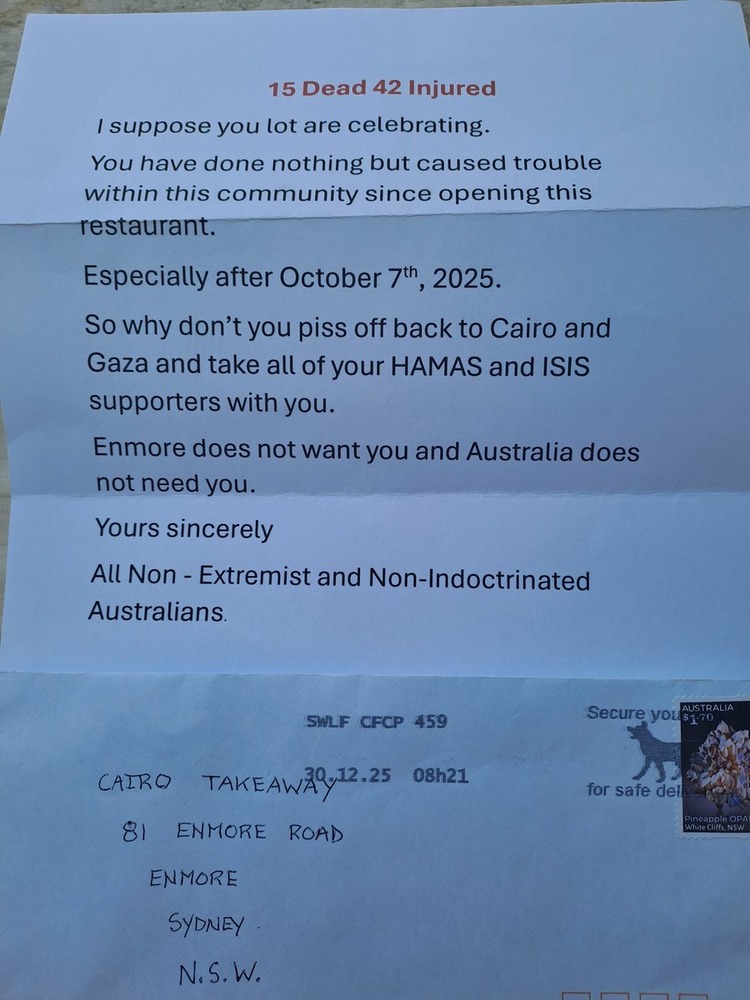
Date: 28/01/2026 21:49:04
From: dv
ID: 2354801
Subject: re: Australian politics - January 2026
dv said:
dv said:
https://www.roymorgan.com/findings/federal-voting-intention-late-january-alp-increases-two-party-preferred-lead-as-one-nation-overtakes-the-liberal-party-for-the-first-time-as-coalition-splits
Latest Morgan poll has ALP ahead 56.5 – 43.5
And a couple more polls in quick succession
Sky News/Yougov polls have it as 55-45 in ALP’s favour.
They also ran a two party preferred question on ALP vs One Nation. ALP won that 57-43.
They also have Albo ahead of Ley as preferred PM, 47-29, so a lot of “don’t know” in there.
DemosAU also published a poll, but did not estimate a two party preferred. They gave a note explaining that they think it is bollocks now because of the rise of One Nation and so forth. They did however project that ALP would win 87-95 seats, Liberals would win 9-17 seats, and ONP would win 29-38 seats.
They also neglected to publish a simple two-head preferred PM poll. Instead they did a three-header, which came out Albo 39, Hanson 26, Ley 16, DK 19.
One Nation has been good enough to put this in an infographic
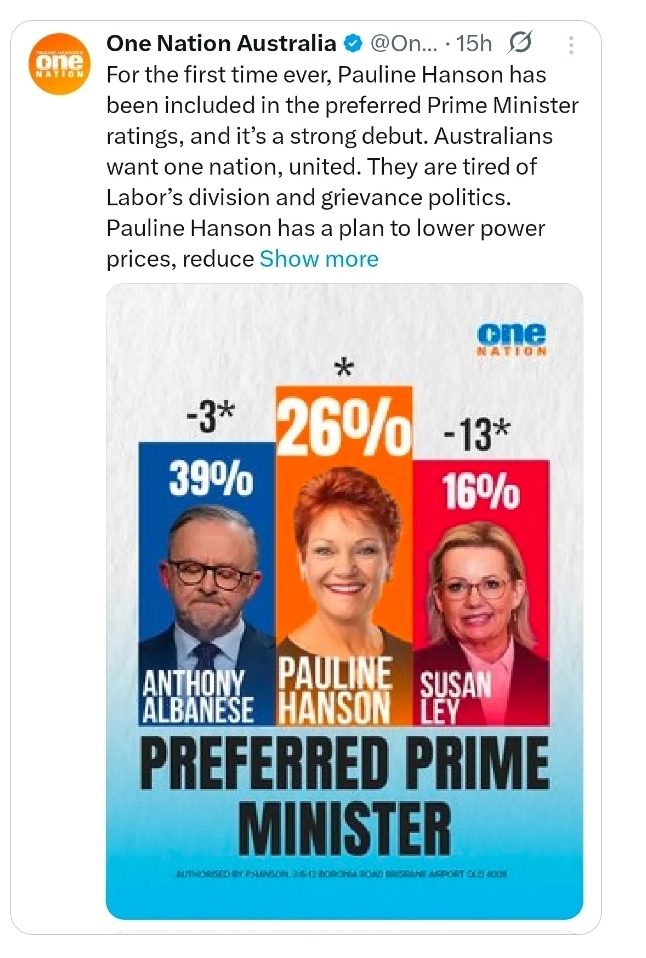
Date: 28/01/2026 21:59:48
From: party_pants
ID: 2354804
Subject: re: Australian politics - January 2026
dv said:
dv said:
dv said:
https://www.roymorgan.com/findings/federal-voting-intention-late-january-alp-increases-two-party-preferred-lead-as-one-nation-overtakes-the-liberal-party-for-the-first-time-as-coalition-splits
Latest Morgan poll has ALP ahead 56.5 – 43.5
And a couple more polls in quick succession
Sky News/Yougov polls have it as 55-45 in ALP’s favour.
They also ran a two party preferred question on ALP vs One Nation. ALP won that 57-43.
They also have Albo ahead of Ley as preferred PM, 47-29, so a lot of “don’t know” in there.
DemosAU also published a poll, but did not estimate a two party preferred. They gave a note explaining that they think it is bollocks now because of the rise of One Nation and so forth. They did however project that ALP would win 87-95 seats, Liberals would win 9-17 seats, and ONP would win 29-38 seats.
They also neglected to publish a simple two-head preferred PM poll. Instead they did a three-header, which came out Albo 39, Hanson 26, Ley 16, DK 19.
One Nation has been good enough to put this in an infographic
I think what we are witnessing is a split in the right -of-centre vote. There is too much of a gap between the centre-right and the hard right such that no party can pitch their policies to cover the whole spectrum. I can’t see the broad church coalition reforming now, since there is no longer a broad church. There are two groups suspicious of each other and growing further apart.
Date: 28/01/2026 22:00:54
From: party_pants
ID: 2354805
Subject: re: Australian politics - January 2026
this may or may not have already been done to death, but sorry, I only just got here and I don’t read back to catch up.
Date: 29/01/2026 05:05:09
From: SCIENCE
ID: 2354819
Subject: re: Australian politics - January 2026
oh
For households that just months ago were expecting further relief on their mortgages, it will be a nasty shock. But for a government desperate to move on from the thankless politics of “the cost of living”, it is a disaster.
Consider that the jobs market remains astoundingly strong, and that household incomes have recovered from the doldrums, and the result is a “warmer” economy than the RBA would like.
sorry what
what the fuck
instead of the sledging can we get a read on which way it is please
is the cost of living worse or is the household income better
oh wait
But economists have been clear and consistent that we cannot expect to retain the best of all worlds unless we can grow productivity — that is, expand the capacity of our economy to sustain a higher level of activity.
that … that’s not how productivity is defined
When productivity is growing, wages can grow, and unemployment can remain low without risk of inflation. Without it, the trifecta is an unstable one.
wait so more capacity is good
right
but if the more capacity is most in CHINA then that’s bad right
because CHINA is over, it’s overcapacity, it’s going to make unemployment and inflation too low
right
wtf
https://www.abc.net.au/news/2026-01-28/chalmers-says-inflation-is-not-his-fault/106279808
Date: 29/01/2026 07:37:58
From: Michael V
ID: 2354832
Subject: re: Australian politics - January 2026
SCIENCE said:
alleged
WTF?
Date: 29/01/2026 07:39:14
From: Michael V
ID: 2354833
Subject: re: Australian politics - January 2026
dv said:
dv said:
dv said:
https://www.roymorgan.com/findings/federal-voting-intention-late-january-alp-increases-two-party-preferred-lead-as-one-nation-overtakes-the-liberal-party-for-the-first-time-as-coalition-splits
Latest Morgan poll has ALP ahead 56.5 – 43.5
And a couple more polls in quick succession
Sky News/Yougov polls have it as 55-45 in ALP’s favour.
They also ran a two party preferred question on ALP vs One Nation. ALP won that 57-43.
They also have Albo ahead of Ley as preferred PM, 47-29, so a lot of “don’t know” in there.
DemosAU also published a poll, but did not estimate a two party preferred. They gave a note explaining that they think it is bollocks now because of the rise of One Nation and so forth. They did however project that ALP would win 87-95 seats, Liberals would win 9-17 seats, and ONP would win 29-38 seats.
They also neglected to publish a simple two-head preferred PM poll. Instead they did a three-header, which came out Albo 39, Hanson 26, Ley 16, DK 19.
One Nation has been good enough to put this in an infographic
And what a fantastic job of attempted misrepresentation they did, too.
Date: 29/01/2026 07:54:53
From: roughbarked
ID: 2354838
Subject: re: Australian politics - January 2026
Michael V said:
dv said:
dv said:
And a couple more polls in quick succession
Sky News/Yougov polls have it as 55-45 in ALP’s favour.
They also ran a two party preferred question on ALP vs One Nation. ALP won that 57-43.
They also have Albo ahead of Ley as preferred PM, 47-29, so a lot of “don’t know” in there.
DemosAU also published a poll, but did not estimate a two party preferred. They gave a note explaining that they think it is bollocks now because of the rise of One Nation and so forth. They did however project that ALP would win 87-95 seats, Liberals would win 9-17 seats, and ONP would win 29-38 seats.
They also neglected to publish a simple two-head preferred PM poll. Instead they did a three-header, which came out Albo 39, Hanson 26, Ley 16, DK 19.
One Nation has been good enough to put this in an infographic
And what a fantastic job of attempted misrepresentation they did, too.
That’ll fool all the sov cits.
Date: 29/01/2026 07:57:28
From: Divine Angel
ID: 2354841
Subject: re: Australian politics - January 2026
Who woulda thunk that after only 30 years in politics, Pauline Hanson in the Senate would be included in the preferred PM polls?
Date: 29/01/2026 08:04:45
From: roughbarked
ID: 2354842
Subject: re: Australian politics - January 2026
Divine Angel said:
Who woulda thunk that after only 30 years in politics, Pauline Hanson in the Senate would be included in the preferred PM polls?
Even dressed as a Muslim.
Date: 29/01/2026 08:09:14
From: Michael V
ID: 2354848
Subject: re: Australian politics - January 2026
Divine Angel said:
Who woulda thunk that after only 30 years in politics, Pauline Hanson in the Senate would be included in the preferred PM polls?
Not me.
Date: 29/01/2026 08:10:00
From: roughbarked
ID: 2354850
Subject: re: Australian politics - January 2026
Michael V said:
Divine Angel said:
Who woulda thunk that after only 30 years in politics, Pauline Hanson in the Senate would be included in the preferred PM polls?
Not me.
Nor I.
Date: 29/01/2026 08:13:27
From: Divine Angel
ID: 2354851
Subject: re: Australian politics - January 2026
She might defect from the Senate and jump to HoR. In this timeline, it wouldn’t surprise me. I do hold out hope that after the Libs’ crushing election defeat, Australia retains enough common sense not to vote for her.
Date: 29/01/2026 08:14:33
From: roughbarked
ID: 2354853
Subject: re: Australian politics - January 2026
Divine Angel said:
She might defect from the Senate and jump to HoR. In this timeline, it wouldn’t surprise me. I do hold out hope that after the Libs’ crushing election defeat, Australia retains enough common sense not to vote for her.
Thankfully, the people who vote for her are still a minority.
Date: 29/01/2026 08:20:03
From: Michael V
ID: 2354855
Subject: re: Australian politics - January 2026
Divine Angel said:
She might defect from the Senate and jump to HoR. In this timeline, it wouldn’t surprise me. I do hold out hope that after the Libs’ crushing election defeat, Australia retains enough common sense not to vote for her.
She’s have to find a HoR seat that’d vote for her in sufficient numbers. Maybe here. This electorate seems to be full of redneck dills and RWNJ’s. I won’t vote for the racist dog-whistling, nazi-inspired bitch, though.
Date: 29/01/2026 08:23:18
From: Divine Angel
ID: 2354858
Subject: re: Australian politics - January 2026
Michael V said:
Divine Angel said:
She might defect from the Senate and jump to HoR. In this timeline, it wouldn’t surprise me. I do hold out hope that after the Libs’ crushing election defeat, Australia retains enough common sense not to vote for her.
She’s have to find a HoR seat that’d vote for her in sufficient numbers. Maybe here. This electorate seems to be full of redneck dills and RWNJ’s. I won’t vote for the racist dog-whistling, nazi-inspired bitch, though.
My electorate is historically conservative. Mueller College, mentioned in a post about AiG a few days ago, is in my electorate. People move here to attend that school.
Date: 29/01/2026 08:32:30
From: ChrispenEvan
ID: 2354860
Subject: re: Australian politics - January 2026
roughbarked said:
Michael V said:
Divine Angel said:
Who woulda thunk that after only 30 years in politics, Pauline Hanson in the Senate would be included in the preferred PM polls?
Not me.
Nor I.
海苔
Date: 29/01/2026 08:35:55
From: Michael V
ID: 2354862
Subject: re: Australian politics - January 2026
ChrispenEvan said:
roughbarked said:
Michael V said:
Not me.
Nor I.
海苔
I see what you did there.
Date: 29/01/2026 08:36:06
From: roughbarked
ID: 2354863
Subject: re: Australian politics - January 2026
Divine Angel said:
Michael V said:
Divine Angel said:
She might defect from the Senate and jump to HoR. In this timeline, it wouldn’t surprise me. I do hold out hope that after the Libs’ crushing election defeat, Australia retains enough common sense not to vote for her.
She’s have to find a HoR seat that’d vote for her in sufficient numbers. Maybe here. This electorate seems to be full of redneck dills and RWNJ’s. I won’t vote for the racist dog-whistling, nazi-inspired bitch, though.
My electorate is historically conservative. Mueller College, mentioned in a post about AiG a few days ago, is in my electorate. People move here to attend that school.
My electorate votes for Sussan.
Date: 29/01/2026 09:46:57
From: buffy
ID: 2354876
Subject: re: Australian politics - January 2026
roughbarked said:
Divine Angel said:
Michael V said:
She’s have to find a HoR seat that’d vote for her in sufficient numbers. Maybe here. This electorate seems to be full of redneck dills and RWNJ’s. I won’t vote for the racist dog-whistling, nazi-inspired bitch, though.
My electorate is historically conservative. Mueller College, mentioned in a post about AiG a few days ago, is in my electorate. People move here to attend that school.
My electorate votes for Sussan.
You think that’s bad? My electorate put Dan Tehan in parliament…
Date: 29/01/2026 09:50:04
From: roughbarked
ID: 2354877
Subject: re: Australian politics - January 2026
buffy said:
roughbarked said:
Divine Angel said:
My electorate is historically conservative. Mueller College, mentioned in a post about AiG a few days ago, is in my electorate. People move here to attend that school.
My electorate votes for Sussan.
You think that’s bad? My electorate put Dan Tehan in parliament…
:(
Date: 29/01/2026 10:44:29
From: SCIENCE
ID: 2354889
Subject: re: Australian politics - January 2026
Michael V said:
ChrispenEvan said:
roughbarked said:
Nor I.
海苔
I see what you did there.
Hey they appropriated the no date reference we made last time, so derivative¡
Date: 29/01/2026 13:55:08
From: dv
ID: 2354984
Subject: re: Australian politics - January 2026
https://youtu.be/_Q7gARReVWA?si=2kD2Iynl-6rSMb2d
Malcolm Turnbull interview with the Guardian on the topic of the future of the Coalition
Date: 29/01/2026 14:14:16
From: The Rev Dodgson
ID: 2354989
Subject: re: Australian politics - January 2026
dv said:
https://youtu.be/_Q7gARReVWA?si=2kD2Iynl-6rSMb2d
Malcolm Turnbull interview with the Guardian on the topic of the future of the Coalition
Is our mate Mal planning to return to parliament so he can save the Libs from extermination?
Date: 29/01/2026 14:22:40
From: dv
ID: 2354991
Subject: re: Australian politics - January 2026
The Rev Dodgson said:
dv said:
https://youtu.be/_Q7gARReVWA?si=2kD2Iynl-6rSMb2d
Malcolm Turnbull interview with the Guardian on the topic of the future of the Coalition
Is our mate Mal planning to return to parliament so he can save the Libs from extermination?
No
Date: 29/01/2026 21:47:25
From: AussieDJ
ID: 2355155
Subject: re: Australian politics - January 2026
roughbarked said:
buffy said:
roughbarked said:
My electorate votes for Sussan.
You think that’s bad? My electorate put Dan Tehan in parliament…
:(
(Missed today’s posts – just catching up now)
You think that’s bad? My electorate swallowed the Libs’ dirty tricks to oust Zoe Daniel and put Tim Wilson into parliament.
Date: 29/01/2026 21:51:50
From: roughbarked
ID: 2355156
Subject: re: Australian politics - January 2026
AussieDJ said:
roughbarked said:
buffy said:
You think that’s bad? My electorate put Dan Tehan in parliament…
:(
(Missed today’s posts – just catching up now)
You think that’s bad? My electorate swallowed the Libs’ dirty tricks to oust Zoe Daniel and put Tim Wilson into parliament.
The way the Libs look at the moment, this may all change.
Date: 29/01/2026 22:07:07
From: SCIENCE
ID: 2355164
Subject: re: Australian politics - January 2026
so
NSW Premier Chris Minns says he will “have a look” at giving the state another public holiday in April for Anzac Day. Anzac Day falls on a weekend in 2026 and 2027, with only Western Australia and the ACT getting an additional public holiday. A hospitality industry representative has called the plan a “terrible idea” because of the cost of covering public holiday penalty rates.
hospitality providers in WA and ACT are far better business managers than NSW fools who can’t handle extra holidays
Date: 29/01/2026 22:17:07
From: captain_spalding
ID: 2355166
Subject: re: Australian politics - January 2026
SCIENCE said:
so
NSW Premier Chris Minns says he will “have a look” at giving the state another public holiday in April for Anzac Day. Anzac Day falls on a weekend in 2026 and 2027, with only Western Australia and the ACT getting an additional public holiday. A hospitality industry representative has called the plan a “terrible idea” because of the cost of covering public holiday penalty rates.
hospitality providers in WA and ACT are far better business managers than NSW fools who can’t handle extra holidays
The peanut from the cafe and restaurant owners’ mob whines that, on public holidays, penalty rates consume 75% to 100% of the revenue taken in on those days.
This sounds like hyperbole to me, but, i can see that penalty rates would reduce the profit reaped by owners/operators on those days. Some may not make a lot of money on those days, some may just not make quite as much as they might on another day.
The same bunny suggests that cafe and restaurant owners should consider not opening at all on public holidays. That is, don’t open and take in reduced profit on those days, stay closed and make no profit at all.
What it’s really about is not letting the staff get the idea that their labour has any value.
Date: 30/01/2026 06:29:57
From: kryten
ID: 2355192
Subject: re: Australian politics - January 2026
AussieDJ said:
roughbarked said:
buffy said:
You think that’s bad? My electorate put Dan Tehan in parliament…
:(
(Missed today’s posts – just catching up now)
You think that’s bad? My electorate swallowed the Libs’ dirty tricks to oust Zoe Daniel and put Tim Wilson into parliament.
You win. Although we’ve got longevity – we’ve been putting up with Dan Tehan for many years now.
Date: 30/01/2026 08:57:22
From: Michael V
ID: 2355225
Subject: re: Australian politics - January 2026
Date: 30/01/2026 09:03:12
From: roughbarked
ID: 2355227
Subject: re: Australian politics - January 2026
Michael V said:
Qatar vs Australia natural gas taxation – a short but funny video
Not really very funny that we allow the rest of the world to just use us as a big hole in the ground to rob and pay no tax.
Date: 30/01/2026 09:09:13
From: The Rev Dodgson
ID: 2355228
Subject: re: Australian politics - January 2026
It seems the Libs can’t decide whether to be Anxious or Hasty.
What a surprise.
Date: 30/01/2026 09:11:21
From: roughbarked
ID: 2355230
Subject: re: Australian politics - January 2026
The Rev Dodgson said:
It seems the Libs can’t decide whether to be Anxious or Hasty.
What a surprise.
You found a funny. Amongst the misery. ;)
Date: 30/01/2026 09:25:23
From: Tau.Neutrino
ID: 2355233
Subject: re: Australian politics - January 2026
The Rev Dodgson said:
It seems the Libs can’t decide whether to be Anxious or Hasty.
What a surprise.
Emotional.
:)
Date: 30/01/2026 09:33:29
From: SCIENCE
ID: 2355237
Subject: re: Australian politics - January 2026
Tau.Neutrino said:
The Rev Dodgson said:
It seems the Libs can’t decide whether to be Anxious or Hasty.
What a surprise.
Emotional.
:)
Old El Paso
Date: 30/01/2026 17:13:29
From: Tau.Neutrino
ID: 2355496
Subject: re: Australian politics - January 2026
Date: 30/01/2026 17:47:21
From: Ian
ID: 2355522
Subject: re: Australian politics - January 2026
Andrew Hastie pulls out
Andrew Hastie has declared he won’t challenge for the Liberal party leadership, conceding he doesn’t have the numbers to roll Sussan Ley.
Hastie ended a week of speculation about his intentions with a statement on Friday afternoon.
“Over the past few weeks there has been speculation about the future leadership of the Liberal Party of Australia.
“I’ve previously stated that I would welcome the opportunity to serve my party and our country as leader of the Liberal Party.
“But having consulted with colleagues over the past week and respecting their honest feedback to me, it is clear that I do not have the support needed to become leader of the Liberal Party.
“On this basis, I wish to make it clear I will not be contesting the leadership of the Liberal Party.”
Date: 30/01/2026 20:43:19
From: SCIENCE
ID: 2355578
Subject: re: Australian politics - January 2026
there you see proof that CHINA controls so-called Australian farmers as well
“Our industry’s suffered a great deal, when we saw barley and beef tariffs introduced; we’ve seen quotas put on Australian agricultural exports into China,” he said. “What that practically means is that our small rural communities suffer the most.” He called on the Commonwealth to negotiate on the Darwin Port lease very carefully. “China are a good trading partner, so we want to do whatever we can to protect that relationship,” he said.
Date: 30/01/2026 20:46:19
From: captain_spalding
ID: 2355579
Subject: re: Australian politics - January 2026
SCIENCE said:
there you see proof that CHINA controls so-called Australian farmers as well
“Our industry’s suffered a great deal, when we saw barley and beef tariffs introduced; we’ve seen quotas put on Australian agricultural exports into China,” he said. “What that practically means is that our small rural communities suffer the most.” He called on the Commonwealth to negotiate on the Darwin Port lease very carefully. “China are a good trading partner, so we want to do whatever we can to protect that relationship,” he said.
You just tell China ‘OK, no more of that top-quality iron ore. Sure, you can buy ore from Brazil, but, it’s not as good as ours, it’s farther away, and they’ll charge you more for it. Now, go away and think about it for two or three weeks, while your steelworks furnaces go cold, and then let us know what you decide’.
Date: 30/01/2026 21:53:17
From: SCIENCE
ID: 2355600
Subject: re: Australian politics - January 2026
captain_spalding said:
SCIENCE said:
there you see proof that CHINA controls so-called Australian farmers as well
“Our industry’s suffered a great deal, when we saw barley and beef tariffs introduced; we’ve seen quotas put on Australian agricultural exports into China,” he said. “What that practically means is that our small rural communities suffer the most.” He called on the Commonwealth to negotiate on the Darwin Port lease very carefully. “China are a good trading partner, so we want to do whatever we can to protect that relationship,” he said.
You just tell China ‘OK, no more of that top-quality iron ore. Sure, you can buy ore from Brazil, but, it’s not as good as ours, it’s farther away, and they’ll charge you more for it. Now, go away and think about it for two or three weeks, while your steelworks furnaces go cold, and then let us know what you decide’.
yes one might want to say that but on the other side of it what will one tell the miners who suddenly aren’t scoring a massive low tax windfall and are now threatening to put Clive Palmer the arsehole in power, how is one going to appease them
Date: 31/01/2026 09:06:37
From: Witty Rejoinder
ID: 2355701
Subject: re: Australian politics - January 2026
The Coalition is in tatters. The race is on to replace it in the centre
To the day he died in 2015, Malcolm Fraser was working on a plan to start a new political party. Now others have taken up the cause.
Rob Harris
January 31, 2026
To the day he died in 2015, Malcolm Fraser was working on a plan to start a new political party.
The former Liberal prime minister had become convinced the party he once led no longer represented the liberal tradition he believed in. For more than four years, he convened meetings, drafted a statement of values and canvassed donors for what was to be called Renew Australia – a movement grounded in social justice, ethical politics, climate action and what he described as “genuine liberal values”.
The project stalled after his death. But the impulse behind it – the sense that the Liberal Party had ceased to be the natural home of the centre – never disappeared. Now, nearly a decade later, that idea is resurfacing with a new urgency.
Over the past six months, a series of discussions and approaches – some structured, some spontaneous, all rather informal – have taken shape across Sydney, Melbourne and Adelaide. They involve former Liberal moderates, ex-Coalition staffers, teal MPs, retired Labor figures, community-backed organisers and donors who once funded the Liberal Party’s business wing.
No one is claiming leadership. No manifesto has been launched. Those most closely involved do not want to be identified. Some are in roles where public non-partisanship is expected. If asked, most people deny any knowledge or involvement.
But all are working from the same diagnosis: the Liberal Party may no longer be capable of reclaiming its centre-right identity. All are worried about what happens to democracy when governments – state or federal – lack effective opposition.
Former prime minister Malcolm Turnbull sharpened that argument recently when he warned the party was heading down a cul-de-sac.
“The right-wing element has taken over the Liberal Party,” he told Capital Brief. “There are very few moderates left in the party room. That’s why the talk of a split misses the point.”
Turnbull did not dismiss the idea of a new political force. A centre or centre-right movement combining disaffected Liberals and teal independents, he said, was “not inevitable but certainly possible” – particularly as the party attempts to chase voters to the right.
“I think there’s people talking about it, but the initiative would really have to come, I think, from the teals because they’re in the parliament,” he later told the Guardian. “To be honest, I think it would be healthy if we had a more effective opposition.”
Recent polling suggests many voters have already moved. According to this masthead’s Resolve Political Monitor, the Liberal Party’s primary vote has slumped to the mid-20s, while One Nation has climbed into the high teens. More than 40 per cent of voters are now looking to non-major parties.
March’s state election in South Australia could, many believe, become a tipping point where informal talks harden into something more concrete. A model emerging from the group borrows heavily from the teal experience: a Senate-first strategy, selective lower-house contests, climate credibility paired with pro-business economics, and deep local organising.
Self-styled centrist independents have already demonstrated the potency of that approach. In 2019 and 2022, community-backed candidates shattered Liberal strongholds including: Warringah, Mackellar, North Sydney and Wentworth in Sydney; Goldstein and Kooyong in Melbourne; and Curtin in Perth. In 2025, independents again reshaped contests, winning Bradfield in Sydney and finishing second in five Labor-held seats — Watson in Sydney, Franklin in Tasmania, Calwell in Melbourne, Fremantle in WA and Bean in the ACT.
Those still inside the Liberals describe a sense of political suffocation: preselection dominated by branch activists, policy narrowed by culture-war signalling, influence concentrated among factions uninterested in metropolitan recovery. As one former frontbencher put it privately: “The party room doesn’t look like the country – or even like the Liberal Party that last won government.”
That mismatch has become the animating force behind renewed discussion of a centrist breakaway. Turnbull, still a Liberal Party member despite attempts to expel him, has been rumoured as a figure in the discussions by Liberal loyalists, but he has publicly denied that.
“Malcolm knows that any new party isn’t going to be helped if it looks like it’s his project,” one organiser, granted anonymity to speak about the project, says.
The yet unnamed grouping is also borrowing from the newly established Prosper UK – a movement attached to Britain’s Conservative Party to drag it back to the centre – and Faculty AI, the start-up hired to work with political guru Dominic Cummings on the Vote Leave campaign.
It has also spoken to leading international government digital services advisers and government transformation specialists.
One prepared to put her name to the project is Hannah March, an Adelaide-based barrister who was a ministerial staffer in the Turnbull and Morrison governments.
“At a national level, it is certainly worth considering a split into the Liberal Party and the Conservative Party, with the conservatives to keep what remains of the membership,” she says. “The Liberal, Conservative, and National parties, along with any community independent who wants to help shape Australia’s future should consider a broad coalition to help take Australia forward.”
Hannah March, a staffer in the Turnbull and Morrison governments, says it’s time for a new centre party, while the right-faction Liberals would become the Conservatives.
Hannah March, a staffer in the Turnbull and Morrison governments, says it’s time for a new centre party, while the right-faction Liberals would become the Conservatives.
Those keen on the idea stress that MPs would be given the right to remain independent and able to vote on all laws as a matter of conscience, especially on issues which affected their constituencies.
Several teal MPs, including Zali Steggall, Monique Ryan and Allegra Spender, declined interview requests about the topic. Simon Holmes à Court, whose Climate 200 group gave 35 candidates $10.85 million at the last federal election, did not respond to messages.
But many key questions remain. What’s in it for the teals to align with a party structure? And who could lead the party? Some nominate Spender as an obvious choice.
“But can you imagine that group of people – all with main-character energy – voluntarily ceding the spotlight?” one Liberal wryly observed.
Advocates point to the meteoric rise of En Marche (now Renaissance), the movement that propelled Emmanuel Macron to the French presidency just a year after its inception. Unlike traditional political powerhouses, it achieved dominance without the backing of established institutions, grassroots protest roots, or a pre-existing celebrity figure.
The introduction of new federal political donation laws on July 1 has become a complicating factor. The regime caps individual donations at $50,000, lowers the disclosure threshold to $5000 and imposes spending limits of $800,000 per electorate and $90 million nationally.
Several teal independents have criticised the Labor government’s changes, with Zoe Daniel, the former independent member for Goldstein, and Rex Patrick, the former independent senator for South Australia, challenging the legislation in the High Court.
Graeme Orr, a law professor at the University of Queensland, says the reforms cut both ways.
“There are swings and roundabouts,” Orr says. While the system now rewards organisation over billionaire backing, it does not shut the door on new entrants. Donation bundling remains legal, and spending caps are higher than often assumed. “It’s not like the limits are really low,” he says. “It’s like $90 million in electioneering for a party.
“One thing you can’t do is rely on a handful of large donors, which I think is kind of fair, and it wouldn’t be a great perception to be dependent on a billionaire.”
Cathy McGowan, who won Indi in Victoria from the Liberals in 2013 with “kitchen table conversation” campaign and later endorsed independent Helen Haines, says communities are increasingly organising to fill a representational gap.
“I think Australians are incredibly disappointed with the failure of the opposition to articulate alternative policy positions for the country,” McGowan says. “I hear that all over the place where I go.”
McGowan denies any involvement in starting a party but says she is regularly approached for advice.
But she also identifies a tension. “At an electorate level, people are organising. They’re wanting much better representation,” she says. “At a national level, they’re wanting a much stronger opposition … and they feel they’re not getting it.”
Not everyone believes that tension can be resolved through a new party.
Lucy Wicks, who held the NSW bellwether seat of Robertson from 2013 to 2022, says Australia does not need a new centrist party so much as a Liberal Party willing to rediscover its core purpose.
“It needs a Liberal Party brave enough to remember what, and who, it stands for, once again,” she says.
Wicks traces her political faith to learning in her 20s about “reward for effort, individual opportunity and the belief that your dreams aren’t limited by your birthplace or socio-economic status”. She says the party’s rejection by communities like Robertson reflects a loss of connection rather than an appetite for a new movement.
That disconnect became personal in a conversation with her son Oscar, almost 17, who will vote at the next election. During a drive to basketball, he told her: “Mum, if you weren’t my mum, I reckon socialism sounds pretty good.”
“He based his views, when we chatted it through, entirely on TikTok reels,” she says. “Are the Liberals even talking to that generation?”
On housing, Wicks warns policy failure is alienating families the Liberals once championed, saying reform would help women, “including single women with families like myself who … are now locked out of the housing market and face a lifetime of renting and retirement insecurity.”
John Roskam, a senior fellow at the Institute of Public Affairs, argues the teals’ success was built on independence – and that formalising an alliance would undercut their appeal.
“The attraction of the teals as independent community-minded advocates would be very substantially reduced if they were formed into some sort of national party,” Roskam says.
He also disputes the idea that the teal surge reflected a mass exodus of Liberal voters. Much of the vote, he argues, was tactical.
“The idea that teals represented a massive disaffected Liberal cohort isn’t really supported by the evidence.”
For moderates inside the Liberal Party, Roskam says the calculus is complex. Leaving risks surrendering influence inside one of the country’s two governing vehicles. “It would require a massive infrastructure effort,” he says, “and while third parties have succeeded in the short term, they rarely last.”
Others are less convinced the party still offers a viable pathway.
Some moderates pin their hopes on Victoria, where Opposition Leader Jess Wilson is seen as a potential circuit breaker if she can defy expectations at the November state election. A strong showing, even short of victory, could bolster the case for recovery. One senior Liberal moderate says there is a reluctance to speak about the future for fear of cruelling Wilson, new South Australian Liberal leader Ashton Hurn, and NSW Opposition Leader Kellie Sloane.
But privately, even optimists concede the problem is structural. The seats that once anchored the moderate wing are now teal. The membership that remains is more conservative than the one that elected John Howard, Turnbull or even Morrison.
“I think the next round of state and federal elections will be the making or the breaking of the party,” says Tony Barry, a former Liberal strategist who now runs political research company RedBridge Group. “Another round of catastrophic results will give a better insight as to whether the party is institutionally broken and the internal will to reform.”
Labor now occupies much of the centre-left. One Nation has carved out a durable slice of the right. And the Liberals have lost the cosmopolitan, urban voters (and their donors) who once balanced their Coalition. In between sits a substantial group of voters – economically moderate, socially progressive and deeply climate-conscious – who feel politically homeless. Some in the party aren’t interested in winning them back.
When Don Chipp walked out on the Liberals in 1977 and started the Democrats, many dismissed it as a footnote. It wasn’t. It reshaped a generation of politics. When Malcolm Fraser quietly tried to build an alternative decades later, few paid attention. Today, their diagnosis looks less like a curiosity and more like a warning.
And for the first time in decades, the question of whether a new centrist force could emerge is no longer academic. It is live.
https://www.theage.com.au/politics/federal/the-coalition-is-in-tatters-the-race-is-on-to-replace-it-in-the-centre-20260129-p5nxya.html
Date: 31/01/2026 09:18:45
From: SCIENCE
ID: 2355704
Subject: re: Australian politics - January 2026
Witty Rejoinder said:
The Coalition is in tatters. The race is on to replace it in the centre
To the day he died in 2015, Malcolm Fraser was working on a plan to start a new political party. Now others have taken up the cause.
https://www.theage.com.au/politics/federal/the-coalition-is-in-tatters-the-race-is-on-to-replace-it-in-the-centre-20260129-p5nxya.html
“centre”
Date: 31/01/2026 11:39:14
From: Divine Angel
ID: 2355797
Subject: re: Australian politics - January 2026
Didn’t know she had a song
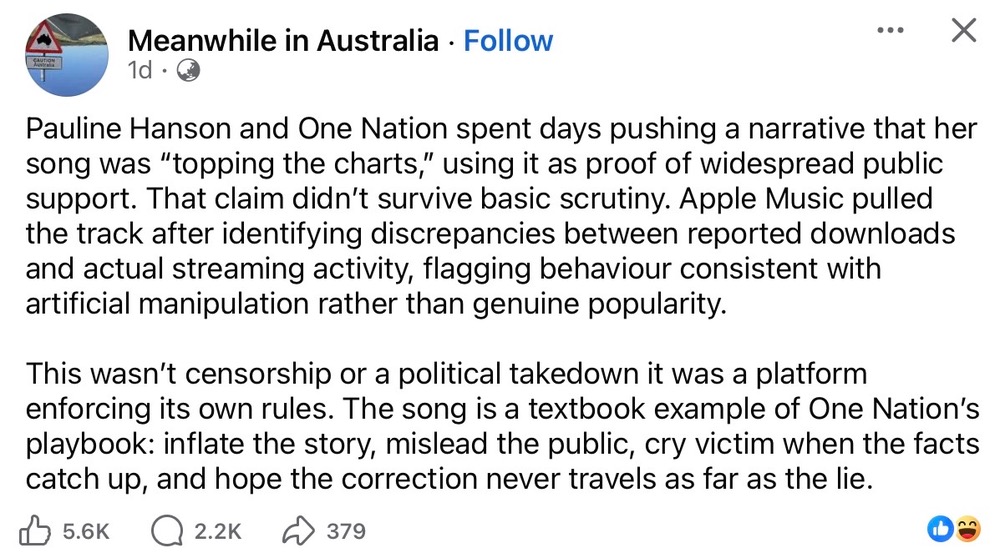
Date: 31/01/2026 11:50:13
From: SCIENCE
ID: 2355803
Subject: re: Australian politics - January 2026
Divine Angel said:
Didn’t know she had a song
always did
https://www.youtube.com/watch?v=dQw4w9WgXcQ
Date: 31/01/2026 11:52:16
From: Michael V
ID: 2355807
Subject: re: Australian politics - January 2026
Divine Angel said:
Didn’t know she had a song
Me neither.
Date: 31/01/2026 11:53:48
From: Peak Warming Man
ID: 2355809
Subject: re: Australian politics - January 2026
Divine Angel said:
Didn’t know she had a song
Found it, and as a bonus you get the goss on Harry and Megan, and Kayne West and more.
https://youtu.be/WgbOjOTE2tE
Thanks.
Date: 31/01/2026 11:58:21
From: captain_spalding
ID: 2355812
Subject: re: Australian politics - January 2026
Michael V said:
Divine Angel said:
Didn’t know she had a song
Me neither.
“Send In The Clowns”?
Date: 31/01/2026 12:18:11
From: SCIENCE
ID: 2355820
Subject: re: Australian politics - January 2026
Michael V said:
Divine Angel said:
Didn’t know she had a song
Me neither.
how bad does something have to be if even after a bunch of market manipulation, the cinemas can’t pull the movie for violating rules relating to inauthentic purchases because there’s so little purchase
Date: 31/01/2026 13:31:16
From: captain_spalding
ID: 2355845
Subject: re: Australian politics - January 2026
ABC News:

Gosh, i hope that’s not the whole budget for that project.
$800 million divided by 17,000 comes out at $47,000 per house, with $50 or so left to get pizzas.
And that’s if every penny of it goes directly into building those houses.
I don’t think that you get a whole lot of house built for $47,000 these days.
Date: 31/01/2026 13:33:49
From: Michael V
ID: 2355847
Subject: re: Australian politics - January 2026
captain_spalding said:
ABC News:
Gosh, i hope that’s not the whole budget for that project.
$800 million divided by 17,000 comes out at $47,000 per house, with $50 or so left to get pizzas.
And that’s if every penny of it goes directly into building those houses.
I don’t think that you get a whole lot of house built for $47,000 these days.
You might get the water connected, though.
Date: 31/01/2026 13:38:11
From: Witty Rejoinder
ID: 2355849
Subject: re: Australian politics - January 2026
captain_spalding said:
ABC News:
Gosh, i hope that’s not the whole budget for that project.
$800 million divided by 17,000 comes out at $47,000 per house, with $50 or so left to get pizzas.
And that’s if every penny of it goes directly into building those houses.
I don’t think that you get a whole lot of house built for $47,000 these days.
If you gave a url I might be inclined to discuss this more.
Date: 31/01/2026 13:42:35
From: Peak Warming Man
ID: 2355850
Subject: re: Australian politics - January 2026
Witty Rejoinder said:
captain_spalding said:
ABC News:
Gosh, i hope that’s not the whole budget for that project.
$800 million divided by 17,000 comes out at $47,000 per house, with $50 or so left to get pizzas.
And that’s if every penny of it goes directly into building those houses.
I don’t think that you get a whole lot of house built for $47,000 these days.
If you gave a url I might be inclined to discuss this more.
https://youtu.be/dQw4w9WgXcQ
Date: 31/01/2026 13:44:01
From: ChrispenEvan
ID: 2355851
Subject: re: Australian politics - January 2026
Witty Rejoinder said:
captain_spalding said:
ABC News:
Gosh, i hope that’s not the whole budget for that project.
$800 million divided by 17,000 comes out at $47,000 per house, with $50 or so left to get pizzas.
And that’s if every penny of it goes directly into building those houses.
I don’t think that you get a whole lot of house built for $47,000 these days.
If you gave a url I might be inclined to discuss this more.
https://www.abc.net.au/news/2026-01-31/prime-minister-and-sa-premier-announce-800m-housing-deal/106290888
Link
Date: 31/01/2026 13:45:27
From: party_pants
ID: 2355852
Subject: re: Australian politics - January 2026
captain_spalding said:
ABC News:
Gosh, i hope that’s not the whole budget for that project.
$800 million divided by 17,000 comes out at $47,000 per house, with $50 or so left to get pizzas.
And that’s if every penny of it goes directly into building those houses.
I don’t think that you get a whole lot of house built for $47,000 these days.
I saw that earlier. I didn’t read the full article but it seemed to me like the money is for building the basic infrastructure, particularly water and sewerage, to the areas planned for new housing subdivisions. Seems like that is the big bottleneck in SA in getting new housing lots released to homebuyers. The way I read it, not a single cent will go towards actual construction, it is just getting the land to the point where people can start building. The homebuyers will pay for the actual house.
Date: 31/01/2026 13:47:49
From: Witty Rejoinder
ID: 2355854
Subject: re: Australian politics - January 2026
ChrispenEvan said:
Witty Rejoinder said:
captain_spalding said:
ABC News:
Gosh, i hope that’s not the whole budget for that project.
$800 million divided by 17,000 comes out at $47,000 per house, with $50 or so left to get pizzas.
And that’s if every penny of it goes directly into building those houses.
I don’t think that you get a whole lot of house built for $47,000 these days.
If you gave a url I might be inclined to discuss this more.
https://www.abc.net.au/news/2026-01-31/prime-minister-and-sa-premier-announce-800m-housing-deal/106290888
Link
I can do that myself. Why Capt’n chooses to go to the considerable effort of copying an image, cropping it and posting it when a simple URL is more useful is beyond my ken.
Date: 31/01/2026 13:48:43
From: ChrispenEvan
ID: 2355857
Subject: re: Australian politics - January 2026
Witty Rejoinder said:
ChrispenEvan said:
Witty Rejoinder said:
If you gave a url I might be inclined to discuss this more.
https://www.abc.net.au/news/2026-01-31/prime-minister-and-sa-premier-announce-800m-housing-deal/106290888
Link
I can do that myself. Why Capt’n chooses to go to the considerable effort of copying an image, cropping it and posting it when a simple URL is more useful is beyond my ken.
I agree.
Date: 31/01/2026 13:49:06
From: captain_spalding
ID: 2355858
Subject: re: Australian politics - January 2026
Witty Rejoinder said:
captain_spalding said:
ABC News:
Gosh, i hope that’s not the whole budget for that project.
$800 million divided by 17,000 comes out at $47,000 per house, with $50 or so left to get pizzas.
And that’s if every penny of it goes directly into building those houses.
I don’t think that you get a whole lot of house built for $47,000 these days.
If you gave a url I might be inclined to discuss this more.
It’s on the ABC New website.
Anyway,:
https://www.abc.net.au/news/2026-01-31/prime-minister-and-sa-premier-announce-800m-housing-deal/106290888
Date: 31/01/2026 13:50:37
From: captain_spalding
ID: 2355859
Subject: re: Australian politics - January 2026
Witty Rejoinder said:
ChrispenEvan said:
Witty Rejoinder said:
If you gave a url I might be inclined to discuss this more.
https://www.abc.net.au/news/2026-01-31/prime-minister-and-sa-premier-announce-800m-housing-deal/106290888
Link
I can do that myself. Why Capt’n chooses to go to the considerable effort of copying an image, cropping it and posting it when a simple URL is more useful is beyond my ken.
Maybe the image is enough for some people, they don’t want to go to the actual page. If they do, it’s not hard to find.
Date: 31/01/2026 13:55:04
From: Witty Rejoinder
ID: 2355861
Subject: re: Australian politics - January 2026
captain_spalding said:
Witty Rejoinder said:
ChrispenEvan said:
https://www.abc.net.au/news/2026-01-31/prime-minister-and-sa-premier-announce-800m-housing-deal/106290888
Link
I can do that myself. Why Capt’n chooses to go to the considerable effort of copying an image, cropping it and posting it when a simple URL is more useful is beyond my ken.
Maybe the image is enough for some people, they don’t want to go to the actual page. If they do, it’s not hard to find.
Be a champ and linkify the image then.
Date: 31/01/2026 13:59:03
From: captain_spalding
ID: 2355862
Subject: re: Australian politics - January 2026
captain_spalding said:
Witty Rejoinder said:
captain_spalding said:
ABC News:
Gosh, i hope that’s not the whole budget for that project.
$800 million divided by 17,000 comes out at $47,000 per house, with $50 or so left to get pizzas.
And that’s if every penny of it goes directly into building those houses.
I don’t think that you get a whole lot of house built for $47,000 these days.
If you gave a url I might be inclined to discuss this more.
It’s on the ABC New website.
Anyway,:
https://www.abc.net.au/news/2026-01-31/prime-minister-and-sa-premier-announce-800m-housing-deal/106290888
Please see my post
Date: 31/01/2026 13:49:06
ID: 2355858
Subject: re: Australian politics – January 2026
Date: 31/01/2026 14:19:28
From: Witty Rejoinder
ID: 2355869
Subject: re: Australian politics - January 2026
I was born in Australia. I look Indian. Since Bondi, that makes me a target
Sunil Badami
Journalist
January 30, 2026 — 7:29pm
When news broke of the horrific attack in Bondi, my first thought was for the innocent victims, and for all my Jewish and Bondi friends traumatised by that sickening atrocity. Then fear.
Not just about terrorism, but that, just as with the rise of Pauline Hanson, and after 9/11, the Bali bombing, and the Lindt Cafe atrocity, I – and people who look like me – would be targeted: not only by racists, but authorities, just for looking like the attackers.
I was born in Australia. My first language is English. But to many people, I just look “Indian.” Despite being Hindu, I look Muslim. And for some, that means I look like a terrorist – just as Sikh people did after 9/11, suffering terrible violence.
For years afterwards, that meant increased scrutiny at airports and suspicious looks – if not outright hostility – in public. In the aftermath of Bondi, I and many South Asian, Arab, Sikh and Muslim people are anxious about the repercussions.
When a white man shot 35 people dead at Port Arthur in 1996, all white people weren’t viewed as terrorists. Nor when one murdered six people in Bondi Junction in 2024. Let alone after an Australian white supremacist slaughtered 51 worshippers at two Christchurch mosques in 2019, Christian nationalists shot police and a neighbour dead in Wieambilla in 2022, or a sovereign citizen shot police in Porepunkah last year.
.
But for brown people like me, it’s a different story.
Recently, we’ve seen increasingly virulent attacks on South Asian people, fanned by some media outlets and politicians: from immigration dog whistles to attacks on Indian students and places of worship, and now anti-immigration, anti-Indigenous, antisemitic “Marches for Australia.”
But while the NSW and federal governments have rightly deported neo-Nazis and closed an extremist Islamist prayer centre, what have they done to protect the safety of South Asian, Arab and Muslim people being attacked in public, other than mouth platitudes that “racism has no place in Australia”?
Of course, it doesn’t. Like many of us, my life is enriched by friends from diverse backgrounds and faiths. I have Jewish and Muslim friends, and a family with Anglo, Indian and Chinese heritage.
As playwright and director Wesley Enoch said of his own Nunukul, Ngugi, Kandju, Anglo and Filipino genealogy: “Like this country, my family is not a neatly divided and shelved experience … and like this country, it’s impossible to separate out any part, for to deny any one aspect is to invite a deep self-loathing and external hatred of the thing one fears within oneself … that, if pursued, can only create instability and self-harm.”
How will the federal and NSW governments protect people of colour from being attacked by racists in public, the media and parliament, let alone getting racially profiled in airports or other public places by police and Border Force agents?
Despite politicians at every election lining up to curry favour with South Asian communities in the suburban seats that win government, we’re otherwise expected to prove what good immigrants we are by suppressing or denying our cultures to “just fit in”.
But just as Nazis, Christian Nationalists and Hanson don’t speak for all white people, extremists don’t constitute any community’s majority, least of all speak or act for them.
So why is it demanded, as Scott Morrison and Andrew Bragg did this week, that “community leaders” speak out on behalf of “their” communities to condemn extremists, while, say, Christian leaders are never called on to denounce Christian nationalists?
After all, Christianity isn’t a homogeneous entity, but a multitude of denominations and cultures. Just like Islam or Judaism or Hinduism or Buddhism. Or Australia.
No one should tar entire communities with the same bloody brush as hateful individuals or conflate diverse faiths and cultures with their most repulsive extremes. Isn’t that the very racism that’s led to such discrimination and violence?
The Bondi terrorists not only attacked the Jewish community – they imperilled their own, and others, like mine.
Nobody should have to hide their identity out of fear for their safety, as some Jewish people now sadly feel they must. But that’s not an option for people like me, who can’t hide the colour of their skin.
As Malcolm Turnbull once observed: “None of us can look in the mirror and say, ‘all Australians look like me’. Australians look like every race, every culture, every ethnic group in the world.”
We need to urgently address the scourge of antisemitism and the causes of radicalisation, and we all deserve to feel safe, whoever we are, whatever we believe, or whatever we might look like. But we can only do this together.
In seeking to ensure that Bondi never happens again, and protect the entire community from racism and violence, authorities must be careful they don’t end up singling out any community – and recognise the consequences if they do: not only for many of us, but for all of us.
Sunil Badami is a Sydney writer.
https://www.theage.com.au/national/i-was-born-in-australia-i-look-indian-since-bondi-that-makes-me-a-target-20260122-p5nwbk.html
Date: 31/01/2026 15:13:40
From: SCIENCE
ID: 2355877
Subject: re: Australian politics - January 2026
thousands of new houses at CHINA prices, and yous lot still think Corruption are the better economic managers
damn
Date: 31/01/2026 15:23:39
From: Michael V
ID: 2355881
Subject: re: Australian politics - January 2026
Witty Rejoinder said:
I was born in Australia. I look Indian. Since Bondi, that makes me a target
Sunil Badami
Journalist
January 30, 2026 — 7:29pm
When news broke of the horrific attack in Bondi, my first thought was for the innocent victims, and for all my Jewish and Bondi friends traumatised by that sickening atrocity. Then fear.
Not just about terrorism, but that, just as with the rise of Pauline Hanson, and after 9/11, the Bali bombing, and the Lindt Cafe atrocity, I – and people who look like me – would be targeted: not only by racists, but authorities, just for looking like the attackers.
I was born in Australia. My first language is English. But to many people, I just look “Indian.” Despite being Hindu, I look Muslim. And for some, that means I look like a terrorist – just as Sikh people did after 9/11, suffering terrible violence.
For years afterwards, that meant increased scrutiny at airports and suspicious looks – if not outright hostility – in public. In the aftermath of Bondi, I and many South Asian, Arab, Sikh and Muslim people are anxious about the repercussions.
When a white man shot 35 people dead at Port Arthur in 1996, all white people weren’t viewed as terrorists. Nor when one murdered six people in Bondi Junction in 2024. Let alone after an Australian white supremacist slaughtered 51 worshippers at two Christchurch mosques in 2019, Christian nationalists shot police and a neighbour dead in Wieambilla in 2022, or a sovereign citizen shot police in Porepunkah last year.
.
But for brown people like me, it’s a different story.
Recently, we’ve seen increasingly virulent attacks on South Asian people, fanned by some media outlets and politicians: from immigration dog whistles to attacks on Indian students and places of worship, and now anti-immigration, anti-Indigenous, antisemitic “Marches for Australia.”
But while the NSW and federal governments have rightly deported neo-Nazis and closed an extremist Islamist prayer centre, what have they done to protect the safety of South Asian, Arab and Muslim people being attacked in public, other than mouth platitudes that “racism has no place in Australia”?
Of course, it doesn’t. Like many of us, my life is enriched by friends from diverse backgrounds and faiths. I have Jewish and Muslim friends, and a family with Anglo, Indian and Chinese heritage.
As playwright and director Wesley Enoch said of his own Nunukul, Ngugi, Kandju, Anglo and Filipino genealogy: “Like this country, my family is not a neatly divided and shelved experience … and like this country, it’s impossible to separate out any part, for to deny any one aspect is to invite a deep self-loathing and external hatred of the thing one fears within oneself … that, if pursued, can only create instability and self-harm.”
How will the federal and NSW governments protect people of colour from being attacked by racists in public, the media and parliament, let alone getting racially profiled in airports or other public places by police and Border Force agents?
Despite politicians at every election lining up to curry favour with South Asian communities in the suburban seats that win government, we’re otherwise expected to prove what good immigrants we are by suppressing or denying our cultures to “just fit in”.
But just as Nazis, Christian Nationalists and Hanson don’t speak for all white people, extremists don’t constitute any community’s majority, least of all speak or act for them.
So why is it demanded, as Scott Morrison and Andrew Bragg did this week, that “community leaders” speak out on behalf of “their” communities to condemn extremists, while, say, Christian leaders are never called on to denounce Christian nationalists?
After all, Christianity isn’t a homogeneous entity, but a multitude of denominations and cultures. Just like Islam or Judaism or Hinduism or Buddhism. Or Australia.
No one should tar entire communities with the same bloody brush as hateful individuals or conflate diverse faiths and cultures with their most repulsive extremes. Isn’t that the very racism that’s led to such discrimination and violence?
The Bondi terrorists not only attacked the Jewish community – they imperilled their own, and others, like mine.
Nobody should have to hide their identity out of fear for their safety, as some Jewish people now sadly feel they must. But that’s not an option for people like me, who can’t hide the colour of their skin.
As Malcolm Turnbull once observed: “None of us can look in the mirror and say, ‘all Australians look like me’. Australians look like every race, every culture, every ethnic group in the world.”
We need to urgently address the scourge of antisemitism and the causes of radicalisation, and we all deserve to feel safe, whoever we are, whatever we believe, or whatever we might look like. But we can only do this together.
In seeking to ensure that Bondi never happens again, and protect the entire community from racism and violence, authorities must be careful they don’t end up singling out any community – and recognise the consequences if they do: not only for many of us, but for all of us.
Sunil Badami is a Sydney writer.
https://www.theage.com.au/national/i-was-born-in-australia-i-look-indian-since-bondi-that-makes-me-a-target-20260122-p5nwbk.html
Well said.
Date: 31/01/2026 18:04:36
From: SCIENCE
ID: 2355928
Subject: re: Australian politics - January 2026
Michael V said:
Witty Rejoinder said:
After all, Christianity isn’t a homogeneous entity, but a multitude of denominations and cultures. Just like Islam or Judaism or Hinduism or Buddhism. Or Australia.
https://www.theage.com.au/national/i-was-born-in-australia-i-look-indian-since-bondi-that-makes-me-a-target-20260122-p5nwbk.html
Well said.
see that’s the problem with atheists they are the minority extremists they could be anyone they look like everyone and they get away with everything because of their shadowy darkness infiltrating all other teams and spiritually terrorising them
Date: 2/02/2026 08:03:18
From: ChrispenEvan
ID: 2356418
Subject: re: Australian politics - January 2026
Carrick Ryan
This recent Australian polling data reveals a bit about where the recent surge in support for One Nation is coming from, but I believe too many are missing the important message that this data is telling us.
For those outside Australia, One Nation is a MAGA aligned populist party, with a similar anti-immigration message to the Reform Party in the UK. The data I’ve seen shows a fairly similar correlation between education level and support for right wing populism.
The temptation here is to make an assertion regarding intelligence, but that’s not only unhelpful, it doesn’t tell the full picture.
Yes, more educated people are less inclined to buy into populist policies because they’re more likely to grasp the fact that complex problems usually have complex solutions, and that simple solutions usually have complex consequences.
But Australia, like the rest of the West, has never been more educated. In 1991, only 8% of Australians held a bachelor degree or higher. Today, more than one in three Australians have one. So why is populism surging now when theoretically it should be retreating in the face of an increasingly educated population?
The first clue is the second demographic indicator on the image I shared which shows a prevailing socio-economic bias, one which is inextricably influenced by education.
Those with a university degree are less likely to be unemployed and also tend to have a higher income than those without any non-school qualifications. This means they are far more likely to be insulated from economic instability that predominantly impacts the middle-skilled workforce.
These are manufacturing jobs, industrial trades, clerical and administrative roles, sales, transport, and even many public sector careers. The key point is that these are all vocations that in previous generations provided a consistent living wage that was usually sufficient to buy a home and support a family. This is simply no longer the reality in 2026, resulting in a spike of nostalgia for the post-war era of unprecedented economic growth.
But what is often overlooked is the way this loss of financial stability usually leads to “status anxiety”; the feeling of having less respect, security, or upward mobility. This is particularly pertinent for men, with their social status historically tied to provider roles, physical strength, and workplace dominance.
There is a palpable grievance that our economy has abandoned them at the same time as the “intellectual elite” are seemingly obsessed with progressive social issues that seem committed to elevating everyone but them. A perception many progressives do not help by falling into the trap of condescension and condemnation for alleged moral failings.
I think many activists on the Left have failed to grasp how self-righteous demands that others abandon their traditions become symbols of a sense of dispossession from a life their parents enjoyed.
When a group become resentful of the way the country has changed, immigrants become an easy focus of this resentment. Not purely because of racism, but because immigrants are a visible sign of the fact our country has changed. Populist politicians exploit this correlation because it’s simple to consume, even if the causation doesn’t follow.
Times may have well been easier for many in the working class before our suburbs began to feature so many darker shades of skin colour, and while a proper analysis demonstrates that immigrants have not been the cause of this degradation in economic opportunity, the seductive promise that simply capping immigration will bring back the good old days is too appealing for some to turn down.
In my view, there are two remedies to the rise of far right populism across the world. The first is continuing to confront the disinformation while directing attention to the exponential wealth growth of the billionaires that fund these movements.
The second is ensuring that our society is responding to this genuine alienation being felt by much of the working class who feel betrayed by the social contract they had signed on to. If we put housing out of reach of so many, if we make employment less secure, and if we speak down to those who are already alienated by social change, then we are feeding the grievances that populists eventually exploit.
While this may not feel as good as simply dismissing these voters as “stupid”, evidence abroad suggests its far easier to confront this problem now than when their grievance grows large enough to decide elections.
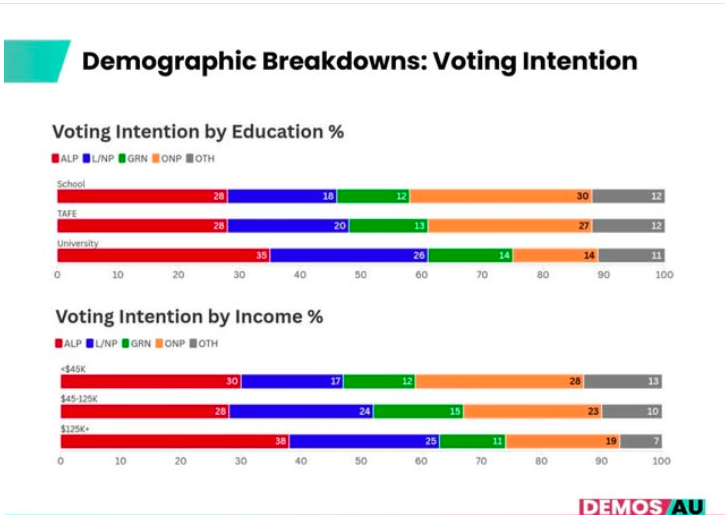
Date: 2/02/2026 08:11:56
From: Tau.Neutrino
ID: 2356419
Subject: re: Australian politics - January 2026
ChrispenEvan said:
Carrick Ryan
This recent Australian polling data reveals a bit about where the recent surge in support for One Nation is coming from, but I believe too many are missing the important message that this data is telling us.
For those outside Australia, One Nation is a MAGA aligned populist party, with a similar anti-immigration message to the Reform Party in the UK. The data I’ve seen shows a fairly similar correlation between education level and support for right wing populism.
The temptation here is to make an assertion regarding intelligence, but that’s not only unhelpful, it doesn’t tell the full picture.
Yes, more educated people are less inclined to buy into populist policies because they’re more likely to grasp the fact that complex problems usually have complex solutions, and that simple solutions usually have complex consequences.
But Australia, like the rest of the West, has never been more educated. In 1991, only 8% of Australians held a bachelor degree or higher. Today, more than one in three Australians have one. So why is populism surging now when theoretically it should be retreating in the face of an increasingly educated population?
The first clue is the second demographic indicator on the image I shared which shows a prevailing socio-economic bias, one which is inextricably influenced by education.
Those with a university degree are less likely to be unemployed and also tend to have a higher income than those without any non-school qualifications. This means they are far more likely to be insulated from economic instability that predominantly impacts the middle-skilled workforce.
These are manufacturing jobs, industrial trades, clerical and administrative roles, sales, transport, and even many public sector careers. The key point is that these are all vocations that in previous generations provided a consistent living wage that was usually sufficient to buy a home and support a family. This is simply no longer the reality in 2026, resulting in a spike of nostalgia for the post-war era of unprecedented economic growth.
But what is often overlooked is the way this loss of financial stability usually leads to “status anxiety”; the feeling of having less respect, security, or upward mobility. This is particularly pertinent for men, with their social status historically tied to provider roles, physical strength, and workplace dominance.
There is a palpable grievance that our economy has abandoned them at the same time as the “intellectual elite” are seemingly obsessed with progressive social issues that seem committed to elevating everyone but them. A perception many progressives do not help by falling into the trap of condescension and condemnation for alleged moral failings.
I think many activists on the Left have failed to grasp how self-righteous demands that others abandon their traditions become symbols of a sense of dispossession from a life their parents enjoyed.
When a group become resentful of the way the country has changed, immigrants become an easy focus of this resentment. Not purely because of racism, but because immigrants are a visible sign of the fact our country has changed. Populist politicians exploit this correlation because it’s simple to consume, even if the causation doesn’t follow.
Times may have well been easier for many in the working class before our suburbs began to feature so many darker shades of skin colour, and while a proper analysis demonstrates that immigrants have not been the cause of this degradation in economic opportunity, the seductive promise that simply capping immigration will bring back the good old days is too appealing for some to turn down.
In my view, there are two remedies to the rise of far right populism across the world. The first is continuing to confront the disinformation while directing attention to the exponential wealth growth of the billionaires that fund these movements.
The second is ensuring that our society is responding to this genuine alienation being felt by much of the working class who feel betrayed by the social contract they had signed on to. If we put housing out of reach of so many, if we make employment less secure, and if we speak down to those who are already alienated by social change, then we are feeding the grievances that populists eventually exploit.
While this may not feel as good as simply dismissing these voters as “stupid”, evidence abroad suggests its far easier to confront this problem now than when their grievance grows large enough to decide elections.
I would like to see misinformation/disinformation made a criminal offence.
Date: 2/02/2026 08:16:46
From: roughbarked
ID: 2356421
Subject: re: Australian politics - January 2026
Tau.Neutrino said:
ChrispenEvan said:
Carrick Ryan
This recent Australian polling data reveals a bit about where the recent surge in support for One Nation is coming from, but I believe too many are missing the important message that this data is telling us.
For those outside Australia, One Nation is a MAGA aligned populist party, with a similar anti-immigration message to the Reform Party in the UK. The data I’ve seen shows a fairly similar correlation between education level and support for right wing populism.
The temptation here is to make an assertion regarding intelligence, but that’s not only unhelpful, it doesn’t tell the full picture.
Yes, more educated people are less inclined to buy into populist policies because they’re more likely to grasp the fact that complex problems usually have complex solutions, and that simple solutions usually have complex consequences.
But Australia, like the rest of the West, has never been more educated. In 1991, only 8% of Australians held a bachelor degree or higher. Today, more than one in three Australians have one. So why is populism surging now when theoretically it should be retreating in the face of an increasingly educated population?
The first clue is the second demographic indicator on the image I shared which shows a prevailing socio-economic bias, one which is inextricably influenced by education.
Those with a university degree are less likely to be unemployed and also tend to have a higher income than those without any non-school qualifications. This means they are far more likely to be insulated from economic instability that predominantly impacts the middle-skilled workforce.
These are manufacturing jobs, industrial trades, clerical and administrative roles, sales, transport, and even many public sector careers. The key point is that these are all vocations that in previous generations provided a consistent living wage that was usually sufficient to buy a home and support a family. This is simply no longer the reality in 2026, resulting in a spike of nostalgia for the post-war era of unprecedented economic growth.
But what is often overlooked is the way this loss of financial stability usually leads to “status anxiety”; the feeling of having less respect, security, or upward mobility. This is particularly pertinent for men, with their social status historically tied to provider roles, physical strength, and workplace dominance.
There is a palpable grievance that our economy has abandoned them at the same time as the “intellectual elite” are seemingly obsessed with progressive social issues that seem committed to elevating everyone but them. A perception many progressives do not help by falling into the trap of condescension and condemnation for alleged moral failings.
I think many activists on the Left have failed to grasp how self-righteous demands that others abandon their traditions become symbols of a sense of dispossession from a life their parents enjoyed.
When a group become resentful of the way the country has changed, immigrants become an easy focus of this resentment. Not purely because of racism, but because immigrants are a visible sign of the fact our country has changed. Populist politicians exploit this correlation because it’s simple to consume, even if the causation doesn’t follow.
Times may have well been easier for many in the working class before our suburbs began to feature so many darker shades of skin colour, and while a proper analysis demonstrates that immigrants have not been the cause of this degradation in economic opportunity, the seductive promise that simply capping immigration will bring back the good old days is too appealing for some to turn down.
In my view, there are two remedies to the rise of far right populism across the world. The first is continuing to confront the disinformation while directing attention to the exponential wealth growth of the billionaires that fund these movements.
The second is ensuring that our society is responding to this genuine alienation being felt by much of the working class who feel betrayed by the social contract they had signed on to. If we put housing out of reach of so many, if we make employment less secure, and if we speak down to those who are already alienated by social change, then we are feeding the grievances that populists eventually exploit.
While this may not feel as good as simply dismissing these voters as “stupid”, evidence abroad suggests its far easier to confront this problem now than when their grievance grows large enough to decide elections.
I would like to see misinformation/disinformation made a criminal offence.
They find a way around any legislation.
Date: 2/02/2026 08:49:44
From: ChrispenEvan
ID: 2356422
Subject: re: Australian politics - January 2026
roughbarked said:
Tau.Neutrino said:
ChrispenEvan said:
Carrick Ryan
This recent Australian polling data reveals a bit about where the recent surge in support for One Nation is coming from, but I believe too many are missing the important message that this data is telling us…
I would like to see misinformation/disinformation made a criminal offence.
They find a way around any legislation.
I think legislating against misinformation would be undoable.
Date: 2/02/2026 08:54:46
From: roughbarked
ID: 2356423
Subject: re: Australian politics - January 2026
ChrispenEvan said:
roughbarked said:
Tau.Neutrino said:
I would like to see misinformation/disinformation made a criminal offence.
They find a way around any legislation.
I think legislating against misinformation would be undoable.
Yup.
Date: 2/02/2026 09:23:09
From: Ian
ID: 2356425
Subject: re: Australian politics - January 2026
ChrispenEvan said:
Carrick Ryan
This recent Australian polling data reveals a bit about where the recent surge in support for One Nation is coming from, but I believe too many are missing the important message that this data is telling us.
For those outside Australia, One Nation is a MAGA aligned populist party, with a similar anti-immigration message to the Reform Party in the UK. The data I’ve seen shows a fairly similar correlation between education level and support for right wing populism.
The temptation here is to make an assertion regarding intelligence, but that’s not only unhelpful, it doesn’t tell the full picture.
Yes, more educated people are less inclined to buy into populist policies because they’re more likely to grasp the fact that complex problems usually have complex solutions, and that simple solutions usually have complex consequences.
But Australia, like the rest of the West, has never been more educated. In 1991, only 8% of Australians held a bachelor degree or higher. Today, more than one in three Australians have one. So why is populism surging now when theoretically it should be retreating in the face of an increasingly educated population?
The first clue is the second demographic indicator on the image I shared which shows a prevailing socio-economic bias, one which is inextricably influenced by education.
Those with a university degree are less likely to be unemployed and also tend to have a higher income than those without any non-school qualifications. This means they are far more likely to be insulated from economic instability that predominantly impacts the middle-skilled workforce.
These are manufacturing jobs, industrial trades, clerical and administrative roles, sales, transport, and even many public sector careers. The key point is that these are all vocations that in previous generations provided a consistent living wage that was usually sufficient to buy a home and support a family. This is simply no longer the reality in 2026, resulting in a spike of nostalgia for the post-war era of unprecedented economic growth.
But what is often overlooked is the way this loss of financial stability usually leads to “status anxiety”; the feeling of having less respect, security, or upward mobility. This is particularly pertinent for men, with their social status historically tied to provider roles, physical strength, and workplace dominance.
There is a palpable grievance that our economy has abandoned them at the same time as the “intellectual elite” are seemingly obsessed with progressive social issues that seem committed to elevating everyone but them. A perception many progressives do not help by falling into the trap of condescension and condemnation for alleged moral failings.
I think many activists on the Left have failed to grasp how self-righteous demands that others abandon their traditions become symbols of a sense of dispossession from a life their parents enjoyed.
When a group become resentful of the way the country has changed, immigrants become an easy focus of this resentment. Not purely because of racism, but because immigrants are a visible sign of the fact our country has changed. Populist politicians exploit this correlation because it’s simple to consume, even if the causation doesn’t follow.
Times may have well been easier for many in the working class before our suburbs began to feature so many darker shades of skin colour, and while a proper analysis demonstrates that immigrants have not been the cause of this degradation in economic opportunity, the seductive promise that simply capping immigration will bring back the good old days is too appealing for some to turn down.
In my view, there are two remedies to the rise of far right populism across the world. The first is continuing to confront the disinformation while directing attention to the exponential wealth growth of the billionaires that fund these movements.
The second is ensuring that our society is responding to this genuine alienation being felt by much of the working class who feel betrayed by the social contract they had signed on to. If we put housing out of reach of so many, if we make employment less secure, and if we speak down to those who are already alienated by social change, then we are feeding the grievances that populists eventually exploit.
While this may not feel as good as simply dismissing these voters as “stupid”, evidence abroad suggests its far easier to confront this problem now than when their grievance grows large enough to decide elections.
So Pauline Hanson is not racist, ignorant idiot.
Gotcha
Date: 2/02/2026 09:30:33
From: ChrispenEvan
ID: 2356426
Subject: re: Australian politics - January 2026
Ian said:
ChrispenEvan said:
Carrick Ryan
This recent Australian polling data reveals a bit about where the recent surge in support for One Nation is coming from, but I believe too many are missing the important message that this data is telling us.
For those outside Australia, One Nation is a MAGA aligned populist party, with a similar anti-immigration message to the Reform Party in the UK. The data I’ve seen shows a fairly similar correlation between education level and support for right wing populism.
The temptation here is to make an assertion regarding intelligence, but that’s not only unhelpful, it doesn’t tell the full picture.
Yes, more educated people are less inclined to buy into populist policies because they’re more likely to grasp the fact that complex problems usually have complex solutions, and that simple solutions usually have complex consequences.
But Australia, like the rest of the West, has never been more educated. In 1991, only 8% of Australians held a bachelor degree or higher. Today, more than one in three Australians have one. So why is populism surging now when theoretically it should be retreating in the face of an increasingly educated population?
The first clue is the second demographic indicator on the image I shared which shows a prevailing socio-economic bias, one which is inextricably influenced by education.
Those with a university degree are less likely to be unemployed and also tend to have a higher income than those without any non-school qualifications. This means they are far more likely to be insulated from economic instability that predominantly impacts the middle-skilled workforce.
These are manufacturing jobs, industrial trades, clerical and administrative roles, sales, transport, and even many public sector careers. The key point is that these are all vocations that in previous generations provided a consistent living wage that was usually sufficient to buy a home and support a family. This is simply no longer the reality in 2026, resulting in a spike of nostalgia for the post-war era of unprecedented economic growth.
But what is often overlooked is the way this loss of financial stability usually leads to “status anxiety”; the feeling of having less respect, security, or upward mobility. This is particularly pertinent for men, with their social status historically tied to provider roles, physical strength, and workplace dominance.
There is a palpable grievance that our economy has abandoned them at the same time as the “intellectual elite” are seemingly obsessed with progressive social issues that seem committed to elevating everyone but them. A perception many progressives do not help by falling into the trap of condescension and condemnation for alleged moral failings.
I think many activists on the Left have failed to grasp how self-righteous demands that others abandon their traditions become symbols of a sense of dispossession from a life their parents enjoyed.
When a group become resentful of the way the country has changed, immigrants become an easy focus of this resentment. Not purely because of racism, but because immigrants are a visible sign of the fact our country has changed. Populist politicians exploit this correlation because it’s simple to consume, even if the causation doesn’t follow.
Times may have well been easier for many in the working class before our suburbs began to feature so many darker shades of skin colour, and while a proper analysis demonstrates that immigrants have not been the cause of this degradation in economic opportunity, the seductive promise that simply capping immigration will bring back the good old days is too appealing for some to turn down.
In my view, there are two remedies to the rise of far right populism across the world. The first is continuing to confront the disinformation while directing attention to the exponential wealth growth of the billionaires that fund these movements.
The second is ensuring that our society is responding to this genuine alienation being felt by much of the working class who feel betrayed by the social contract they had signed on to. If we put housing out of reach of so many, if we make employment less secure, and if we speak down to those who are already alienated by social change, then we are feeding the grievances that populists eventually exploit.
While this may not feel as good as simply dismissing these voters as “stupid”, evidence abroad suggests its far easier to confront this problem now than when their grievance grows large enough to decide elections.
So Pauline Hanson is not racist, ignorant idiot.
Gotcha
I see reading comprehension isn’t your strong point.
Date: 2/02/2026 09:44:13
From: Divine Angel
ID: 2356427
Subject: re: Australian politics - January 2026
“The second is ensuring that our society is responding to this genuine alienation being felt by much of the working class who feel betrayed by the social contract they had signed on to. If we put housing out of reach of so many, if we make employment less secure, and if we speak down to those who are already alienated by social change, then we are feeding the grievances that populists eventually exploit.”
That was a selling point for Trump’s first term. A lot of people thought he would be good for the country because he appeared to be a successful businessman. He wasn’t a “politician” per se, he was a (rich) regular Joe who would take care of The People. The fact he’d been on reality TV made him personable, people felt like they really knew him. It’s an attractive prospect, to get someone “different” in power.
I don’t know what the excuse is for voting him in a second time.
Date: 2/02/2026 09:46:58
From: SCIENCE
ID: 2356428
Subject: re: Australian politics - January 2026
Divine Angel said:
“The second is ensuring that our society is responding to this genuine alienation being felt by much of the working class who feel betrayed by the social contract they had signed on to. If we put housing out of reach of so many, if we make employment less secure, and if we speak down to those who are already alienated by social change, then we are feeding the grievances that populists eventually exploit.”
That was a selling point for Trump’s first term. A lot of people thought he would be good for the country because he appeared to be a successful businessman. He wasn’t a “politician” per se, he was a (rich) regular Joe who would take care of The People. The fact he’d been on reality TV made him personable, people felt like they really knew him. It’s an attractive prospect, to get someone “different” in power.
I don’t know what the excuse is for voting him in a second time.
owning the libs
Date: 2/02/2026 09:47:49
From: Witty Rejoinder
ID: 2356429
Subject: re: Australian politics - January 2026
ChrispenEvan said:
Ian said:
ChrispenEvan said:
Carrick Ryan
This recent Australian polling data reveals a bit about where the recent surge in support for One Nation is coming from, but I believe too many are missing the important message that this data is telling us.
For those outside Australia, One Nation is a MAGA aligned populist party, with a similar anti-immigration message to the Reform Party in the UK. The data I’ve seen shows a fairly similar correlation between education level and support for right wing populism.
The temptation here is to make an assertion regarding intelligence, but that’s not only unhelpful, it doesn’t tell the full picture.
Yes, more educated people are less inclined to buy into populist policies because they’re more likely to grasp the fact that complex problems usually have complex solutions, and that simple solutions usually have complex consequences.
But Australia, like the rest of the West, has never been more educated. In 1991, only 8% of Australians held a bachelor degree or higher. Today, more than one in three Australians have one. So why is populism surging now when theoretically it should be retreating in the face of an increasingly educated population?
The first clue is the second demographic indicator on the image I shared which shows a prevailing socio-economic bias, one which is inextricably influenced by education.
Those with a university degree are less likely to be unemployed and also tend to have a higher income than those without any non-school qualifications. This means they are far more likely to be insulated from economic instability that predominantly impacts the middle-skilled workforce.
These are manufacturing jobs, industrial trades, clerical and administrative roles, sales, transport, and even many public sector careers. The key point is that these are all vocations that in previous generations provided a consistent living wage that was usually sufficient to buy a home and support a family. This is simply no longer the reality in 2026, resulting in a spike of nostalgia for the post-war era of unprecedented economic growth.
But what is often overlooked is the way this loss of financial stability usually leads to “status anxiety”; the feeling of having less respect, security, or upward mobility. This is particularly pertinent for men, with their social status historically tied to provider roles, physical strength, and workplace dominance.
There is a palpable grievance that our economy has abandoned them at the same time as the “intellectual elite” are seemingly obsessed with progressive social issues that seem committed to elevating everyone but them. A perception many progressives do not help by falling into the trap of condescension and condemnation for alleged moral failings.
I think many activists on the Left have failed to grasp how self-righteous demands that others abandon their traditions become symbols of a sense of dispossession from a life their parents enjoyed.
When a group become resentful of the way the country has changed, immigrants become an easy focus of this resentment. Not purely because of racism, but because immigrants are a visible sign of the fact our country has changed. Populist politicians exploit this correlation because it’s simple to consume, even if the causation doesn’t follow.
Times may have well been easier for many in the working class before our suburbs began to feature so many darker shades of skin colour, and while a proper analysis demonstrates that immigrants have not been the cause of this degradation in economic opportunity, the seductive promise that simply capping immigration will bring back the good old days is too appealing for some to turn down.
In my view, there are two remedies to the rise of far right populism across the world. The first is continuing to confront the disinformation while directing attention to the exponential wealth growth of the billionaires that fund these movements.
The second is ensuring that our society is responding to this genuine alienation being felt by much of the working class who feel betrayed by the social contract they had signed on to. If we put housing out of reach of so many, if we make employment less secure, and if we speak down to those who are already alienated by social change, then we are feeding the grievances that populists eventually exploit.
While this may not feel as good as simply dismissing these voters as “stupid”, evidence abroad suggests its far easier to confront this problem now than when their grievance grows large enough to decide elections.
So Pauline Hanson is not racist, ignorant idiot.
Gotcha
I see reading comprehension isn’t your strong point.
Since today’s your birthday I’ll get you a sarcasm detector since yours is now broken too it seems.
Date: 2/02/2026 09:49:01
From: SCIENCE
ID: 2356430
Subject: re: Australian politics - January 2026
ChrispenEvan said:
Ian said:
ChrispenEvan said:
Carrick Ryan
This recent Australian polling data reveals a bit about where the recent surge in support for One Nation is coming from, but I believe too many are missing the important message that this data is telling us.
For those outside Australia, One Nation is a MAGA aligned populist party, with a similar anti-immigration message to the Reform Party in the UK. The data I’ve seen shows a fairly similar correlation between education level and support for right wing populism.
The temptation here is to make an assertion regarding intelligence, but that’s not only unhelpful, it doesn’t tell the full picture.
Yes, more educated people are less inclined to buy into populist policies because they’re more likely to grasp the fact that complex problems usually have complex solutions, and that simple solutions usually have complex consequences.
But Australia, like the rest of the West, has never been more educated. In 1991, only 8% of Australians held a bachelor degree or higher. Today, more than one in three Australians have one. So why is populism surging now when theoretically it should be retreating in the face of an increasingly educated population?
The first clue is the second demographic indicator on the image I shared which shows a prevailing socio-economic bias, one which is inextricably influenced by education.
Those with a university degree are less likely to be unemployed and also tend to have a higher income than those without any non-school qualifications. This means they are far more likely to be insulated from economic instability that predominantly impacts the middle-skilled workforce.
These are manufacturing jobs, industrial trades, clerical and administrative roles, sales, transport, and even many public sector careers. The key point is that these are all vocations that in previous generations provided a consistent living wage that was usually sufficient to buy a home and support a family. This is simply no longer the reality in 2026, resulting in a spike of nostalgia for the post-war era of unprecedented economic growth.
But what is often overlooked is the way this loss of financial stability usually leads to “status anxiety”; the feeling of having less respect, security, or upward mobility. This is particularly pertinent for men, with their social status historically tied to provider roles, physical strength, and workplace dominance.
There is a palpable grievance that our economy has abandoned them at the same time as the “intellectual elite” are seemingly obsessed with progressive social issues that seem committed to elevating everyone but them. A perception many progressives do not help by falling into the trap of condescension and condemnation for alleged moral failings.
I think many activists on the Left have failed to grasp how self-righteous demands that others abandon their traditions become symbols of a sense of dispossession from a life their parents enjoyed.
When a group become resentful of the way the country has changed, immigrants become an easy focus of this resentment. Not purely because of racism, but because immigrants are a visible sign of the fact our country has changed. Populist politicians exploit this correlation because it’s simple to consume, even if the causation doesn’t follow.
Times may have well been easier for many in the working class before our suburbs began to feature so many darker shades of skin colour, and while a proper analysis demonstrates that immigrants have not been the cause of this degradation in economic opportunity, the seductive promise that simply capping immigration will bring back the good old days is too appealing for some to turn down.
In my view, there are two remedies to the rise of far right populism across the world. The first is continuing to confront the disinformation while directing attention to the exponential wealth growth of the billionaires that fund these movements.
The second is ensuring that our society is responding to this genuine alienation being felt by much of the working class who feel betrayed by the social contract they had signed on to. If we put housing out of reach of so many, if we make employment less secure, and if we speak down to those who are already alienated by social change, then we are feeding the grievances that populists eventually exploit.
While this may not feel as good as simply dismissing these voters as “stupid”, evidence abroad suggests its far easier to confront this problem now than when their grievance grows large enough to decide elections.
So Pauline Hanson is not racist, ignorant idiot.
Gotcha
I see reading comprehension isn’t your strong point.
don’t worry yous have us to turn up and laugh at the lack of intelligence of others please carry on
Date: 2/02/2026 09:50:19
From: Divine Angel
ID: 2356431
Subject: re: Australian politics - January 2026
SCIENCE said:
Divine Angel said:
“The second is ensuring that our society is responding to this genuine alienation being felt by much of the working class who feel betrayed by the social contract they had signed on to. If we put housing out of reach of so many, if we make employment less secure, and if we speak down to those who are already alienated by social change, then we are feeding the grievances that populists eventually exploit.”
That was a selling point for Trump’s first term. A lot of people thought he would be good for the country because he appeared to be a successful businessman. He wasn’t a “politician” per se, he was a (rich) regular Joe who would take care of The People. The fact he’d been on reality TV made him personable, people felt like they really knew him. It’s an attractive prospect, to get someone “different” in power.
I don’t know what the excuse is for voting him in a second time.
owning the libs
And owning Greenland, apparently.
Date: 2/02/2026 09:50:23
From: SCIENCE
ID: 2356432
Subject: re: Australian politics - January 2026
roughbarked said:
ChrispenEvan said:
roughbarked said:
They find a way around any legislation.
I think legislating against misinformation would be undoable.
Yup.
most good things in this world can be undone, how is that any different
Date: 2/02/2026 09:50:37
From: ChrispenEvan
ID: 2356433
Subject: re: Australian politics - January 2026
Witty Rejoinder said:
ChrispenEvan said:
Ian said:
So Pauline Hanson is not racist, ignorant idiot.
Gotcha
I see reading comprehension isn’t your strong point.
Since today’s your birthday I’ll get you a sarcasm detector since yours is now broken too it seems.
nothing sarcastic about it. it is spelled out what Hanson is.
Date: 2/02/2026 09:51:28
From: ChrispenEvan
ID: 2356434
Subject: re: Australian politics - January 2026
Divine Angel said:
SCIENCE said:
Divine Angel said:
“The second is ensuring that our society is responding to this genuine alienation being felt by much of the working class who feel betrayed by the social contract they had signed on to. If we put housing out of reach of so many, if we make employment less secure, and if we speak down to those who are already alienated by social change, then we are feeding the grievances that populists eventually exploit.”
That was a selling point for Trump’s first term. A lot of people thought he would be good for the country because he appeared to be a successful businessman. He wasn’t a “politician” per se, he was a (rich) regular Joe who would take care of The People. The fact he’d been on reality TV made him personable, people felt like they really knew him. It’s an attractive prospect, to get someone “different” in power.
I don’t know what the excuse is for voting him in a second time.
owning the libs
And owning Greenland, apparently.
and the Venusians!
Date: 2/02/2026 09:57:26
From: SCIENCE
ID: 2356438
Subject: re: Australian politics - January 2026
Divine Angel said:
SCIENCE said:
Divine Angel said:
“The second is ensuring that our society is responding to this genuine alienation being felt by much of the working class who feel betrayed by the social contract they had signed on to. If we put housing out of reach of so many, if we make employment less secure, and if we speak down to those who are already alienated by social change, then we are feeding the grievances that populists eventually exploit.”
That was a selling point for Trump’s first term. A lot of people thought he would be good for the country because he appeared to be a successful businessman. He wasn’t a “politician” per se, he was a (rich) regular Joe who would take care of The People. The fact he’d been on reality TV made him personable, people felt like they really knew him. It’s an attractive prospect, to get someone “different” in power.
I don’t know what the excuse is for voting him in a second time.
owning the libs
And owning Greenland, apparently.
greens is libs
Date: 2/02/2026 10:03:08
From: Witty Rejoinder
ID: 2356446
Subject: re: Australian politics - January 2026
ChrispenEvan said:
Witty Rejoinder said:
ChrispenEvan said:
I see reading comprehension isn’t your strong point.
Since today’s your birthday I’ll get you a sarcasm detector since yours is now broken too it seems.
nothing sarcastic about it. it is spelled out what Hanson is.
People’s posts cannot be considered in isolation, so with his past utterances and generally left of centre viewpoint considered, it’s clear that Ian was deploying sarcasm to express his disquiet with the article’s less than explicit condemnation of PH’s politics.
Date: 2/02/2026 10:47:09
From: Tau.Neutrino
ID: 2356451
Subject: re: Australian politics - January 2026
roughbarked said:
ChrispenEvan said:
roughbarked said:
They find a way around any legislation.
I think legislating against misinformation would be undoable.
Yup.
Yes and no.
It needs to be done across media outlets which violate their responsibility and it needs to be focused not involve a wide approach. A wide approach would be undoubtedly undoable.
Date: 2/02/2026 10:53:22
From: Divine Angel
ID: 2356456
Subject: re: Australian politics - January 2026
Tau.Neutrino said:
roughbarked said:
ChrispenEvan said:
I think legislating against misinformation would be undoable.
Yup.
Yes and no.
It needs to be done across media outlets which violate their responsibility and it needs to be focused not involve a wide approach. A wide approach would be undoubtedly undoable.
We have two main issues here:
1) Free speech. Even in countries where free speech isn’t inherently protected, like Australia, it’s rather difficult to enforce such a thing.
2) What is “misinformation”? We live in a society where people believe what they see on TikTok. Everything from the dangers of mRNA to simulation theory to alternative treatments for cancer. What we saw during 2020’s covid lockdowns is that people mistrust the factual information given to them. We saw a rise in anti-vax sentiment, an increase in sovereign citizens, and a movement where people actively protested against government rules which were based in science. You can’t outlaw misinformation because a whole subsection of people will be questioning “why?” It’s the same mistrust we’re seeing in the rise of the far right.
Date: 2/02/2026 10:56:18
From: dv
ID: 2356461
Subject: re: Australian politics - January 2026
Divine Angel said:
Tau.Neutrino said:
roughbarked said:
Yup.
Yes and no.
It needs to be done across media outlets which violate their responsibility and it needs to be focused not involve a wide approach. A wide approach would be undoubtedly undoable.
We have two main issues here:
1) Free speech. Even in countries where free speech isn’t inherently protected, like Australia, it’s rather difficult to enforce such a thing.
2) What is “misinformation”? We live in a society where people believe what they see on TikTok. Everything from the dangers of mRNA to simulation theory to alternative treatments for cancer. What we saw during 2020’s covid lockdowns is that people mistrust the factual information given to them. We saw a rise in anti-vax sentiment, an increase in sovereign citizens, and a movement where people actively protested against government rules which were based in science. You can’t outlaw misinformation because a whole subsection of people will be questioning “why?” It’s the same mistrust we’re seeing in the rise of the far right.
Can we make corrective notes mandatory?
e.g. every TikTok saying that space lasers are the leading cause of death in cats has to be accompanied by a prominent link to a video by a subject matter expert.
Date: 2/02/2026 10:56:52
From: SCIENCE
ID: 2356462
Subject: re: Australian politics - January 2026
Divine Angel said:
Tau.Neutrino said:
roughbarked said:
Yup.
Yes and no.
It needs to be done across media outlets which violate their responsibility and it needs to be focused not involve a wide approach. A wide approach would be undoubtedly undoable.
We have two main issues here:
1) Free speech. Even in countries where free speech isn’t inherently protected, like Australia, it’s rather difficult to enforce such a thing.
2) What is “misinformation”? We live in a society where people believe what they see on TikTok. Everything from the dangers of mRNA to simulation theory to alternative treatments for cancer. What we saw during 2020’s covid lockdowns is that people mistrust the factual information given to them. We saw a rise in anti-vax sentiment, an increase in sovereign citizens, and a movement where people actively protested against government rules which were based in science. You can’t outlaw misinformation because a whole subsection of people will be questioning “why?” It’s the same mistrust we’re seeing in the rise of the far right.
is misinformation consistent with SCIENCE or otherwise
Date: 2/02/2026 10:57:23
From: Cymek
ID: 2356463
Subject: re: Australian politics - January 2026
Divine Angel said:
Tau.Neutrino said:
roughbarked said:
Yup.
Yes and no.
It needs to be done across media outlets which violate their responsibility and it needs to be focused not involve a wide approach. A wide approach would be undoubtedly undoable.
We have two main issues here:
1) Free speech. Even in countries where free speech isn’t inherently protected, like Australia, it’s rather difficult to enforce such a thing.
2) What is “misinformation”? We live in a society where people believe what they see on TikTok. Everything from the dangers of mRNA to simulation theory to alternative treatments for cancer. What we saw during 2020’s covid lockdowns is that people mistrust the factual information given to them. We saw a rise in anti-vax sentiment, an increase in sovereign citizens, and a movement where people actively protested against government rules which were based in science. You can’t outlaw misinformation because a whole subsection of people will be questioning “why?” It’s the same mistrust we’re seeing in the rise of the far right.
Also if you have a logical rational mind that sees the big picture one can believe everyone thinks this way when they don’t.
Date: 2/02/2026 10:57:55
From: SCIENCE
ID: 2356465
Subject: re: Australian politics - January 2026
dv said:
Divine Angel said:
Tau.Neutrino said:
Yes and no.
It needs to be done across media outlets which violate their responsibility and it needs to be focused not involve a wide approach. A wide approach would be undoubtedly undoable.
We have two main issues here:
1) Free speech. Even in countries where free speech isn’t inherently protected, like Australia, it’s rather difficult to enforce such a thing.
2) What is “misinformation”? We live in a society where people believe what they see on TikTok. Everything from the dangers of mRNA to simulation theory to alternative treatments for cancer. What we saw during 2020’s covid lockdowns is that people mistrust the factual information given to them. We saw a rise in anti-vax sentiment, an increase in sovereign citizens, and a movement where people actively protested against government rules which were based in science. You can’t outlaw misinformation because a whole subsection of people will be questioning “why?” It’s the same mistrust we’re seeing in the rise of the far right.
Can we make corrective notes mandatory?
e.g. every TikTok saying that space lasers are the leading cause of death in cats has to be accompanied by a prominent link to a video by a subject matter expert.
who decides who is expert
Date: 2/02/2026 10:59:56
From: dv
ID: 2356469
Subject: re: Australian politics - January 2026
SCIENCE said:
dv said:
Divine Angel said:
We have two main issues here:
1) Free speech. Even in countries where free speech isn’t inherently protected, like Australia, it’s rather difficult to enforce such a thing.
2) What is “misinformation”? We live in a society where people believe what they see on TikTok. Everything from the dangers of mRNA to simulation theory to alternative treatments for cancer. What we saw during 2020’s covid lockdowns is that people mistrust the factual information given to them. We saw a rise in anti-vax sentiment, an increase in sovereign citizens, and a movement where people actively protested against government rules which were based in science. You can’t outlaw misinformation because a whole subsection of people will be questioning “why?” It’s the same mistrust we’re seeing in the rise of the far right.
Can we make corrective notes mandatory?
e.g. every TikTok saying that space lasers are the leading cause of death in cats has to be accompanied by a prominent link to a video by a subject matter expert.
who decides who is expert
It would depend on the industry I suppose but in medicine it would be someone chosen by the AMA
Date: 2/02/2026 11:01:09
From: Divine Angel
ID: 2356470
Subject: re: Australian politics - January 2026
dv said:
Divine Angel said:
Tau.Neutrino said:
Yes and no.
It needs to be done across media outlets which violate their responsibility and it needs to be focused not involve a wide approach. A wide approach would be undoubtedly undoable.
We have two main issues here:
1) Free speech. Even in countries where free speech isn’t inherently protected, like Australia, it’s rather difficult to enforce such a thing.
2) What is “misinformation”? We live in a society where people believe what they see on TikTok. Everything from the dangers of mRNA to simulation theory to alternative treatments for cancer. What we saw during 2020’s covid lockdowns is that people mistrust the factual information given to them. We saw a rise in anti-vax sentiment, an increase in sovereign citizens, and a movement where people actively protested against government rules which were based in science. You can’t outlaw misinformation because a whole subsection of people will be questioning “why?” It’s the same mistrust we’re seeing in the rise of the far right.
Can we make corrective notes mandatory?
e.g. every TikTok saying that space lasers are the leading cause of death in cats has to be accompanied by a prominent link to a video by a subject matter expert.
I present the example given last week: in the creationist group, Answers in Genesis, there’s a PhD geologist sprouting bullshit supporting creationism. He’s credible because he’s a PhD, has been in the geology game since MV was studying, yet perpetuates utter BS.
Date: 2/02/2026 11:05:09
From: dv
ID: 2356471
Subject: re: Australian politics - January 2026
Divine Angel said:
dv said:
Divine Angel said:
We have two main issues here:
1) Free speech. Even in countries where free speech isn’t inherently protected, like Australia, it’s rather difficult to enforce such a thing.
2) What is “misinformation”? We live in a society where people believe what they see on TikTok. Everything from the dangers of mRNA to simulation theory to alternative treatments for cancer. What we saw during 2020’s covid lockdowns is that people mistrust the factual information given to them. We saw a rise in anti-vax sentiment, an increase in sovereign citizens, and a movement where people actively protested against government rules which were based in science. You can’t outlaw misinformation because a whole subsection of people will be questioning “why?” It’s the same mistrust we’re seeing in the rise of the far right.
Can we make corrective notes mandatory?
e.g. every TikTok saying that space lasers are the leading cause of death in cats has to be accompanied by a prominent link to a video by a subject matter expert.
I present the example given last week: in the creationist group, Answers in Genesis, there’s a PhD geologist sprouting bullshit supporting creationism. He’s credible because he’s a PhD, has been in the geology game since MV was studying, yet perpetuates utter BS.
I don’t mean a rando with a degree. I mean someone selected by the relevant peak body.
Date: 2/02/2026 11:07:28
From: SCIENCE
ID: 2356473
Subject: re: Australian politics - January 2026
dv said:
Divine Angel said:
dv said:
Can we make corrective notes mandatory?
e.g. every TikTok saying that space lasers are the leading cause of death in cats has to be accompanied by a prominent link to a video by a subject matter expert.
I present the example given last week: in the creationist group, Answers in Genesis, there’s a PhD geologist sprouting bullshit supporting creationism. He’s credible because he’s a PhD, has been in the geology game since MV was studying, yet perpetuates utter BS.
I don’t mean a rando with a degree. I mean someone selected by the relevant peak body.
like congress or the supreme court or what
Date: 2/02/2026 11:10:00
From: Peak Warming Man
ID: 2356474
Subject: re: Australian politics - January 2026
dv said:
Divine Angel said:
dv said:
Can we make corrective notes mandatory?
e.g. every TikTok saying that space lasers are the leading cause of death in cats has to be accompanied by a prominent link to a video by a subject matter expert.
I present the example given last week: in the creationist group, Answers in Genesis, there’s a PhD geologist sprouting bullshit supporting creationism. He’s credible because he’s a PhD, has been in the geology game since MV was studying, yet perpetuates utter BS.
I don’t mean a rando with a degree. I mean someone selected by the relevant peak body.
But what if the peak body is just a shrill for BIG MEDICINE.
Date: 2/02/2026 11:11:44
From: SCIENCE
ID: 2356476
Subject: re: Australian politics - January 2026
Peak Warming Man said:
dv said:
Divine Angel said:
I present the example given last week: in the creationist group, Answers in Genesis, there’s a PhD geologist sprouting bullshit supporting creationism. He’s credible because he’s a PhD, has been in the geology game since MV was studying, yet perpetuates utter BS.
I don’t mean a rando with a degree. I mean someone selected by the relevant peak body.
But what if the peak body is just a shrill for BIG MEDICINE.
like NIH Director Jay Bhattacharya yeah
Date: 2/02/2026 11:19:18
From: Cymek
ID: 2356487
Subject: re: Australian politics - January 2026
SCIENCE said:
Peak Warming Man said:
dv said:
I don’t mean a rando with a degree. I mean someone selected by the relevant peak body.
But what if the peak body is just a shrill for BIG MEDICINE.
like NIH Director Jay Bhattacharya yeah
It’s not just misinformation on science but reviews of products.
Hard to tell if the product if great or terrible as no mid tier reviews exist
Are the good reviews fake or the bad ones a way to discredit a good product
Date: 2/02/2026 11:22:52
From: SCIENCE
ID: 2356493
Subject: re: Australian politics - January 2026
Cymek said:
SCIENCE said:
Peak Warming Man said:
But what if the peak body is just a shrill for BIG MEDICINE.
like NIH Director Jay Bhattacharya yeah
It’s not just misinformation on science but reviews of products.
Hard to tell if the product if great or terrible as no mid tier reviews exist
Are the good reviews fake or the bad ones a way to discredit a good product
our point is just that like ¿quis custodiet ipsos custodes? all other institutions can almost as easily be captured and unless you continually maintain or raise the standard with good critical thinking education you’re ending up in the same shit sooner rather than later
Date: 2/02/2026 11:24:50
From: dv
ID: 2356496
Subject: re: Australian politics - January 2026
SCIENCE said:
Cymek said:
SCIENCE said:
like NIH Director Jay Bhattacharya yeah
It’s not just misinformation on science but reviews of products.
Hard to tell if the product if great or terrible as no mid tier reviews exist
Are the good reviews fake or the bad ones a way to discredit a good product
our point is just that like ¿quis custodiet ipsos custodes? all other institutions can almost as easily be captured and unless you continually maintain or raise the standard with good critical thinking education you’re ending up in the same shit sooner rather than later
I’m sure some regulatory framework is possible. Many eyes smooth errors etc.
Even if it fails occasionally, it’s got to be better than 95% of received data being complete BS.
Date: 2/02/2026 11:30:35
From: SCIENCE
ID: 2356505
Subject: re: Australian politics - January 2026
dv said:
SCIENCE said:
Cymek said:
It’s not just misinformation on science but reviews of products.
Hard to tell if the product if great or terrible as no mid tier reviews exist
Are the good reviews fake or the bad ones a way to discredit a good product
our point is just that like ¿quis custodiet ipsos custodes? all other institutions can almost as easily be captured and unless you continually maintain or raise the standard with good critical thinking education you’re ending up in the same shit sooner rather than later
I’m sure some regulatory framework is possible. Many eyes smooth errors etc.
Even if it fails occasionally, it’s got to be better than 95% of received data being complete BS.
True, there are plenty of lower levels in NIH where they have struggled on to maintain legit’ health service and support provision, though obviously as time goes on there’s attrition and it gets worse and worse. Institutions don’t flip instantly, we live in hope.