For our WAlien forumers since Narelle’s looking likely to impact Perth in some capacity.
From: Tony Cornelius, meteorologist, on Facebook.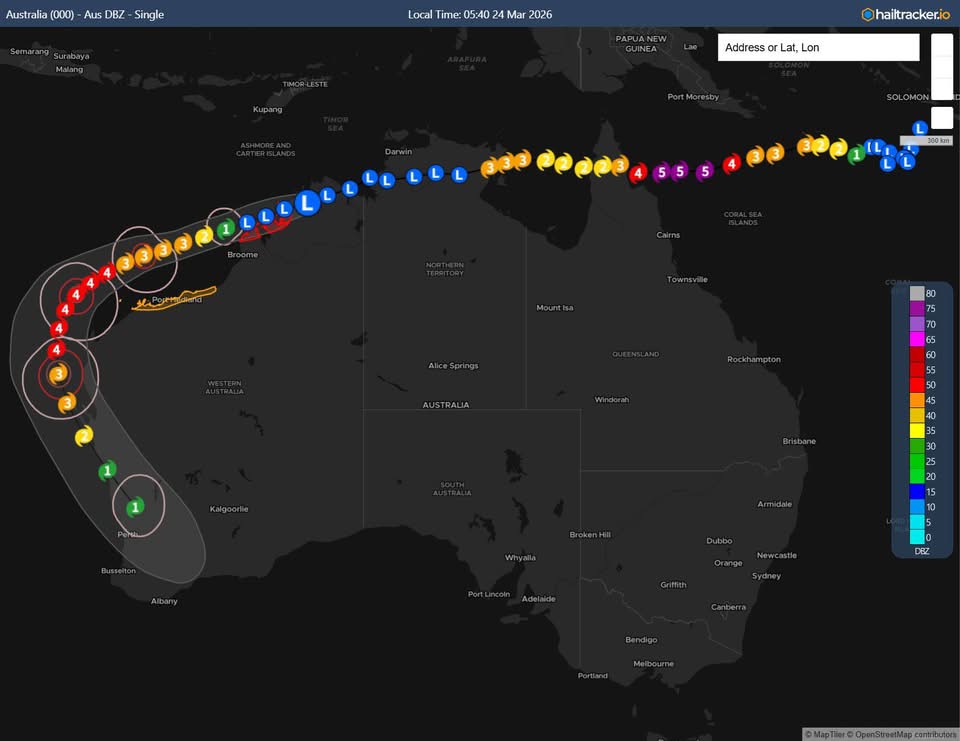
Tropical Cyclone Narelle May Pose Significant Threat to West Coast of Australia (Perth to Exmouth)
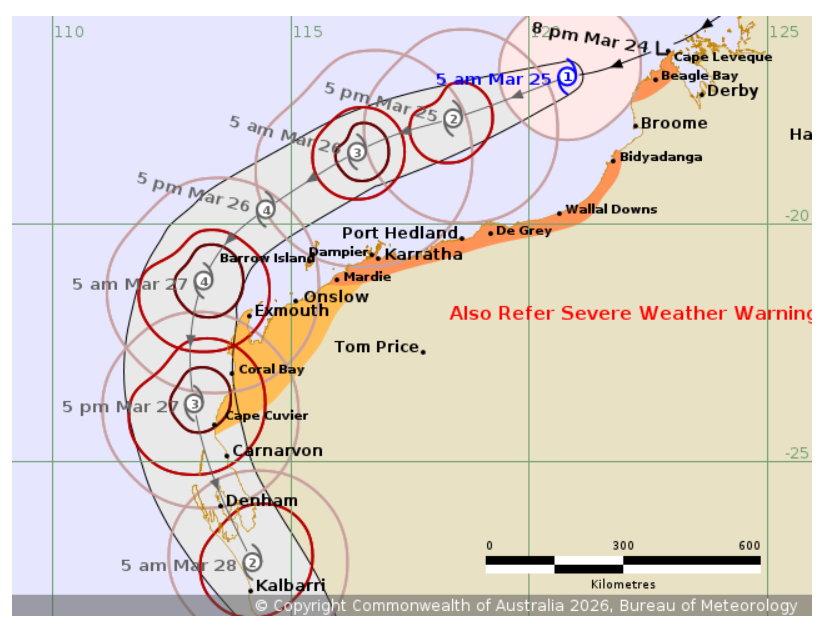
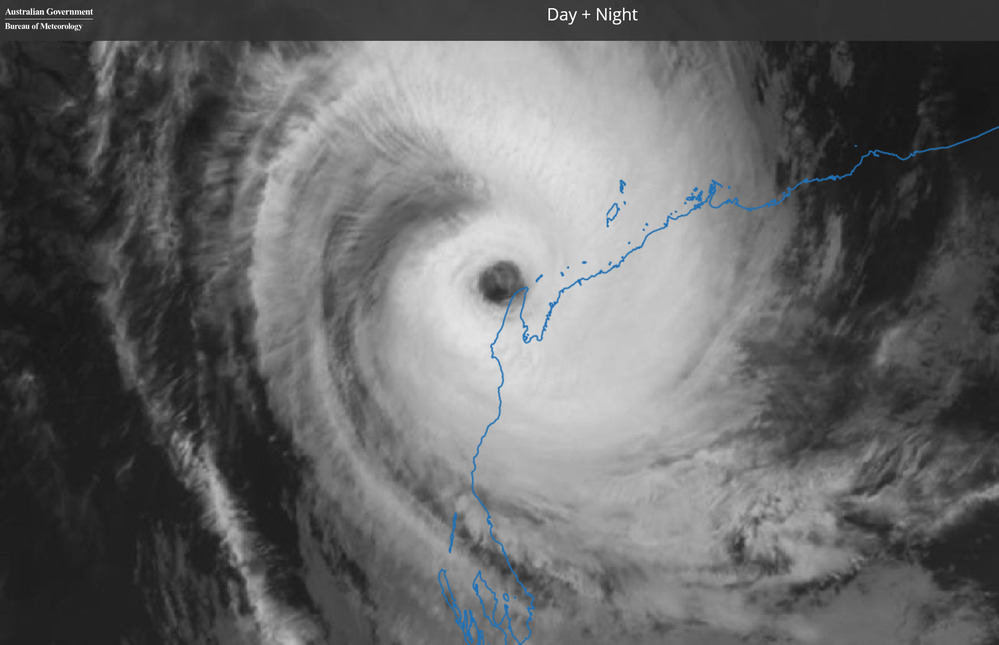
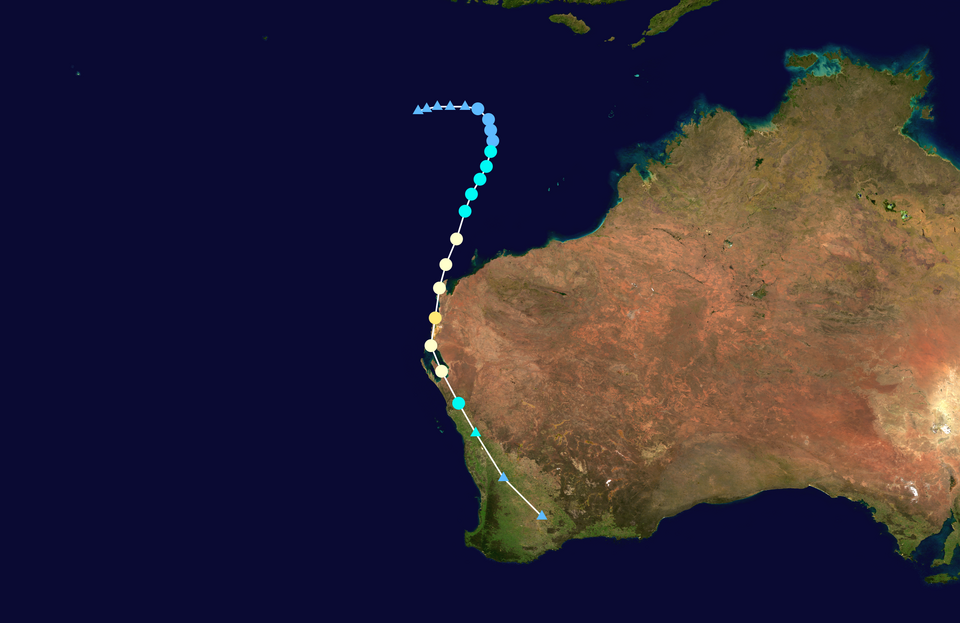
While still an ex-tropical cyclone, Narelle is forecast to push into the Indian Ocean overnight where it’s expected to intensify back into a tropical cyclone thanks to favourable wind shear and warm ocean temperatures. Narelle will continue to be steered by an upper high, meaning the further west it tracks, it will adopt a more WSW to SW movement.
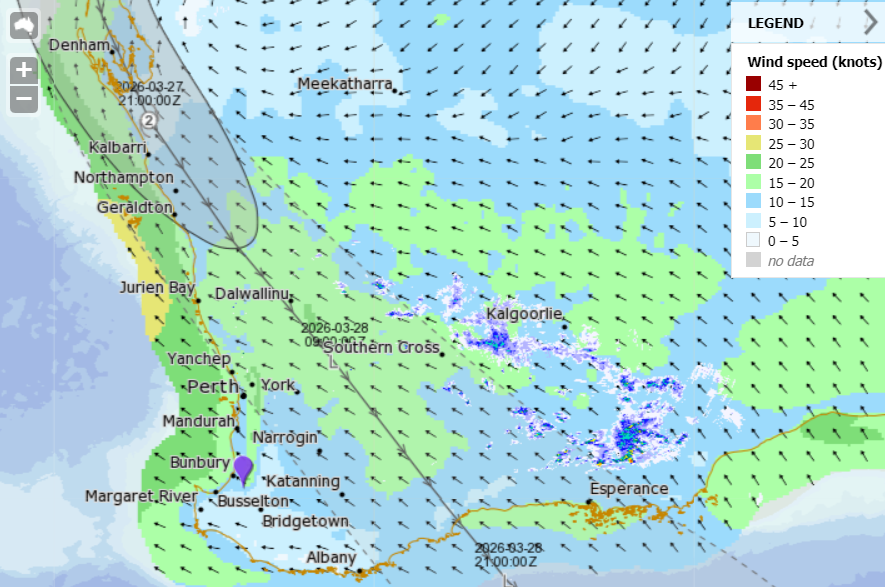
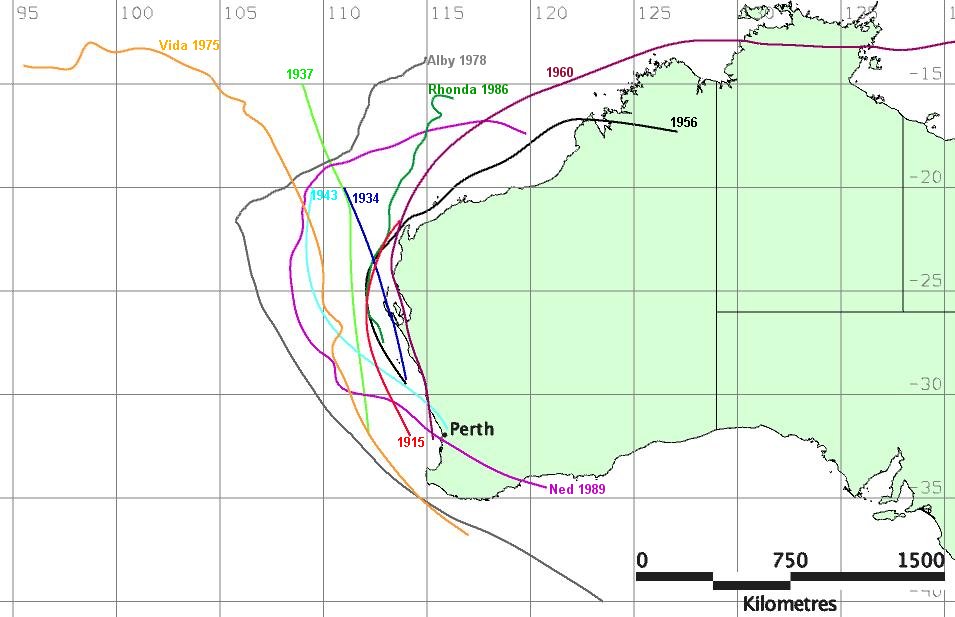
During Friday and the weekend, Narelle will be sufficiently south to become steered by an approaching cold front which is likely to cause a sharp recurve back towards the southeast resulting in the west coast of Western Australia coming into the firing line.
Is it too far out to be concerned?
It’s only Tuesday and we’re looking at impacts 4-5 days away, but tropical cyclones in Western Australia operate a little differently to tropical cyclones in the Coral Sea. Unlike their Coral Sea counterparts, tropical cyclones in Western Australia once they recurve become far more predictable which provides a higher degree of confidence than say Alfred last year for southern Queensland and Brisbane.
While it’s not “locked in” – it does mean we have a concern for the west coast of Western Australia and the system is worth monitoring.
“It’s all about the recurve”
Probably the main uncertainty is about the recurve. If Narelle recurves earlier than forecast, it will plough into the Pilbara and track inland. Obviously, we’d rather a tropical cyclone not cross the coastline at all – but if it had to cross, it’s better to do so here. For one, there’s stricter building codes, but also the population density is lower too.
Meanwhile, if Narelle recurves later, then the southeast track may be too far offshore to significantly impact the West Australian coastline.
But currently, most models have Narelle recurving in the ‘Goldilocks’ zone – which is resulting in Narelle tracking down or very close to the west coast of Western Australia which is the concern.
Will Narelle still be a tropical cyclone that far south?
Narelle may not be a tropical cyclone by definition at this point – but this is potentially a worse scenario.
That’s because Narelle may potentially transition into an “extra-tropical” cyclone. This is the same mechanism that results in very intense systems surviving so far north along the USA east coast (think Hurricane Sandy). These systems transition from a warm-core (barotropic) to a cold-core (baroclinic) structure, meaning they begin to derive energy from the temperature contrast between warm tropical and cold polar air masses rather than solely from ocean heat. This allows them to maintain destructive (Cat 2/3) winds well after losing tropical characteristics.
So why is this more dangerous? Extra-tropical systems tend to have broader wind fields, meaning you don’t need to be very close to the eye to see cyclonic winds. Compare this to Alfred which had a small zone of cyclonic winds (thankfully!) But the radius of >90km/h winds could be quite large in Narelle as it tracks southwards. What’s more, the potential for destructive (>125km/h) and very destructive (>165km/h) winds may also shift away from the centre which is a concern.
What Intensity will Narelle be?
This is the other unknown. Essentially the stronger Narelle is in the tropical waters, the longer it will retain its intensity when it begins to shift to the southeast. So ideally, we don’t want Narelle to get as strong as currently forecast in the Indian Ocean.
Is this a definite impact?
As mentioned – no, we could see a shift in the recurve that reduces the risk. There’s even a small chance that if Narelle doesn’t get far enough south, it won’t come under the influence of the approaching trough. But the risk is worth noting and if you live anywhere from Perth to Exmouth, Narelle is well worth watching as we approach the weekend as the potential is for a pretty significant system.
Attached BoM track courtesy of hailtracker.io