Date: 12/07/2026 14:43:45
From: dv
ID: 2410517
Subject: Old Photos 2
That thread is becoming unwieldy.
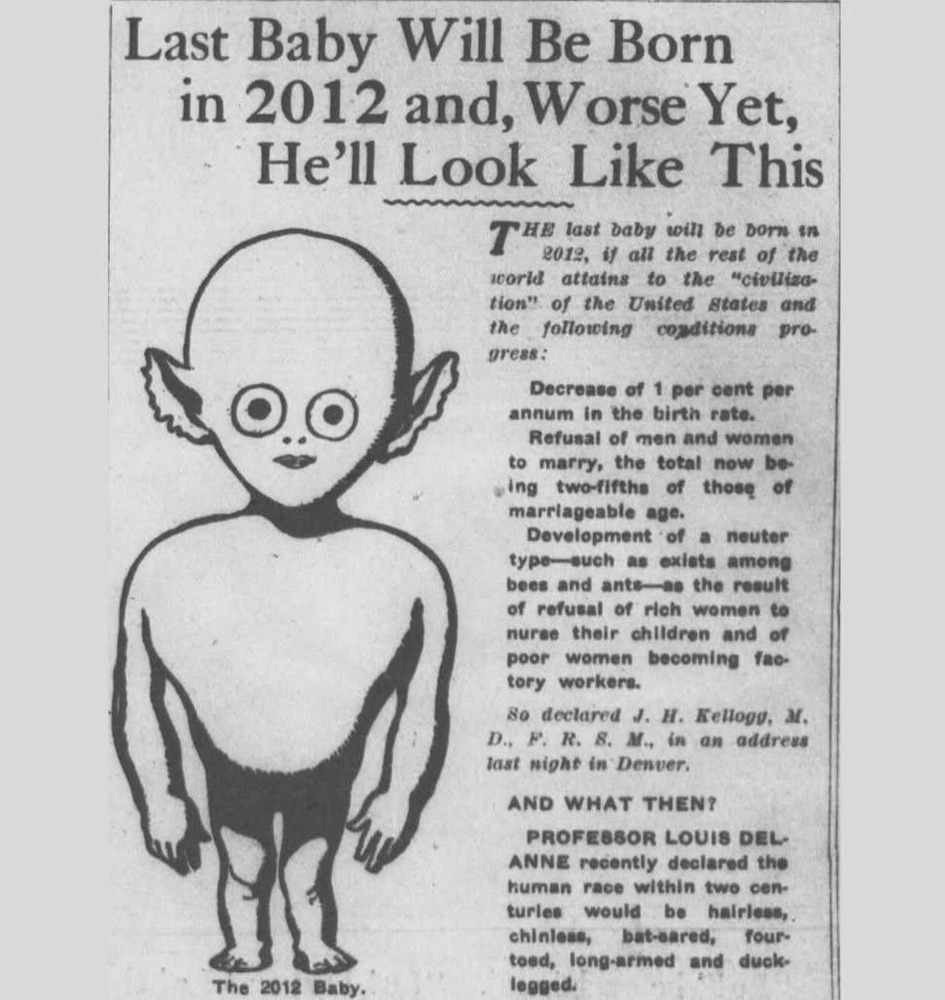
1913
That thread is becoming unwieldy.
1913
Many years ago, my dad posited that the little grey men-type aliens were actually time travellers from the future. Mankind would need bigger brains and puny hands.
dv said:
That thread is becoming unwieldy.1913
Uncanny, I wonder how they knew.
Bubblecar said:
dv said:
That thread is becoming unwieldy.1913
Uncanny, I wonder how they knew.
I see one of the names in there is J.H.Kellogg.
Divine Angel said:
Many years ago, my dad posited that the little grey men-type aliens were actually time travellers from the future. Mankind would need bigger brains and puny hands.
Your dad is all over it, I think that Tunguska was a time traveler event that went horribly wrong and someone in the future pressed the destruct button.
Peak Warming Man said:
Divine Angel said:
Many years ago, my dad posited that the little grey men-type aliens were actually time travellers from the future. Mankind would need bigger brains and puny hands.
Your dad is all over it, I think that Tunguska was a time traveler event that went horribly wrong and someone in the future pressed the destruct button.
Shoosh!
They’ll come and try again!
This is real footage from 120 years ago. None of the people in it knew that the city around them had four days left…
What you are watching is a cable car gliding down Market Street in San Francisco, filmed on the 14th of April, 1906.
The camera was mounted on the front of the car, so you see the city exactly as it was: the crowds, the horse-drawn carriages, the early automobiles weaving through traffic, the men in hats, the great buildings rising on either side. An ordinary spring afternoon in a thriving American city.
Four days later, on the morning of the 18th of April, a magnitude 7.9 earthquake struck. The shaking lasted under a minute, but it ignited fires that burned through the city for days…
By the time it was over, more than 3,000 people were dead and roughly 80 percent of San Francisco had been destroyed. Almost every building you see in this footage was gone.
And the film itself nearly went with it.
The negative was placed on a train bound for New York on the 17th of April, the day before the earthquake. Had it left a single day later, it would have burned in the fire along with the studio that made it.
This entire moving record of a lost city survives because of one day.
Spiny Norman said:
This is real footage from 120 years ago. None of the people in it knew that the city around them had four days left…What you are watching is a cable car gliding down Market Street in San Francisco, filmed on the 14th of April, 1906.
The camera was mounted on the front of the car, so you see the city exactly as it was: the crowds, the horse-drawn carriages, the early automobiles weaving through traffic, the men in hats, the great buildings rising on either side. An ordinary spring afternoon in a thriving American city.
Four days later, on the morning of the 18th of April, a magnitude 7.9 earthquake struck. The shaking lasted under a minute, but it ignited fires that burned through the city for days…
By the time it was over, more than 3,000 people were dead and roughly 80 percent of San Francisco had been destroyed. Almost every building you see in this footage was gone.
And the film itself nearly went with it.
The negative was placed on a train bound for New York on the 17th of April, the day before the earthquake. Had it left a single day later, it would have burned in the fire along with the studio that made it.
This entire moving record of a lost city survives because of one day.
Road rules would seem to be optional.

Looks like the owner had a history of violins.
Peak Warming Man said:
Spiny Norman said:
This is real footage from 120 years ago. None of the people in it knew that the city around them had four days left…What you are watching is a cable car gliding down Market Street in San Francisco, filmed on the 14th of April, 1906.
The camera was mounted on the front of the car, so you see the city exactly as it was: the crowds, the horse-drawn carriages, the early automobiles weaving through traffic, the men in hats, the great buildings rising on either side. An ordinary spring afternoon in a thriving American city.
Four days later, on the morning of the 18th of April, a magnitude 7.9 earthquake struck. The shaking lasted under a minute, but it ignited fires that burned through the city for days…
By the time it was over, more than 3,000 people were dead and roughly 80 percent of San Francisco had been destroyed. Almost every building you see in this footage was gone.
And the film itself nearly went with it.
The negative was placed on a train bound for New York on the 17th of April, the day before the earthquake. Had it left a single day later, it would have burned in the fire along with the studio that made it.
This entire moving record of a lost city survives because of one day.
Road rules would seem to be optional.
The reason the cars seem a bit chaotic is because there were only a few of them on the street, hired by the filmmaker, so they kept turning out of the frame and reappearing to make it seem like the road was full of cars.

Globus INK, Soviet-era electromechanical space navigation computer used in the 1960s the system calculated orbital parameters using an intricate internal clockwork mechanism comprising over 500 gears, cams, and differentials

These men are being transformed into ‘human fireworks’, wearing asbestos suits to protect them. They are preparing for a wrestle display at the Crystal Palace in 1933.

Fat man Plutonium Core.
https://www.reddit.com/r/AtomicPorn/comments/1uyc91w/fat_man_plutonium_core/

Vauxhall London 1933. So much of interest in this photo: horse and cart, motorbike with sidecar, lavatory with wonderful wrought iron, tanker truck, tram, bus, period cars, cyclist and a pedestrian.

American B-25 bombers fly past the erupting volcano Vesuvius. Italy, March 1944
Spiny Norman said:
American B-25 bombers fly past the erupting volcano Vesuvius. Italy, March 1944
Little did they know that under the cold pyroclastic flow on the right flank was an undiscovered town and hundreds of dead bodies.
Maybe someone should check under the others.
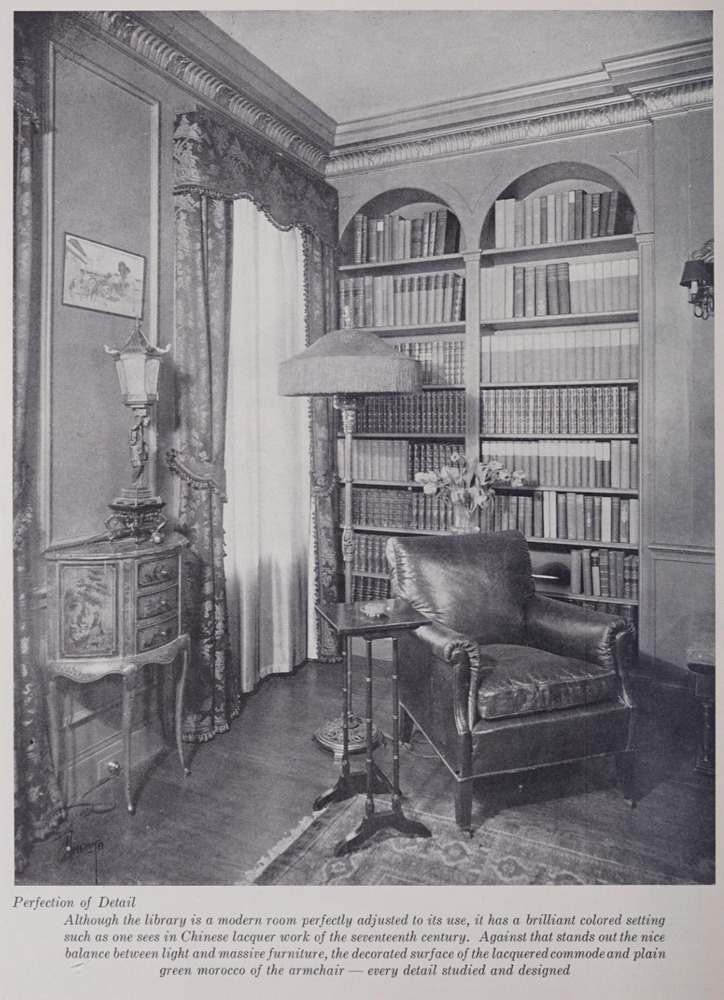
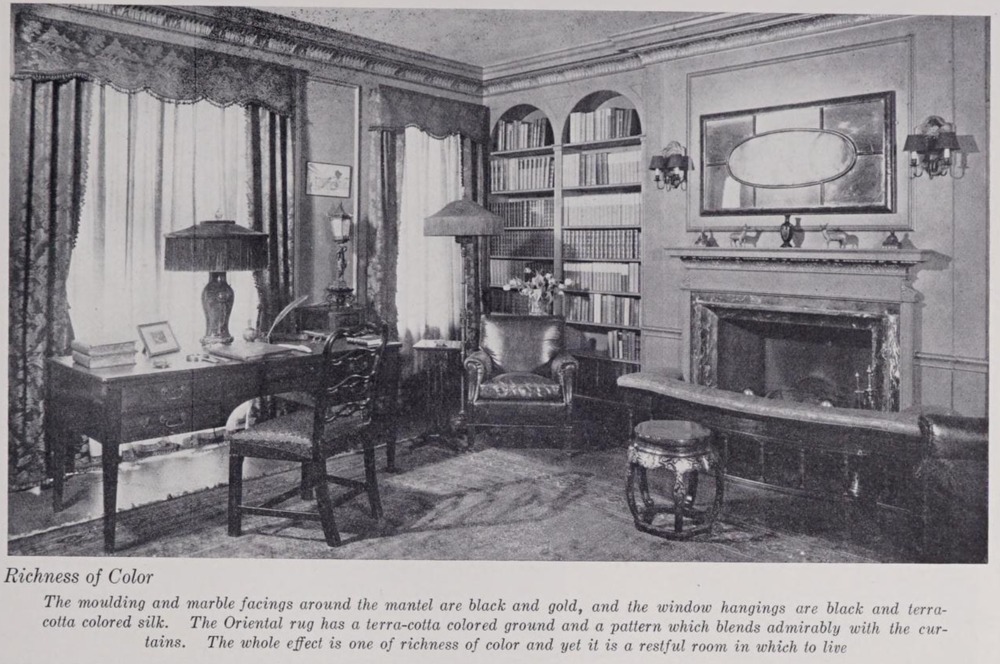
Two views of a pleasing home library, from the House Beautiful Furnishing Annual, 1926.
Bubblecar said:
Two views of a pleasing home library, from the House Beautiful Furnishing Annual, 1926.
I could sit in that leather chair nursing a balloon of brandy with a roaring fire in the fireplace while reading a spiffing who dunnit.
Peak Warming Man said:
Bubblecar said:
Two views of a pleasing home library, from the House Beautiful Furnishing Annual, 1926.
I could sit in that leather chair nursing a balloon of brandy with a roaring fire in the fireplace while reading a spiffing who dunnit.
Wishing it won’t make it happen!
Sound effects being created at the Walt Disney Studio, 1941. I believe they were called the Foley props.
It’s for some short cartoon with a train. Quite effective.
Mirin Dajo, the Dutchman who let doctors run rapiers and hollow tubes clean through his torso in the 1940s, pictured mid-performance with a foil through his chest and (right) hoses threaded through his body turning him into a literal human fountain on stage.
No photos as it may be disturbing to some here.

Photo of a hiker watching the eruption of Mt. St. Helens from Mt. Adams, about 37 miles to the east. Photo from Mt Adams by John V. Christiansen around 8:32 am local time on May 18, 1980 & published in a 1981 National Geographic magazine.
Historical Photograph
Spiny Norman said:
Photo of a hiker watching the eruption of Mt. St. Helens from Mt. Adams, about 37 miles to the east. Photo from Mt Adams by John V. Christiansen around 8:32 am local time on May 18, 1980 & published in a 1981 National Geographic magazine.
Historical Photograph
Apocalypse then.
Spiny Norman said:
Photo of a hiker watching the eruption of Mt. St. Helens from Mt. Adams, about 37 miles to the east. Photo from Mt Adams by John V. Christiansen around 8:32 am local time on May 18, 1980 & published in a 1981 National Geographic magazine.
Historical Photograph
Nuh uh, hold on a cotton pickin’ minute.
I got pulled up the other day for saying a film from 1980 was old. Therefore, a photo from 1980 also is not old and does not belong in the Old Photos thread.
Spiny Norman said:
Photo of a hiker watching the eruption of Mt. St. Helens from Mt. Adams, about 37 miles to the east. Photo from Mt Adams by John V. Christiansen around 8:32 am local time on May 18, 1980 & published in a 1981 National Geographic magazine.
Historical Photograph
Did the hiker(s) survive?
captain_spalding said:
Spiny Norman said:
Photo of a hiker watching the eruption of Mt. St. Helens from Mt. Adams, about 37 miles to the east. Photo from Mt Adams by John V. Christiansen around 8:32 am local time on May 18, 1980 & published in a 1981 National Geographic magazine.
Historical PhotographDid the hiker(s) survive?
Don’t know, but the camera film did at least.
captain_spalding said:
Spiny Norman said:
Photo of a hiker watching the eruption of Mt. St. Helens from Mt. Adams, about 37 miles to the east. Photo from Mt Adams by John V. Christiansen around 8:32 am local time on May 18, 1980 & published in a 1981 National Geographic magazine.
Historical PhotographDid the hiker(s) survive?
One of the two (hiker or photographer) must have survived. 1980s era would have film cameras, which needed to be handed in to a shop to be developed and printed.
Spiny Norman said:
Photo of a hiker watching the eruption of Mt. St. Helens from Mt. Adams, about 37 miles to the east. Photo from Mt Adams by John V. Christiansen around 8:32 am local time on May 18, 1980 & published in a 1981 National Geographic magazine.
Historical Photograph
In the area between the first pics cloud and the second pics cloud, there were several humans. They didn’t make it. :(
party_pants said:
captain_spalding said:
Spiny Norman said:
Photo of a hiker watching the eruption of Mt. St. Helens from Mt. Adams, about 37 miles to the east. Photo from Mt Adams by John V. Christiansen around 8:32 am local time on May 18, 1980 & published in a 1981 National Geographic magazine.
Historical PhotographDid the hiker(s) survive?
One of the two (hiker or photographer) must have survived. 1980s era would have film cameras, which needed to be handed in to a shop to be developed and printed.
I don’t know about that one, but Robert Landsburgh didn’t. Although he did manage to protect his photos.
buffy said:
party_pants said:
captain_spalding said:Did the hiker(s) survive?
One of the two (hiker or photographer) must have survived. 1980s era would have film cameras, which needed to be handed in to a shop to be developed and printed.
I don’t know about that one, but Robert Landsburgh didn’t. Although he did manage to protect his photos.
And for good measure, here is another well known photo from that day
I’ve read a bit about volcanoes, and I’ve got the National Geographic with Landsburgh’s photos in it with my volcano books.
buffy said:
buffy said:
party_pants said:One of the two (hiker or photographer) must have survived. 1980s era would have film cameras, which needed to be handed in to a shop to be developed and printed.
I don’t know about that one, but Robert Landsburgh didn’t. Although he did manage to protect his photos.
And for good measure, here is another well known photo from that day
I’ve read a bit about volcanoes, and I’ve got the National Geographic with Landsburgh’s photos in it with my volcano books.
Fascinating!

An unimpeded view of a Boeing 707’s port side engines, each equipped with stage 3 hush kits, the Boeing 707-420 variant carrying these engines held the title for the loudest passenger takeoffs in aviation history
____
Looks like they’d lose a fair bit of thrust with the exhaust like that.
Pratt & Whitney JT3D’s I think.
Spiny Norman said:
An unimpeded view of a Boeing 707’s port side engines, each equipped with stage 3 hush kits, the Boeing 707-420 variant carrying these engines held the title for the loudest passenger takeoffs in aviation history
The loudest passenger takeoff in history, imagine what it would have been like without the hush kit.
Karen next door would have demanded to see the manager.
dv said:
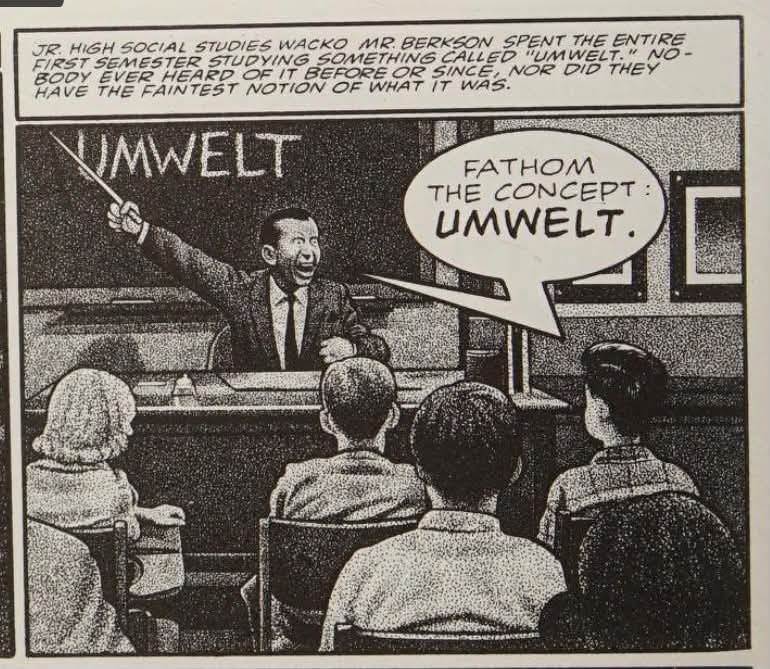
From an old MAD magazine, by the look.
Who remembers seeing this New Zealand Insurance – Australian Ad from the 80s – My Favourite
I can just remember this one from the good old days.

German scientists wind tunnel testing a Messerschmitt Bf 109, 1940.
Charles Hawtrey and Jon Pertwee in Carry on Cleo, 1964.
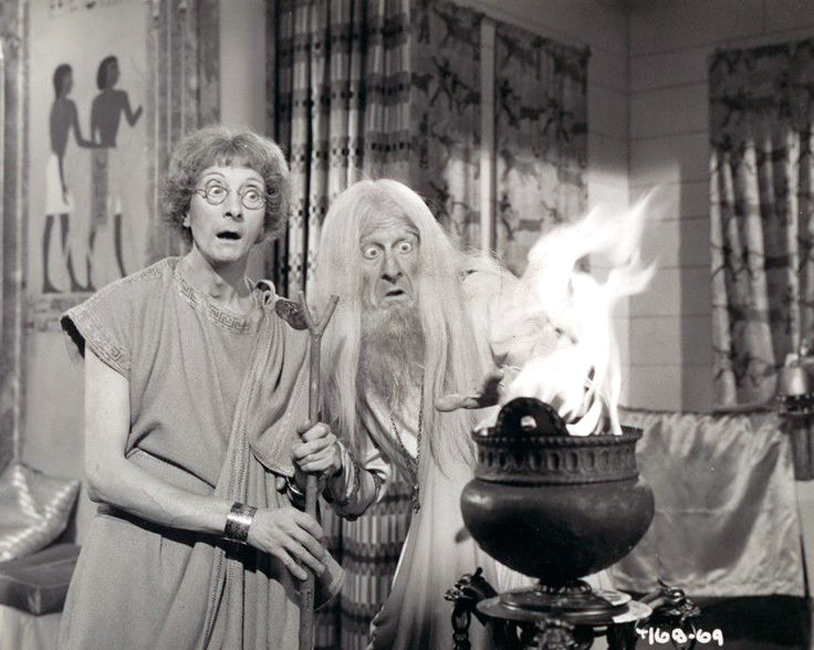
Bubblecar said:
Charles Hawtrey and Jon Pertwee in Carry on Cleo, 1964.
I have that movie (in colour) Jon Pertwee had a lot of cameos in Carry On movies.
Woodie said:
Bubblecar said:
Charles Hawtrey and Jon Pertwee in Carry on Cleo, 1964.
I have that movie (in colour) Jon Pertwee had a lot of cameos in Carry On movies.
Here he is as Dr Fettle in Carry on Screaming, 1966.

Charles Hawtrey looking frail in 1988, shortly before his death at 73.
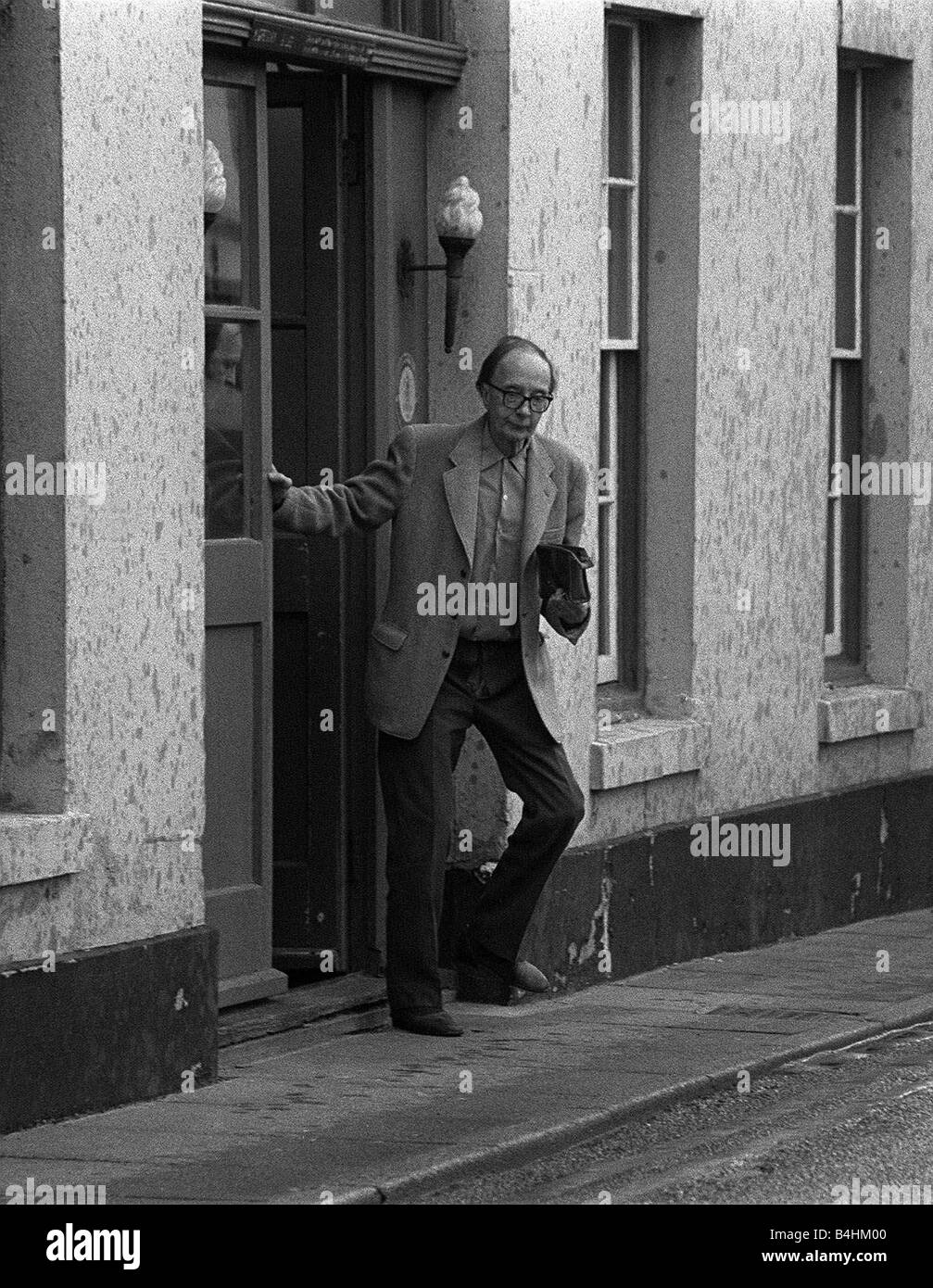

In the Late 1800s, Scientists Believed Zebras Could Replace Horses—But After Decades of Training, Crossbreeding, and Failed Experiments, Their Wild Nature Proved Impossible to Tame

On August 15, 1961, Conrad Schumann was assigned to guard the Berlin Wall on its third day of construction. Instead, he spontaneously leaped over the barbed wire into West Germany, saying he didn’t want to “live enclosed” in East Germany — a dramatic escape captured by photographer Peter Leibing.
Spiny Norman said:
On August 15, 1961, Conrad Schumann was assigned to guard the Berlin Wall on its third day of construction. Instead, he spontaneously leaped over the barbed wire into West Germany, saying he didn’t want to “live enclosed” in East Germany — a dramatic escape captured by photographer Peter Leibing.
Saw this on another Reddit thread somewhere – the responses didn’t fill one with much hope for humanity – it’s dispiriting how shitty some people can be.

Vostok Station is located deep inland in Antarctica, famously known as the “Pole of Cold” (it holds the record for the lowest natural temperature ever recorded on Earth at -89.2 °C / −128.6 °F). On April 12, 1982 right at the start of the brutal, pitch-black Antarctic winter a massive short circuit triggered a catastrophic fire in the station’s primary diesel power plant, One mechanic tragically died trying to fight the blaze,
Within minutes the station lost all three of its main generators. They were left completely in the dark with outdoor temperatures plummeting past −70 °C (−94 °F)
Moscow radioed the crew and helped them track down an old, obsolete backup generator that had been decommissioned and buried deep under the snow years prior, They dug it out and miraculously coaxed it to life, getting just enough power to run a basic radio transmitter and a couple of lightbulb, They abandoned their individual quarters and crammed all 20 remaining men into just a couple of small rooms to pool their body heat and conserve fuel and For nearly eight months, they lived in sub zero indoor temperatures, breathing in heavy soot from the improvised stoves, completely cut off from the rest of humanity
The nightmare finally ended in November 1982, when the heavy spring weather arrived and a tractor sledge supply train successfully reached them from the coast. Because of strict Soviet censorship and secrecy during the Cold War, the USSR kept completely quiet about the disaster, only revealing the story to the public a year later when the scientists safely returned home.
-89° is just a wee bit brisk.
Spiny Norman said:
Vostok Station is located deep inland in Antarctica, famously known as the “Pole of Cold” (it holds the record for the lowest natural temperature ever recorded on Earth at -89.2 °C / −128.6 °F). On April 12, 1982 right at the start of the brutal, pitch-black Antarctic winter a massive short circuit triggered a catastrophic fire in the station’s primary diesel power plant, One mechanic tragically died trying to fight the blaze,
Within minutes the station lost all three of its main generators. They were left completely in the dark with outdoor temperatures plummeting past −70 °C (−94 °F)
Moscow radioed the crew and helped them track down an old, obsolete backup generator that had been decommissioned and buried deep under the snow years prior, They dug it out and miraculously coaxed it to life, getting just enough power to run a basic radio transmitter and a couple of lightbulb, They abandoned their individual quarters and crammed all 20 remaining men into just a couple of small rooms to pool their body heat and conserve fuel and For nearly eight months, they lived in sub zero indoor temperatures, breathing in heavy soot from the improvised stoves, completely cut off from the rest of humanity
The nightmare finally ended in November 1982, when the heavy spring weather arrived and a tractor sledge supply train successfully reached them from the coast. Because of strict Soviet censorship and secrecy during the Cold War, the USSR kept completely quiet about the disaster, only revealing the story to the public a year later when the scientists safely returned home.
-89° is just a wee bit brisk.
Great, now my carbon dioxide is frozen solid

‘Mad Jack’ Churchill (second from right) leads his men, sword in hand, from a Eureka boat. Circa 1941. Churchill captured 42 Germans armed with only a sword, killed a Nazi with a longbow and escaped from a concentration camp, twice.
Spiny Norman said:
‘Mad Jack’ Churchill (second from right) leads his men, sword in hand, from a Eureka boat. Circa 1941. Churchill captured 42 Germans armed with only a sword, killed a Nazi with a longbow and escaped from a concentration camp, twice.
That particular photo is from a training exercise in Inveraray.
Spiny Norman said:
‘Mad Jack’ Churchill (second from right) leads his men, sword in hand, from a Eureka boat. Circa 1941. Churchill captured 42 Germans armed with only a sword, killed a Nazi with a longbow and escaped from a concentration camp, twice.
Impressive man.
Interesting the Germans soldiers protected him and his fellow soldiers from the SS

Orson Welles performs a card trick for eight-year-old Natalie Wood during production of Tomorrow Is Forever, released in 1946.

A London cafe owner declares his policy in the event of an invasion during WWII (1940s)

In 1989, John Glennie set sail for a 3-week trip to Tonga. A 60-foot wave flipped his boat upside down. He and 3 men survived 119 days inside the hull on 3oz of soft drink a day. His country declared them drowned, then called them liars when they came home. A barnacle cleared his name.
The barnacle owed them nothing, it was kind to do that.

Suitcases of people sent to concentration camps. Poland, Gdańsk, World War II Museum, Each individual suitcase stands for a real human life, a displaced family and the personal belongings they were restricted to carry.

A woman helping her friend with her Kangru-Spring-Shu, a pair of boots fitted with springs, ca. 1935.
https://www.reddit.com/r/UtterlyUniquePhotos/comments/1vbzu2t/a_woman_helping_her_friend_with_her/
Looks perfectly safe, I wonder why they aren’t used anymore?
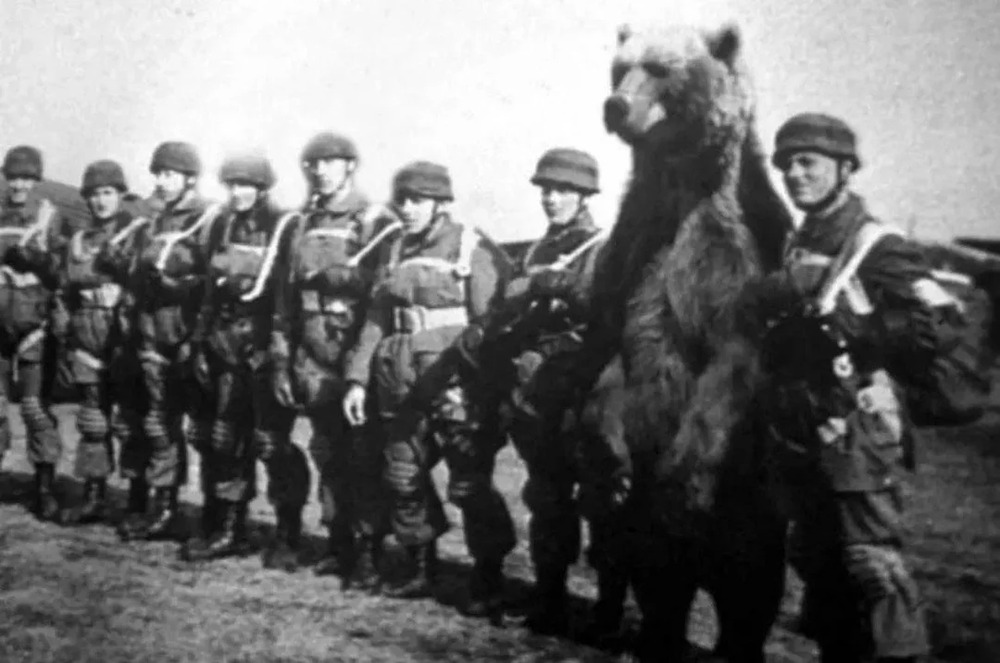
Private, promoted to Corporal after the Battle of Monte Cassino, Wojtek, the Soldier Bear of the Polish II Corps, standing in formation.
Spiny Norman said:
Suitcases of people sent to concentration camps. Poland, Gdańsk, World War II Museum, Each individual suitcase stands for a real human life, a displaced family and the personal belongings they were restricted to carry.
Poland was where Hitler staged and started his first mass killings of people with disabled. It is so chilling to see all the suitcases..
Foolish Italian family, no date.
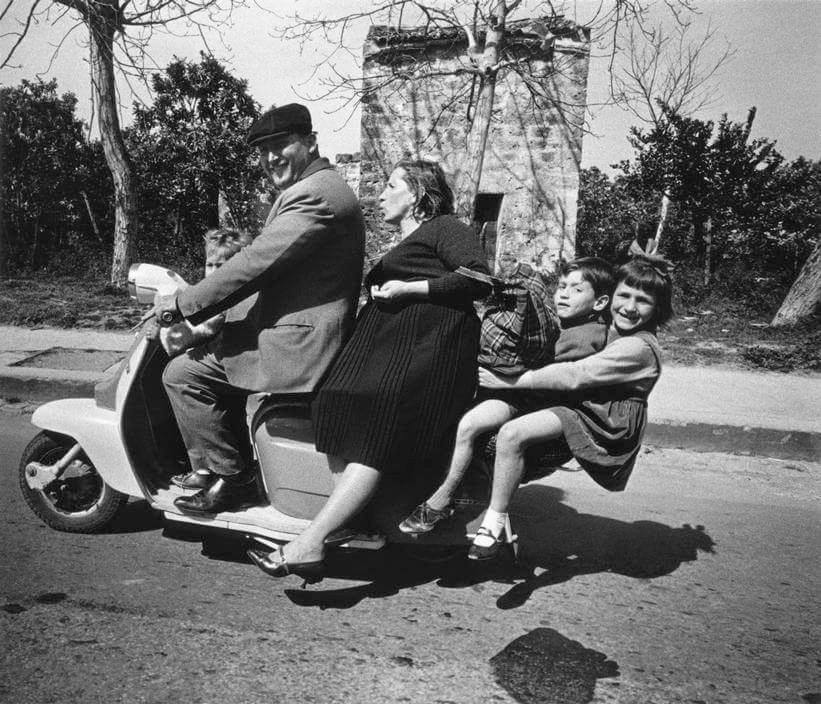
Bubblecar said:
Foolish Italian family, no date.
That is amazing that they got all the children on the back.
ms spock said:
Bubblecar said:
Foolish Italian family, no date.
That is amazing that they got all the children on the back.
How do you know there isn’t one more on the side of the road back there somewhere?
From The Australian Motor Cyclist 1938.
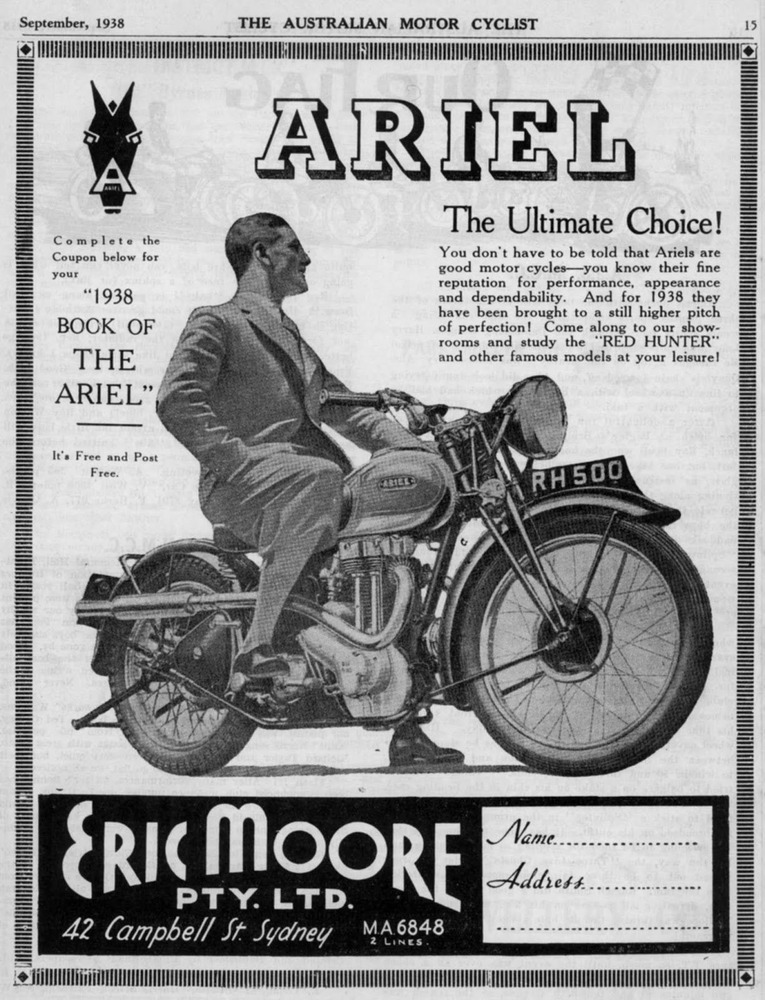
Bubblecar said:
From The Australian Motor Cyclist 1938.
In standard trim, the Ariel Red Hunter went faster in third gear than in fourth.
Michael V said:
Bubblecar said:
From The Australian Motor Cyclist 1938.
In standard trim, the Ariel Red Hunter went faster in third gear than in fourth.
I notice that none of those old motorcycles are fitted with rear view mirrors.
1937. Those old fully enclosed sidecars look a cosy way to travel.
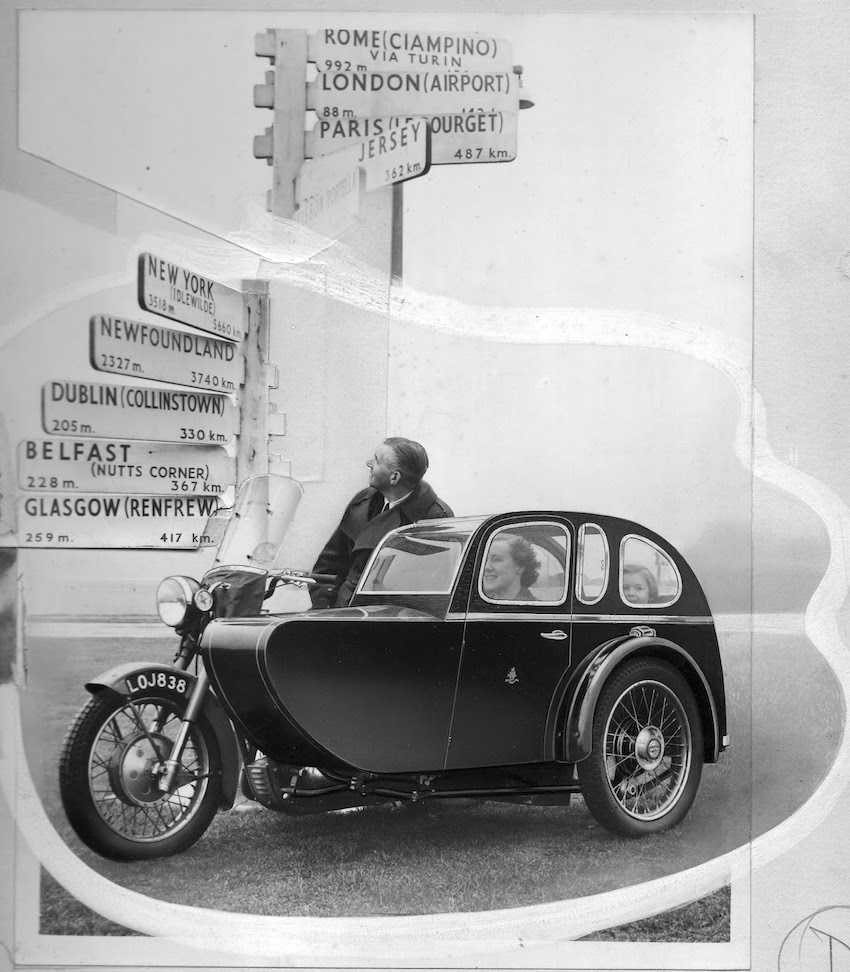
Bubblecar said:
Michael V said:
Bubblecar said:
From The Australian Motor Cyclist 1938.
In standard trim, the Ariel Red Hunter went faster in third gear than in fourth.
I notice that none of those old motorcycles are fitted with rear view mirrors.
Huh!
That is not something I had ever observed. I wonder when they became compulsory.
Bubblecar said:
1937. Those old fully enclosed sidecars look a cosy way to travel.
Interestingly, the bike has a full-width front brake – very unusual for that era.
Michael V said:
Bubblecar said:
Michael V said:In standard trim, the Ariel Red Hunter went faster in third gear than in fourth.
I notice that none of those old motorcycles are fitted with rear view mirrors.
Huh!
That is not something I had ever observed. I wonder when they became compulsory.
FWIW the first mirror used in cars was a racing car at Indianapolis Speedway. In the early 1930’s I think.
Michael V said:
Bubblecar said:
Michael V said:In standard trim, the Ariel Red Hunter went faster in third gear than in fourth.
I notice that none of those old motorcycles are fitted with rear view mirrors.
Huh!
That is not something I had ever observed. I wonder when they became compulsory.
I can’t find a specific date. It seems they may have been optional accessories until at least the mid 1950s.
Mind you, even bikes that didn’t come with mirrors must have at least one right-side mirror now in order to be legally ridden on public roads.
Spiny Norman said:
Michael V said:
Bubblecar said:I notice that none of those old motorcycles are fitted with rear view mirrors.
Huh!
That is not something I had ever observed. I wonder when they became compulsory.
FWIW the first mirror used in cars was a racing car at Indianapolis Speedway. In the early 1930’s I think.
Huh!
Bubblecar said:
Michael V said:
Bubblecar said:
From The Australian Motor Cyclist 1938.
In standard trim, the Ariel Red Hunter went faster in third gear than in fourth.
I notice that none of those old motorcycles are fitted with rear view mirrors.
In my 2nd office job after uni I worked with a guy who rode an old Ariel to work. I think it was a 1000 square four.

Humphrey Bogart’s shoes on the set of Casablanca. Bogart was about 5’8” (173cm), Bergman about 5’9” (175cm).
Spiny Norman said:
Humphrey Bogart’s shoes on the set of Casablanca. Bogart was about 5’8” (173cm), Bergman about 5’9” (175cm).
Heh.
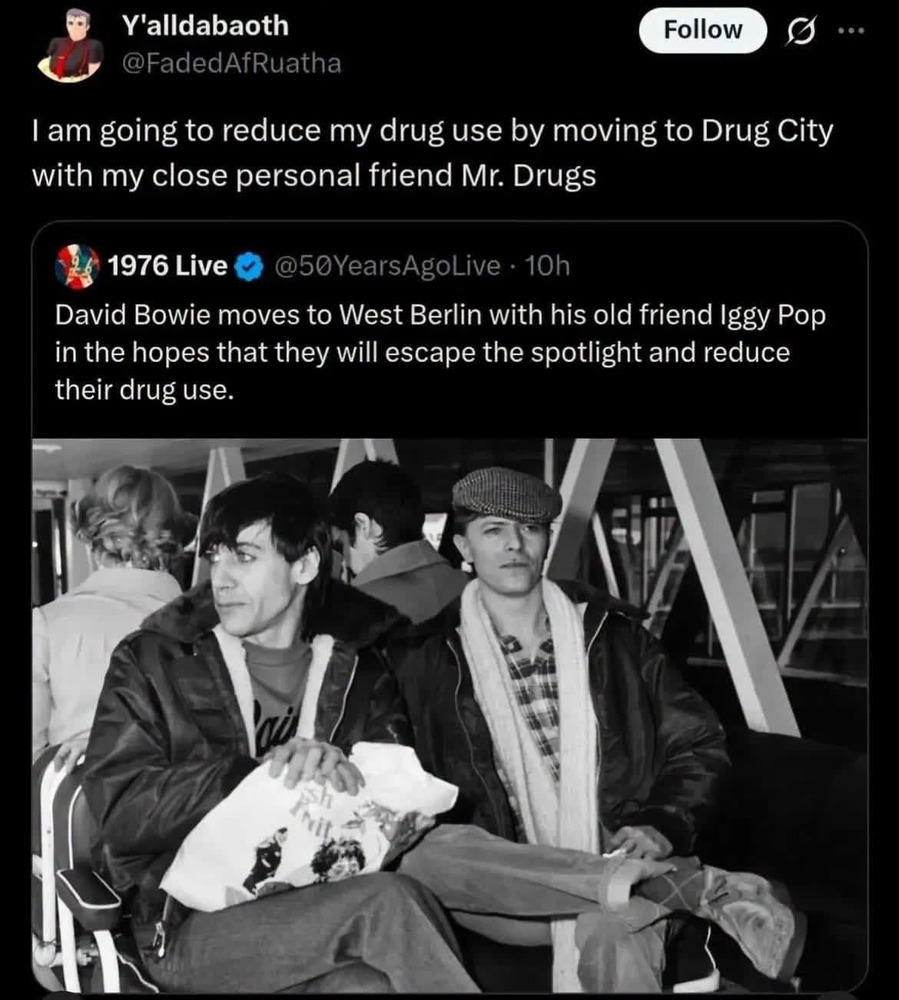

I bet they didn’t behave.
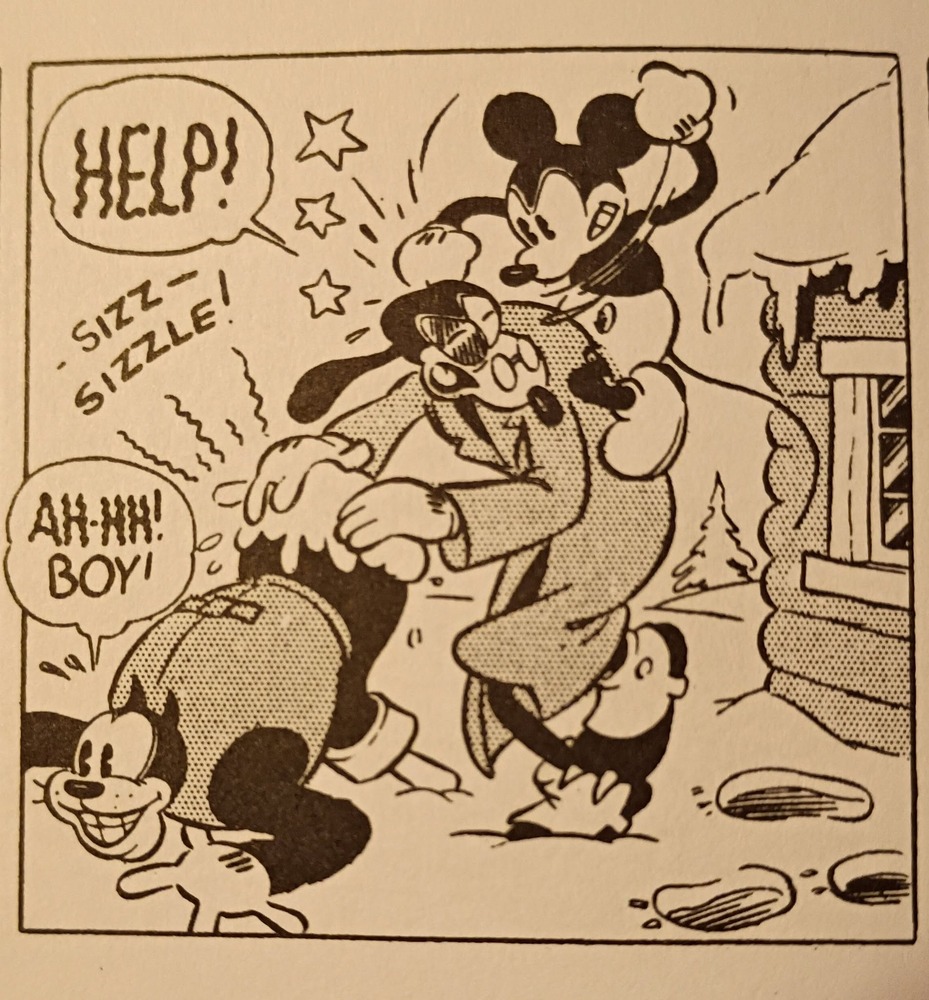
dv said:
👀
dv said:
Why do Goody’s feet look like Inspector Poirot?
Witty Rejoinder said:
dv said:
Why do Goody’s feet look like Inspector Poirot?
Goofy
dv said:
Early version of Mickey, when he was known as Maniac Mouse.
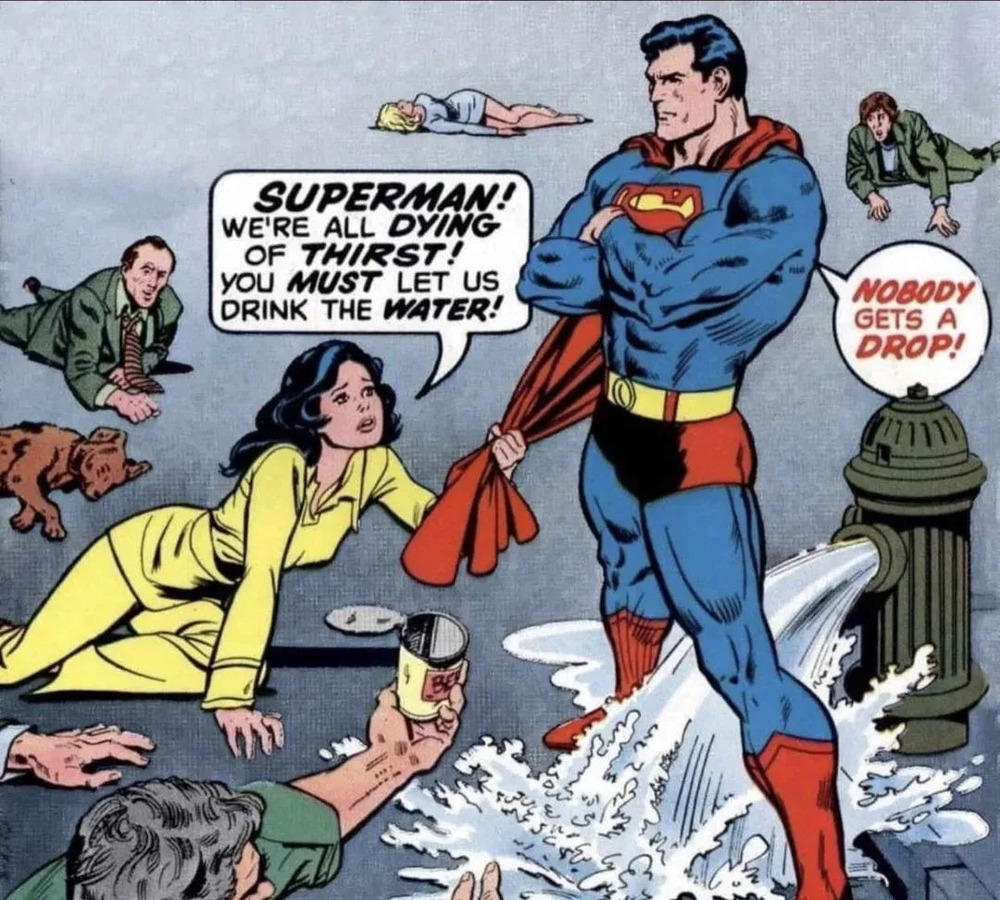
Clark starts a data centre
dv said:
Clark starts a data centre
Superman? Superbastard, more like.
The Boeing B-29 Superfortress was the most advanced bomber of World War Two — but also one of the most troubled and expensive aircraft ever built, and was plagued with flaws.
Developed at extraordinary speed, the B-29 could fly higher, faster and further than earlier heavy bombers while carrying a formidable bomb load.
It introduced pressurised crew compartments, remote-controlled gun turrets, advanced fire-control systems and enormous Wright R-3350 engines. But it couldn’t hit a barn door with it’s guns, had urine in the brakelines and engines which kept exploding due to all the flammable metal in them.
This video explores how the B-29 was designed, why it cost more than the Atomic Bomb to develop and how the United States overcame these challenges to get it into the war.


Construction of the Statue of Liberty’s torch in Paris, 1876.
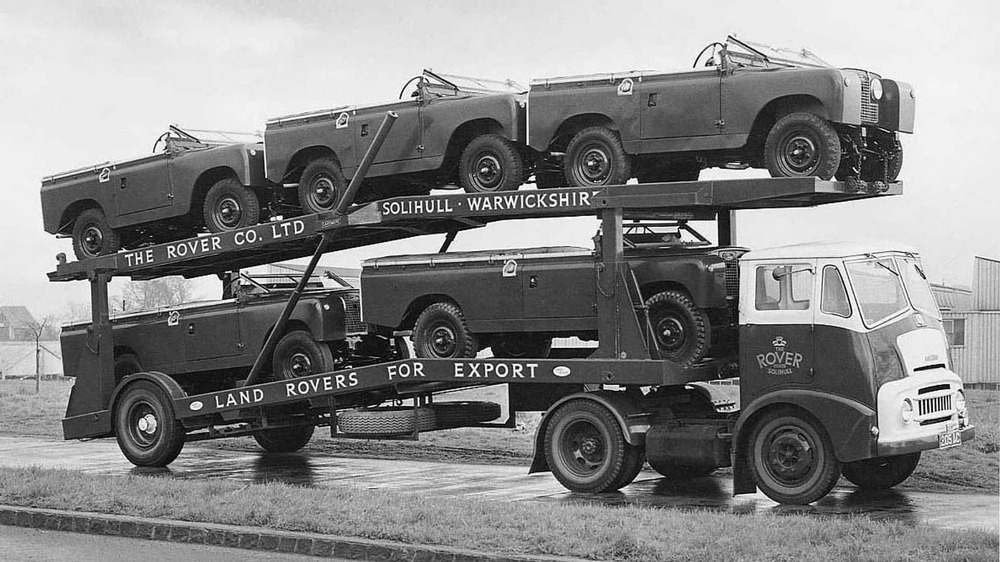
Land Rovers for export, 1950s.
Bubblecar said:
Land Rovers for export, 1950s.
Solihull’s name is commonly thought to have derived from the position of its arden stone parish church, St Alphege, on a ‘soily’ hill. The church was built on a hill of stiff red marl, which turned to sticky mud in wet weather.
https://en.wikipedia.org/wiki/Solihull

A clock from Nagasaki, Japan, frozen at 11:02 AM, the time the atomic bomb dropped on this day in 1945.
The German WW2 Messerschmitt Me-`163 rocket interceptor.
Incredibly dangerous.
Spiny Norman said:
The German WW2 Messerschmitt Me-`163 rocket interceptor.
Incredibly dangerous.
Luckily the war was ending at the time. Apparently there were also a lot of accidents duing the testing stages.
Spiny Norman said:
The German WW2 Messerschmitt Me-`163 rocket interceptor.
Incredibly dangerous.
Interesting, thanks.
roughbarked said:
Spiny Norman said:
The German WW2 Messerschmitt Me-`163 rocket interceptor.
Incredibly dangerous.Luckily the war was ending at the time. Apparently there were also a lot of accidents duing the testing stages.
John Whitney is considered by many the father of animated motion graphics. Back in the 60’s, he deviced a machine based on an analog 40’s military anti-artilery predicting computer to create a very special type of slit-scan effect machine.
Can you imagine how he even came up with this?


dv said:
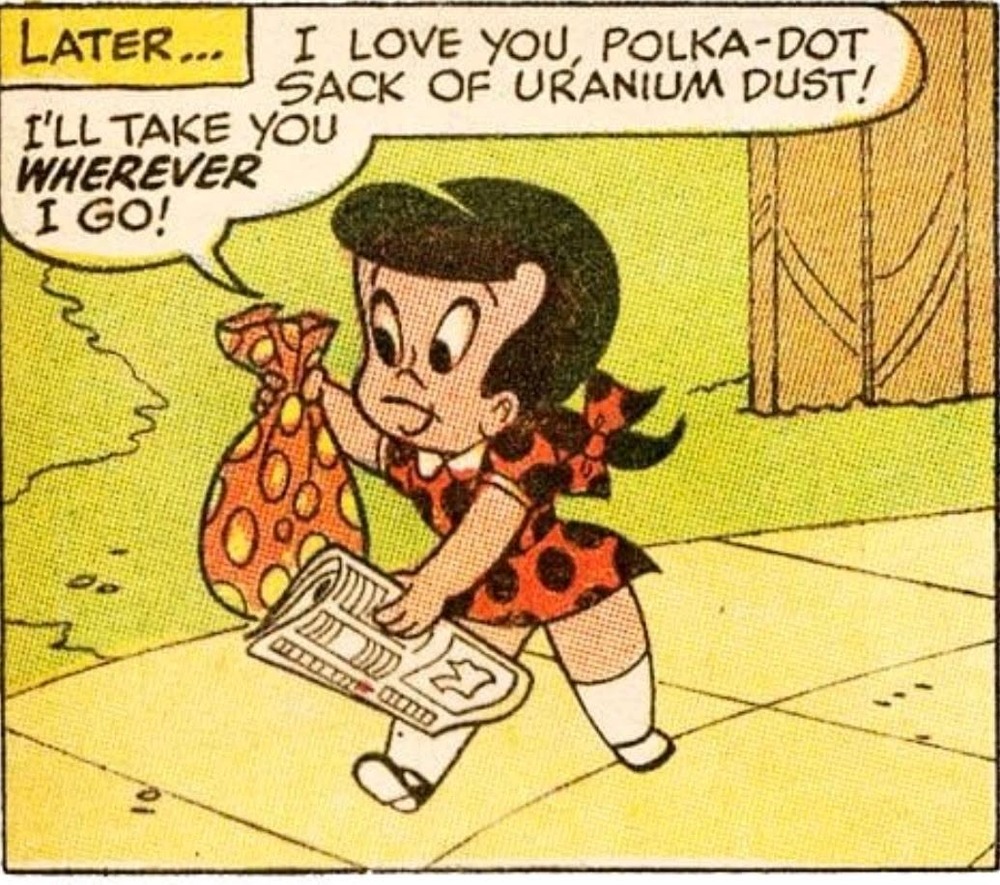
I love polka-dots.
dv said:
Seems a tad dangerous.

Nuns take part in the popular hula-hoop craze in Oklahoma. 1958
Morning Trevor Sheryl Jacko Daveo etc.
Bit of rain over night but a bonza day.

51 years ago yesterday, Prime Minister Gough Whitlam poured soil into the hand of traditional land owner Vincent Lingiari (photo by Mervyn Bishop)
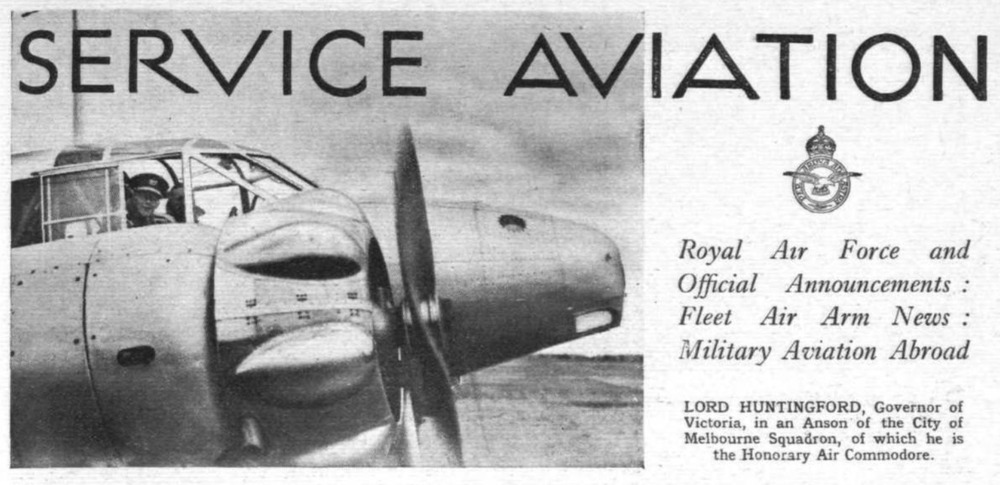
1938. In those days, Flight magazine tended to regard the RAAF as a branch of the RAF.
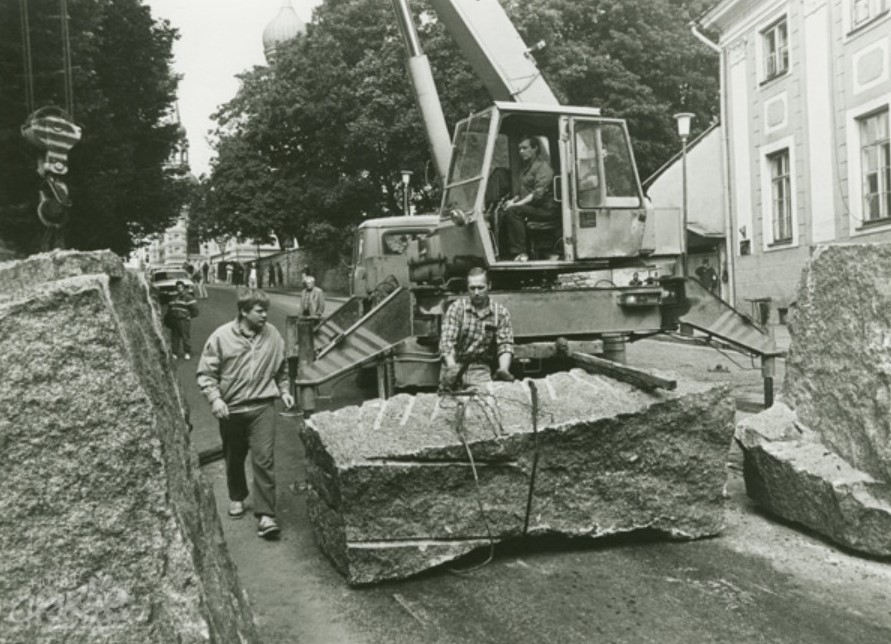
Today it’s 35 years since Estonia declared independence from the USSR. My father left his country in 1941 and never returned, he was 21. He died in 1988.
“In the evening of 20 August 1991, Estonian politicians declared the nation’s independence – even as Soviet tanks were rolling through the countryside to quell the independence movement and the Soviet paratroopers were taking charge of the Tallinn TV Tower, preparing to cut off communication channels.
The fate of Estonia was on peril. Yet, most Estonian politicians and the greater part of the public showed great resolve in the face of this danger.
Estonian volunteers surrounded the TV Tower and wouldn’t let themselves to be intimidated by the Soviet troops. Members of the Estonian Defence League – the unified paramilitary armed forces of Estonia – were ready to protect the strategically important buildings, such as the parliament at Toompea and the Estonian Public Broadcasting facilities in Gonsiori street.”
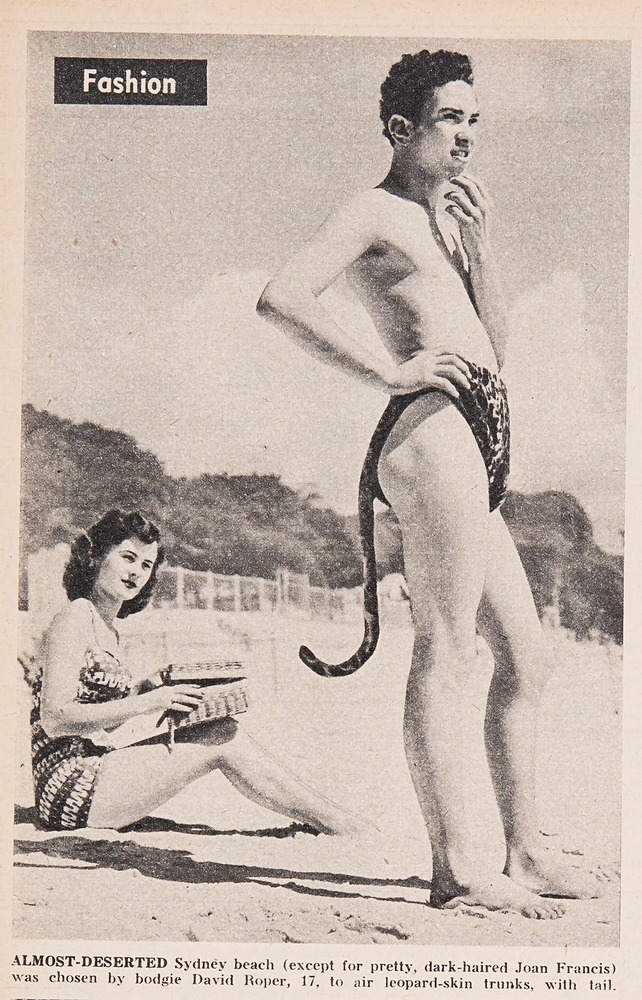
‘Bodgie Styles for Spring 1951’
Almost-deserted Sydney beach (except for pretty, dark-haired Joan Francis) was chosen by bodgie David Roper, 17, to air leopard-skin trunks, with tail.
From the collections of the State Library of New South Wales
(PIX, 14 July 1951, p30)
State Library of NSW
kii said:
‘Bodgie Styles for Spring 1951’
Almost-deserted Sydney beach (except for pretty, dark-haired Joan Francis) was chosen by bodgie David Roper, 17, to air leopard-skin trunks, with tail.
From the collections of the State Library of New South Wales
(PIX, 14 July 1951, p30)
State Library of NSW
I see

The HMAS Melbourne in the early 1970’s.
Spiny Norman said:
The HMAS Melbourne in the early 1970’s.
Keeping well clear of other vessels.
Spiny Norman said:
The HMAS Melbourne in the early 1970’s.
I painted half of that bloody flight deck.
Ian said:
Spiny Norman said:
The HMAS Melbourne in the early 1970’s.
Keeping well clear of other vessels.
Don’t get me started…
captain_spalding said:
Spiny Norman said:
The HMAS Melbourne in the early 1970’s.
I painted half of that bloody flight deck.
Missed a spot.
Spiny Norman said:
captain_spalding said:
Spiny Norman said:
The HMAS Melbourne in the early 1970’s.
I painted half of that bloody flight deck.
Missed a spot.
On the port side (nearest camera), just where the tail of the aft-most S2 Tracker is, there’s the gun sponson containing the MkV 40mm Boffors guns that i helped to look after.
Up forward, near the Skyhawks, where the three blokes are standing; directly under them is a mess deck where i lived for a while.
Looks like it’d be noisy, doesn’t it?
Well, you’re right, it was VERY noisy indeed.
I later managed to migrate to 4D Port mess, four decks down, where the noise was merely ‘constantly annoying’.
And, the boat you can see stowed on the port side is the Captain’s Barge. That was another work area of mine, the boat and its stowage.
captain_spalding said:
Spiny Norman said:
captain_spalding said:I painted half of that bloody flight deck.
Missed a spot.
On the port side (nearest camera), just where the tail of the aft-most S2 Tracker is, there’s the gun sponson containing the MkV 40mm Boffors guns that i helped to look after.
Up forward, near the Skyhawks, where the three blokes are standing; directly under them is a mess deck where i lived for a while.
Looks like it’d be noisy, doesn’t it?
Well, you’re right, it was VERY noisy indeed.
I later managed to migrate to 4D Port mess, four decks down, where the noise was merely ‘constantly annoying’.
And, the boat you can see stowed on the port side is the Captain’s Barge. That was another work area of mine, the boat and its stowage.
‘…Bofors…’
captain_spalding said:
Spiny Norman said:
The HMAS Melbourne in the early 1970’s.
I painted half of that bloody flight deck.
what colour?
party_pants said:
captain_spalding said:
Spiny Norman said:
The HMAS Melbourne in the early 1970’s.
I painted half of that bloody flight deck.
what colour?
Well, it looks grey there, but when i was aboard, it was a light green.
Very thick paint, not sure that it wasn’t some sort of latex compound, and with a lot of grit in it to provide grip for tyres.
captain_spalding said:
Spiny Norman said:
captain_spalding said:I painted half of that bloody flight deck.
Missed a spot.
On the port side (nearest camera), just where the tail of the aft-most S2 Tracker is, there’s the gun sponson containing the MkV 40mm Boffors guns that i helped to look after.
Up forward, near the Skyhawks, where the three blokes are standing; directly under them is a mess deck where i lived for a while.
Looks like it’d be noisy, doesn’t it?
Well, you’re right, it was VERY noisy indeed.
I later managed to migrate to 4D Port mess, four decks down, where the noise was merely ‘constantly annoying’.
And, the boat you can see stowed on the port side is the Captain’s Barge. That was another work area of mine, the boat and its stowage.
Heh.
captain_spalding said:
party_pants said:
captain_spalding said:I painted half of that bloody flight deck.
what colour?
Well, it looks grey there, but when i was aboard, it was a light green.
Very thick paint, not sure that it wasn’t some sort of latex compound, and with a lot of grit in it to provide grip for tyres.
I imagine so. It’s very embarrassing to hit the brakes and slide off the deck into the drink.
Spiny Norman said:
captain_spalding said:
party_pants said:what colour?
Well, it looks grey there, but when i was aboard, it was a light green.
Very thick paint, not sure that it wasn’t some sort of latex compound, and with a lot of grit in it to provide grip for tyres.
I imagine so. It’s very embarrassing to hit the brakes and slide off the deck into the drink.
I take that to be a tongue-in-cheek remark, as i’m sure that you know that when an aircraft lands on the carrier, they ignore the brakes, and gun the aircraft’s engine(s) to the max.
Because, if by some chance the tail hook DID NOT snag one of the arrester wires, they’ll need every ounce of power to get airborne again off that short angled deck so as to be able to come around for another go.
And, some aircraft did manage to go into the drink, for a variety of reasons.
Perhaps the most unusual was LEUT Barry Evans and ‘the cold shot’ (before my time aboard)
https://www.youtube.com/watch?v=1q0pAN1MeSg
captain_spalding said:
Spiny Norman said:
captain_spalding said:Well, it looks grey there, but when i was aboard, it was a light green.
Very thick paint, not sure that it wasn’t some sort of latex compound, and with a lot of grit in it to provide grip for tyres.
I imagine so. It’s very embarrassing to hit the brakes and slide off the deck into the drink.
I take that to be a tongue-in-cheek remark, as i’m sure that you know that when an aircraft lands on the carrier, they ignore the brakes, and gun the aircraft’s engine(s) to the max.
Because, if by some chance the tail hook DID NOT snag one of the arrester wires, they’ll need every ounce of power to get airborne again off that short angled deck so as to be able to come around for another go.
And, some aircraft did manage to go into the drink, for a variety of reasons.
Perhaps the most unusual was LEUT Barry Evans and ‘the cold shot’ (before my time aboard)
https://www.youtube.com/watch?v=1q0pAN1MeSg
Have a friend who was on the Melbourne.
Ian said:
Spiny Norman said:
The HMAS Melbourne in the early 1970’s.
Keeping well clear of other vessels.
:)
captain_spalding said:
Spiny Norman said:
captain_spalding said:Well, it looks grey there, but when i was aboard, it was a light green.
Very thick paint, not sure that it wasn’t some sort of latex compound, and with a lot of grit in it to provide grip for tyres.
I imagine so. It’s very embarrassing to hit the brakes and slide off the deck into the drink.
I take that to be a tongue-in-cheek remark, as i’m sure that you know that when an aircraft lands on the carrier, they ignore the brakes, and gun the aircraft’s engine(s) to the max.
Because, if by some chance the tail hook DID NOT snag one of the arrester wires, they’ll need every ounce of power to get airborne again off that short angled deck so as to be able to come around for another go.
And, some aircraft did manage to go into the drink, for a variety of reasons.
Perhaps the most unusual was LEUT Barry Evans and ‘the cold shot’ (before my time aboard)
https://www.youtube.com/watch?v=1q0pAN1MeSg
No I’m serious. After trap the plane has to be manoeuvred to either a deck parking spot of the elevator. The deck must often have patches of JetA on it, which can be very slippery. By definition if you’re parking on the deck you’re likely to be very close to the edge. A slide only a metre or two and bye-bye plane & crew.
captain_spalding said:
party_pants said:
captain_spalding said:I painted half of that bloody flight deck.
what colour?
Well, it looks grey there, but when i was aboard, it was a light green.
Very thick paint, not sure that it wasn’t some sort of latex compound, and with a lot of grit in it to provide grip for tyres.
What’s the saying in the navy? If it moves grease it; if it doesn’t paint it?
Spiny Norman said:
No I’m serious. After trap the plane has to be manoeuvred to either a deck parking spot of the elevator. The deck must often have patches of JetA on it, which can be very slippery. By definition if you’re parking on the deck you’re likely to be very close to the edge. A slide only a metre or two and bye-bye plane & crew.
Been away from the computer fora bit.
Yes, you’re quite right. The brakes are, of course, very important when pushing aircraft around on the flight deck, or down in the hangar deck.
When that’s being done, it’s usually a sailor who’s in the cockpit, working the brakes and steering. I know of one poor bloke who went over the side in a Skyhawk when something went wrong, brake failure or something.
Fortunately, he had the canopy open, and got out very quickly, and the Pedro helicopter pulled him from the water promptly.
captain_spalding said:
Spiny Norman said:No I’m serious. After trap the plane has to be manoeuvred to either a deck parking spot of the elevator. The deck must often have patches of JetA on it, which can be very slippery. By definition if you’re parking on the deck you’re likely to be very close to the edge. A slide only a metre or two and bye-bye plane & crew.
Been away from the computer for a bit.
When that’s being done, it’s usually a sailor who’s in the cockpit, working the brakes and steering. I know of one poor bloke who went over the side in a Skyhawk when something went wrong, brake failure or something.
Did that particular sailor do less than spectacularly good in his navigation exam, and possible end up in mid Western NSW?
It was probably brake failure on the ships part, but I’m just asking for a friend.
Kingy said:
captain_spalding said:
Spiny Norman said:No I’m serious. After trap the plane has to be manoeuvred to either a deck parking spot of the elevator. The deck must often have patches of JetA on it, which can be very slippery. By definition if you’re parking on the deck you’re likely to be very close to the edge. A slide only a metre or two and bye-bye plane & crew.
Been away from the computer for a bit.
When that’s being done, it’s usually a sailor who’s in the cockpit, working the brakes and steering. I know of one poor bloke who went over the side in a Skyhawk when something went wrong, brake failure or something.
Did that particular sailor do less than spectacularly good in his navigation exam, and possible end up in mid Western NSW?
It was probably brake failure on the ships part, but I’m just asking for a friend.
It was not me. It was one of the aviation branch sailors, an ATA or something.
I could count on one hand’s fingers the number of times i set foot on an ‘active’ flight deck.
You DID NOT go there unless you had an iron-clad reason to be there. And that suited me fine: it was, hands down, the most dangerous workplace i have ever seen.
captain_spalding said:
Spiny Norman said:No I’m serious. After trap the plane has to be manoeuvred to either a deck parking spot of the elevator. The deck must often have patches of JetA on it, which can be very slippery. By definition if you’re parking on the deck you’re likely to be very close to the edge. A slide only a metre or two and bye-bye plane & crew.
Been away from the computer fora bit.
Yes, you’re quite right. The brakes are, of course, very important when pushing aircraft around on the flight deck, or down in the hangar deck.
When that’s being done, it’s usually a sailor who’s in the cockpit, working the brakes and steering. I know of one poor bloke who went over the side in a Skyhawk when something went wrong, brake failure or something.
Fortunately, he had the canopy open, and got out very quickly, and the Pedro helicopter pulled him from the water promptly.
Yep. There’s not been many successful underwater ejections.
Spiny Norman said:
captain_spalding said:
Spiny Norman said:No I’m serious. After trap the plane has to be manoeuvred to either a deck parking spot of the elevator. The deck must often have patches of JetA on it, which can be very slippery. By definition if you’re parking on the deck you’re likely to be very close to the edge. A slide only a metre or two and bye-bye plane & crew.
Been away from the computer fora bit.
Yes, you’re quite right. The brakes are, of course, very important when pushing aircraft around on the flight deck, or down in the hangar deck.
When that’s being done, it’s usually a sailor who’s in the cockpit, working the brakes and steering. I know of one poor bloke who went over the side in a Skyhawk when something went wrong, brake failure or something.
Fortunately, he had the canopy open, and got out very quickly, and the Pedro helicopter pulled him from the water promptly.
Yep. There’s not been many successful underwater ejections.
But, Barry Evans, who i mentioned earlier, did one.
When his Skyhawk (889) ‘failed to launch’, he managed to blow the canopy off, but did not eject.
It’s said that this was a failure of the seat, but my understanding is that he decided to stay in the plane, rather than risk being run down by the ship.
So, he sat in the plane as it sank, allowing the ship to pass OVER him. Finally, at about 20 metres/70 feet down, he did a low-power ejection, and swam to the surface behind the ship, from where he was picked up.
That’s a steely-eyed aviator.
captain_spalding said:
Spiny Norman said:
captain_spalding said:Been away from the computer fora bit.
Yes, you’re quite right. The brakes are, of course, very important when pushing aircraft around on the flight deck, or down in the hangar deck.
When that’s being done, it’s usually a sailor who’s in the cockpit, working the brakes and steering. I know of one poor bloke who went over the side in a Skyhawk when something went wrong, brake failure or something.
Fortunately, he had the canopy open, and got out very quickly, and the Pedro helicopter pulled him from the water promptly.
Yep. There’s not been many successful underwater ejections.
But, Barry Evans, who i mentioned earlier, did one.
When his Skyhawk (889) ‘failed to launch’, he managed to blow the canopy off, but did not eject.
It’s said that this was a failure of the seat, but my understanding is that he decided to stay in the plane, rather than risk being run down by the ship.
So, he sat in the plane as it sank, allowing the ship to pass OVER him. Finally, at about 20 metres/70 feet down, he did a low-power ejection, and swam to the surface behind the ship, from where he was picked up.
That’s a steely-eyed aviator.
Yeah I remember reading about that one. Gutsy move watching the ship go over you then when its clear get out of the plane.
I don’t think there’s such a thing as a ‘soft’ ejection. When you need to eject there’s rarely time to ponder how much it’s going to boost. And the best way to keep the crew alive is to get them away from the plane, and that’s with a back-snapping rocket.
Spiny Norman said:
captain_spalding said:
Spiny Norman said:Yep. There’s not been many successful underwater ejections.
But, Barry Evans, who i mentioned earlier, did one.
When his Skyhawk (889) ‘failed to launch’, he managed to blow the canopy off, but did not eject.
It’s said that this was a failure of the seat, but my understanding is that he decided to stay in the plane, rather than risk being run down by the ship.
So, he sat in the plane as it sank, allowing the ship to pass OVER him. Finally, at about 20 metres/70 feet down, he did a low-power ejection, and swam to the surface behind the ship, from where he was picked up.
That’s a steely-eyed aviator.
Yeah I remember reading about that one. Gutsy move watching the ship go over you then when its clear get out of the plane.
I don’t think there’s such a thing as a ‘soft’ ejection. When you need to eject there’s rarely time to ponder how much it’s going to boost. And the best way to keep the crew alive is to get them away from the plane, and that’s with a back-snapping rocket.
I’m only repeating what i heard a long time back. I dunno if the seats in the A-4s were a bit ‘special, but they probably weren’t.
Years later, when i got briefed (ad infinitum and ad nauseum) on the seat in the Macchi MB326, there was certainly no mention of any options.
It was, in the end, just ‘pull the handle, and ride the rocket’.
captain_spalding said:
Spiny Norman said:
captain_spalding said:But, Barry Evans, who i mentioned earlier, did one.
When his Skyhawk (889) ‘failed to launch’, he managed to blow the canopy off, but did not eject.
It’s said that this was a failure of the seat, but my understanding is that he decided to stay in the plane, rather than risk being run down by the ship.
So, he sat in the plane as it sank, allowing the ship to pass OVER him. Finally, at about 20 metres/70 feet down, he did a low-power ejection, and swam to the surface behind the ship, from where he was picked up.
That’s a steely-eyed aviator.
Yeah I remember reading about that one. Gutsy move watching the ship go over you then when its clear get out of the plane.
I don’t think there’s such a thing as a ‘soft’ ejection. When you need to eject there’s rarely time to ponder how much it’s going to boost. And the best way to keep the crew alive is to get them away from the plane, and that’s with a back-snapping rocket.
I’m only repeating what i heard a long time back. I dunno if the seats in the A-4s were a bit ‘special, but they probably weren’t.
Years later, when i got briefed (ad infinitum and ad nauseum) on the seat in the Macchi MB326, there was certainly no mention of any options.
It was, in the end, just ‘pull the handle, and ride the rocket’.
And go home an inch or so shorter.
Spiny Norman said:
captain_spalding said:
Spiny Norman said:Yeah I remember reading about that one. Gutsy move watching the ship go over you then when its clear get out of the plane.
I don’t think there’s such a thing as a ‘soft’ ejection. When you need to eject there’s rarely time to ponder how much it’s going to boost. And the best way to keep the crew alive is to get them away from the plane, and that’s with a back-snapping rocket.
I’m only repeating what i heard a long time back. I dunno if the seats in the A-4s were a bit ‘special, but they probably weren’t.
Years later, when i got briefed (ad infinitum and ad nauseum) on the seat in the Macchi MB326, there was certainly no mention of any options.
It was, in the end, just ‘pull the handle, and ride the rocket’.
And go home an inch or so shorter.
Or a foot or so shorter.
I recall seeing a show with I think it was Peter May (of top Gear fame) flying in a U2. They measured up his legs in a seated position. Apparently, he was so tall that if he had to eject it would likely take his knees and lowers leg off on the way out.
captain_spalding said:
Spiny Norman said:
captain_spalding said:But, Barry Evans, who i mentioned earlier, did one.
When his Skyhawk (889) ‘failed to launch’, he managed to blow the canopy off, but did not eject.
It’s said that this was a failure of the seat, but my understanding is that he decided to stay in the plane, rather than risk being run down by the ship.
So, he sat in the plane as it sank, allowing the ship to pass OVER him. Finally, at about 20 metres/70 feet down, he did a low-power ejection, and swam to the surface behind the ship, from where he was picked up.
That’s a steely-eyed aviator.
Yeah I remember reading about that one. Gutsy move watching the ship go over you then when its clear get out of the plane.
I don’t think there’s such a thing as a ‘soft’ ejection. When you need to eject there’s rarely time to ponder how much it’s going to boost. And the best way to keep the crew alive is to get them away from the plane, and that’s with a back-snapping rocket.
I’m only repeating what i heard a long time back. I dunno if the seats in the A-4s were a bit ‘special, but they probably weren’t.
Years later, when i got briefed (ad infinitum and ad nauseum) on the seat in the Macchi MB326, there was certainly no mention of any options.
It was, in the end, just ‘pull the handle, and ride the rocket’.
I worked at the CAC Factory where they assembled the Macchi.
Spiny Norman said:
And go home an inch or so shorter.
I was told, “if we have to eject, i’ll shout ‘eject, eject,eject’. Don’t bother asking me why, because i won’t be there any more.”
party_pants said:
Spiny Norman said:
captain_spalding said:I’m only repeating what i heard a long time back. I dunno if the seats in the A-4s were a bit ‘special, but they probably weren’t.
Years later, when i got briefed (ad infinitum and ad nauseum) on the seat in the Macchi MB326, there was certainly no mention of any options.
It was, in the end, just ‘pull the handle, and ride the rocket’.
And go home an inch or so shorter.
Or a foot or so shorter.
I recall seeing a show with I think it was Peter May (of top Gear fame) flying in a U2. They measured up his legs in a seated position. Apparently, he was so tall that if he had to eject it would likely take his knees and lowers leg off on the way out.
Yeah, Austin Powers was a short guy so had no trouble over Russia.
party_pants said:
Spiny Norman said:
captain_spalding said:I’m only repeating what i heard a long time back. I dunno if the seats in the A-4s were a bit ‘special, but they probably weren’t.
Years later, when i got briefed (ad infinitum and ad nauseum) on the seat in the Macchi MB326, there was certainly no mention of any options.
It was, in the end, just ‘pull the handle, and ride the rocket’.
And go home an inch or so shorter.
Or a foot or so shorter.
I recall seeing a show with I think it was Peter May (of top Gear fame) flying in a U2. They measured up his legs in a seated position. Apparently, he was so tall that if he had to eject it would likely take his knees and lowers leg off on the way out.
James May, and yes the cockpits in a lot of military gear is pretty tight.
One bloke that taught me to fly was ex-RAAF, he flew Mirages and the F-111s. He was about my height and he said with the Mirage if he had to eject his legs would end just above the kneecaps. At least they didn’t have that problem with the F-111s thanks to the entire cockpit breaking away from the airframe.
Boris said:
I worked at the CAC Factory where they assembled the Macchi.
Well, nothing fell off during the times i was in one, so thank you for your attention to detail.
captain_spalding said:
Spiny Norman said:And go home an inch or so shorter.
I was told, “if we have to eject, i’ll shout ‘eject, eject,eject’. Don’t bother asking me why, because i won’t be there any more.”
Quite right.
A lot of the seats were designed so that no matter which crew member hit the eject handle first the RIO would leave first then very shortly after the pilot. One handle, they both go.
Spiny Norman said:
party_pants said:
Spiny Norman said:And go home an inch or so shorter.
Or a foot or so shorter.
I recall seeing a show with I think it was Peter May (of top Gear fame) flying in a U2. They measured up his legs in a seated position. Apparently, he was so tall that if he had to eject it would likely take his knees and lowers leg off on the way out.
James May, and yes the cockpits in a lot of military gear is pretty tight.
One bloke that taught me to fly was ex-RAAF, he flew Mirages and the F-111s. He was about my height and he said with the Mirage if he had to eject his legs would end just above the kneecaps. At least they didn’t have that problem with the F-111s thanks to the entire cockpit breaking away from the airframe.
slaps head
Yeah, James May.
Spiny Norman said:
captain_spalding said:
Spiny Norman said:And go home an inch or so shorter.
I was told, “if we have to eject, i’ll shout ‘eject, eject,eject’. Don’t bother asking me why, because i won’t be there any more.”
Quite right.
A lot of the seats were designed so that no matter which crew member hit the eject handle first the RIO would leave first then very shortly after the pilot. One handle, they both go.
Don’t know if the Macchis had that.
If they did, why did they spend all that time drilling it into me about what to do? The first time, they devoted over two hours to it.
Maybe Boris can tell us.
captain_spalding said:
Spiny Norman said:
captain_spalding said:I was told, “if we have to eject, i’ll shout ‘eject, eject,eject’. Don’t bother asking me why, because i won’t be there any more.”
Quite right.
A lot of the seats were designed so that no matter which crew member hit the eject handle first the RIO would leave first then very shortly after the pilot. One handle, they both go.
Don’t know if the Macchis had that.
If they did, why did they spend all that time drilling it into me about what to do? The first time, they devoted over two hours to it.
Maybe Boris can tell us.
No idea. I was doing an apprenticeship trial period.
dv said:
Frank’s brother?
dv said:
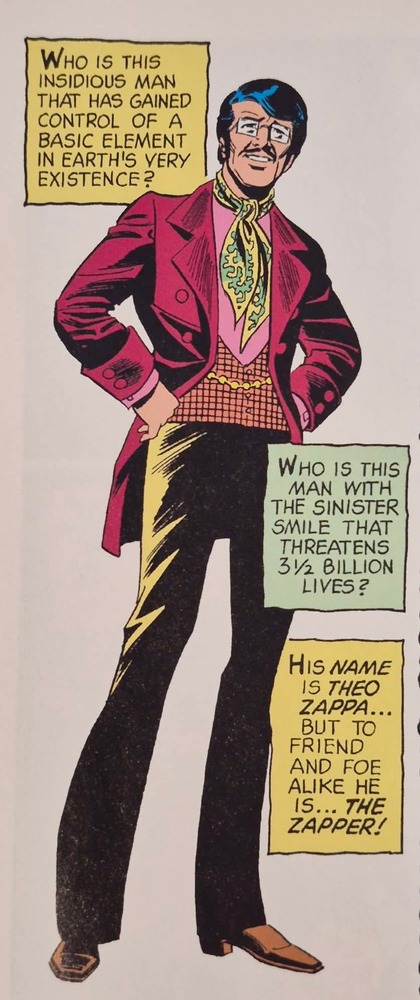
Looks like The Zapper buys his finery “at the Goodwill”, as Americans say.

No information on this photo other than the plane had the crap beaten out of it but it still made it back. I’m guessing the bombardier didn’t survive though.
Spiny Norman said:
No information on this photo other than the plane had the crap beaten out of it but it still made it back. I’m guessing the bombardier didn’t survive though.
A bit more info here -
https://www.google.com/search
Bubblecar said:
dv said:
Looks like The Zapper buys his finery “at the Goodwill”, as Americans say.
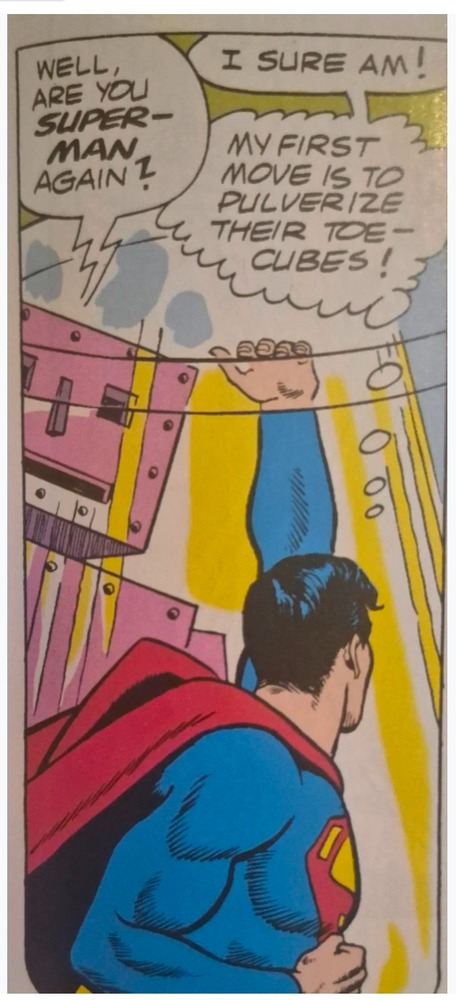
Sorry I’m late!
“Theo Zappa, the corrupt head of a giant corporation, gains control of a re-memory machine which allows him to reprogram the minds of others. When Panja Darr, an alien from a world where magic is the norm, appears to him offering to buy Earth’s supply of plankton to replace that of his own world, which has been decimated by magical pollution, Zappa uses the machine to steal Darr’s powerful magic wand. He then absconds with all Earth’s plankton and attempts to black-mail both planets. Aware that this will eventually destroy Earth’s food supply and end all life on the planet, the Justice League goes into action, with Superman and Aquaman attacking Zappa beneath the sea, Flash and Hawkman fighting him in space, and Batman and Atom finally following him to Panja Darr’s world with the alien’s ship. There he is beaten and his scheme thwarted, but the pollution problems of both planets remain unsolved.”
He appeared but once, in Justice League Of America #86, published in December 1970
You could put almost any dubious heap of crap on the road in those days.
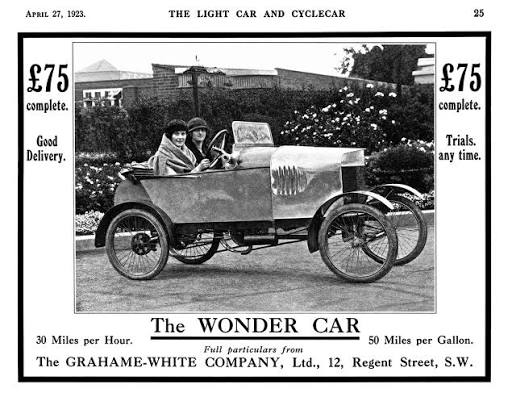
Tiny Polish tankettes during field exercises, 1938.
575 of these baby tanks faced Hitler’s panzer divisions when the Germans invaded in 1939. They were quite quickly squashed.


Soviet Red Army troops crossing into northern Afghanistan to fight against the basmachi rebels (1929)
I love the terrifying band-aid under the middle of the bridge.

Boy uses his dog to speed thru the streets, London, England, 1930s

28 August 1963. Exactly 100 years after Lincoln’s Emancipation Proclamation, Martin Luther King Jr. delivered his “I Have a Dream” speech to 250,000 people in Washington. The most famous part wasn’t in his prepared text.
Relaxing evening in a middle class US home some time during WW2.
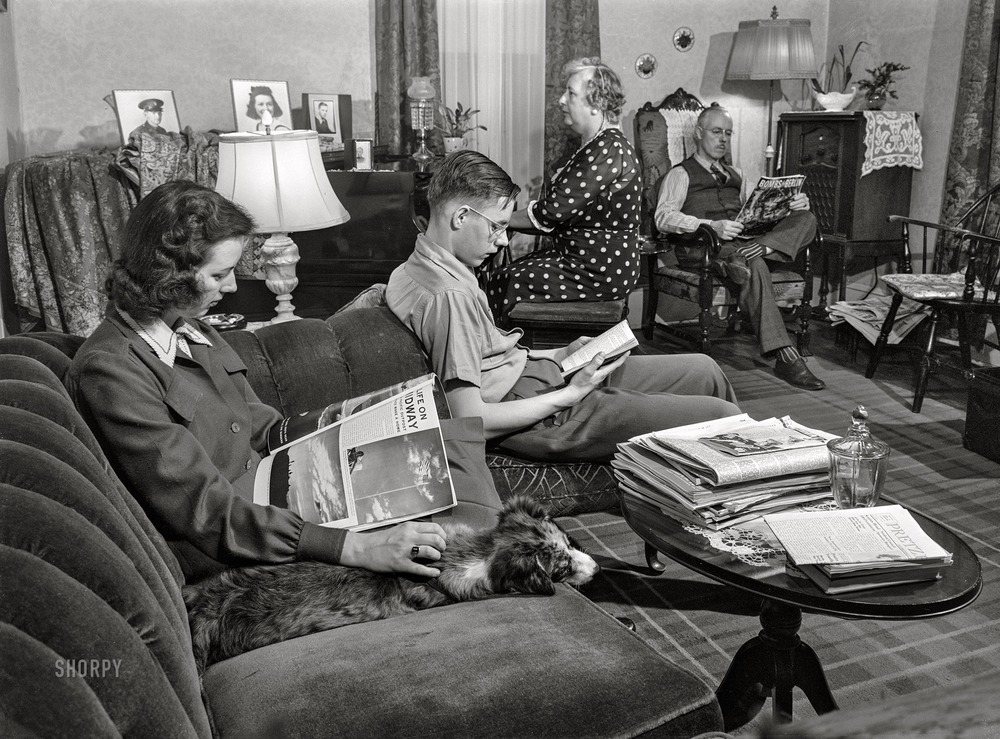
Bubblecar said:
Relaxing evening in a middle class US home some time during WW2.
Relaxing while the young men were at the front giving their lives for the very freedom they are enjoying.
Peak Warming Man said:
Bubblecar said:
Relaxing evening in a middle class US home some time during WW2.
Relaxing while the young men were at the front giving their lives for the very freedom they are enjoying.
Including a member of their family, judging by the photo on the piano.
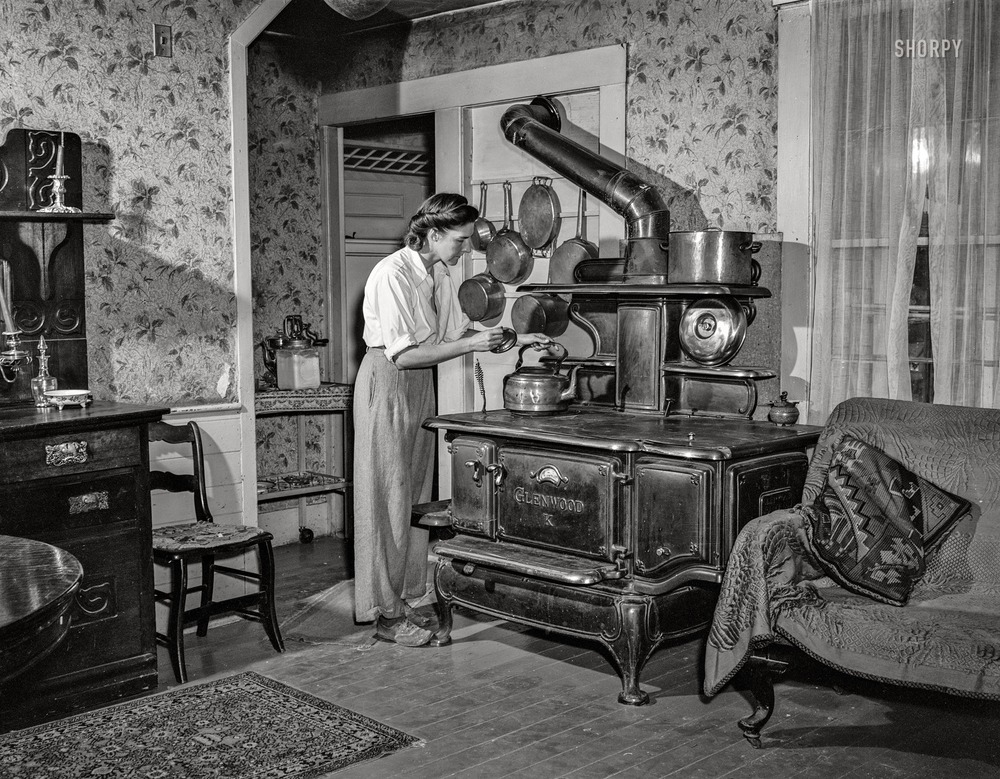
Putting the kettle on the Glenwood, days gone by.
Another from the hundreds in my Nostalgia/American Interiors folder, mostly from Shorpy, with no dating details in the caption.
With my new giant monitor, I can see these entire pictures in one view at their original giant resolution (automatically much reduced when uploaded here).

Peak Warming Man said:
Bubblecar said:
Relaxing evening in a middle class US home some time during WW2.
Relaxing while the young men were at the front giving their lives for the very freedom they are enjoying.
It may have been before the US joined the others in WWII.
Bubblecar said:
Putting the kettle on the Glenwood, days gone by.Another from the hundreds in my Nostalgia/American Interiors folder, mostly from Shorpy, with no dating details in the caption.
With my new giant monitor, I can see these entire pictures in one view at their original giant resolution (automatically much reduced when uploaded here).
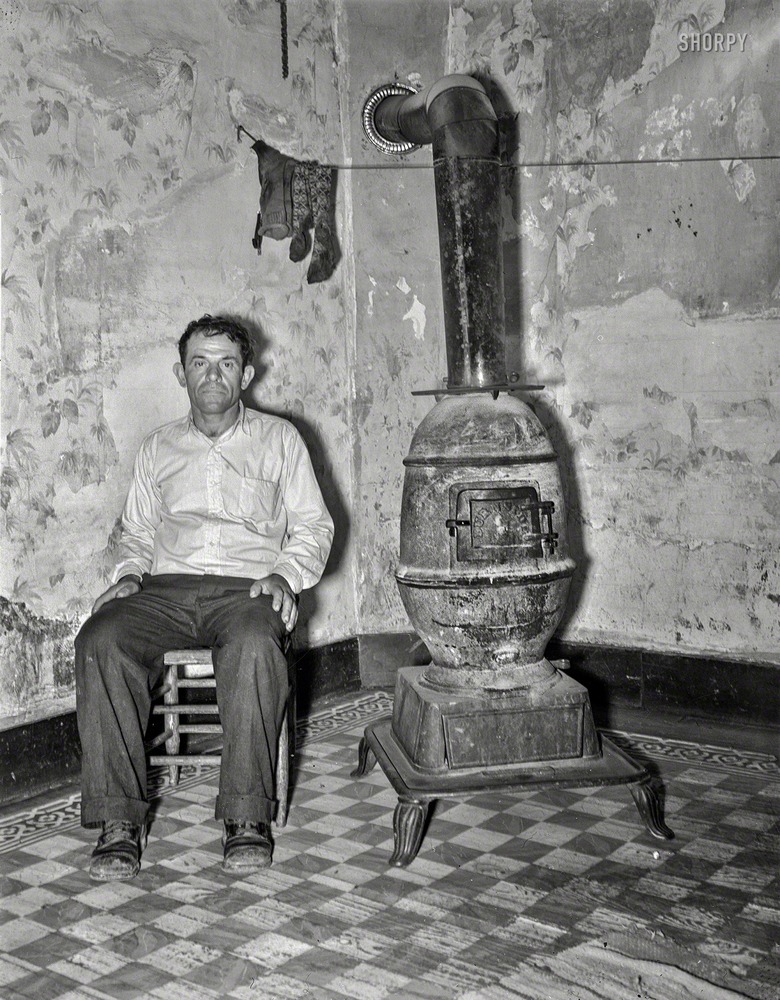
Very dangerous flue design right there. Bends are bad. Creosote and other tars get deposited at bends and when thick enough, can easily catch fire.
Michael V said:
Peak Warming Man said:
Bubblecar said:
Relaxing evening in a middle class US home some time during WW2.
Relaxing while the young men were at the front giving their lives for the very freedom they are enjoying.
It may have been before the US joined the others in WWII.
Well into US participation, judging by the headlines and articles in the magazines being read (easier to see in the full size image).
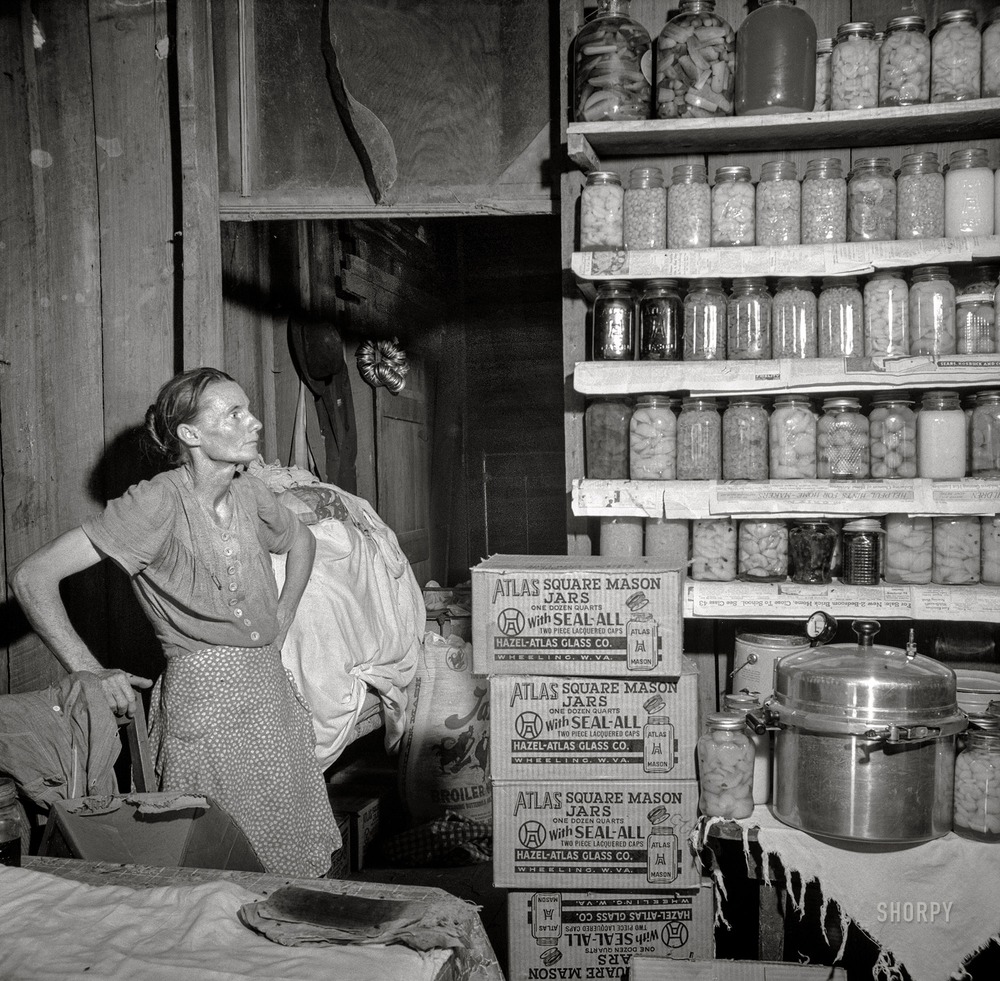
Impressive wall of preserves.
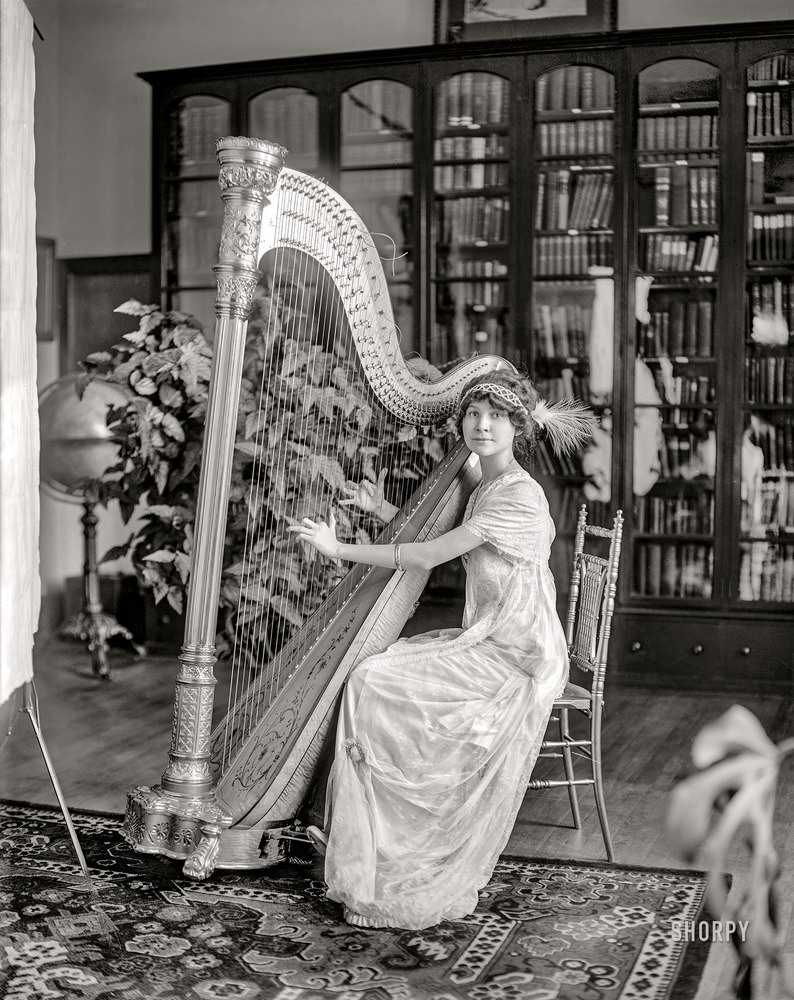
Now that’s a harp.
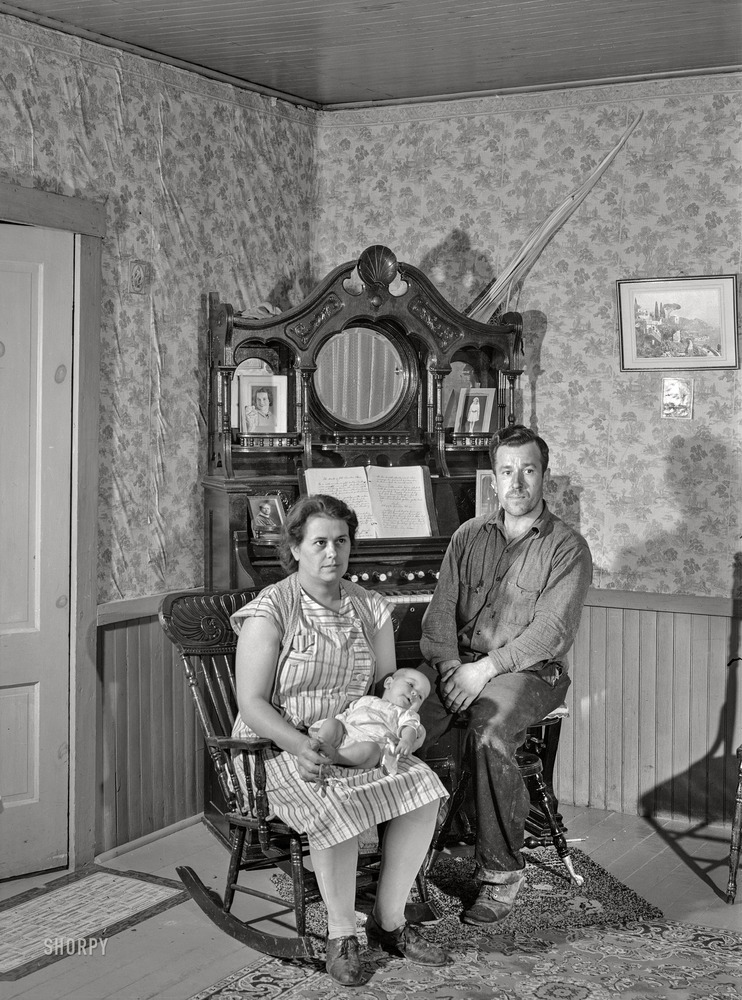
Couple with their new baby and fancy old harmonium.
That wallpaper was very badly pasted. I don’t know what that pointy item protruding top right may be.
When washing up was stylish and almost fun.

Two happy gents enjoying a relaxing game of floor Scrabble.
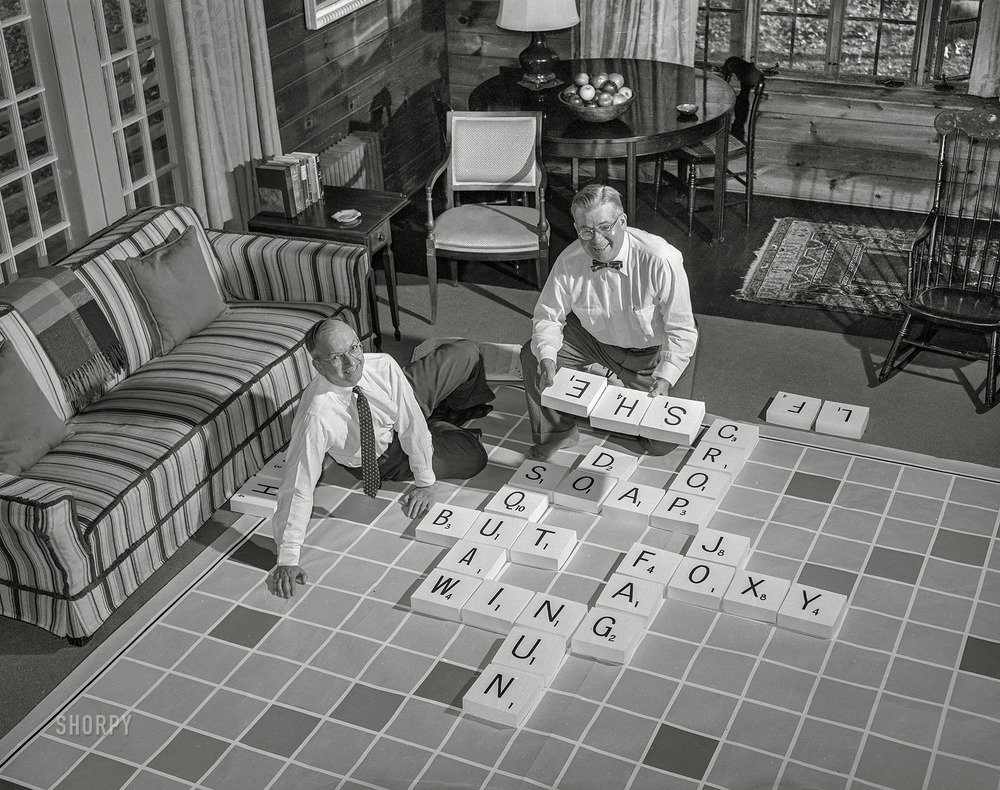
Bubblecar said:
Two happy gents enjoying a relaxing game of floor Scrabble.
Two gay happy gents with a homophobic slur on the board 🤔
Much reading unfolded in the days before telly.
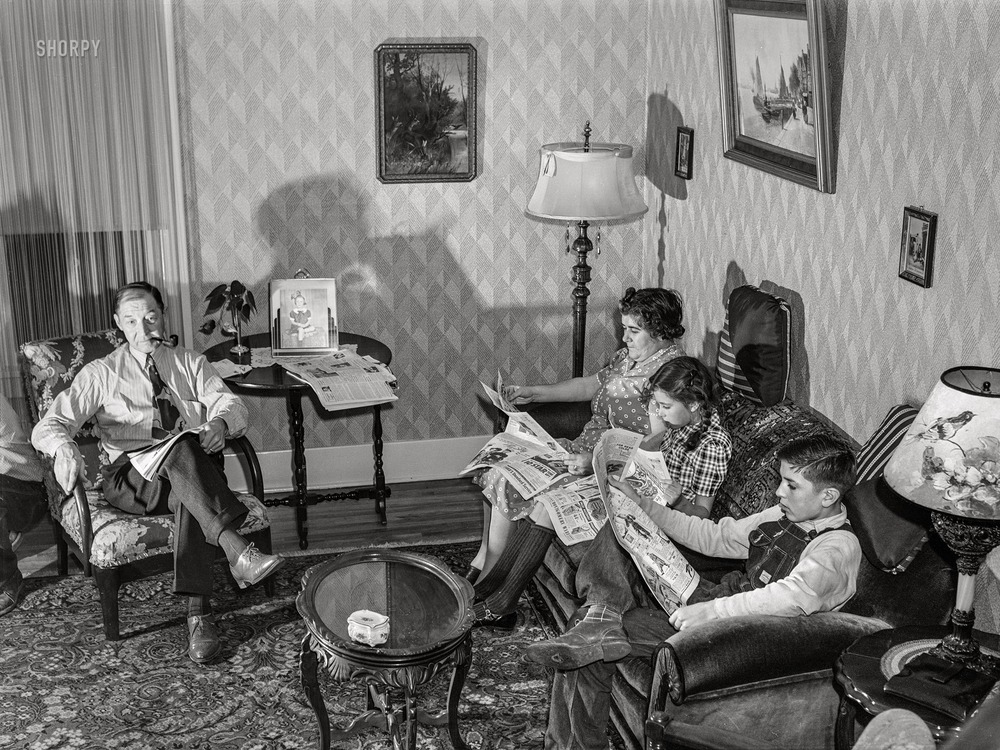
Divine Angel said:
Bubblecar said:
Two happy gents enjoying a relaxing game of floor Scrabble.
Two
gayhappy gents with a homophobic slur on the board 🤔
That was in the days when it meant cigarette etc.
Bubblecar said:
Much reading unfolded in the days before telly.
…but there was also the wireless.
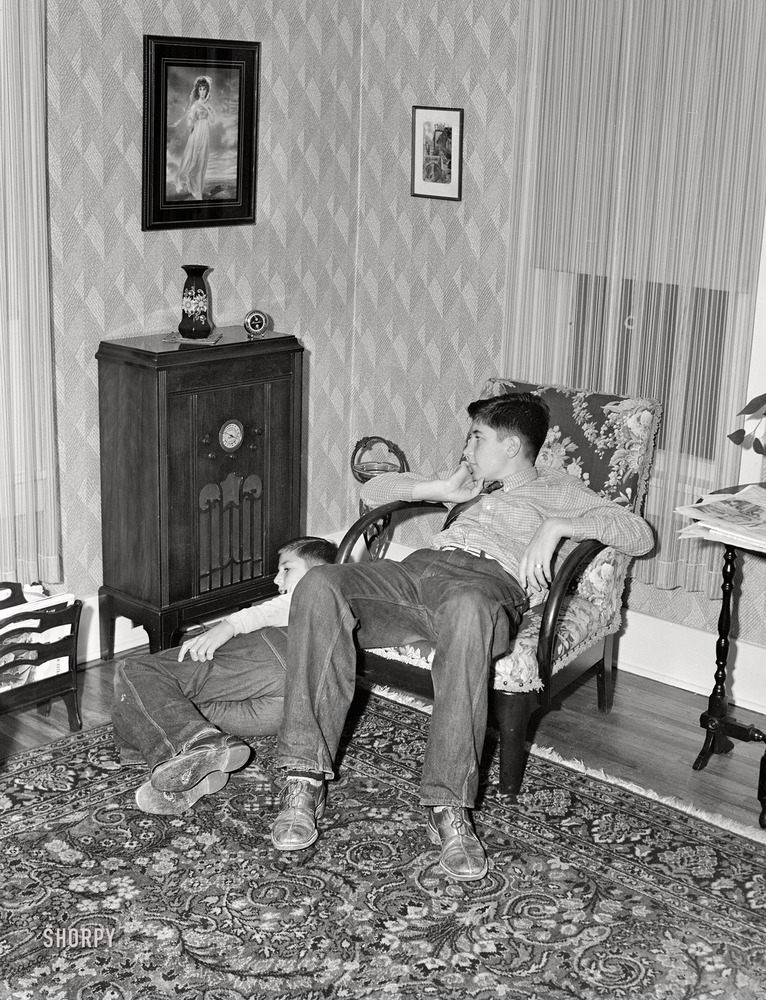
Another fancy harmonium. Dad reads Poultry Keeper, Mom sews, and the dirty-feeted boys play with spinning tops, while the wireless provides the music.
Note the children’s colouring-in adorning the wall.
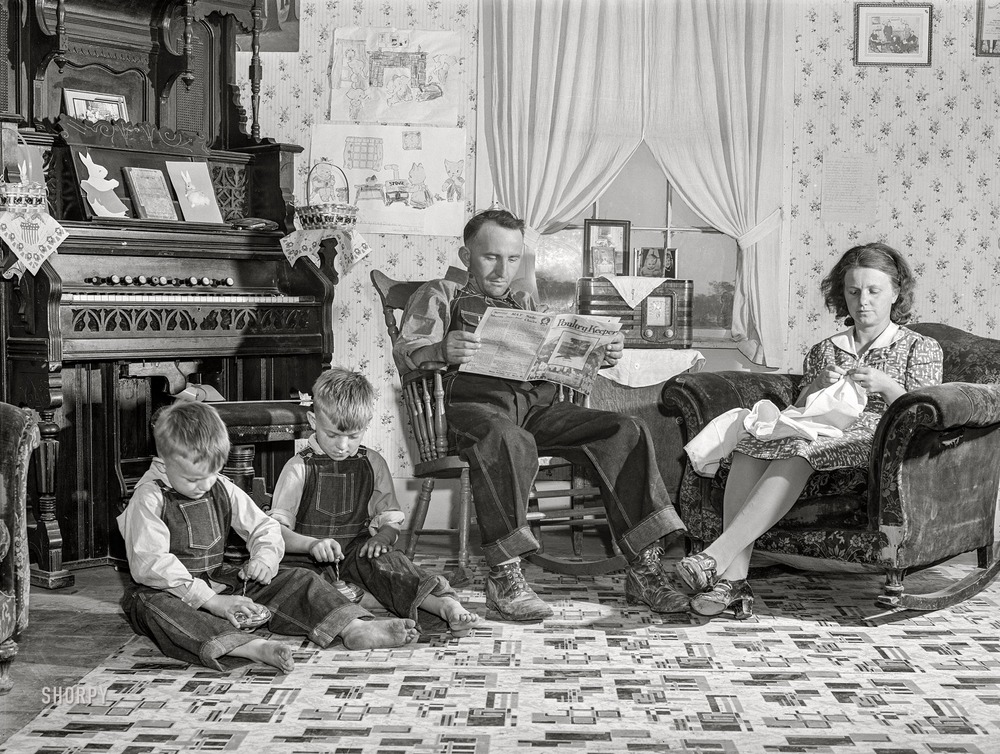
Bubblecar said:
Two happy gents enjoying a relaxing game of floor Scrabble.
So cool!
Bubblecar said:
Now that’s a harp.
That’s a concert level harp!
Go hiontoch! (Awesome!)
Bubblecar said:
When washing up was stylish and almost fun.
remember the old days when you could join house and wife together, writ housewife, or housewives, spellcheck doesn’t underline it with a wiggle indicating a spelling error, I wonder if one day that word evolution might reverse
and what’s with dresses anyway while i’m about it, where’s the practicality in that, departure from pants, trousers and whatever
what’s the nearest thing to making the ladies stand up to urinate
This lady ran a busy kitchen indeed.
Again just a Shorpy from my Nostalgia/American Interiors folder, in which I neglected to record dates and places etc.

Bubblecar said:
This lady ran a busy kitchen indeed.Again just a Shorpy from my Nostalgia/American Interiors folder, in which I neglected to record dates and places etc.
Now that’s impressive!
I have got to research kitchens more. Make decisions. I am angsting over making the wrong kitchen decisions.
I do love cooking and baking.
I am considering committing to sourdough. I want to do both gluten and gluten-free sourdough if possible. But it’s a challenge in a caravan kitchen.

Stuart Sutcliffe and Astrid Kirchherr
I wonder whether they wore armbands so they could tell themselves apart.
I also wonder what the Beatles would have been like if one of them was like 80 times better looking than the rest, constantly mogging up the album covers like Narcissus in a Gumby sketch.
dv said:
Stuart Sutcliffe and Astrid Kirchherr
I wonder whether they wore armbands so they could tell themselves apart.
I also wonder what the Beatles would have been like if one of them was like 80 times better looking than the rest, constantly mogging up the album covers like Narcissus in a Gumby sketch.
I’ve never wondered about that,
This fellow is very much alone in the world with his socks and his pot-bellied stove.
Michael V will rightly disapprove of the bent flue.
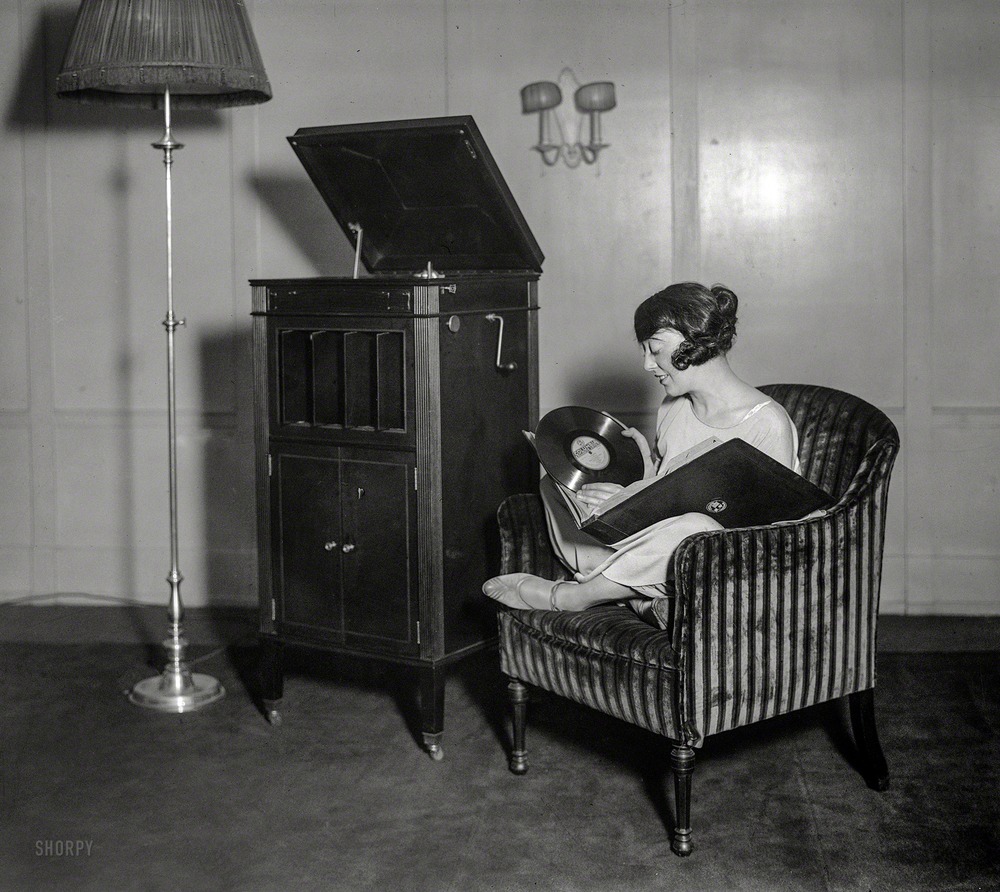
The joy of records held sway for 80 odd years.
Bubblecar said:
The joy of records held sway for 80 odd years.
They couldn’t post their holograms on line and chat to people like they can today, poor wretches.
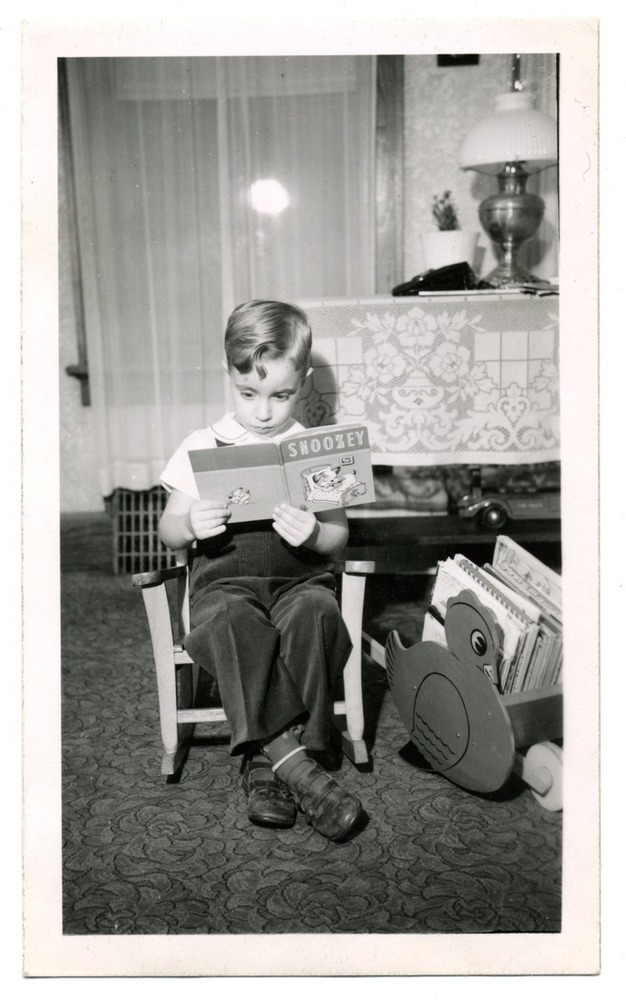
This little boy is engrossed in a book called Snoozey by Emma McKean, a Tell-A-Tale book from 1944.
Lower picture shows the cover of a surviving example.

Bubblecar said:
This fellow is very much alone in the world with his socks and his pot-bellied stove.Michael V will rightly disapprove of the bent flue.
That wallpaper could use replacing
Bubblecar said:
This little boy is engrossed in a book called Snoozey by Emma McKean, a Tell-A-Tale book from 1944.Lower picture shows the cover of a surviving example.
That reminds me, I wanna trawl the internets for the only Donna Parker book I’m missing. My copy was destroyed by rats a number of years ago.
*looks
$153 on Amazon!!!
*keeps looking
Bubblecar said:
This little boy is engrossed in a book called Snoozey by Emma McKean, a Tell-A-Tale book from 1944.Lower picture shows the cover of a surviving example.
Dapper haircut, hen-themed book caddy, he’s living the dream
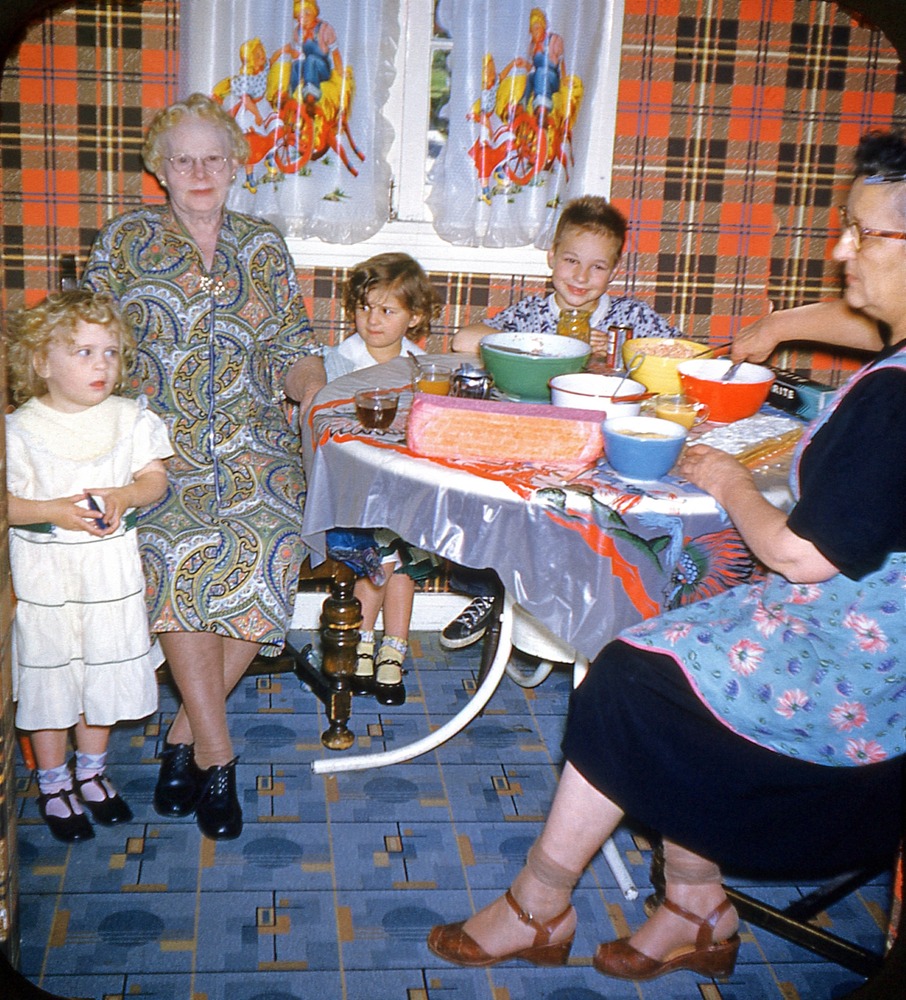
Riot of colour in this US kitchen, 1952. Mixing cakes for the farewell party of Ronnie, who has joined the Navy.
Lower picture shows the party crowd in the dining room.

Bubblecar said:
Riot of colour in this US kitchen, 1952. Mixing cakes for the farewell party of Ronnie, who has joined the Navy.Lower picture shows the party crowd in the dining room.
This looks as though it was set up to test the abilities of colour photography.
dv said:
Bubblecar said:
Riot of colour in this US kitchen, 1952. Mixing cakes for the farewell party of Ronnie, who has joined the Navy.Lower picture shows the party crowd in the dining room.
This looks as though it was set up to test the abilities of colour photography.
Kodachrome carried the day.
Bubblecar said:
This fellow is very much alone in the world with his socks and his pot-bellied stove.Michael V will rightly disapprove of the bent flue.
And I do.
:)
Bubblecar said:
The joy of records held sway for 80 odd years.
Big chair Joy is sitting in.
Bubblecar said:
dv said:
Bubblecar said:
Riot of colour in this US kitchen, 1952. Mixing cakes for the farewell party of Ronnie, who has joined the Navy.Lower picture shows the party crowd in the dining room.
This looks as though it was set up to test the abilities of colour photography.
Kodachrome carried the day.
Sure did.
Bubblecar said:
The joy of records held sway for 80 odd years.
Some people still enjoy their records.
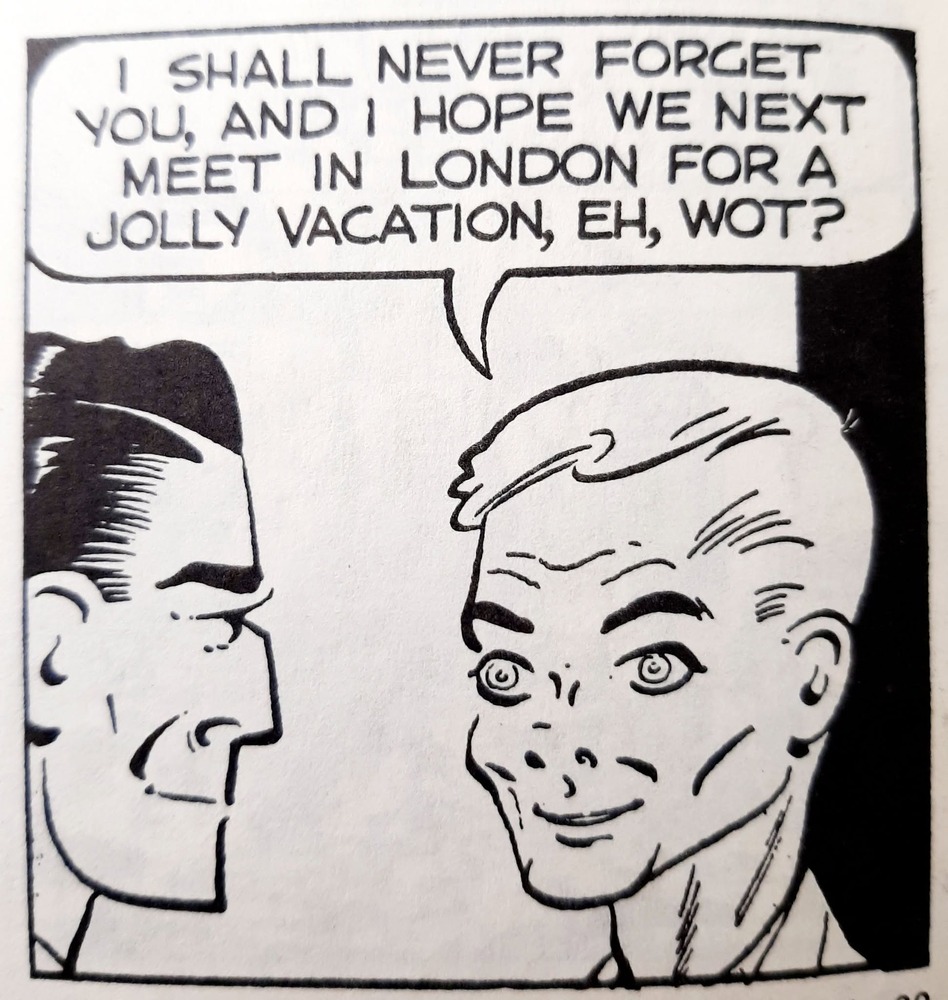
Over 50,000 of these Bedford QL trucks were made during WW2, so there were loads going for a song shortly after.
Nonetheless many remained in army service for decades to come.

A woman appeared to lean in to kiss Hitler while trying to get his autograph during the 1936 Berlin Olympics.
Fun days hey.
Spiny Norman said:
A woman appeared to lean in to kiss Hitler while trying to get his autograph during the 1936 Berlin Olympics.Fun days hey.
Two years later, Indiana Jones would get that autograph without even asking for it.
captain_spalding said:
Spiny Norman said:
A woman appeared to lean in to kiss Hitler while trying to get his autograph during the 1936 Berlin Olympics.Fun days hey.
Two years later, Indiana Jones would get that autograph without even asking for it.
:)
captain_spalding said:
Spiny Norman said:
A woman appeared to lean in to kiss Hitler while trying to get his autograph during the 1936 Berlin Olympics.Fun days hey.
Two years later, Indiana Jones would get that autograph without even asking for it.
:)
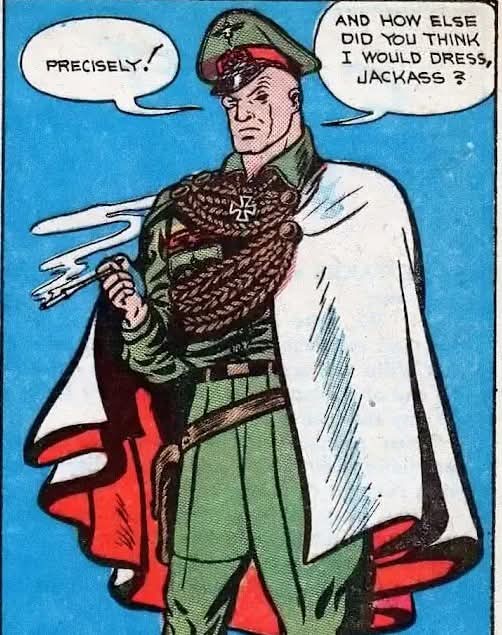
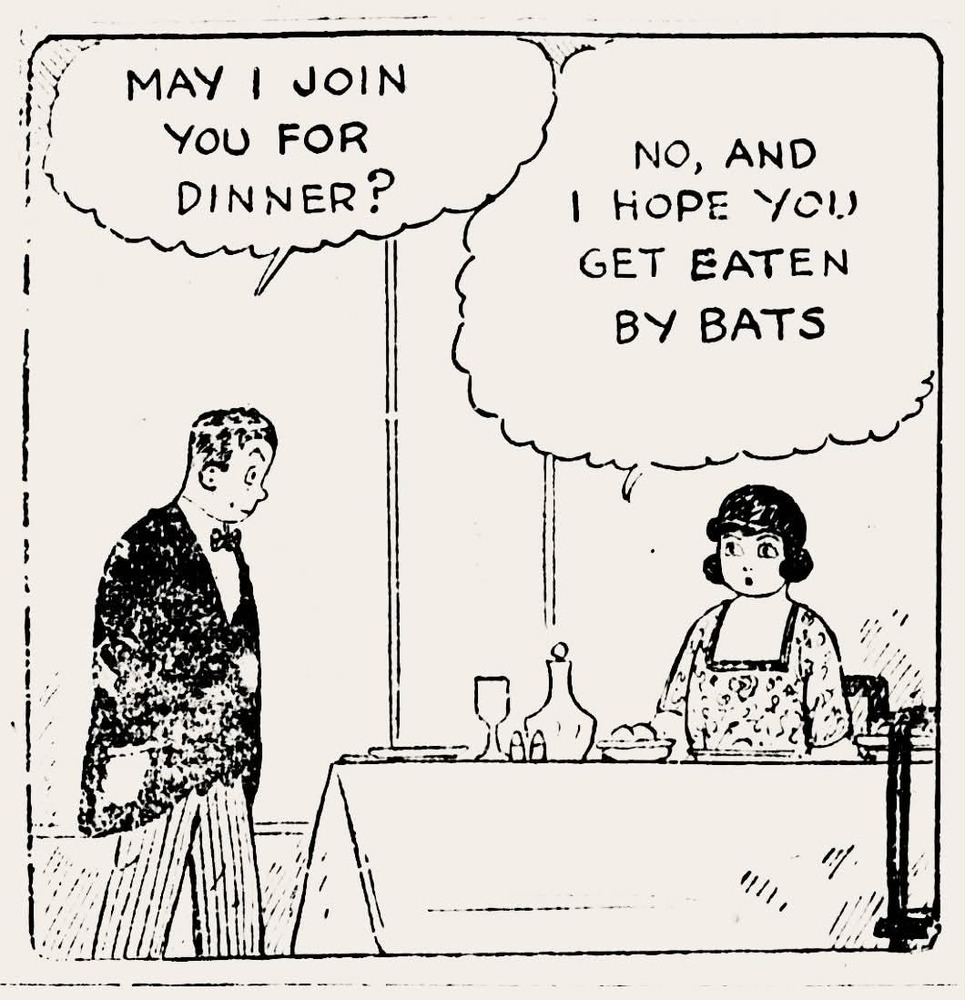
The worst she can say is no.
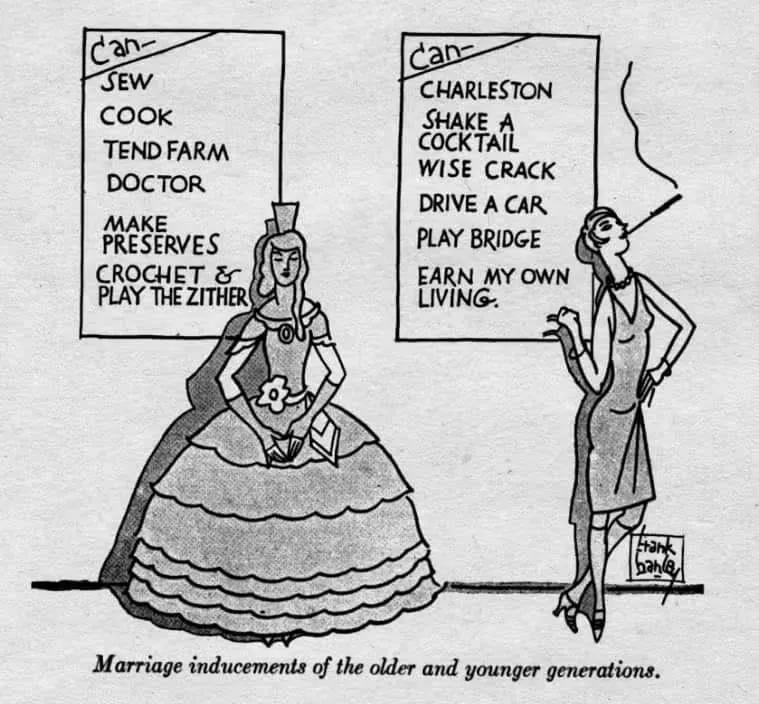
dv said:
The worst she can say is no.
either this whole statement is false, or you will say yes

https://www.reddit.com/r/thepast/comments/1w6dmu8/03_september_1967_sweden_has_officially_switched/
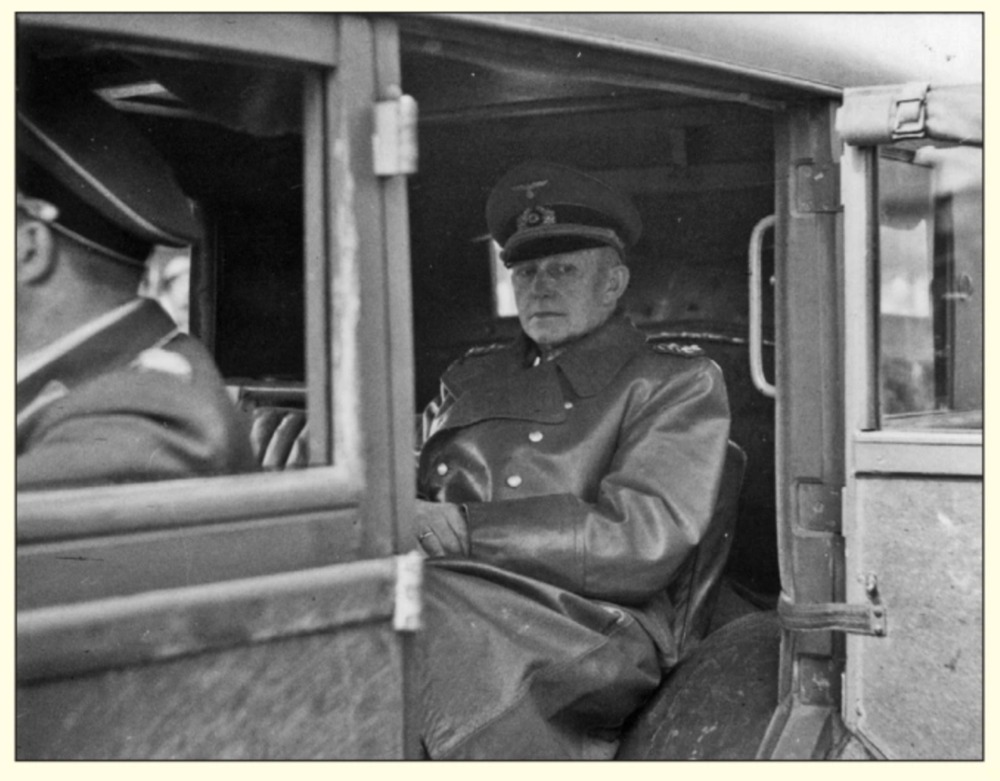
General Jodl, chief cheese of the Oberkommando der Wehrmacht, about to be driven off in a British army Humber FWD after his arrest in May 1945.
He was convicted of war crimes and hanged the following year.

Spiny Norman said:
Wow a blast from the past.
ms spock said:
Spiny Norman said:
Wow a blast from the past.
The last Hot 100 before Triple J went national, and changed the Hot 100 to be just annual releases, as opposed to all time greatest.
Neophyte said:
ms spock said:
Spiny Norman said:
Wow a blast from the past.
The last Hot 100 before Triple J went national, and changed the Hot 100 to be just annual releases, as opposed to all time greatest.
That is not true…
furious said:
Neophyte said:
ms spock said:Wow a blast from the past.
The last Hot 100 before Triple J went national, and changed the Hot 100 to be just annual releases, as opposed to all time greatest.
That is not true…
Well, OK
Neophyte said:
furious said:
Neophyte said:The last Hot 100 before Triple J went national, and changed the Hot 100 to be just annual releases, as opposed to all time greatest.
That is not true…
Well, OK
Last before national, might be, last before annual, is not…
Spiny Norman said:
I thought this might have been dodgy, but it’s not according to Wikipedia. Apparently the 1989 voting was for any song, not just the songs of the previous 12 months.
Before he was an actor, Steve Buscemi was a fireman in a New York station. When the 9/11 attacks occurred he dropped everything and raced back to his old station and helped out for a day or three.
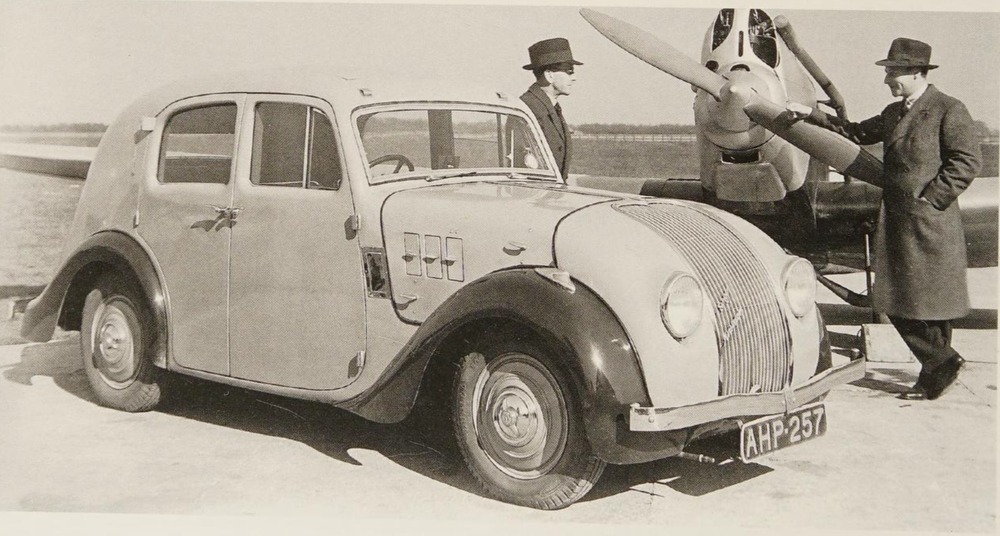
Publicity snap of the 1935 Singer Airstream, one of the futuristic designs of Captain Douglas Fitzmaurice.
Billed as The Car of Tomorrow – Today, sales were poor and it soon became the car of yesterday.
Bubblecar said:
Publicity snap of the 1935 Singer Airstream, one of the futuristic designs of Captain Douglas Fitzmaurice.Billed as The Car of Tomorrow – Today, sales were poor and it soon became the car of yesterday.
First family car, bought when I was about 5, was one of these:
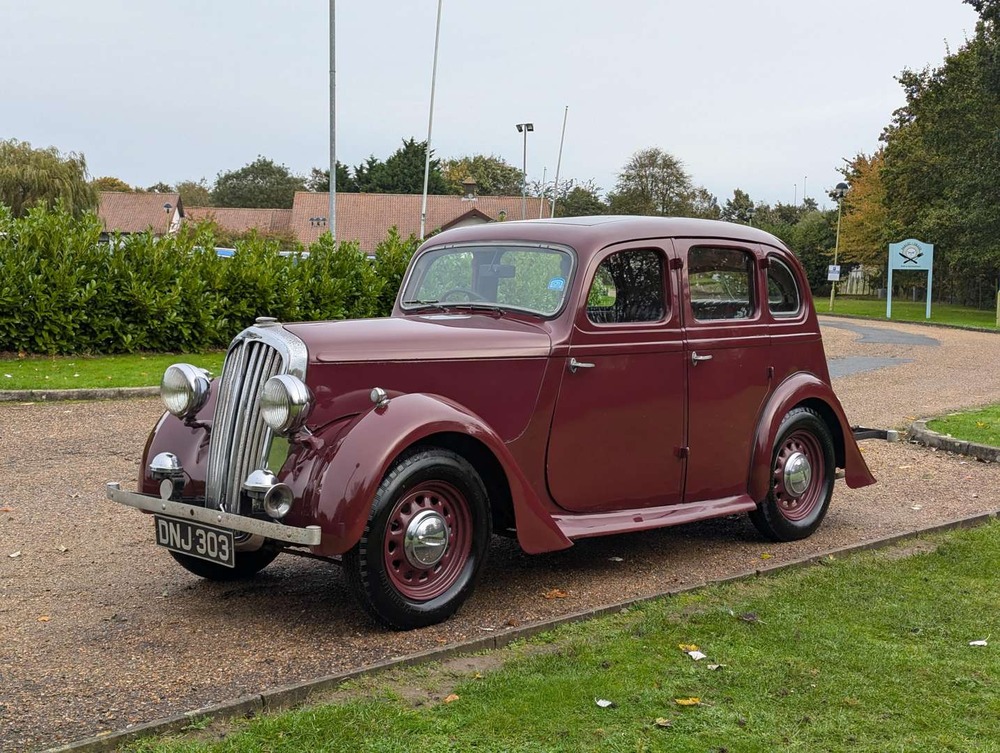
Singer Super Ten
The Rev Dodgson said:
Bubblecar said:
Publicity snap of the 1935 Singer Airstream, one of the futuristic designs of Captain Douglas Fitzmaurice.Billed as The Car of Tomorrow – Today, sales were poor and it soon became the car of yesterday.
First family car, bought when I was about 5, was one of these:
Singer Super Ten
:)
More subdued styling there, but still a little Art Deco influence. They were fine cars.
Bubblecar said:
The Rev Dodgson said:
Bubblecar said:
Publicity snap of the 1935 Singer Airstream, one of the futuristic designs of Captain Douglas Fitzmaurice.Billed as The Car of Tomorrow – Today, sales were poor and it soon became the car of yesterday.
First family car, bought when I was about 5, was one of these:
Singer Super Ten
:)
More subdued styling there, but still a little Art Deco influence. They were fine cars.
… except for needing to have a kid in the back to bang on the top of the side pillar, to make the left-hand indicator come out :)
The Rev Dodgson said:
Bubblecar said:
The Rev Dodgson said:First family car, bought when I was about 5, was one of these:
Singer Super Ten
:)
More subdued styling there, but still a little Art Deco influence. They were fine cars.
… except for needing to have a kid in the back to bang on the top of the side pillar, to make the left-hand indicator come out :)
Sluggish trafficator :)
The Rev Dodgson said:
Bubblecar said:
Publicity snap of the 1935 Singer Airstream, one of the futuristic designs of Captain Douglas Fitzmaurice.Billed as The Car of Tomorrow – Today, sales were poor and it soon became the car of yesterday.
First family car, bought when I was about 5, was one of these:
Singer Super Ten
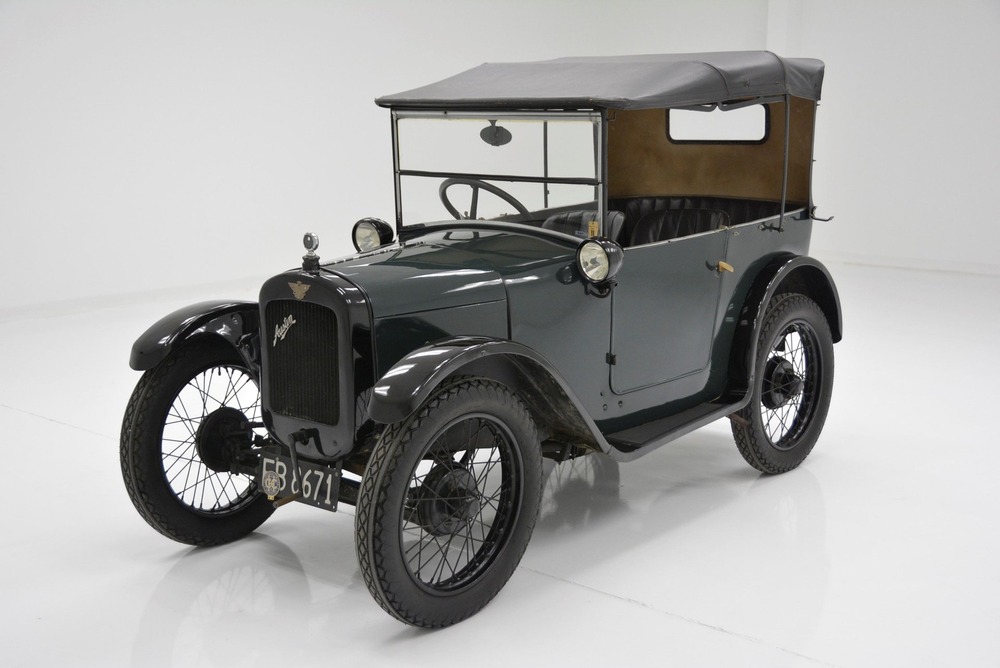
Our first family car was one of these, a 1927 Austin 7 Chummy. Dad bought two that weren’t running – one for 5 pounds and the other for 15 pounds. He built one running car. The hood and bows were unserviceable, so he made a plywood top and back with a timber frame that he hung the side curtains from. The first trip was from Wagga to Sydney, a distance of 303 miles with considerable dirt road then. It took 23 hours in December 1954. My travel crib apparently fitted in the back. There was no back seat.
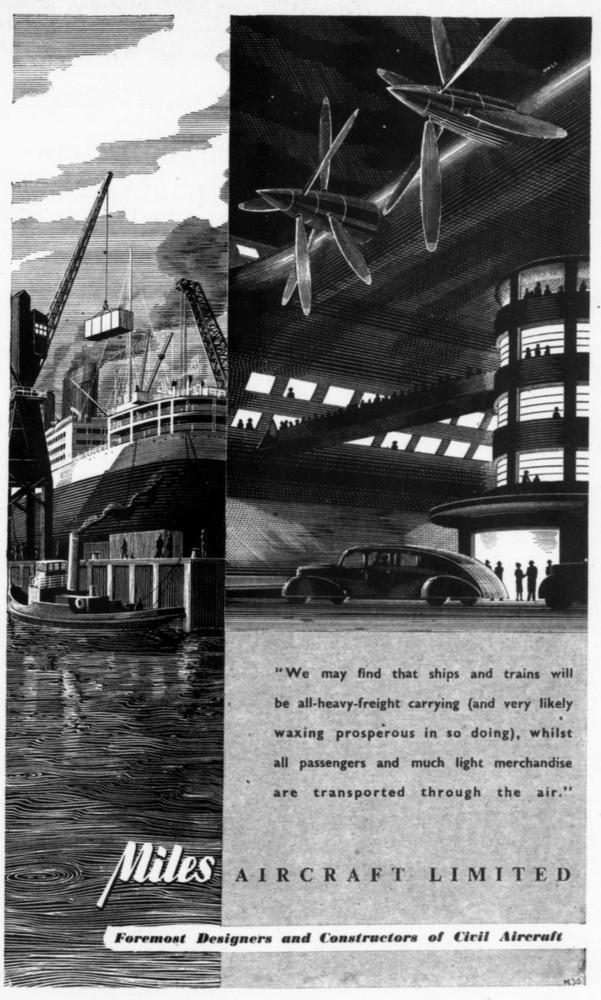
Evocative advertisement from Miles Aircraft, 1944. This innovative firm was based in my home town of Reading, Berkshire.
Sadly the bright future they expected came to to nothing for themselves, as they were defunct by 1947.
Bubblecar said:
Evocative advertisement from Miles Aircraft, 1944. This innovative firm was based in my home town of Reading, Berkshire.Sadly the bright future they expected came to to nothing for themselves, as they were defunct by 1947.
One of the greatest mistakes in aviation was the British government cancelling the Miles M.52 project.
The first manned supersonic aircraft.
Bubblecar said:
Evocative advertisement from Miles Aircraft, 1944. This innovative firm was based in my home town of Reading, Berkshire.Sadly the bright future they expected came to to nothing for themselves, as they were defunct by 1947.
It is pretty much what happened.
Spiny Norman said:
Bubblecar said:
Evocative advertisement from Miles Aircraft, 1944. This innovative firm was based in my home town of Reading, Berkshire.Sadly the bright future they expected came to to nothing for themselves, as they were defunct by 1947.
One of the greatest mistakes in aviation was the British government cancelling the Miles M.52 project.
The first manned supersonic aircraft.
Ta:
https://en.wikipedia.org/wiki/Miles_M.52
party_pants said:
Bubblecar said:
Evocative advertisement from Miles Aircraft, 1944. This innovative firm was based in my home town of Reading, Berkshire.Sadly the bright future they expected came to to nothing for themselves, as they were defunct by 1947.
It is pretty much what happened.
Well, not really. Britain’s railways for example carry far less freight than they did in those days.
Bubblecar said:
party_pants said:
Bubblecar said:
Evocative advertisement from Miles Aircraft, 1944. This innovative firm was based in my home town of Reading, Berkshire.Sadly the bright future they expected came to to nothing for themselves, as they were defunct by 1947.
It is pretty much what happened.
Well, not really. Britain’s railways for example carry far less freight than they did in those days.
I was thinking globally, not Britain. Somewhere around 80-90% of all global trade goes by ship. Passengers and high value cargo go by air. Rail is caught a bit betwixt and between, given how hard it is to compete with road haulage. China are talking about long rail connections to their west.
party_pants said:
Bubblecar said:
party_pants said:It is pretty much what happened.
Well, not really. Britain’s railways for example carry far less freight than they did in those days.
I was thinking globally, not Britain. Somewhere around 80-90% of all global trade goes by ship. Passengers and high value cargo go by air. Rail is caught a bit betwixt and between, given how hard it is to compete with road haulage. China are talking about long rail connections to their west.
Fair enough.


Fresh air was once considered an important treatment for tuberculosis. Patients at St Thomas’ Hospital were wheeled outside in their beds onto where they rested in the open air and sunshine. 1935
Spiny Norman said:
Fresh air was once considered an important treatment for tuberculosis. Patients at St Thomas’ Hospital were wheeled outside in their beds onto where they rested in the open air and sunshine. 1935
Yes! There’s a “seat” carved into stone in Deception Bay that is filled when the tide comes in. There’s a plaque saying it was made for Mrs Bancroft. The plaque doesn’t specify which illness but I read elsewhere she was recovering from tuberculosis
Divine Angel said:
Spiny Norman said:
Fresh air was once considered an important treatment for tuberculosis. Patients at St Thomas’ Hospital were wheeled outside in their beds onto where they rested in the open air and sunshine. 1935
Yes! There’s a “seat” carved into stone in Deception Bay that is filled when the tide comes in. There’s a plaque saying it was made for Mrs Bancroft. The plaque doesn’t specify which illness but I read elsewhere she was recovering from tuberculosis
Interesting, ta.


