Date: 17/11/2014 20:46:32
From: mollwollfumble
ID: 629444
Subject: Ant question
Do we have an ant expert on the forum?
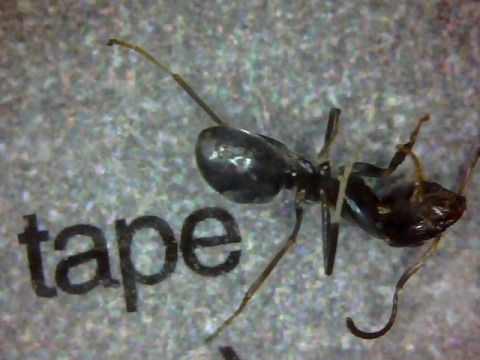
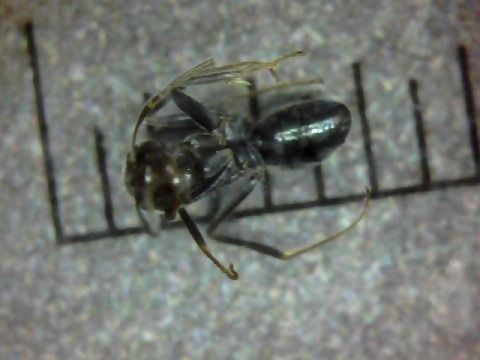
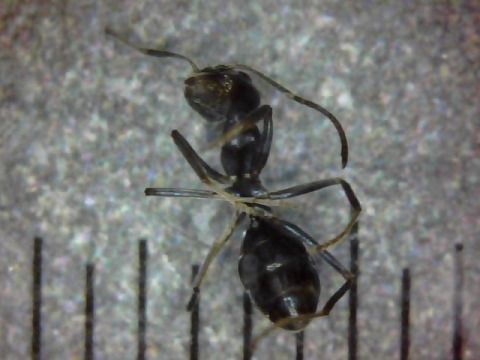
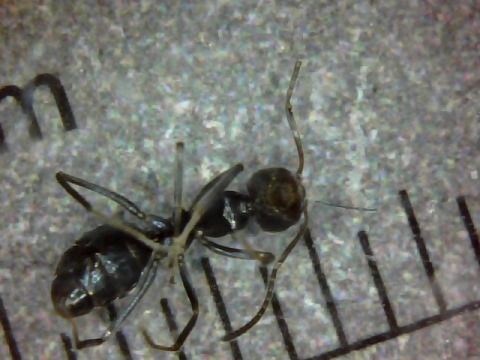
I’m having trouble distinguishing between ant species here. The best I’ve been able to do is to separate them by body length into:
Black ants 2mm, 3mm, 4mm, 6mm, 8mm, 10mm, 12mm
and
Sugar ants
and
Flying ants
They’re annoyingly difficult to photograph, too. It’s no good focussing on where they are because they move out of shot too fast, and it’s no good focussing on where I think they will go because the usually don’t end up going there.
Given that there are about 985 different ant species in Australia, how does an expert tell them apart?
Date: 17/11/2014 20:52:20
From: dv
ID: 629449
Subject: re: Ant question
mollwollfumble said:
Do we have an ant expert on the forum?
I’m having trouble distinguishing between ant species here. The best I’ve been able to do is to separate them by body length into:
Black ants 2mm, 3mm, 4mm, 6mm, 8mm, 10mm, 12mm
and
Sugar ants
and
Flying ants
They’re annoyingly difficult to photograph, too. It’s no good focussing on where they are because they move out of shot too fast, and it’s no good focussing on where I think they will go because the usually don’t end up going there.
Given that there are about 985 different ant species in Australia, how does an expert tell them apart?
You need pretty good specialised photographic gear to get decent images of ants, and such will be needed to distinguish them by the relative lengths and shapes of their segments and limbs etc.
Date: 17/11/2014 21:51:36
From: Teleost
ID: 629487
Subject: re: Ant question
mollwollfumble said:
Do we have an ant expert on the forum?
I’m having trouble distinguishing between ant species here. The best I’ve been able to do is to separate them by body length into:
Black ants 2mm, 3mm, 4mm, 6mm, 8mm, 10mm, 12mm
and
Sugar ants
and
Flying ants
They’re annoyingly difficult to photograph, too. It’s no good focussing on where they are because they move out of shot too fast, and it’s no good focussing on where I think they will go because the usually don’t end up going there.
Given that there are about 985 different ant species in Australia, how does an expert tell them apart?
Ask ant you shall receive!
I’ve been anting for a while now. However my knowledge is quite restricted in terms of geographic range. Last time I went to Brisvegas I was reaching for a vial every few minutes whereas in Cairns It is very rare that I come across an ant I haven’t seen before.
When you say “flying ants” do you mean queens and males on nuptial flights? After they mate, commonly the males die and the queen bites off her wings and starts a new colony. The ones you see flying are called aletes.
Black ants can be difficult to ID. Especially the smaller ones. In my work they’re usually labelled as LBA (Little Black Ants). Your “Sugar ants” could be anything from Tapinomas to Camponotus. A good description of the ants and their preferred habitat will also help with ID. I can usually tell what types of ant a client has by eliciting a good description of size, colour, behaviour, location and habitat. In my previous position the team used to make bets on the likely candidates en-route to the client’s property :)
Without a microscope you really do have a bit of a task. Almost anything under 3 mm requires some careful observation of morphology., Going to species is also a fairly heavy duty task.
If you can post descriptions or photos, I may be able to suggest some genera to take a look at. I mainly know the various red and brown ants as they’re the ones that most resemble the invasive species.
In Queensland, you can send a sample to Biosecurity Qld. They’ll ID it as part of their ongoing eradication campaigns for Electric and Red Imported Fire Ants.
CSIRO have an excellent online key http://anic.ento.csiro.au/ants/key.aspx?KeyID=30 based from the keys in Shattuck http://www.publish.csiro.au/pid/503.htm which is the bible for Australian ant ID.
If you want to produce data for ant research and have some kids in the neighbourhood School of Ants is cool http://schoolofants.net.au/
For some beautiful ant photography and knowledge, have a look at Alex Wild’s blog http://www.myrmecos.net/
Date: 18/11/2014 00:00:18
From: Carmen_Sandiego
ID: 629509
Subject: re: Ant question
Guessing you know this site, Molly?
http://anic.ento.csiro.au/ants/identification.aspx
Date: 18/11/2014 07:09:10
From: ms spock
ID: 629520
Subject: re: Ant question
Carmen_Sandiego said:
Guessing you know this site, Molly?
http://anic.ento.csiro.au/ants/identification.aspx
****watches as the ghost of glowie wanders through the forum*****
Date: 18/11/2014 13:03:40
From: mollwollfumble
ID: 629767
Subject: re: Ant question
Teleost said:
Ask ant you shall receive!
I’ve been anting for a while now. However my knowledge is quite restricted in terms of geographic range. Last time I went to Brisvegas I was reaching for a vial every few minutes whereas in Cairns It is very rare that I come across an ant I haven’t seen before.
When you say “flying ants” do you mean queens and males on nuptial flights? After they mate, commonly the males die and the queen bites off her wings and starts a new colony. The ones you see flying are called aletes.
Black ants can be difficult to ID. Especially the smaller ones. In my work they’re usually labelled as LBA (Little Black Ants). Your “Sugar ants” could be anything from Tapinomas to Camponotus. A good description of the ants and their preferred habitat will also help with ID. I can usually tell what types of ant a client has by eliciting a good description of size, colour, behaviour, location and habitat. In my previous position the team used to make bets on the likely candidates en-route to the client’s property :)
Without a microscope you really do have a bit of a task. Almost anything under 3 mm requires some careful observation of morphology., Going to species is also a fairly heavy duty task.
If you can post descriptions or photos, I may be able to suggest some genera to take a look at. I mainly know the various red and brown ants as they’re the ones that most resemble the invasive species.
In Queensland, you can send a sample to Biosecurity Qld. They’ll ID it as part of their ongoing eradication campaigns for Electric and Red Imported Fire Ants.
CSIRO have an excellent online key http://anic.ento.csiro.au/ants/key.aspx?KeyID=30 based from the keys in Shattuck http://www.publish.csiro.au/pid/503.htm which is the bible for Australian ant ID.
If you want to produce data for ant research and have some kids in the neighbourhood School of Ants is cool http://schoolofants.net.au/
For some beautiful ant photography and knowledge, have a look at Alex Wild’s blog http://www.myrmecos.net/
> When you say “flying ants” do you mean queens and males on nuptial flights?
Yep. Though not seen this past fortnight.
> If you can post descriptions or photos, I may be able to suggest some genera to take a look at
Will do! I have a dozen or so ant photographs that I’ll post here. Of greatly varying quality. These were all photographed live with video camera so I couldn’t get great resolution.
I’m just starting to take photos of dead insects with a USB camera. Does not give great resolution either but I did manage to expand a 0.75 mm long thrips to about 5 pixels so at best 0.15 mm per pixel. Let me check that another way – 640 pixels is about 10 mm which translates to 0.15 mm per pixel. Whadda ya know, they agree.
Thanks for the web ID guides – will look through them.
Date: 18/11/2014 16:41:44
From: Ian
ID: 629931
Subject: re: Ant question
Here is a good page on Australian ants
We have a fairly wide assortment of ants around here including Green-head ants, Banded sugar ants, and Red bull ants.
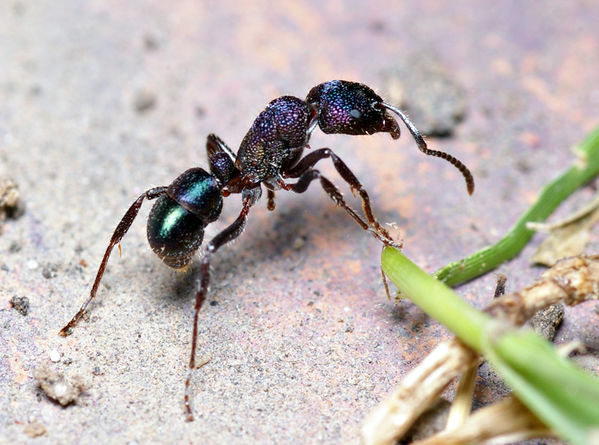
These Green-head ants are a favourite (not) of mine as they are plentiful and have a very painful sting.

I have had a Red bull ant chase me down the road…
“As one of the largest of ant species, adult individuals have been observed to be as long as 15 mm to 30 mm in body length. The head and thorax are typically coloured red-brown; the rear half of the abdomen is black and the mandibles brown-yellow. Adults characteristically possess the long, powerful serrated mandibles and a venom-laced sting capable of causing severe pain for a couple of days. Unlike most other ant species, red bull ants lack the ability of chemical senses; however, this is compensated by their extremely keen vision, with which they can spot and respond to intruders two metres away.”
wiki
Date: 18/11/2014 16:55:40
From: PermeateFree
ID: 629939
Subject: re: Ant question
Ian said:
Here is a good page on Australian ants
We have a fairly wide assortment of ants around here including Green-head ants, Banded sugar ants, and Red bull ants.
These Green-head ants are a favourite (not) of mine as they are plentiful and have a very painful sting.
I have had a Red bull ant chase me down the road…
“As one of the largest of ant species, adult individuals have been observed to be as long as 15 mm to 30 mm in body length. The head and thorax are typically coloured red-brown; the rear half of the abdomen is black and the mandibles brown-yellow. Adults characteristically possess the long, powerful serrated mandibles and a venom-laced sting capable of causing severe pain for a couple of days. Unlike most other ant species, red bull ants lack the ability of chemical senses; however, this is compensated by their extremely keen vision, with which they can spot and respond to intruders two metres away.”
wiki
Bull ants are not aggressive ants, only curios. They approach anything different in their environment in order to check it out, which if dangerous to them, they will back off, or simply go about their business. Being able to access such encounters intelligently is vastly different to the unprovoked mass attack one gets from smaller meat eating species. Personally I like these big fellows as you can interact with them.
Date: 18/11/2014 16:58:44
From: PermeateFree
ID: 629940
Subject: re: Ant question
Date: 18/11/2014 17:01:09
From: Tamb
ID: 629942
Subject: re: Ant question
PermeateFree said:
Ian said:
Here is a good page on Australian ants
We have a fairly wide assortment of ants around here including Green-head ants, Banded sugar ants, and Red bull ants.
These Green-head ants are a favourite (not) of mine as they are plentiful and have a very painful sting.
I have had a Red bull ant chase me down the road…
“As one of the largest of ant species, adult individuals have been observed to be as long as 15 mm to 30 mm in body length. The head and thorax are typically coloured red-brown; the rear half of the abdomen is black and the mandibles brown-yellow. Adults characteristically possess the long, powerful serrated mandibles and a venom-laced sting capable of causing severe pain for a couple of days. Unlike most other ant species, red bull ants lack the ability of chemical senses; however, this is compensated by their extremely keen vision, with which they can spot and respond to intruders two metres away.”
wiki
Bull ants are not aggressive ants, only curios. They approach anything different in their environment in order to check it out, which if dangerous to them, they will back off, or simply go about their business. Being able to access such encounters intelligently is vastly different to the unprovoked mass attack one gets from smaller meat eating species. Personally I like these big fellows as you can interact with them.
Do you have jumping ants?
The jumper ant, Myrmecia nigrocincta (length 12-17 mm) is a distinctive black and reddish-brown species with yellowish jaws. It is most common in moist open forest and rainforest edges in eastern coastal Australia, from the Wet Tropics of northern Queensland to Victoria.

Date: 18/11/2014 17:01:28
From: dv
ID: 629943
Subject: re: Ant question
Date: 18/11/2014 17:04:55
From: PermeateFree
ID: 629944
Subject: re: Ant question
Tamb said:
PermeateFree said:
Ian said:
Here is a good page on Australian ants
We have a fairly wide assortment of ants around here including Green-head ants, Banded sugar ants, and Red bull ants.
These Green-head ants are a favourite (not) of mine as they are plentiful and have a very painful sting.
I have had a Red bull ant chase me down the road…
“As one of the largest of ant species, adult individuals have been observed to be as long as 15 mm to 30 mm in body length. The head and thorax are typically coloured red-brown; the rear half of the abdomen is black and the mandibles brown-yellow. Adults characteristically possess the long, powerful serrated mandibles and a venom-laced sting capable of causing severe pain for a couple of days. Unlike most other ant species, red bull ants lack the ability of chemical senses; however, this is compensated by their extremely keen vision, with which they can spot and respond to intruders two metres away.”
wiki
Bull ants are not aggressive ants, only curios. They approach anything different in their environment in order to check it out, which if dangerous to them, they will back off, or simply go about their business. Being able to access such encounters intelligently is vastly different to the unprovoked mass attack one gets from smaller meat eating species. Personally I like these big fellows as you can interact with them.
Do you have jumping ants?
The jumper ant, Myrmecia nigrocincta (length 12-17 mm) is a distinctive black and reddish-brown species with yellowish jaws. It is most common in moist open forest and rainforest edges in eastern coastal Australia, from the Wet Tropics of northern Queensland to Victoria.
Not encountered that particular species, but others closely related and they are the rotters of the ant world. Awfully bloody things that attack without warning, closely accompanied by their mates.
Date: 18/11/2014 17:09:08
From: Tamb
ID: 629946
Subject: re: Ant question
PermeateFree said:
Tamb said:
PermeateFree said:
Bull ants are not aggressive ants, only curios. They approach anything different in their environment in order to check it out, which if dangerous to them, they will back off, or simply go about their business. Being able to access such encounters intelligently is vastly different to the unprovoked mass attack one gets from smaller meat eating species. Personally I like these big fellows as you can interact with them.
Do you have jumping ants?
The jumper ant, Myrmecia nigrocincta (length 12-17 mm) is a distinctive black and reddish-brown species with yellowish jaws. It is most common in moist open forest and rainforest edges in eastern coastal Australia, from the Wet Tropics of northern Queensland to Victoria.
!http://www.qm.qld.gov.au/Find+out+about/Animals+of+Queensland/Insects/Ants/Common+species/~/media/5DEF35473A854327A8A21541A7E379E8.jpg?w=300&h=209&as=1
Not encountered that particular species, but others closely related and they are the rotters of the ant world. Awfully bloody things that attack without warning, closely accompanied by their mates.
It’s the jumping that gets people. You think you’re safe, then Ouchie. They hang on & keep pumping the poison in.
Date: 18/11/2014 17:14:49
From: PermeateFree
ID: 629948
Subject: re: Ant question
Tamb said:
PermeateFree said:
Tamb said:
Do you have jumping ants?
The jumper ant, Myrmecia nigrocincta (length 12-17 mm) is a distinctive black and reddish-brown species with yellowish jaws. It is most common in moist open forest and rainforest edges in eastern coastal Australia, from the Wet Tropics of northern Queensland to Victoria.
!http://www.qm.qld.gov.au/Find+out+about/Animals+of+Queensland/Insects/Ants/Common+species/~/media/5DEF35473A854327A8A21541A7E379E8.jpg?w=300&h=209&as=1
Not encountered that particular species, but others closely related and they are the rotters of the ant world. Awfully bloody things that attack without warning, closely accompanied by their mates.
It’s the jumping that gets people. You think you’re safe, then Ouchie. They hang on & keep pumping the poison in.
There was a small group of us in the bush and one poor sod accidently stood on one of their nests. They climbed to as far as his neck before he knew it (both inside and outside his clothing), then apparently on command began to sting. Never seen anyone get out of their clothes so quickly, but he was still badly stung.
Date: 18/11/2014 17:18:14
From: Tamb
ID: 629949
Subject: re: Ant question
PermeateFree said:
Tamb said:
PermeateFree said:
Not encountered that particular species, but others closely related and they are the rotters of the ant world. Awfully bloody things that attack without warning, closely accompanied by their mates.
It’s the jumping that gets people. You think you’re safe, then Ouchie. They hang on & keep pumping the poison in.
There was a small group of us in the bush and one poor sod accidently stood on one of their nests. They climbed to as far as his neck before he knew it (both inside and outside his clothing), then apparently on command began to sting. Never seen anyone get out of their clothes so quickly, but he was still badly stung.
They can bite through tee shirt cloth with ease.
I have a few nests in the back yard but we maintain a state of armed neutrality.
Date: 18/11/2014 17:20:44
From: PermeateFree
ID: 629950
Subject: re: Ant question
Tamb said:
PermeateFree said:
Tamb said:
It’s the jumping that gets people. You think you’re safe, then Ouchie. They hang on & keep pumping the poison in.
There was a small group of us in the bush and one poor sod accidently stood on one of their nests. They climbed to as far as his neck before he knew it (both inside and outside his clothing), then apparently on command began to sting. Never seen anyone get out of their clothes so quickly, but he was still badly stung.
They can bite through tee shirt cloth with ease.
I have a few nests in the back yard but we maintain a state of armed neutrality.
Yeah, doesn’t take long to learn to avoid their area.
Date: 18/11/2014 17:25:39
From: Ian
ID: 629952
Subject: re: Ant question
No jumping ants here.
As for the big red ants, I’ll send all mine to you PE since you like them so much.
Date: 18/11/2014 17:27:47
From: PermeateFree
ID: 629954
Subject: re: Ant question
Ian said:
No jumping ants here.
As for the big red ants, I’ll send all mine to you PE since you like them so much.
Always happy to see them. You will only get stung if you sit on them. Real gentlemen.
Date: 18/11/2014 17:31:44
From: Tamb
ID: 629957
Subject: re: Ant question
PermeateFree said:
Ian said:
No jumping ants here.
As for the big red ants, I’ll send all mine to you PE since you like them so much.
Always happy to see them. You will only get stung if you sit on them. Real gentlemen.
Arte they the ones people call meat ants? They look like an overweight bull ant but are very gentle.
Date: 18/11/2014 17:38:49
From: PermeateFree
ID: 629964
Subject: re: Ant question
Tamb said:
PermeateFree said:
Ian said:
No jumping ants here.
As for the big red ants, I’ll send all mine to you PE since you like them so much.
Always happy to see them. You will only get stung if you sit on them. Real gentlemen.
Arte they the ones people call meat ants? They look like an overweight bull ant but are very gentle.
Don’t know the ant you mean, any pics?
Date: 18/11/2014 17:41:20
From: AwesomeO
ID: 629966
Subject: re: Ant question
Tamb said:
PermeateFree said:
Ian said:
No jumping ants here.
As for the big red ants, I’ll send all mine to you PE since you like them so much.
Always happy to see them. You will only get stung if you sit on them. Real gentlemen.
Arte they the ones people call meat ants? They look like an overweight bull ant but are very gentle.
Gentle? They may not sting but put a foot wrong they swarm in an instant and will bite crap out of you.
Date: 18/11/2014 17:45:03
From: PermeateFree
ID: 629969
Subject: re: Ant question
AwesomeO said:
Tamb said:
PermeateFree said:
Always happy to see them. You will only get stung if you sit on them. Real gentlemen.
Arte they the ones people call meat ants? They look like an overweight bull ant but are very gentle.
Gentle? They may not sting but put a foot wrong they swarm in an instant and will bite crap out of you.
They are never in large numbers and forage on their own. However the jumpers that are about half their size are the complete opposite.
Date: 18/11/2014 17:47:46
From: AwesomeO
ID: 629970
Subject: re: Ant question
PermeateFree said:
AwesomeO said:
Tamb said:
Arte they the ones people call meat ants? They look like an overweight bull ant but are very gentle.
Gentle? They may not sting but put a foot wrong they swarm in an instant and will bite crap out of you.
They are never in large numbers and forage on their own. However the jumpers that are about half their size are the complete opposite.
Must be different terminology then, meat ants here make nests that can be up to 24cm round, completely cleared of vegetation, twigs and leaves, and the dirt from the underground tunnels appears as little soil marbles. Step anywhere near the nest and they boil out in huge numbers in atack mode.
Date: 18/11/2014 17:49:10
From: Bubblecar
ID: 629971
Subject: re: Ant question
I’m enjoying exploring that city, AwesomeO. It’s very nicely designed. Lovely textures and light effects etc at highest resolution on this big monitor. Quite a revelation compared with older games and less powerful graphics cards.
Date: 18/11/2014 17:49:26
From: Bubblecar
ID: 629972
Subject: re: Ant question
Date: 18/11/2014 17:53:58
From: PermeateFree
ID: 629978
Subject: re: Ant question
AwesomeO said:
PermeateFree said:
AwesomeO said:
Gentle? They may not sting but put a foot wrong they swarm in an instant and will bite crap out of you.
They are never in large numbers and forage on their own. However the jumpers that are about half their size are the complete opposite.
Must be different terminology then, meat ants here make nests that can be up to 24cm round, completely cleared of vegetation, twigs and leaves, and the dirt from the underground tunnels appears as little soil marbles. Step anywhere near the nest and they boil out in huge numbers in atack mode.
No that is a very different ant with different jaws and yes they live in very large colonies. In summer I often feed them squatted March Flies, which they love and quickly drag them down their tunnels, but I certainly would not stand on their nest. They seem to be easy to avoid as they form long cleared pathways to areas where they collect their food.
Date: 18/11/2014 17:57:08
From: AwesomeO
ID: 629983
Subject: re: Ant question
PermeateFree said:
AwesomeO said:
PermeateFree said:
They are never in large numbers and forage on their own. However the jumpers that are about half their size are the complete opposite.
Must be different terminology then, meat ants here make nests that can be up to 24cm round, completely cleared of vegetation, twigs and leaves, and the dirt from the underground tunnels appears as little soil marbles. Step anywhere near the nest and they boil out in huge numbers in atack mode.
No that is a very different ant with different jaws and yes they live in very large colonies. In summer I often feed them squatted March Flies, which they love and quickly drag them down their tunnels, but I certainly would not stand on their nest. They seem to be easy to avoid as they form long cleared pathways to areas where they collect their food.
Yes that’s the one. I have a big colony under my cherry plum and you can see the trails they make.
Date: 18/11/2014 17:58:25
From: JudgeMental
ID: 629984
Subject: re: Ant question
that is what people around here call meat ants too Awesome0. one of the problems with ‘common” names.
Date: 18/11/2014 18:03:57
From: PermeateFree
ID: 629989
Subject: re: Ant question
AwesomeO said:
PermeateFree said:
AwesomeO said:
Must be different terminology then, meat ants here make nests that can be up to 24cm round, completely cleared of vegetation, twigs and leaves, and the dirt from the underground tunnels appears as little soil marbles. Step anywhere near the nest and they boil out in huge numbers in atack mode.
No that is a very different ant with different jaws and yes they live in very large colonies. In summer I often feed them squatted March Flies, which they love and quickly drag them down their tunnels, but I certainly would not stand on their nest. They seem to be easy to avoid as they form long cleared pathways to areas where they collect their food.
Yes that’s the one. I have a big colony under my cherry plum and you can see the trails they make.
Last year I had one nest near my fruit trees, which I decided to leave alone, as I had been bothered by a small ant boring holes into the fruit to then carry off the ripe flesh. I was right to do so, as I did not have a single problem with them thanks to these meat ants.
Date: 18/11/2014 18:05:03
From: Ian
ID: 629992
Subject: re: Ant question
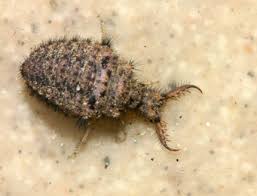
I like to look after my Ant lions by feeding them green ants :)
Date: 18/11/2014 18:05:09
From: PermeateFree
ID: 629993
Subject: re: Ant question
JudgeMental said:
that is what people around here call meat ants too Awesome0. one of the problems with ‘common” names.
I don’t think these meat ants sting, although they have strong jaws to bite.
Date: 18/11/2014 18:06:06
From: PermeateFree
ID: 629994
Subject: re: Ant question
Ian said:
I like to look after my Ant lions by feeding them green ants :)
Yes they’re cuties too.
Date: 18/11/2014 18:06:18
From: JudgeMental
ID: 629995
Subject: re: Ant question
yeah more bitey. don’t really hurt just annoying.
Date: 18/11/2014 18:10:15
From: Bubblecar
ID: 630000
Subject: re: Ant question
Wish I a had a predator to eat all my elm beetles. The new leaves aren’t fully grown and they’re already full of holes. Must be hundreds of thousands of beetles on them (there are dozens of elms, all presumably daughters of the big mother elm).
Date: 18/11/2014 18:27:47
From: PermeateFree
ID: 630013
Subject: re: Ant question
Bubblecar said:
Wish I a had a predator to eat all my elm beetles. The new leaves aren’t fully grown and they’re already full of holes. Must be hundreds of thousands of beetles on them (there are dozens of elms, all presumably daughters of the big mother elm).
That’s how Europe lost her Elm Trees. Does not look good for the species, as I think Australia was one of the last refuges for them. Do you know what is happening on the mainland regarding these beetles?
Date: 18/11/2014 18:37:44
From: PermeateFree
ID: 630024
Subject: re: Ant question
PermeateFree said:
Bubblecar said:
Wish I a had a predator to eat all my elm beetles. The new leaves aren’t fully grown and they’re already full of holes. Must be hundreds of thousands of beetles on them (there are dozens of elms, all presumably daughters of the big mother elm).
That’s how Europe lost her Elm Trees. Does not look good for the species, as I think Australia was one of the last refuges for them. Do you know what is happening on the mainland regarding these beetles?
Seems like the mainland Dutch Elms are just holding their own, but only by various government funded management.
>>Although elms in Australia exist far away from their natural habitat and associated pest and disease problems, a few problematic insect species have managed to infiltrate Australia’s strict quarantine defences . The Elm Leaf Beetle was first discovered on the Mornington Peninsula in 1989 and had spread to the City of Melbourne by 1991. The beetles have caused significant damage to elm species since that time, although the City of Melbourne keeps them in check with a regular spraying regime. Another less serious insect pest is the Elm Tree Leafhopper, which causes speckling of leaves resulting in a silvery appearance.
Unlike most other countries that have elm trees, Australia has not yet been subjected to Dutch Elm Disease, although the vector of the disease, the Elm Bark Beetle, was first officially recorded in Melbourne in 1974. The City of Melbourne and the Victorian State Government have jointly developed a Dutch elm disease contingency plan in case of an outbreak.
Other diseases include Bacterial Wetwood, various viral and fungal diseases, cankers including Coral Spot, and root diseases caused by Cinnamon Fungus or Honey Fungus.<<
Date: 18/11/2014 18:39:00
From: AwesomeO
ID: 630026
Subject: re: Ant question
Every few years the council injects something into the roots of the elms around here. The streets have a rather magnificent treescape.
Date: 18/11/2014 18:42:42
From: Bubblecar
ID: 630027
Subject: re: Ant question
I think there’s a spray treatment available here but the owner’s shown no interest in paying for it so far. I’ve no idea how much it costs. Trouble is there are lots of elms on the properties around here so even if I kill off mine, they’d soon be replaced.
Date: 18/11/2014 18:43:40
From: PermeateFree
ID: 630028
Subject: re: Ant question
AwesomeO said:
Every few years the council injects something into the roots of the elms around here. The streets have a rather magnificent treescape.
That might have more to do with fungal diseases, especially the Honey Fungus that spreads via the roots to other trees. There are systemic insecticides, but I doubt they would be used to fend off the beetles, although it would be interesting to know for sure.
Date: 18/11/2014 18:43:40
From: Bubblecar
ID: 630029
Subject: re: Ant question
>Trouble is there are lots of elms on the properties around here so even if I kill off mine, they’d soon be replaced.
Kill off my elm beetles that is, not my elms :)
Date: 18/11/2014 18:44:58
From: AwesomeO
ID: 630031
Subject: re: Ant question
PermeateFree said:
AwesomeO said:
Every few years the council injects something into the roots of the elms around here. The streets have a rather magnificent treescape.
That might have more to do with fungal diseases, especially the Honey Fungus that spreads via the roots to other trees. There are systemic insecticides, but I doubt they would be used to fend off the beetles, although it would be interesting to know for sure.
When I saw the fellow fiddling around with the trees in front of my place I asked him and he said it was for elm disease.
Date: 18/11/2014 18:45:03
From: Dropbear
ID: 630032
Subject: re: Ant question
I’m waiting for Glowie’s answer
Date: 18/11/2014 18:45:06
From: PermeateFree
ID: 630033
Subject: re: Ant question
Bubblecar said:
I think there’s a spray treatment available here but the owner’s shown no interest in paying for it so far. I’ve no idea how much it costs. Trouble is there are lots of elms on the properties around here so even if I kill off mine, they’d soon be replaced.
Yes the problem is overwhelming. I’m sure the Europeans would have done their best too.
Date: 18/11/2014 18:48:23
From: PermeateFree
ID: 630036
Subject: re: Ant question
AwesomeO said:
PermeateFree said:
AwesomeO said:
Every few years the council injects something into the roots of the elms around here. The streets have a rather magnificent treescape.
That might have more to do with fungal diseases, especially the Honey Fungus that spreads via the roots to other trees. There are systemic insecticides, but I doubt they would be used to fend off the beetles, although it would be interesting to know for sure.
When I saw the fellow fiddling around with the trees in front of my place I asked him and he said it was for elm disease.
As my previous post there are a few diseases that attack elm trees. I do know the honey fungus is tackled by injection, as is the die-back fungal disease.
Date: 18/11/2014 19:03:33
From: Teleost
ID: 630054
Subject: re: Ant question
Ian said:
…..Unlike most other ant species, red bull ants lack the ability of chemical senses; however, this is compensated by their extremely keen vision, with which they can spot and respond to intruders two metres away.”
wiki
There was a paper a year or two back that presented evidence that some ants could recognise landmarks and use them to reorient themselves after being moved considerable distances from their nests. They are remarkable creatures.
Date: 18/11/2014 19:07:02
From: AwesomeO
ID: 630058
Subject: re: Ant question
Teleost said:
Ian said:
…..Unlike most other ant species, red bull ants lack the ability of chemical senses; however, this is compensated by their extremely keen vision, with which they can spot and respond to intruders two metres away.”
wiki
There was a paper a year or two back that presented evidence that some ants could recognise landmarks and use them to reorient themselves after being moved considerable distances from their nests. They are remarkable creatures.
When do they eat? I see them dragging stuff away but never eating, do they drag it It into the nest and wait till everyone is gathered around?
Date: 19/11/2014 07:31:26
From: mollwollfumble
ID: 630349
Subject: re: Ant question
Date: 20/11/2014 05:43:35
From: mollwollfumble
ID: 631101
Subject: re: Ant question
Date: 20/11/2014 16:22:49
From: fresnel_chick
ID: 631454
Subject: re: Ant question
Ants proved to be too bothersome for me.
They are especially hard to ID because they are so polymorphic!
There are a few crazy Entos at http://www.bowerbird.org.au/ who are grouse at IDing teensy weensies from the crappiest of photos.
I wish I was that good!!
I’ve decided that bees and cicadas are more my thang…
Date: 20/11/2014 19:45:30
From: mollwollfumble
ID: 631670
Subject: re: Ant question
fresnel_chick said:
Ants proved to be too bothersome for me.
They are especially hard to ID because they are so polymorphic!
There are a few crazy Entos at http://www.bowerbird.org.au/ who are grouse at IDing teensy weensies from the crappiest of photos.
I wish I was that good!!
I’ve decided that bees and cicadas are more my thang…
:-)
How does http://www.bowerbird.org.au/ work? Can anyone supply IDs regardless of ability? Can anyone submit photos?
So long as I have this video camera that does OK shots telephoto and macro it’s likely to be the birds and the bees for me. Since I had two experts on bird ID over to my house to look at my bird pics I can recognise most Aussie birds now. Remarkably, the easiest insects for me to photograph are flies – they tend to stay stock still even when the camera lens is only a centimetre away.
Ducked into Monash Uni Library today and have put a hold on 16 “field guide” type books ranging from “It’s blue with five petals” to a big book on Australian insects. Unfortunately, Monash Uni has finally figured out I’ve retired from CSIRO so has cut off my borrowing privileges. I’ll have to get Miss m to borrow them for me.
2.5 mm long ants seem to be too difficult for me but this weekend I want to drop in on Melbourne General Cemetery to capture some much bigger ants. Ideally I should drop in on the Museum as well to retrieve the specimens I dropped off earlier. Also ideally I should also figure out some way to catch and release the small fish seen off the Wharf of “The Punt”.
Date: 20/11/2014 19:46:10
From: Teleost
ID: 631672
Subject: re: Ant question
I can point you in some sort of direction at least :)
mollwollfumble said:
Ant photos. See if you can figure out IDs for any of these. They are all from Melbourne.
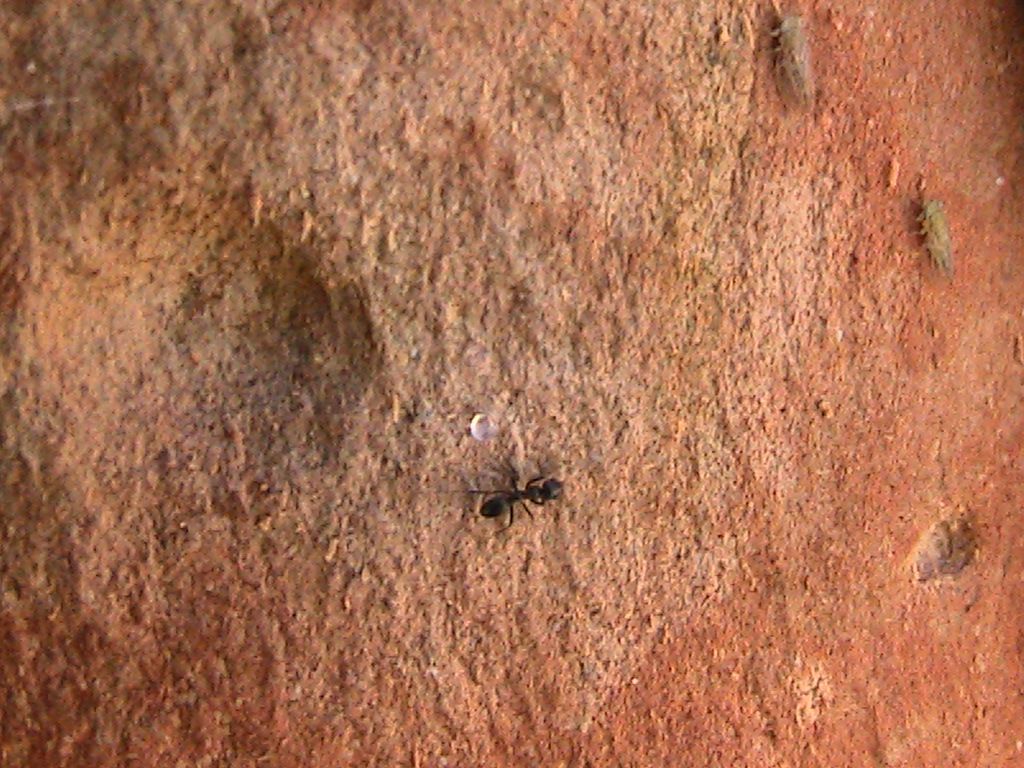
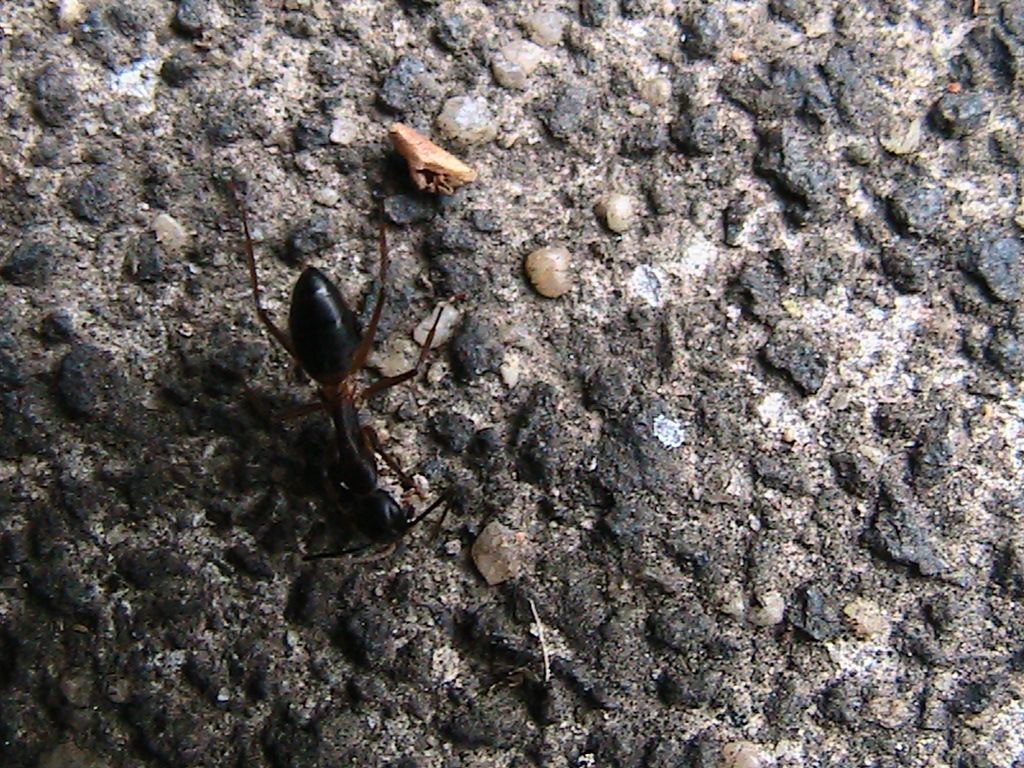

Anything I said for these guys would be a complete guess.
mollwollfumble said:
The next four are “Sugar ants” from Melbourne General Cemetery
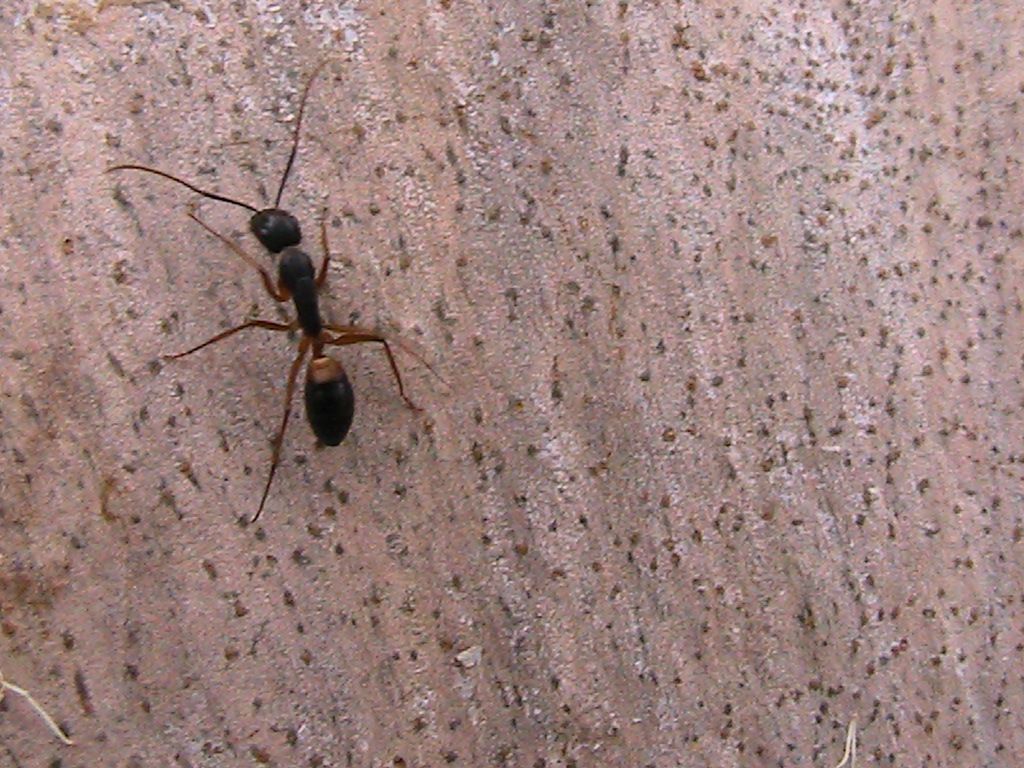
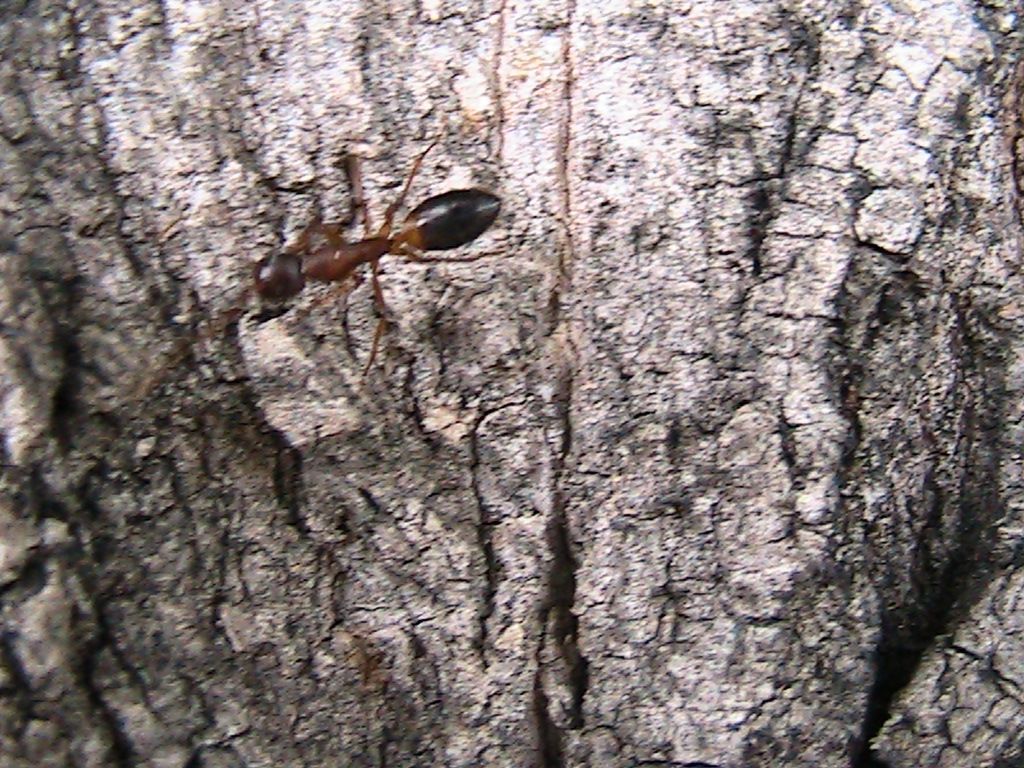
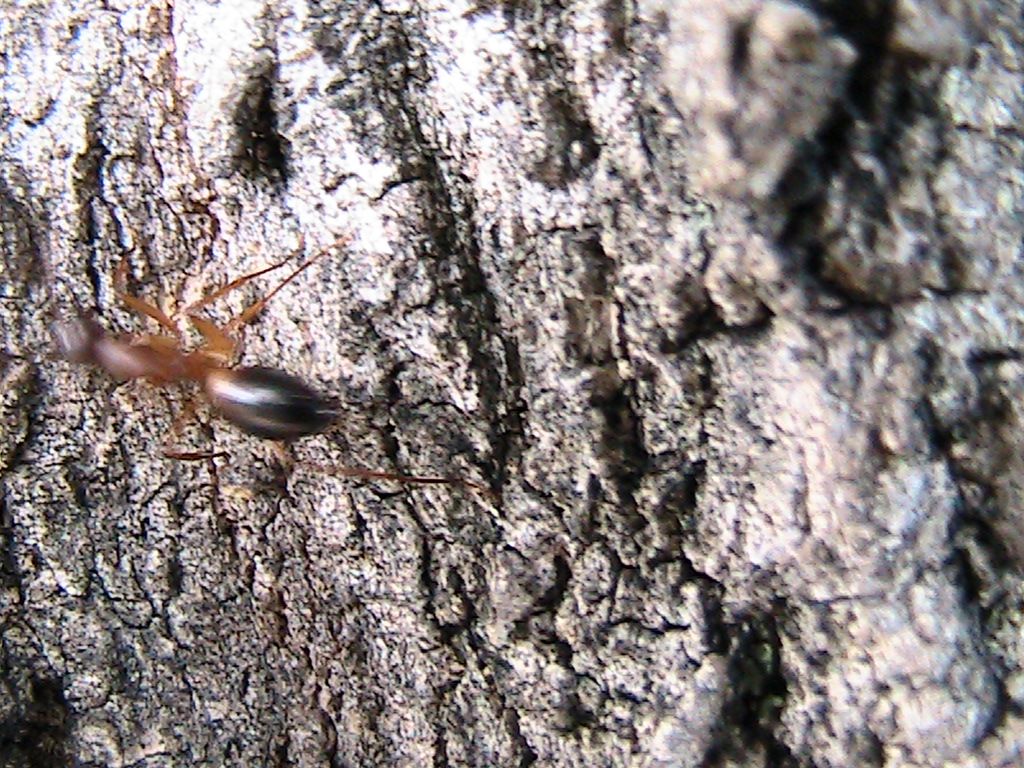
Camponotus sp. AKA sugar ants or carpenter ants. Numerous species in Australia. They tend to nest in rotten or hollow timber leading to the mistaken belief that they kill trees. Often nocturnal. No sting, but can spray formic acid. Love to nest in cardboard boxes.
mollwollfumble said:
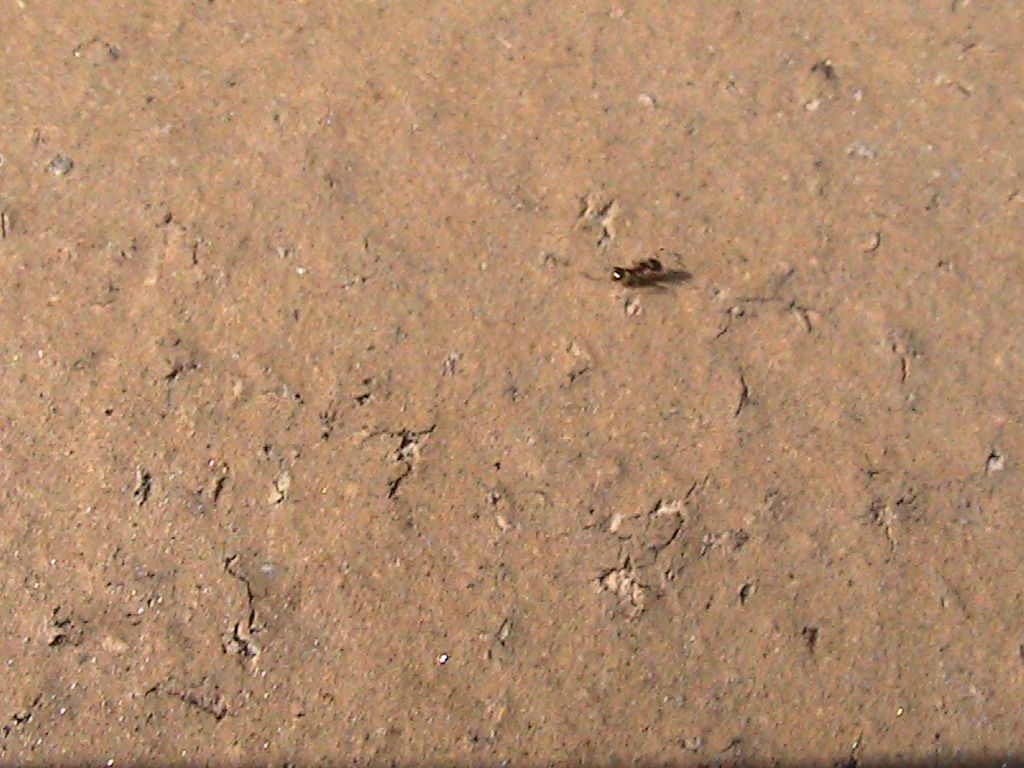
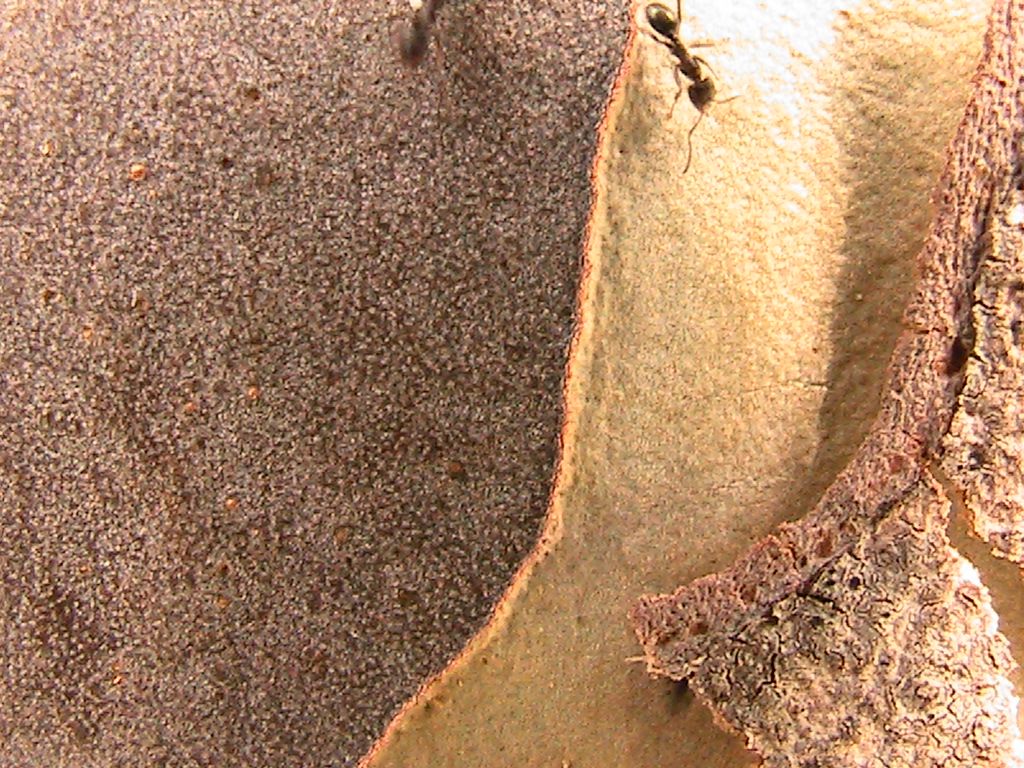
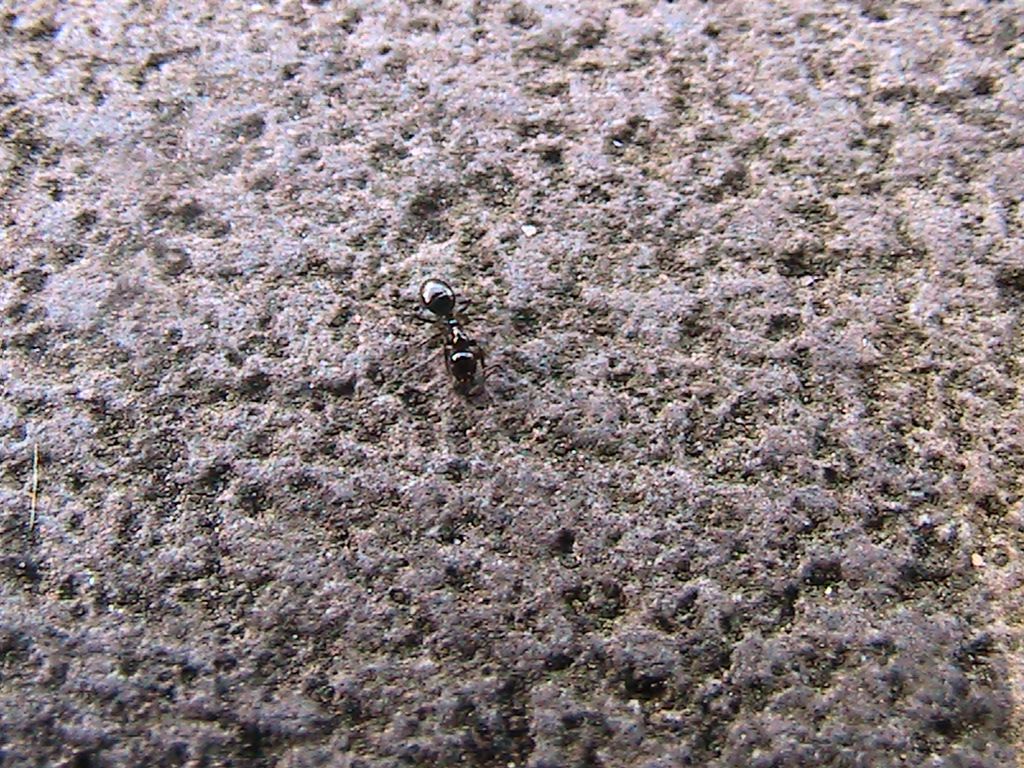
Can’t really help there sorry.
mollwollfumble said:
These last two images are the ants that Mrs mollwollfumble feeds honey to inside our kitchen. They’re actually quite well behaved.
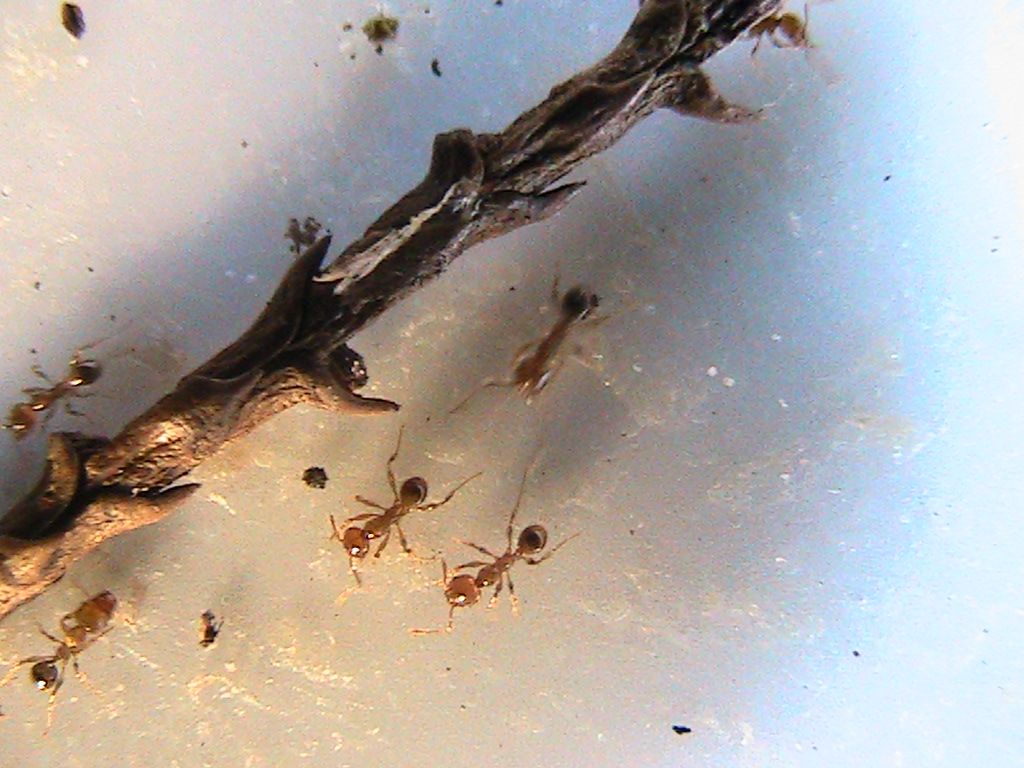
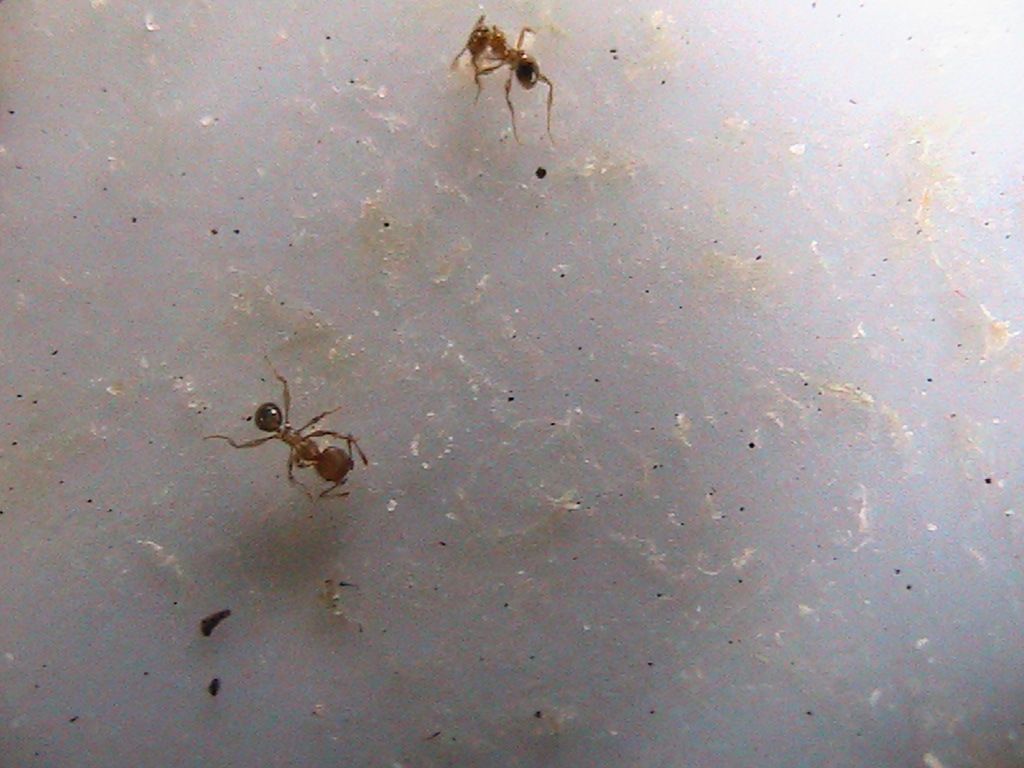
Looks a lot like Pheidole megacephela. Highly invasive, non stinging tramp ant that has been in Aus for decades. It’s more of a problem in the tropics. There are areas around Port Douglas where these guys are the only ants you’ll find.
Date: 20/11/2014 20:04:59
From: fresnel_chick
ID: 631681
Subject: re: Ant question
mollwollfumble said:
fresnel_chick said:
Ants proved to be too bothersome for me.
They are especially hard to ID because they are so polymorphic!
There are a few crazy Entos at http://www.bowerbird.org.au/ who are grouse at IDing teensy weensies from the crappiest of photos.
I wish I was that good!!
I’ve decided that bees and cicadas are more my thang…
:-)
How does http://www.bowerbird.org.au/ work? Can anyone supply IDs regardless of ability? Can anyone submit photos?
So long as I have this video camera that does OK shots telephoto and macro it’s likely to be the birds and the bees for me. Since I had two experts on bird ID over to my house to look at my bird pics I can recognise most Aussie birds now. Remarkably, the easiest insects for me to photograph are flies – they tend to stay stock still even when the camera lens is only a centimetre away.
Ducked into Monash Uni Library today and have put a hold on 16 “field guide” type books ranging from “It’s blue with five petals” to a big book on Australian insects. Unfortunately, Monash Uni has finally figured out I’ve retired from CSIRO so has cut off my borrowing privileges. I’ll have to get Miss m to borrow them for me.
2.5 mm long ants seem to be too difficult for me but this weekend I want to drop in on Melbourne General Cemetery to capture some much bigger ants. Ideally I should drop in on the Museum as well to retrieve the specimens I dropped off earlier. Also ideally I should also figure out some way to catch and release the small fish seen off the Wharf of “The Punt”.
It’s a citizen science initiative – anyone can join, anyone can post their photos, and anyone can ID things.
Date: 20/11/2014 20:47:52
From: mollwollfumble
ID: 631734
Subject: re: Ant question
Teleost said:
I can point you in some sort of direction at least :)
mollwollfumble said:
The next four are “Sugar ants” from Melbourne General Cemetery
Camponotus sp. AKA sugar ants or carpenter ants. Numerous species in Australia. They tend to nest in rotten or hollow timber leading to the mistaken belief that they kill trees. Often nocturnal. No sting, but can spray formic acid. Love to nest in cardboard boxes.
mollwollfumble said:
These last two images are the ants that Mrs mollwollfumble feeds honey to inside our kitchen. They’re actually quite well behaved.
Looks a lot like Pheidole megacephela. Highly invasive, non stinging tramp ant that has been in Aus for decades. It’s more of a problem in the tropics. There are areas around Port Douglas where these guys are the only ants you’ll find.
Lovely, thanks Teleost, I’ll check it out.
Date: 20/11/2014 21:05:24
From: mollwollfumble
ID: 631761
Subject: re: Ant question
Successfully ID’d a creature even small than an ant today. A “Pigmy Backswimmer” = Paraplea sp. Total body length 1 mm.
Date: 21/11/2014 08:03:30
From: mollwollfumble
ID: 631859
Subject: re: Ant question
fresnel_chick said:
mollwollfumble said:
fresnel_chick said:
Ants proved to be too bothersome for me.
They are especially hard to ID because they are so polymorphic!
There are a few crazy Entos at http://www.bowerbird.org.au/ who are grouse at IDing teensy weensies from the crappiest of photos.
I wish I was that good!!
I’ve decided that bees and cicadas are more my thang…
:-)
How does http://www.bowerbird.org.au/ work? Can anyone supply IDs regardless of ability? Can anyone submit photos?
So long as I have this video camera that does OK shots telephoto and macro it’s likely to be the birds and the bees for me. Since I had two experts on bird ID over to my house to look at my bird pics I can recognise most Aussie birds now. Remarkably, the easiest insects for me to photograph are flies – they tend to stay stock still even when the camera lens is only a centimetre away.
Ducked into Monash Uni Library today and have put a hold on 16 “field guide” type books ranging from “It’s blue with five petals” to a big book on Australian insects. Unfortunately, Monash Uni has finally figured out I’ve retired from CSIRO so has cut off my borrowing privileges. I’ll have to get Miss m to borrow them for me.
2.5 mm long ants seem to be too difficult for me but this weekend I want to drop in on Melbourne General Cemetery to capture some much bigger ants. Ideally I should drop in on the Museum as well to retrieve the specimens I dropped off earlier. Also ideally I should also figure out some way to catch and release the small fish seen off the Wharf of “The Punt”.
It’s a citizen science initiative – anyone can join, anyone can post their photos, and anyone can ID things.
There doesn’t seem to be anywhere to chat, discuss or ask questions. For instance, if someone says that a creature is a diptera (fly) with no other details, when I thought it was a bug (Gminatus australis) then there’s nowhere to discuss it. The only options seem to be: post photo, click on taxonomy, or click on reject taxonomy.
Date: 21/11/2014 08:06:35
From: roughbarked
ID: 631861
Subject: re: Ant question
Hw would one get flies and bugs mixed up?
Date: 21/11/2014 09:15:23
From: roughbarked
ID: 631867
Subject: re: Ant question
roughbarked said:
How would one get flies and bugs mixed up?
http://www.burrengeopark.ie/wp-content/uploads/2014/08/Notes_on_the_Hemiptera_Coleoptera_Diptera_and_Othe.pdf
Date: 21/11/2014 18:20:06
From: PermeateFree
ID: 632207
Subject: re: Ant question
mollwollfumble said:
fresnel_chick said:
mollwollfumble said:
:-)
How does http://www.bowerbird.org.au/ work? Can anyone supply IDs regardless of ability? Can anyone submit photos?
So long as I have this video camera that does OK shots telephoto and macro it’s likely to be the birds and the bees for me. Since I had two experts on bird ID over to my house to look at my bird pics I can recognise most Aussie birds now. Remarkably, the easiest insects for me to photograph are flies – they tend to stay stock still even when the camera lens is only a centimetre away.
Ducked into Monash Uni Library today and have put a hold on 16 “field guide” type books ranging from “It’s blue with five petals” to a big book on Australian insects. Unfortunately, Monash Uni has finally figured out I’ve retired from CSIRO so has cut off my borrowing privileges. I’ll have to get Miss m to borrow them for me.
2.5 mm long ants seem to be too difficult for me but this weekend I want to drop in on Melbourne General Cemetery to capture some much bigger ants. Ideally I should drop in on the Museum as well to retrieve the specimens I dropped off earlier. Also ideally I should also figure out some way to catch and release the small fish seen off the Wharf of “The Punt”.
It’s a citizen science initiative – anyone can join, anyone can post their photos, and anyone can ID things.
There doesn’t seem to be anywhere to chat, discuss or ask questions. For instance, if someone says that a creature is a diptera (fly) with no other details, when I thought it was a bug (Gminatus australis) then there’s nowhere to discuss it. The only options seem to be: post photo, click on taxonomy, or click on reject taxonomy.
Getting information of most invertebrates is very difficult on the Internet. You need the guidance of experts and they are generally far too busy doing other things. A single photograph is usually not good enough for identification purposes.
Date: 21/11/2014 22:52:24
From: mollwollfumble
ID: 632322
Subject: re: Ant question
Have captured another ant specimen (was hoping for four or so different species but mistimed when the gates were to shut).
roughbarked said:
Hw would one get flies and bugs mixed up?
A few answers to that. One is deliberate mimicry. Another is where primitive creatures such as “whitefly” look like moths or flies or bugs depending on what you look at; they’re bugs. A third is just plain ignorance – in the case I mentioned it’s a very common insect here but I have yet to find it in a guidebook and a Google search draws a blank. Perhaps I should add that whereas I’ve now seen taxonomy guides for ants and wasps, I have yet to see one for flies. What I immediately think of as flies with a classic “fly shape” are the Muscomorpha, but many flies don’t look anything like that.
Date: 21/11/2014 22:55:17
From: roughbarked
ID: 632324
Subject: re: Ant question
mollwollfumble said:
Have captured another ant specimen (was hoping for four or so different species but mistimed when the gates were to shut).
roughbarked said:
Hw would one get flies and bugs mixed up?
A few answers to that. One is deliberate mimicry. Another is where primitive creatures such as “whitefly” look like moths or flies or bugs depending on what you look at; they’re bugs. A third is just plain ignorance – in the case I mentioned it’s a very common insect here but I have yet to find it in a guidebook and a Google search draws a blank. Perhaps I should add that whereas I’ve now seen taxonomy guides for ants and wasps, I have yet to see one for flies. What I immediately think of as flies with a classic “fly shape” are the Muscomorpha, but many flies don’t look anything like that.
Yes it is all a bit like that. But bugs really suck.
Date: 21/11/2014 22:55:29
From: Michael V
ID: 632325
Subject: re: Ant question
Flies: diptera – 2 wings and halteres.
Date: 21/11/2014 22:56:28
From: roughbarked
ID: 632326
Subject: re: Ant question
Michael V said:
Flies: diptera – 2 wings and halteres.
Heh.
Date: 21/11/2014 23:21:07
From: mollwollfumble
ID: 632340
Subject: re: Ant question
roughbarked said:
Michael V said:
Flies: diptera – 2 wings and halteres.
Heh.
A while ago I took an interest in Halteres as a miniature alternative to the gyroscope. They don’t show up on photographs of flies very often.
Date: 21/11/2014 23:39:23
From: Michael V
ID: 632341
Subject: re: Ant question
mollwollfumble said:
roughbarked said:
Michael V said:
Flies: diptera – 2 wings and halteres.
Heh.
A while ago I took an interest in Halteres as a miniature alternative to the gyroscope. They don’t show up on photographs of flies very often.
But they’re pretty easy to see with a 10X hand lens. Two wings and halteres are definitive for diptera.
If I remember on Monday, I’ll look up my notes for narcotising and wet preserving insects (etc) for study.
Another way is to capture then freeze them. Capture —-> into jar —-> into freezer overnight. Then the hand lens and microscope study can be carried out.
(Monday because I am away for the weekend…)
Halteres are very interesting. Did you make any headway on the gyroscope use? Flies certainly make good use of them that way, and can make very fast flying-direction decisions. And I wouldn’t think they have much “brain” processing power.
But they have the compound eye input as well, to help. Compound eyes are such an extraordinary solution to movement capture-and-decision-making processes. First seen in trilobites, back in the Cambrian, where the individual lenses were tiny calcite crystals. I wonder how the processing overcame the double-image problem, or even whether the double-image was in fact useful for processing, so didn’t need to be overcome.
Date: 24/11/2014 08:08:38
From: mollwollfumble
ID: 633036
Subject: re: Ant question
mollwollfumble said:
Do we have an ant expert on the forum?
I’m having trouble distinguishing between ant species here. The best I’ve been able to do is to separate them by body length into:
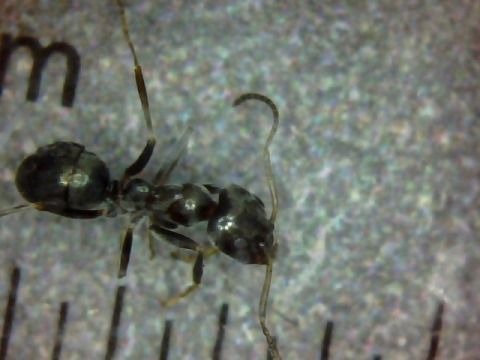
Black ants 2mm, 3mm, 4mm, 6mm, 8mm, 10mm, 12mm
and
Sugar ants
and
Flying ants
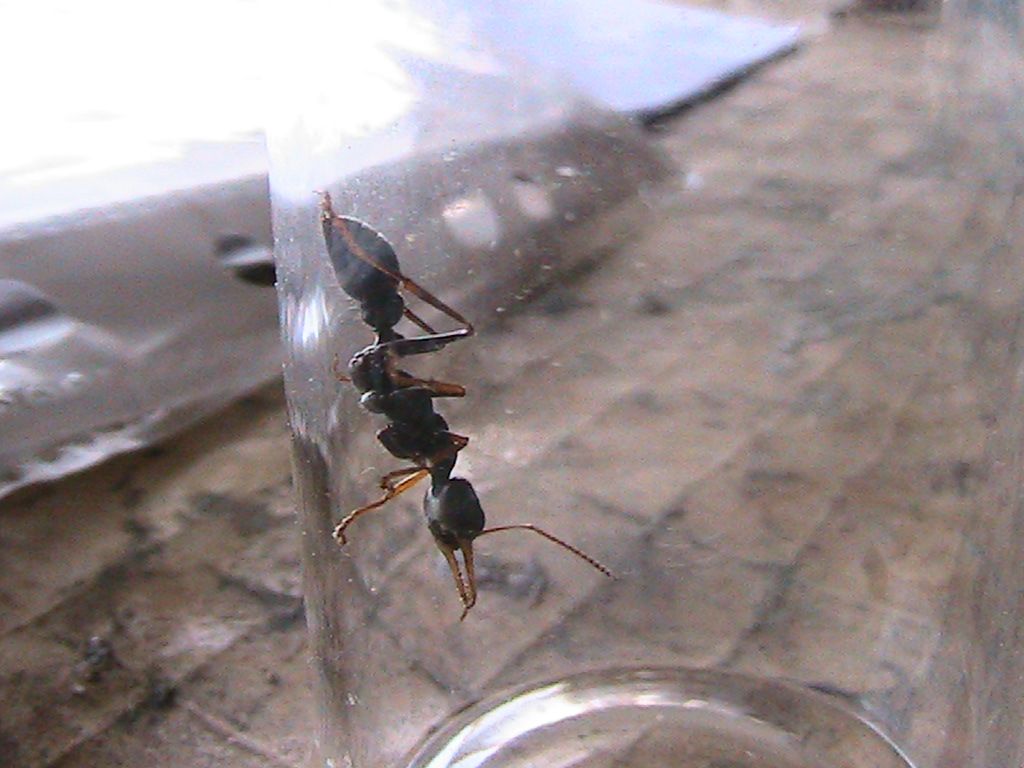
By the way, the 10mm turned out to be a Bull ant, Myrmecia sp. as you can see from the long toothy jaws.
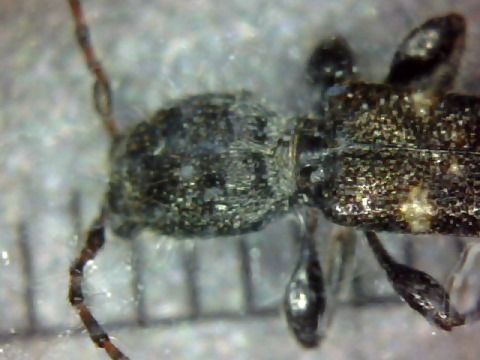
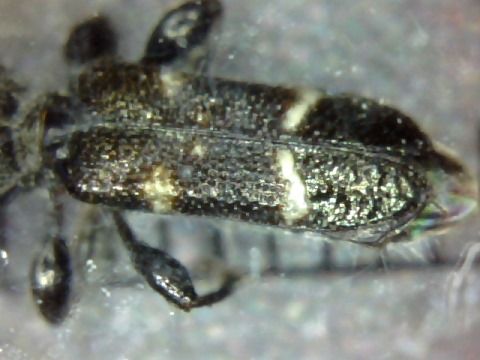
The 6mm ant turned out to be a beetle! Quite a pretty one.