I’m trying to design a space telescope. I’ve figured out the optimal aperture – 250 mm. As for telescope type, some variation on Cassegrain
But how do I calculate the optimal length?
I’m trying to design a space telescope. I’ve figured out the optimal aperture – 250 mm. As for telescope type, some variation on Cassegrain
But how do I calculate the optimal length?
by determining the magnification you want i believe.
http://www.astro.shoregalaxy.com/index_010.htm
FWIW
ive been told in the past that the normal telescope is set up for the human eye (obviously) but this translates into the final size of the image falling on the lens of the eye
ive been told you should a 5mm window of light from the final eyepiece
your space telescope should take into account the light falling on whatever sensor in a similar fashion, no doubt also accounting for how colours may also separate
JudgeMental said:
by determining the magnification you want i believe.http://www.astro.shoregalaxy.com/index_010.htm
I have eyepiece diameter (ie. sensor diameter), true field of view, aperture.
I wish to determine focal length.
I don’t have f-ratio, eyepiece focal length, magnification.
Is there anything on the cause and cure of optical defects – chromatic aberration, spherical aberration, coma, astigmatism, field curvature – for dummies? Why is Cassegrain better than Newtonian?
if i were you i would contact your local astronomy club, in a city as big as melbourne you have a wealth of experts that will know exactly whats what with lenses
there are amateurs that only do astro-photography , they usually sit behind a computer screen that destroys everyone elses nightvision on club nights star gazing – very annoying
the other thing is this
normally you need different types of lenses for looking at different lenses – again how this translates into a sensor instead of an eye i dont know but i would bet anyone doing astro-photography will know , if i were you this would be the first place to start
they use filters on the lenses to filter out wavelengths that obscure the objects you want to see with the human eye
this might work for light sensors too
the other thing is this
in a vaccum you get the strange evaporation thing happening of materials exposed to a vacuum
also expansion of materials exposed to the heat of the sun, so whatever is holding this light sensor should account for it
does the sensor need to be cooled?
the telescope might need to be much bigger than thought to house everything you need
the evaporation of materials inside the scope might mean crap ends up on the sensor or lenses
http://starizona.com/acb/basics/equip_optics101_cassegrains.aspx
this lists the aberrations of cassegrain systems.
expansion will also affect the lenses
unless its designed for space you might have serious problems, heat might warp the lens a little and bring out aberrations in the lens
the data could be transmitted back to earth and software might correct those anomalies in the lens?
there would be no magnification because you aren’t using an eyepiece. you would magnify the object electronically through the computer interface with the sensor.
glue holding lenses in place might well start degassing / melting
if you accidentally look at the sun will you burn the sensors?
the first thing i would do is write a “design brief”, under this title write
ie a space telescope to do this and that…..in a particular way
the second thing to do is write “design considerations”
under this title write down all the things that could go wrong with it and anything you think appropriate – these might well mainly initially all be questions
will this telescope have one brain or many brains?
will heat affect these brains?
will cooling be required?
from the brain perspective you might well make a long list of sensors that will be used
write a list of inputs and outputs in separate columns
sketch up a basic programme without coding as to how it might run in the microprocessor
where will the power for this telescope come? solar/ nuclear?
what will the total power consumption be?
what kind of lifetime should i expect?
assuming its a very small telescope and the wiring is less than say 1.5 m from brain to sensor
you might well use the I2C bus to move data around the telescope – its easier
you could have an arduino mega programmed as the master and peripheral smaller arduinos running other systems doing their own thing and reporting stuff back to the mega where its finally sent to a device where data can be packaged for transmission
the mega will also listen for signals from the ground station
the mega might well control power to other things so devices / arduinos could be shut down to conserve power
one consideration – how will it hold up under acceleration of lift off? extremely sensitive/ fragile components could be affected
accelerometers might be BROKEN one lift off
JudgeMental said:
http://starizona.com/acb/basics/equip_optics101_cassegrains.aspxthis lists the aberrations of cassegrain systems.
Thanks for that. I found this on the web, too. It seems to be simple enough for me to understand.
“Cassegrain Design Principles”, a bit over halfway through “Astronomical Optics Part 2: Telescope & Eyepiece Combined”
http://www.handprint.com/ASTRO/ae2.html
mollwollfumble said:
I’m trying to design a space telescope. I’ve figured out the optimal aperture – 250 mm. As for telescope type, some variation on CassegrainBut how do I calculate the optimal length?
How did you work out the optimal aperture?
dv said:
mollwollfumble said:
I’m trying to design a space telescope. I’ve figured out the optimal aperture – 250 mm. As for telescope type, some variation on CassegrainBut how do I calculate the optimal length?
How did you work out the optimal aperture?
I’m aiming for a space telescope that has similar operating characteristics to the ground-based Pan-STARRS (but can see more becuase it’s not limited by the ground and by atmosphere). So I started with the specifications of Pan-STARRS for resolution in terms of arcseconds per pixel and light capture in terms of limiting magnitude. I could get sufficient light capture with a 200 mm diameter aperture (assuming no losses), but not sufficient resolution, so switched to specifications for the WISE space telescope for resolution. Because this new space telescope is operating at shorter wavelengths than WISE, diffraction limited resolution allows a smaller aperture, which also turns out to be 200 mm. Then added a factor of safety to get a 250 mm aperture.
Pan-STARRS has a really short length/aperture ratio, but then it has to because it has a 1.8 metre diameter aperture.
For length of the my space telescope, let’s try out an f/10.
This is the Pan-STARRS light path, it’s a modified Cassegrain with three corrector lenses. This arrangement of mirrors and lenses seems optimal for my space telescope as well.

was thinking mollwoll and checked out that thought
you can build in safety in an arduino programme by putting a delay() into the “void setup()” section of the programme at the very beginning
if you wanted to turn something on but not want any part of the “void (loop)” programme to activate ie the part of the programme that started doing something and had the potential to turn on outputs – you can put a delay() at the very end of the void setup()
you can set various OUTPUTS to be LOW
or variables to be zero ie a = 0;
this sets potentially damaging outputs to zero at the moment the programme reads the void setup(), but then doesnt initiate the programme for real until you are clear of the area
it might be a gigantic robotic arm for example that means you should be clear before it starts working

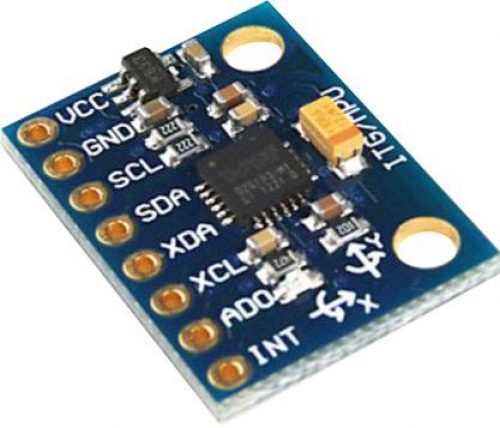
mpu 6050 something that the telescope can use to sense movement