ms spock said:
Michael V said:
Divine Angel said:Bright and sunny here. I have washing to do, I just don’t want to do it right now. Expecting cloud and rain later so now’s a good time to get it done…
We are getting all the washing done while there is sun and strong breezes. First load is finishing as I write.
White mould has attacked all our lovely wooden furniture and stuff in the living area. I’ll be attacking that today or tomorrow. The place will smell like a fish and chip shop for the next few days, I think.
And black mould has erupted on the ceiling in the lounge room. That’ll be next.
So what will you do for the white mould on your wooden furniture?
Will you use vinegar? What type of vinegar? Applied with a rag or a brush? Place it outside in the sun? Will you varnish or seal it after the white mould is gone? Or wipe it weekly/monthly with vinegar?
And how will you tackle the black mould which has erupted on the ceiling in the lounge room?
Will you remove plaster and apply new plaster? Will you use paint resistant mould?
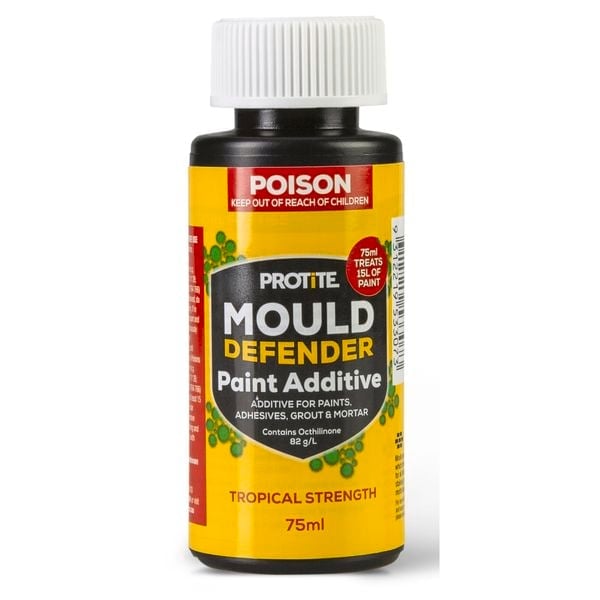
I only treat the furniture when the white mould erupts. That’s usually only once a year, usually in February. Last year treatment was unnecessary. This year is unusual in that it has occurred at a cold time, and that everything made of timber in the living area is affected. Usually it is only the 140-year old dining table.
I use undiluted white vinegar. The cheapest, strongest solution I can buy. Currently that’s Woolworths brand double strength vinegar.
I use a knitted cotton dish-cloth to apply the vinegar. I generally wash it twice in quick succession (like minutes apart) to make sure the vinegar gets into all the nooks and crannies and grain of the wood.
No, I do not put anything outside in the sun.
No, I will not varnish or seal the wooden stuff after treatment.
…………………………………………………..
The black mould on the ceiling is more problematic. We had an eruption some years back on one of the toilet walls. I washed the affected section of the wall once a week for a few weeks, with a sodium hypochlorite-only bleach. (Note that some bleaches also contain sodium hydroxide. Never use anything with sodium hydroxide on painted surfaces.) That was some years back. I note today that it is very faintly starting to erupt again. I may use that system on the ceiling.
I may treat the ceiling with vinegar first, then, after a couple of vinegar treatments, and after the ceiling is thoroughly dry, treat it with bleach to destroy the black stain.
I have considered repainting the inside of the house with mould-resistant paint, (or using an additive like you showed) but I have not yet done so. Basically, I am either too tired or too lazy to do that. If I can remove the black stain, then I will leave the repaint-with-special-paint notion on the to-do list. It’s getting near re-paint time though…
I am most unlikely to remove and replace the plaster. Most unlikely. Too expensive, too difficult.
…………………………………………………..
I do regularly treat the plug-holes in the hand basins and shower drains (every few weeks – whenever I notice either black or red-brown mould growing) with either neat bleach or vinegar. I use a specially modified toothbrush for the job.
Bathroom tiles and grout clean up nicely with 1:1 vinegar:water solution sprayed on, rubbed with a knitted cotton dishcloth and then rinsed and rubbed, rinsed and rinsed and rinsed.
…………………………………………………..
I hope that helps.